
ASME B16.9 Buttweld Reducer Dimensions and Weight Guide






2026-06-30 10:44:35
When planning industrial pipe projects, it's important to know the ASME B16.9 buttweld reducer measurements and weight requirements to make sure the system fits together smoothly. These precision-engineered joints are the most important part of connecting pipes with different sizes. They have a direct effect on how well the pipes flow, how safe they are to use, and how long they last. Accurate understanding of dimensions keeps you from having to make expensive changes to the field and delays in projects, whether you're in charge of improving a plant, a city's water system, or a petrochemical installation. Over the past 40 years of working with businesses around the world, we've seen how choosing the right reducers based on certified dimensional data can improve the speed of buying and lower the total cost of ownership in a wide range of situations.
Introduction
Industrial piping systems need parts that work reliably even in harsh circumstances. ASME B16.9 buttweld reducers are the best way to change the diameter of a pipe in high-pressure, high-temperature settings where the pipe material integrity cannot be compromised. Unlike threaded or flanged options, these welded fittings make permanent joints that don't leak. This means that vital infrastructure doesn't have any possible weak spots.
People who work in procurement are always under pressure to keep costs down while also following safety rules. Accurate measures have a direct effect on how quickly and easily an installation can be done. Wrong measurements cause extra work to be done in the field, scheduling delays, and poor weld quality. Specifications for weight affect how logistics are planned, what kind of help is needed, and how much the whole job costs. For EPC companies in charge of multimillion-dollar projects, even small differences in dimensions can cause big delays.
It becomes necessary to buy from manufacturers who keep strict quality records. Certified size compliance makes sure that products meet foreign standards, and certified weight data helps engineers figure out how to build pipe support systems. This guide gives you useful information about measuring requirements, comparing materials, and buying methods that protect project deadlines and prevent safety risks.
Understanding ASME B16.9 Buttweld Reducers: Dimensions and Specifications
What Defines a Buttweld Reducer?
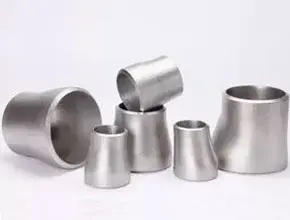
A buttweld reducer is a fixed pipe fitting that joins two nominal bore sizes by welding around the outside. Dimensional limits are controlled by the ASME B16.9 standard, which makes sure that parts can be used anywhere and that performance will be reliable. These fittings keep the metal structure constant throughout the joint, so there are no stress spots like there are in mechanical connections. The smooth shift to a cone shape reduces turbulence, which helps minimize pressure drop and associated energy losses in pumping systems.
Concentric vs. Eccentric Configurations
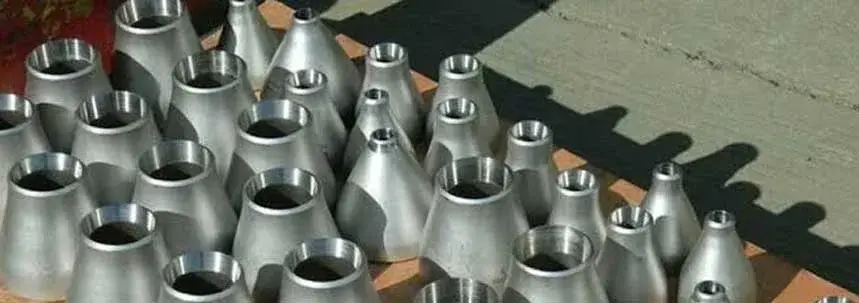
There are two basic types that meet different hydraulic needs. Concentric reducers keep the central alignment between the inlet and exit, which makes them perfect for vertical pipe runs that need to make sure the flow is spread out evenly. The uniform curve gets rid of noise pollution by stopping vortices from forming when the speed changes.
The centerlines of eccentric reducers (buttweld reducers) are not lined up perfectly, so one side stays flat. This setup stops air pockets from forming in horizontal pump flow lines, which is a very important thing to keep in mind to keep impellers from getting damaged by cavitation. For easy draining and condensate removal, process engineers recommend installing systems with the "flat side up" for liquids and the "flat side down" for gases.
Critical Dimensional Parameters
The weight and pressure grade are directly affected by the wall thickness. The standards in ASME B16.9 range from SCH 10S to XXS, with higher internal pressures being supported by walls that are thicker. End-to-end length depends on the size ratio; for better flow, longer transition zones are needed for bigger diameter changes. The beveled ends are made to 37.5° ± 2.5° so that they can be fully penetrated by welding.
Compliance with dimensional tolerances makes sure that everything fits right during fitting. JS FITTINGS keeps the centerline position of circular models within 1 mm, which keeps high-speed systems from having vibration problems. Ultrasonic testing at both ends of the fitting shows that it meets ASME standards, even at stressed-forming places where lower-quality products often fail.
Material Standards and Pressure Ratings
Different types of carbon steel that use ASTM A234 WPB material can be used in a wide range of industrial settings up to 400°C. For water, steam, and gas service, these types are easy to weld and don't cost much. High-yield types, like WPHY 65 and WPHY 70, can handle higher pressures while still keeping the weight down.
Reducers made of stainless steel that meet ASTM A403 WP304/316 don't rust when used in chemical processing, food production, or medicine making. The 316L version is better at resisting chloride in marine settings and purification plants. Some types of alloy steel, like WP11 and WP22, can handle high temperatures in power plants and refineries.
ASTM A420 WPL6 material that retains impact toughness below -45°C is needed for low-temperature work, which is important for LNG ports and cryogenic processing. Choosing a different material has different weight effects. For example, reducers made of stainless steel weigh about 5% more than those made of carbon steel that are the same size.
How to Select the Right Buttweld Reducer Based on Dimensions and Application Needs?
Matching Configuration to System Layout
In oil and gas facilities, pump suction pipes need eccentric reducers to keep spinning equipment safe. The flat-side-up position stops vapor lock, which starves pumps during starting, which keeps expensive mechanical seal failures from happening. To keep the flow even across catalyst beds or distillation trays, vertical process columns in refineries need to be designed with circular shapes.
An eccentric profile that allows proper venting during hydraulic testing is beneficial for underground pipe systems.The flat shape also makes draining easier when systems need to be dewatered for winterization or upkeep. Knowing these application-specific needs keeps you from having to make changes in the field that throw off your plan and budget.
Material Selection Criteria
Carbon steel reducers, such as carbon steel buttweld concentric reducers, work great in systems that use dry gas or liquids that don't corrode and where keeping costs low is important. Because they are stronger than they are heavy, they can hold longer spans between pipe supports, which means less structural steel is needed. Coatings that guard against oxidation are needed. For outdoor installations, hot-dip galvanizing lasts longer, while epoxy coatings work best for underground uses.
Stainless steel is worth the extra cost in places where it will rust or where product quality is important. Electropolished 316L surfaces are needed for their cleanliness in food handling and pharmaceutical uses. The material doesn't need to be coated, so there are no coating costs and lower lifetime upkeep costs, even though the initial investment is higher.
Reducers made of alloy steel are used in high-temperature situations where resistance to creep is important. Power plant steam systems that work above 550°C depend on P91 material, which keeps its mechanical qualities even when it is heated and cooled many times. Because the chemistry is so specific, it needs to be welded using the right techniques and then heated up afterward. This affects how the installation is planned and how much it costs.
Weight and Installation Considerations
Larger diameter reducers add a lot of weight, which changes how the supports are spaced and what kind of rigging is needed. An SCH 40 24" x 12" carbon steel reducer weighs over 300 pounds, requiring proper mechanical lifting equipment during installation. To choose the right lifting tools and keep workers from getting hurt on the job, field crews need accurate weight data.
It takes longer to prepare to weld if the wall is thicker. Heavy schedules require more than one weld pass and longer cooling times between runs. JS Fittings offers precisely made bevels that are free of mill scale and burrs. These bevels speed up field welding and make sure that the joins are X-ray quality. When compared to raw ends that need to be prepared in the field, this ready-to-weld state cuts local labor costs by up to 30%.
Dimensional Verification Tools
Accurate pipe layout is possible with engineering plans that show lengths from end to end, bevel angles, and wall thickness values. Three-dimensional CAD models make it easier to check for interference before manufacturing starts, which stops clearance problems that slow down building. Material test results that list the chemical makeup and mechanical qualities of the material confirm that it meets the requirements of the project.
A quality guarantee that meets inspector needs is provided by mill test papers that can be linked to heat numbers. For every production heat, JS FITTINGS provides EN 10204 3.1 mill test certificates with the results of chemistry tests and tension tests. This thorough paperwork gets rid of delays in buying caused by missing certification, which keeps projects on schedule.
Comparison of Buttweld Reducer Types and Alternatives for Optimization
Buttweld vs. Socket Weld Reducers
Socket weld reducers work well for small-bore pipes with a diameter of less than 2 inches, where a full buttweld preparation is not possible. The socket design helps with alignment during welding, but it leaves cracks that corrosive media can get stuck in. Butt-weld configurations get rid of this dead space, making them necessary for services that are likely to pit or stress corrosion cracking.
It is better to use butt-welded designs for bigger jobs because they are lighter. For example, a 6" x 4" buttweld reducer weighs 40% less than a socket weld fitting of the same size because it doesn't have any socket material. This weight reduction adds up over projects with hundreds of fittings and saves money on structural support costs.
Flanged vs. Welded Transitions
Flanged reducers make it easier to take apart equipment that needs to be taken apart for maintenance. The bolted joint is heavier, costs more, and could let leaks happen compared to permanent weld connections. Flange faces need constant maintenance—replacing the gasket during turnarounds adds an operational cost that isn't present in welded systems.
In pumping applications, this efficiency translates to reduced energy consumption over the system's operational life, offsetting initial material costs through utility savings. The pressure drop characteristics favor buttweld reducers because their smooth internal contour reduces turbulence compared to the abrupt steps created by flange facings protruding into flow streams.
Seamless vs. Welded Construction
When made from solid pipe, seamless reducers have better mechanical qualities because they don't have longitudinal weld lines. However, seamless production is generally more common in smaller sizes, while larger sizes are typically manufactured from formed and welded steel plates. Larger changes need to be bonded together using formed plate pieces that are joined by lengthwise seams.
There aren't big changes in weight between the different ways of building—welded reducers weigh about 2% more because they are reinforced at the weld. When made correctly, both types meet the same standards for dimensions and pressure ratings. All welded seams at JS FITTINGS are inspected with X-rays to make sure they are free of flaws and match the performance characteristics of seamless materials.
Dimensional Impact on Flow Performance
Gradual taper angles keep the flow connected, which stops turbulence from losing energy. When the width changes quickly, vortex loss happens, which makes noise and vibrations and lowers the flow efficiency. The shape of ASME B16.9 strikes a mix between short installation length and optimal flow, and it has worked well in industrial settings for decades.
Care must be taken when describing the relationship between pressure grade and wall thickness. Thinner walls are cheaper and lighter, but they can't hold as much pressure. Engineers have to make sure that the plan they choose fits the pressure of the system design while leaving enough room for error. They also have to make sure that the size choices they make meet working needs without being too specific.
Conclusion
For industrial pipe projects to be successful, the parts must be carefully designed and manufactured to strict standards of size. ASME B16.9 buttweld reducers provide the safe width changes that are needed to keep systems intact in a variety of settings. Procurement pros can make smart choices that protect project schedules and budgets when they know how measurements, weight, material qualities, and installation requirements all work together. Procurement can be turned from a transactional task into a strategic advantage that supports long-term practical success by working with experienced makers who uphold strict quality standards, full testing capabilities, and responsive delivery systems.
FAQ
1. How do ASME B16.9 dimensional standards ensure piping system compatibility?
ASME B16.9 sets standard tolerances for length from end to end, outside diameter, and wall thickness so that products from different makers can be used interchangeably. With these standard sizes, engineers can choose parts knowing that they will fit together well in the field, no matter what provider they use. The standard is recognized all over the world, which makes it easier to buy things from other countries while keeping quality standards the same across different producing sources.
2. Which material standards apply to high-pressure applications?
Depending on the temperature and wall thickness, carbon steel reducers made from ASTM A234 WPB can be used in high-pressure systems, with pressure ratings determined by wall thickness (schedule) and design code requirements such as ASME B31.3. Stainless steel ASTM A403 WP316 can handle the same levels of pressure and is better at resisting rust. Different types of alloy steel, like A234 WP22, can handle temperatures above 550°C in power-producing work. When choosing a material, it's important to keep in mind the corrosion limits and temperature derating factors that are written into pipe codes.
3. What methods verify weight specifications for structural calculations?
Manufacturers give possible weight estimates based on the size and density of the material. Weighing sample units in real life proves that the calculations were correct. To make sure that piping support designs can handle real loads, engineers should ask for certified weight paperwork that matches specific size and schedule pairs. JS Fittings offers detailed weight charts that can be used to help with structural engineering estimates for any size job.
Partner with JS FITTINGS for Certified Buttweld Reducer Solutions.
With 43 years of experience in the business, JS FITTINGS makes pipe reducers that are precisely designed and meet exact ASME B16.9 dimensions. Our large inventory, which includes sizes from DN15 to DN2000 (project-dependent availability for larger sizes), guarantees fast delivery of common specs. Our custom fabrication skills handle special project needs with delivery certainty. Every reducer comes with an EN 10204 3.1 mil test certificate that lists its chemical makeup, mechanical qualities, and dimensions. This takes away any doubts about what to buy.
As a qualified buttweld reducer provider to some of the world's biggest energy companies, we follow strict quality standards that include checking the wall thickness with ultrasonic waves, making sure the parts are concentrically aligned, and precise bevel machining that speeds up installation in the field. Our monthly output of more than 800 tonnes of pipe fittings and 95% on-time delivery rate help EPC contractors, dealers, and industry end users meet tight project deadlines.
Email our technical team at admin@jsfittings.com to talk about your size needs, get accurate weight estimates, and get access to our full collection of reduction specifications. We respond to your requests for quotes within an hour, so your purchasing choices can be made right away. Experience the dependability of ISO-certified production and full after-sales support that protects your project investment from the time of design to the time of commissioning.
References
1. American Society of Mechanical Engineers. ASME B16.9: Factory-Made Wrought Buttwelding Fittings. New York: ASME International, 2018.
2. American Society for Testing and Materials. ASTM A234/A234M: Standard Specification for Piping Fittings of Wrought Carbon Steel and Alloy Steel for Moderate and High Temperature Service. West Conshohocken: ASTM International, 2021.
3. American Society for Testing and Materials. ASTM A403/A403M: Standard Specification for Wrought Austenitic Stainless Steel Piping Fittings. West Conshohocken: ASTM International, 2020.
4. American Society of Mechanical Engineers. ASME B31.3: Process Piping—Design, Fabrication, and Erection. New York: ASME International, 2022.
5. Parisher, Roy A., and Robert A. Rhea. Pipe Drafting and Design. 4th ed. Houston: Gulf Professional Publishing, 2019.
6. Nayyar, Mohinder L., ed. Piping Handbook. 8th ed. New York: McGraw-Hill Education, 2020.
Send Inquiry
Related Industry Knowledge
- How long does FBE Coated Steel Pipe last?
- Understanding the API 5L Seamless Steel Line Pipe Specification
- Carbon Steel Forged Steel Flange in Oil, Gas & Power Plants
- Carbon Steel Buttweld Reducer for High-Pressure Pipelines
- What Are the Types of Buttweld Elbows in ASME B16.9 Systems?
- What is a blind flange used for?
- Why Is Long Radius Buttweld Elbow Preferred in Oil & Gas?
- What is carbon steel pipe used for?
- What is the difference between a 45 degree and 90 degree elbow?
- What is a plate flange used for?