
ASTM A234 WPB Buttweld Tee Material Properties Overview






2026-07-09 14:30:32
When specifying pipeline fittings for critical industrial applications, understanding material properties becomes non-negotiable. ASTM A234 WPB represents the industry benchmark for carbon steel pipe fittings, particularly buttweld tees used in petroleum refineries, chemical processing plants, and power generation facilities. This grade delivers predictable mechanical performance across moderate temperature ranges while maintaining cost-effectiveness—a balance that procurement teams scrutinize when minimizing project risk without inflating budgets. The WPB designation indicates wrought carbon steel suitable for moderate and elevated temperature service, making these fittings reliable choices for systems operating up to 400°C (750°F) where material consistency directly impacts safety compliance and operational uptime.
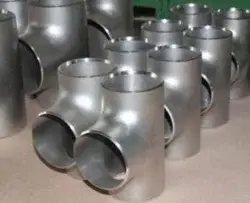
Understanding ASTM A234 WPB Buttweld Tee
Core Material Composition and Chemical Properties
ASTM A234 WPB fittings have strict chemical makeup limits that tell us how they will weld and behave mechanically. The carbon content is limited to 0.30% maximum, which provides the necessary mechanical strength while maintaining adequate ductility.Manganese levels around 0.95% make the material tougher, and silicon levels around 0.40% help remove oxygen during production. To prevent hot cracking and embrittlement, sulfur and phosphorus levels are tightly controlled below 0.05% each. This balanced chemistry makes sure that the welding properties are reliable, which is very important for workers who are on a tight project schedule and can't afford to redo work because of failed welds.
Because WPB has a controlled carbon equivalent, producers can often perform full penetration welds with minimal or no preheating, depending on carbon equivalent and wall thickness. This cuts down on installation time and labor costs. This characteristic optimizes installation timelines for EPC contractors managing many activities on the critical path and watch as delays affect other project deadlines.
Mechanical Strength Parameters
Minimum tensile strength for ASTM A234 WPB is 415 MPa (60,000 psi), and minimum yield strength is 240 MPa (35,000 psi). These values give enough of a safety gap against running pressures in normal pipeline systems while keeping the material's ability to bend and absorb shocks during pressure spikes. The requirement for at least 30% elongation in a 2-inch gauge length shows that the material can deform plastically before breaking. This acts as a safety cushion to avoid catastrophic brittle failure in the field.
The hardness is usually between 120 and 200 Brinell, which is a good mix between resistance to wear and ease of machining. This range lets repair crews make changes in the field when they need to without using special cutting tools. This lowers the total cost of ownership for industrial end users.
Thermal and Corrosion Performance
WPB fittings are commonly used in systems operating at moderate and elevated temperatures up to around 400°C, with low-temperature applicability depending on impact toughness requirements, which means they can be used in most normal and moderately high-temperature situations. When these limits are crossed, special types like ASTM A420 WPL6 for cold use or A234 WP11 for high-temperature use are needed. The thermal expansion value of 11.7 × 10⁻⁶/°C must line up with the linked pipes so that stress doesn't build up at the joints during thermal cycling.
When it comes to corrosion protection, carbon steel WPB material works well in both non-corrosive and slightly corrosive settings. The naturally occurring oxide layer offers some defense against rusting caused by air. Systems that deal with acidic media, chlorides, or hydrogen sulfide need either protected coatings or changes to metals that don't rust, such as stainless steel grades such as 316L under ASTM A403 or equivalent stainless steel fitting specifications. Before choosing a material, procurement experts often ask for a thorough service condition analysis to weigh the original costs against the costs of maintenance over the material's lifetime.
Seamless Versus Welded Construction
When hot forming is used to make seamless butt-weld tees, the grains are all the same, and there are no longitudinal weld lines. This means they can be used for high-pressure uses up to 24 inches in diameter. The lack of weld lines gets rid of any possible weak spots, but the intense forming process makes it more expensive to make.
Welded tees made from plate stock can fit bigger widths from 24 to 72 inches, where it would be too expensive to make them without seams. These need to be tested using radiographic testing (RT) to make sure the weld is solid. This raises the cost of quality control but makes large-bore pipe systems possible for projects that need them. Distributors who keep an inventory must keep the right amount of seamless and welded options in stock based on how demand is likely to change in each area and how projects are usually specified.
Dimensions and Specifications of ASTM A234 WPB Buttweld Tee
Standard Compliance Frameworks
ASME B16.9 sets the size requirements for factory-made metal fittings. It says what the center-to-end dimensions, wall thickness, and bevel angles should be. Equal buttweld tees have three openings of the same diameter, which makes it easier for flow to be distributed in header systems. Because reducing tees have a smaller branch exit, they can connect pipes of different sizes while keeping and maintaining hydraulic flow characteristics. These arrangements help engineers make the best use of pipe plans without adding additional fittings.
Meeting the requirements of EN 10253-2 and DIN 2615 makes sure that the system can work with European pipelines. This is especially important for international projects that need to follow rules from more than one country. When buying things for foreign projects, procurement teams need to make sure that suppliers give them material test certificates that match both ASME and EN standards. This way, there won't be any problems with the specifications during building.
Size Range and Wall Thickness Options
JS FITTINGS sells seamless tees in pipe sizes ranging from 1/2 inch to 24 inches, which includes everything from instrument tubing to large process lines. For large-diameter pipeline systems, the supply goes up to 72 inches when the building is welded. There are different wall thickness choices, from Schedule 10S to 160 and double extra strong (XXS), so they can be perfectly matched to the pressure needs of the system.
Pressure values are directly related to the schedule system. For example, a Schedule 40 tee in 6-inch NPS can handle different pressures than a Schedule 80 tee of the same size. When you specify thickness by schedule number instead of real millimeters, it makes sure that the pipe is consistent and stops the turbulence and stress concentrations that happen when schedules that don't match meet at weld joints. When engineers figure out the pressure drop, they need to take these measurements into account to ensure the system operates as intended.
End Preparation and Bevel Specifications
As per ASME B16.25, the beveled ends have a 37.5-degree angle and a 1.6 mm root face, which makes them perfect for V-groove butt welding. This standard shape makes it possible to get the same quality welds whether they are made by hand using SMAW or automatically using GTAW. Precision CNC beveling used in modern production gets rid of the need for field grinding, which cuts installation time by about 20% compared to parts that need to be prepared on-site.
For certain uses, square-cut ends are still available, but beveled shapes are more common because they allow for better weld penetration. Contractors like how precision beveling allows for instant fit-up, especially when working in crowded plant settings where grinding operations are hard to do because of limited room.
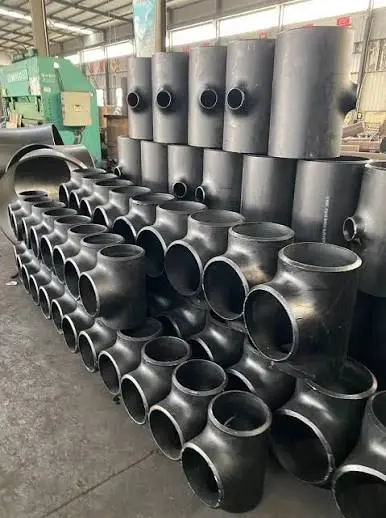
Manufacturing Process and Quality Assurance
Production Methodologies
By pushing a hot piece of pipe into a T-shaped die, cold forming through hydraulic bulging makes smooth butt-weld tees. This process makes the grain run continuously through the fitting body, which makes it stronger against contact. Hot extrusion methods use hot billets to push them through shaped dies. This works well for smaller diameter fits where the cost of the tools justifies making a lot of them. Each method changes the end grain structure and mechanical qualities, so they need different heat treatment plans.
After making, JS FITTINGS uses normalized heat treatment to bring the material to an austenitizing temperature and then cools it in the air to smooth out the grain structure. This method brings back the flexibility that might have been lost during cold working while keeping the right amount of strength. The optimized branch reinforcement area—where the branch meets the run—gets extra attention during making to make up for material loss at this high-stress point, going above and beyond the minimum standards set by ASME B16.9.
Non-Destructive Testing Protocols
Every production batch goes through a dimensional review that checks the limits for center-to-end lengths, wall thickness consistency, and bevel geometry. Positive material identification with X-ray fluorescence analyzers proves that the chemical makeup matches the grade that was asked for. This stops costly material mix-ups that have caused field failures in the past.
Ultrasonic testing finds internal layers or inclusions that could turn into cracks when the material is loaded and unloaded over and over again. Magnetic particle screening shows surface flaws that can't be seen with the naked eye. All of the large-diameter welded tees are radiographed, which makes lasting film records that are kept for compliance checks. These strict guidelines are meant to help government building projects lower risks, even though the requirements for tracking materials go beyond what is required by businesses.
Heat Treatment and Mechanical Testing
Normalized material is put through a series of mechanical tests, such as tension tests to make sure it meets minimum strength standards, Charpy V-notch impact tests to make sure it is tough at working temperatures, and hardness surveys to make sure the properties are the same all the way through the fitting body. Each shipment comes with a proof of testing that shows the results. This gives EPC workers the material tracking information they need for project closeout paperwork.
The risk of stress corrosion cracking (SCC) is significantly minimized by post-forming heat treatment, which relieves the residual stresses introduced during the forming process.Fittings that have not undergone proper heat treatment may pass the first inspection, but they may fail in the field months later when residual stresses interact with dynamic service loads. Such failures compromise both supplier credibility and overall project profitability.
Choosing the Right Buttweld Tee Material
Structural Comparison with Alternative Fittings
Butt-weld tees make permanent links that don't leak by using full-penetration welds to get a weld strength equal to the base pipe. In socket weld ends, on the other hand, the fillet weld makes a stress concentration point that can fail due to wear in systems that vibrate a lot. While threaded tees are useful for small-bore low-pressure uses, they can't compare to welded construction when it comes to pressure ratings or leak integrity.
When compared to manufactured tees cut from pipe sections, quality buttweld tees with a radiused branch outlet are better at stopping erosion and rust. This trait makes systems last longer when they deal with rough slurries or fast-moving gases, where sharp edges speed up the loss of material. When figuring out lifecycle costs, the average time between failures is like this longevity benefit.
Material Grade Selection Criteria
ASTM A234 WPB is the standard grade for general service up to 400°C. It is a good compromise between performance and cost. For projects that need cryogenic service below -29°C, ASTM A420 WPL6 is required. This grade has better low-temperature toughness, which keeps it from breaking easily. Chrome-moly alloys like A234 WP11 or WP22 must be able to keep their creep strength above 500°C for use in supercritical steam systems where temperatures are very high.
When working with materials that corrode, it's best to choose stainless grades like A403 WP304L for light corrosion, WP316L when chlorides could cause pitting, or WP321, a stabilized grade, for use after welding without heat treatment. Carbon steel and stainless steel are 300–400% more expensive than each other. This means that it is very important to do a proper service condition assessment to avoid both overspecification waste and underspecification failures.
Seamless Versus Welded Cost-Benefit Analysis
Because they are harder to make, seamless tees cost 15–25% more than welded ones of the same size. This extra cost buys consistency and gets rid of the need for lengthwise seam inspections. For extra safety, systems made for ASME Class 600 or higher pressure ratings usually need to be constructed without any joints.
Welded tees (ASTM A234 WPB butt weld tee material properties) are more cost-effective than seamless ones after 24 inches in diameter, when production problems start to show up. The need for radiographic testing adds to the cost and wait time, but it is still less expensive than making the pipe seamless at large sizes. Distributors who carry both types serve a wider range of customers, but uniform inventory is most common in smaller sizes where demand is high enough to justify investment.
Conclusion
The qualities of ASTM A234 WPB material give it the performance traits needed for effective pipeline system operation in a wide range of industrial settings. The right mix of mechanical strength, weldability, and gentle temperature capability handles the main concerns of procurement leaders, which are lowering project risk and keeping costs low. Knowing the differences between seamless and welded construction, how schedules and dimensions affect pressure ratings, and the production quality factors that make suppliers different helps you make smart specification choices. The material has been used successfully in setups for oil, chemicals, and power plants, so you can be sure that WPB fittings that are properly described will meet the needs of the project. For procurement to go well, you need to work with qualified makers who can show stable quality, enough capacity, and a lot of paperwork that can be used to check for compliance throughout the lifespan of a project.
FAQ
1. What pressure ratings do ASTM A234 WPB buttweld tees support?
Pressure values are based on a number of factors, such as the pipe size, working temperature, and wall thickness schedule. Schedule 40 carbon steel tees can usually handle 2000 to 3000 PSI at room temperature, while Schedule 160 models can handle more than 6000 PSI. According to the ASME B31.3 stress tables, higher temperatures lower the forces that can be used. Instead of using general numbers, engineers need to figure out specific ratings based on design pressure, temperature, and any code standards that apply.
2. Can WPB fittings handle corrosive environments?
WPB carbon steel works well in non-corrosive environments and dry gases, but acidic solutions, chlorides, and hydrogen sulfide may cause rapid corrosion or cracking in carbon steel WPB. Protective coatings make things last longer in slightly corrosive environments, but higher-cost stainless steel types offer better protection when corrosion threatens the structure of the system. To figure out how long something will last, you have to look closely at its medium, concentration, temperature, and flow speed.
3. How do I verify quality when purchasing in bulk?
For each heat number, you should demand material test certificates, check that the seller has ISO 9001 certification, and make sure that big energy companies have approved the end-users. Ask for the right to have a witness view big orders so that the dimensions and NDT results can be checked by a third party before they are shipped. Set up procedures for inspecting arriving materials, including checking for accuracy in measurements, hardness, and PMI, and throw away any batches that don't meet the standards before installation starts.
Partner with a Trusted Buttweld Tee Manufacturer
Selecting the right ASTM A234 WPB parts (buttweld tee) is crucial for making sure that your project meets its performance and timeline goals, or else it will have to deal with costly delays and extra work. JS FITTINGS has been making high-quality products for 43 years and has quality systems that are approved by ISO, CE, GOST-R, and big energy companies like ADNOC and Petrobras. Our yearly capacity of 30,000 tonnes and record of 95% or more on-time deliveries help even the tightest project plans stay on track. We offer a full size range, from DN15 to DN1800, and can fully track all of our materials. This gives buying teams the stability they need when the reliability of their suppliers affects the success of a project. Email our technical team at admin@jsfittings.com to talk about your unique needs and get quotes that are tailored to your application parameters and delivery timeline.
References
1. ASME B16.9-2018, Factory-Made Wrought Buttwelding Fittings, American Society of Mechanical Engineers, New York.
2. ASTM A234/A234M-21, Standard Specification for Piping Fittings of Wrought Carbon Steel and Alloy Steel for Moderate and High Temperature Service, ASTM International, West Conshohocken.
3. Harvey, J.F., Theory and Design of Pressure Vessels, Second Edition, Van Nostrand Reinhold Company, 1991.
4. Becht IV, C., Process Piping: The Complete Guide to ASME B31.3, Fourth Edition, ASME Press, 2017.
5. Mohitpour, M., Golshan, H., and Murray, A., Pipeline Design & Construction: A Practical Approach, Third Edition, ASME Press, 2007.
6. Singh, A., and Saraf, R.K., Material Selection and Corrosion Control in Pipeline Systems, Journal of Pipeline Engineering, Vol. 15, No. 3, 2016, pp. 145-162.
Send Inquiry
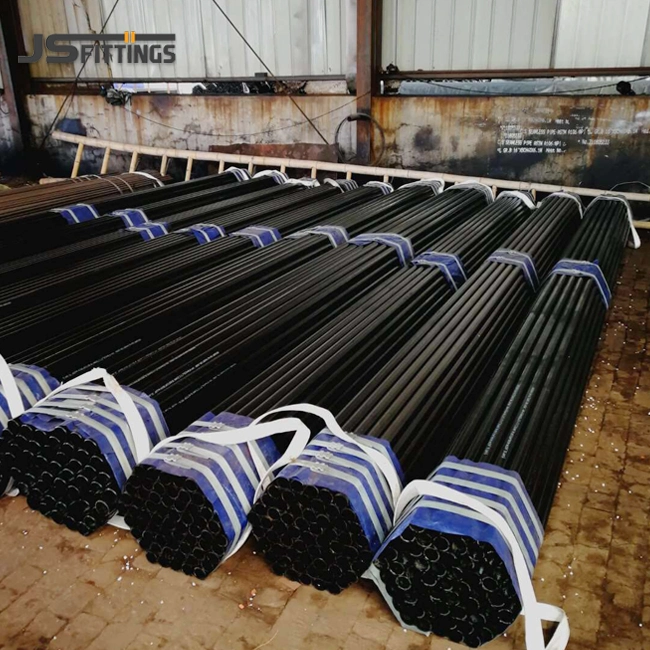
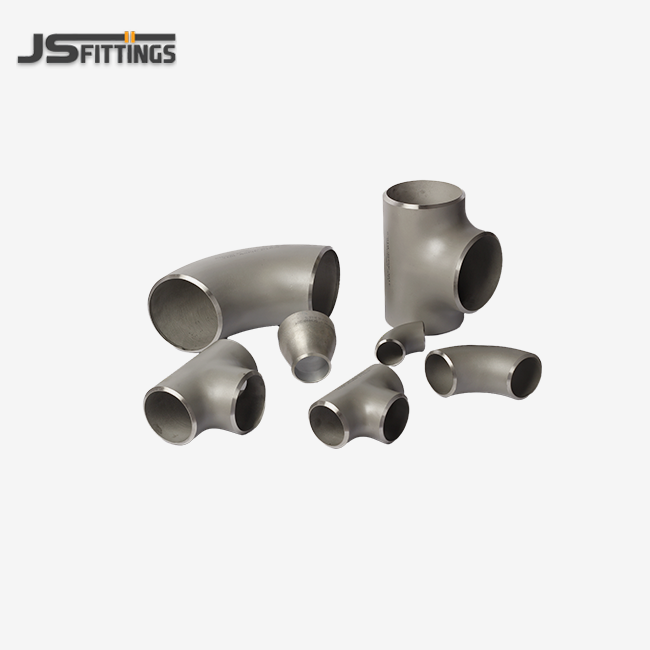
_1775029549981.webp "Buttweld Tee")
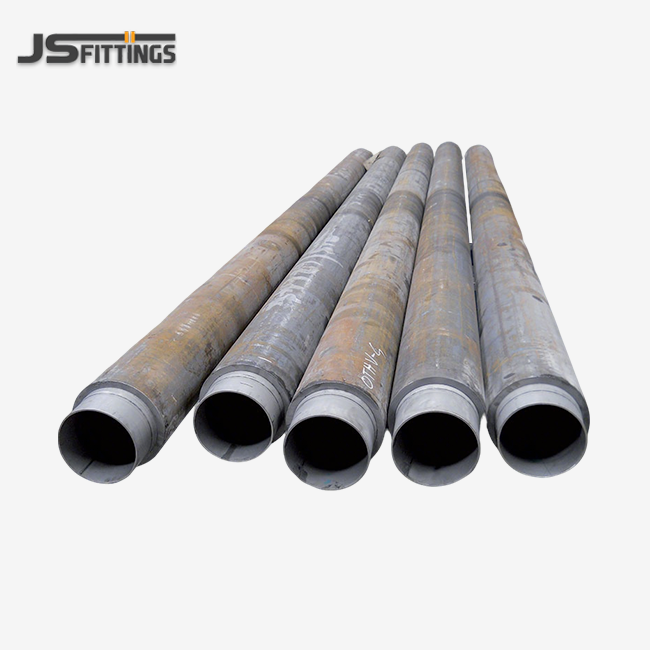
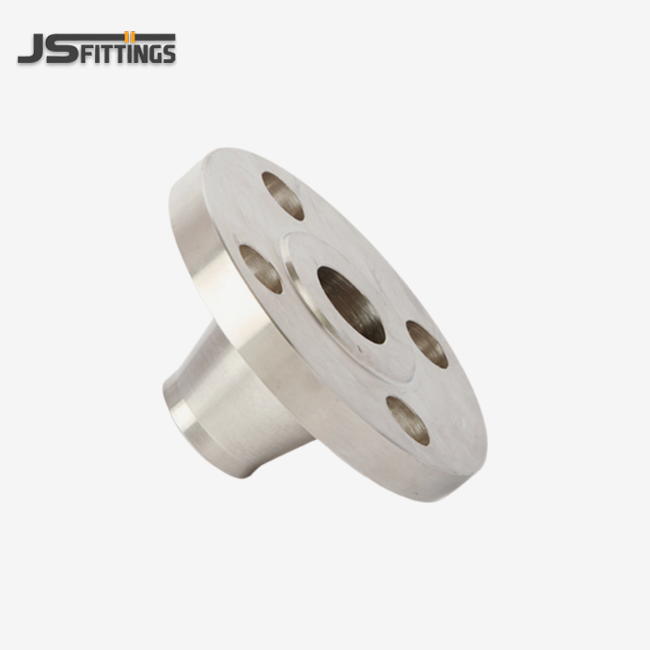
_1775030068227.webp "ASTM A105 Weld Neck Flange")
Related Industry Knowledge
- Buttweld Tee vs Socket Weld Tee for High-Pressure Piping
- ASTM A312 vs ASTM A213 Steel Pipe: What Are the Key Differences?
- What is A312 stainless steel pipe? Everything You Need to Know
- Why Is a Seamless Buttweld Tee Preferred in Critical Service?
- Carbon Steel Buttweld Reducer for High-Pressure Pipelines
- What Are the Types of Buttweld Elbows in ASME B16.9 Systems?
- Carbon Steel vs Stainless Steel Buttweld Bend: Which to Use?
- What are butt weld fittings?
- What is the temperature to weld carbon steel pipe?
- What is a plate flange used for?