
ASTM A312 vs A358: Choosing the Right Stainless Steel Pipe Standard






2026-07-06 10:56:12
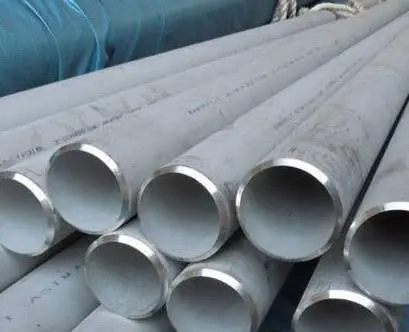
When buying industrial pipes, choosing between ASTM A312 and A358 stainless steel pipes is one of the most important choices that has a direct effect on project safety, compliance, and budget performance. A312 stainless steel pipe is the standard for both seamless and welded austenitic piping that is made to withstand high temperatures and extreme corrosion. It is especially useful in chemical processing, desalination, and offshore energy installations, where carbon steel pipes would break down quickly. In contrast, ASTM A358 covers the needs for fusion-welded pipes in moderate-pressure situations where performance needs are balanced with cost-effectiveness. By knowing these differences, procurement pros can reduce project risk and get the best total cost of ownership over the duration of an asset.
Introduction
When working on industrial projects, picking the right materials is very important. Choosing between ASTM A312 and A358 stainless steel lines has a big impact on how well the project runs and how much money it makes. ASTM A312 sets the standards for austenitic stainless steel pipes that are seamless, welded, or heavily cold-worked. These pipes are made to carry corrosive gases and fluids at high temperatures and pressures. This standard includes types like TP304/304L and TP316/316L, which are very resistant to oxidizing acids and prevent intergranular corrosion by creating microstructures that are solution-annealed. The ASTM A358 standard covers electric-fusion-welded pipes that are mostly used in utility systems and light industry settings.
We at JS FITTINGS have been making pipes for more than 40 years, so we can offer approved A312 and A358 pipes that meet strict foreign standards like ASME, DIN, and JIS. We have approvals from NIOC, ADNOC, and PETROBRAS that show our dedication to quality assurance. This makes us a reliable partner for EPC contractors, distributors, and industry end-users who want to make sure their projects succeed by getting the materials they need on time.
Understanding ASTM A312 and A358 Stainless Steel Pipe Standards
ASTM A312: High-Performance Austenitic Piping
As per ANSI/ASME B36.19 standards, ASTM A312 spells out the requirements for austenitic stainless steel pipes that are either seamless, welded, or heavily cold worked and are made to nominal pipe size (NPS) dimensions. Solution annealing at temperatures above 1040°C is required by the standard. This is followed by fast quenching, which creates a stable austenitic microstructure that stops carbide precipitation during welding and high-heat service. Some common grades are TP304/304L (18% chromium, 8% nickel) and TP316/316L (with 2–3% molybdenum added for better protection against chlorides). The minimum tensile strength is 515 MPa, and the minimum yield strength is 205 MPa. Both seamless (made by hot extrusion) and welded (produced from rolled strip with longitudinal welds) types are tested in the same way to ensure hydrostatic pressure testing compliance, are the right size, and have a smooth surface.
ASTM A358: Fusion-Welded Austenitic Pipes
ASTM A358 covers electric-fusion-welded pipes made from plate or coil material. These pipes are usually used in situations where medium-level pressures and bigger sizes are needed. The standard allows one or more longitudinal welds and calls for heat treatment after the weld for some grades to restore corrosion resistance in the heat-affected zone (HAZ). Even though A358 pipes are made with similar grade chemicals to A312 stainless steel pipe, the way they are made may result in more variation in wall thickness compared with seamless construction, depending on manufacturing and class selection. These EFW pipes offer a cost-effective alternative for large-diameter, high-temperature, and corrosive services where seamless piping is economically impractical.
Comparative Analysis: Manufacturing and Performance
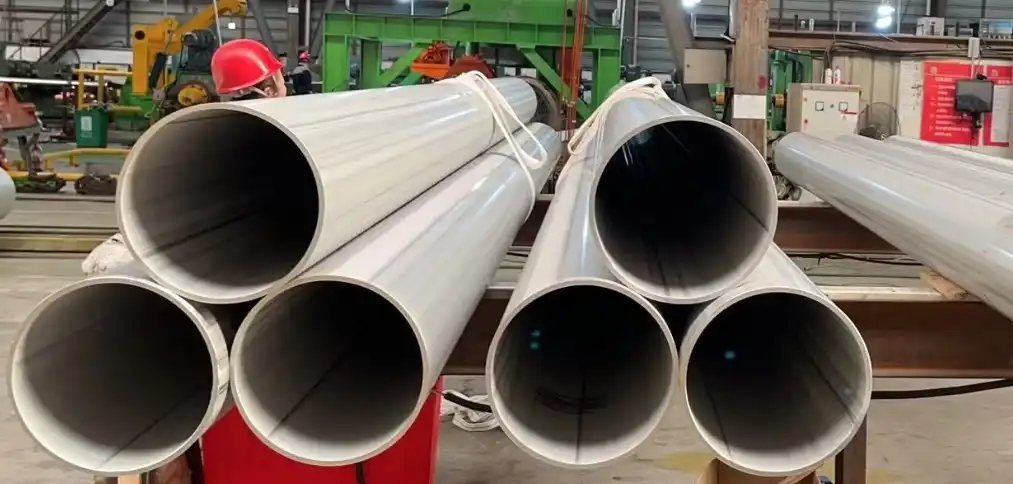
The main difference comes in how the products are made and how well they work as a result. Seamless A312 pipes don't have weak spots in the welds, so they are better for high-pressure systems in petroleum processing that need to be as structurally sound as possible for hydrogen sulfide service. For long lengths of continuous process piping, welded A312 versions strike a good mix between performance and cost-effectiveness. Plate rolling and fusion welding are used to make A358 pipes, which are used in situations where the pressure cycles are mild and the corrosion exposure is managed. When buying, teams understand these subtleties, they can choose materials that meet the needs of operations and stay within budget.
Key Factors to Consider When Choosing Between A312 and A358 Pipes
Operating Conditions and Performance Requirements
Temperature and pressure are the main factors that determine which pipe standard to use. A312 stainless steel pipe works great in places hotter than 400°C where thermal cycling causes creep stress, like in steam generation systems and thermal cracking units. The austenitic structure of the material keeps it flexible at cold temperatures as low as -196°C, so it can be used in a wide range of situations. Pressure ratings are based on wall thickness schedules that range from 5S to 80S. For important pressure limits, higher allowed stress values are found in seamless construction. When working with acidic substances like sulfuric acid, chloride-containing solutions, or polythionic compounds, you need to choose the right grade. TP316L has better resistance to pitting thanks to its molybdenum alloying.
Cost Implications and Budget Management
Budgets for buying things need to include prices for materials, assembly, and use over time. Because they are harder to make, seamless A312 pipes cost more, but they last longer and need less upkeep, so they're worth it. Welded A312 options lower the original cost of capital while still meeting the requirements for general corrosive service. For large-diameter, low-pressure systems where buying in bulk makes price differences bigger, A358 pipes are the most cost-effective choice. To find the true total cost of ownership, smart buying strategies weigh the initial investment against the risks of operating downtime and the number of times that parts need to be replaced.
Compliance and Quality Assurance
Regulatory compliance is an important factor that can't be changed when buying something. The A312 and A358 standards both need material test reports (MTRs) that show how the heat number can be tracked, the chemical make-up can be confirmed through spectroscopic analysis, and the mechanical properties can be confirmed through tension and hardness testing. Solution annealing approval is important for A312 pipes to ensure they restore optimal corrosion resistance after they have been formed. Third-party inspection services check the limits for sizes, the quality of the surface finish (pickled and passivated or bright annealed), and the results of non-destructive tests like ultrasonic examination and radiographic inspection of weld cracks. Setting up seller relationships with qualified makers who hold ISO 9001, PED, and industry-specific qualifications lowers the risk of fake materials and ensures that project checks can trust the paperwork.
Practical Comparison: Case Studies and Performance Analysis
Petrochemical Processing: A312 Superiority
For a big project to expand a refinery along the Gulf Coast, pipes were needed for hydrodesulfurization units that work at 380°C and 65 bar pressure on high-sulfur oil. As required by engineering standards, A312 stainless steel pipe manufacturer A312 stainless steel pipe in grade TP321 (titanium-stabilized) had to be used to avoid sensitization and polythionic acid stress corrosion cracking. Weld joint problems were no longer a problem in important pressure tanks and pipes that connect to them because of seamless construction. After five years of nonstop use, ultrasonic thickness tracking showed almost no rust. This proved the choice of material and showed that the pipe could keep its structural integrity in harsh conditions that would have broken down carbon steel in months.
Municipal Water Infrastructure: A358 Cost Efficiency
As part of an upgrade project for a water treatment plant, 2 kilometers of worn-out carbon steel distribution pipes were replaced with corrosion-resistant stainless steel pipes.Engineers chose 24-inch diameter ASTM A358 Grade 304 EFW (electric-fusion-welded) pipes because the working pressurewas less than 10 bar and the temperature was normal. It was cheap to get large-diameter pieces with the fusion-welded building method, and the structure was expected to last for 50 years. A study of costs found that these specifications saved 35% of the cost of comparable A312 seamless specifications without lowering the performance standards for moving potable water. This case shows how to choose the right standards so that they meet practical needs and keep costs low.
Performance Analysis: Maintenance and Longevity
Comparing maintenance data from sites that make drugs shows that they have different life cycle patterns. Clean-in-place (CIP) systems that use A312 seamless lines with a bright annealed finish are easier to clean, which lowers the risk of bacterial colonization and shortens validation cycle times. The smooth internal bore, which is free of weld beads and heat-affected zones, reduces fluid retention and contamination, which is important for FDA compliance. On the other hand, utility steam lines made of A358 welded pipes work well enough for less demanding uses, as long as they are inspected regularly to keep localized corrosion on the weld surfaces under control. These real-life cases show that standard selection should be based on how important the application is, not on broad specs.
How to Identify, Source, and Verify Genuine ASTM A312 Pipes?
Identification and Documentation Verification
For real A312 stainless steel pipes, there are permanent marks that show the standard, grade, schedule or wall thickness, manufacturer, and heat number that can be tracked. Stenciled lines should stay readable and match up perfectly with the MTRs that go with them. In order to check the documentation, the chemical composition of chromium (18.0–20.0% for TP304 and 16.0–18.0% for TP316), nickel (8.0–11.0% for TP304 and 10.0–14.0% for TP316), and molybdenum (2–3% for 316 grades) must be compared to the standards given in the ASTM A312 tables. A measurement check shows that the NPS size is within the limits set by ASME B36.19 for both the outside diameter and the wall thickness. Discrepancies show that the materials might be fake and need to be thrown away.
Laboratory Testing and Quality Confirmation
Using X-ray fluorescence analyzers for positive material identification (PMI) speeds up the screening of elements at the receiving check. For full proof, tensile testing is needed to make sure that the minimum yield and final strength values, as well as the elongation rates and hardness readings, are in line with the grade requirements. Testing for intergranular rust according to ASTM A262 Practice E checks how easily low-carbon (L) types can become sensitized. Ultrasonic testing finds internal cracks without damaging the structure, and dynamic pressure testing makes sure the structure is strong at certain working pressures. These high standards make sure that the material is real and can do its job.
Supplier Evaluation and Sourcing Strategy
To find suitable sources, you have to look at their manufacturing skills, certification portfolios, and how reliable their supply chains are. Our production facilities at JS FITTINGS are equipped with advanced testing equipment, such as spectral analyzers for chemical verification and automatic acoustic flaw detection systems. We keep our ISO 9001 quality management certification and approvals from major energy companies that are specific to our business. This shows that we are committed to always delivering quality. Our inventory management system keeps A312 pipes in stock in grades TP304/304L, TP316/316L, TP321, and Duplex 2205 for scheduling 5S through 80S. This lets us quickly meet the needs of urgent projects. Dual approval as 304/304L and 316/316L gives buyers more options, mixing standard-grade strength with benefits for low-carbon welding.
Purchasing departments can get better results by working together with makers who can make things in non-standard sizes, with special styles on the outside, and with faster production times. With our optimized production schedules, our ASTM A312 pipe is ready to ship with a large stock available. Our engineering support also helps with the best choice of materials by giving expert advice on the right grade, making suggestions for fabrication, and making compliance paperwork. Our monthly capacity is over 90 containers, and we deliver on-time more than 95% of the time. This means that our bulk order programs offer savings for large orders while keeping quality standards uniform across shipments. This supply chain dependability is very important for EPC contractors who have to stick to tight building plans and for distributors who have to make sure they have enough inventory to meet customer demand.
Conclusion
Before choosing between ASTM A312 and A358 stainless steel pipes, you need to carefully consider the conditions of use, the performance needs, the budget, and any legal requirements. A312 stainless steel pipe is the most reliable material for high-temperature, high-pressure uses that require corrosion protection and structural stability. Alternatives to the A358 offer cost-effective options for medium-duty services where lowering costs is in line with meeting operating needs. For procurement to go well, technical requirements need to be weighed against total lifetime costs, seller qualifications, and processes for material verification. Working with seasoned makers gives you access to certified goods, technical know-how, and dependable shipping schedules that lower project risks and help you achieve business excellence.
FAQ
1. What distinguishes ASTM A312 from A358 pipes in practical applications?
For high-pressure and high-temperature service, ASTM A312 includes both seamless and welded austenitic pipes that are made to strict mechanical and physical standards. The ASTM A358 standard covers electric-fusion-welded pipes that are usually used in lower-pressure utility uses. There is a big difference between them in how they are made and how well they work. The A312 is more reliable for important process systems.
2. Can A312 and A358 pipes be used interchangeably in piping systems?
Substitution is completely based on the needs of the program. In terms of mechanical strength and pressure ratings, A312 pipes are better than A358 pipes. This means that replacing A358 pipes with A312 pipes is technically possible but not cost-effective. Upward change (A358 for A312) could mean that the design pressures and temperatures aren't met, which could be dangerous and break the code.
3. How do I verify authentic A312 pipe quality during procurement?
Ask for full MTRs that can be traced back to their heat sources, do PMI testing to make sure the elements are correct, check permanent pipe marks to make sure they meet specifications, and ask for third-party inspection certificates. Build ties with certified makers who have the right industry approvals to reduce the risk of fake goods and make sure of the authenticity of the paperwork.
Partner with JS FITTINGS for Your Stainless Steel Pipe Requirements
JS FITTINGS has been making certified goods for 43 years, so procurement workers looking for a trusted A312 stainless steel pipe manufacturer can count on them. We have a large selection of A312 pipes in types TP304/304L, TP316/316L, TP321, and TP347, both seamless and welded. We also have A358 replacements for more cost-effective options. To make sure that all of the pipes meet ASME, DIN, and JIS standards, they are fully solution annealed and put through a series of strict tests, including spectral analysis, ultrasound examination, and hydraulic pressure testing. We ship more than 90 containers every month to EPC contractors, resellers, and industrial end-users in over 30 countries, and we always make it on time more than 95% of the time. Email our technical team at admin@jsfittings.com to talk about the details of your project and get reasonable quotes for approved stainless steel pipe options.
References
1. ASTM International. "ASTM A312/A312M-21: Standard Specification for Seamless, Welded, and Heavily Cold Worked Austenitic Stainless Steel Pipes." Annual Book of ASTM Standards, Vol. 01.01, 2021.
2. ASTM International. "ASTM A358/A358M-19: Standard Specification for Electric-Fusion-Welded Austenitic Chromium-Nickel Alloy Steel Pipe for High-Temperature Service." Annual Book of ASTM Standards, Vol. 01.01, 2019.
3. American Society of Mechanical Engineers. "ASME B36.19M-2018: Stainless Steel Pipe." ASME Standards Collection, 2018.
4. Davis, J.R. "Corrosion of Weldments." ASM International Handbook Series, Materials Park, OH, 2006.
5. Baddoo, N.R. "Stainless Steel in Construction: A Review of Research, Applications, Challenges and Opportunities." Journal of Constructional Steel Research, Vol. 64, No. 11, 2008, pp. 1199-1206.
6. Redmond, J.D., and Sridhar, N. "Material Selection for Corrosive Environments in the Oil and Gas Industry." Corrosion Engineering Handbook, Third Edition, CRC Press, 2012.
Send Inquiry
Related Industry Knowledge
- What is ASME B16.5: A Guide to ASME B16.5 carbon steel flange
- Sourcing Custom Steel Flange: A Buyer’s Guide to Working with a Manufacturer
- What Facing Types Suit a Carbon Steel Forged Steel Flange?
- FBE vs 3LPE vs CWC for Underground and Subsea Applications
- What Are Slip-On Flanges?
- ANSI Pipe Flanges Dimensions and Selection Guide for 2026
- Carbon Steel Buttweld Reducer for High-Pressure Pipelines
- ASME B16.9 Buttweld Tee Dimensions and Weight Guide
- Do blind flanges require hydrotesting?
- What specification is the carbon steel black pipe?