
Benefits of Using A312 stainless steel pipe In Various Industries






2026-07-07 10:21:01
A312 stainless steel pipe is very resistant to corrosion and provides long service life at elevated temperatures across many industrial sectors. Manufactured in accordance with ASTM standards, this austenitic stainless steel pipe system can withstand harsh chemical environments, high temperature changes, and rough fluid flow conditions that would quickly break down carbon steel options. In places like petrochemical plants and pharmaceutical clean rooms, choosing A312 types like TP316L or TP321 cuts down on downtime, increases service life to more than 25 years, and ensures regulatory compliance. A312 piping is a widely used choice for EPC builders, distributors, and building managers who care about the safety and success of long-term projects because it can be built without any problems, can be delivered on time, and can be certified in two different ways.
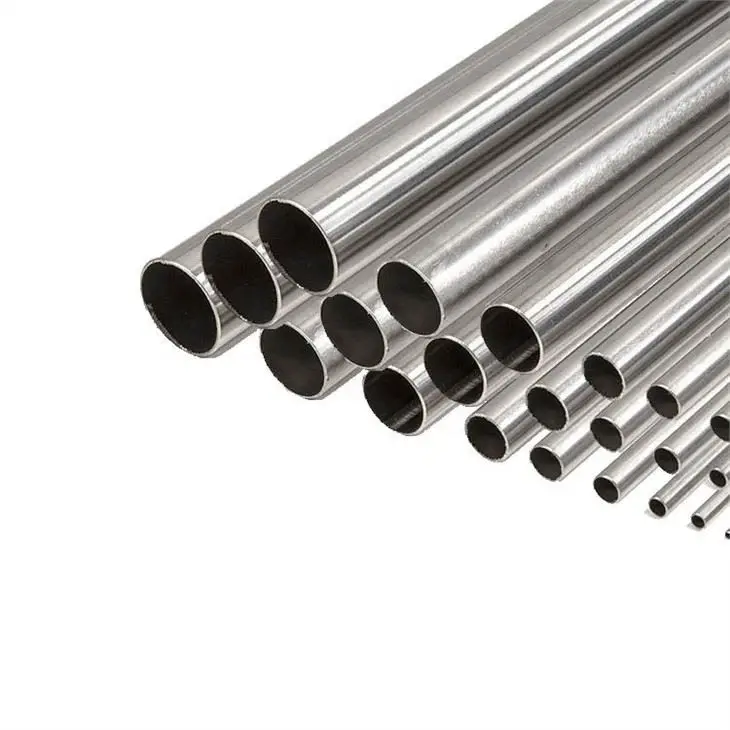
Understanding A312 Stainless Steel Pipe: Specifications and Properties
The ASTM A312 stainless steel pipe standard sets the standards for austenitic stainless steel pipes that can be either seamless or welded and are meant to carry fluids and gases at high temperatures and pressures. In contrast to structural tubes, A312 products meet the nominal pipe size designations defined in ASME B36.19. This means they can be used with normal industrial plumbing systems. This standard covers a number of different grades of austenitic steel. After being formed, each grade is solution-annealed to dissolve carbides and recover corrosion resistance.
Common Grades and Chemical Composition
To choose the right material, you need to know what chemicals are in each grade. TP304 and TP304L are comprised of approximately 18% chromium and 8% nickel, providing exceptional corrosion resistance and easy to shape. TP316 and TP316L both have molybdenum added to them, which is 2% to 3%. This molybdenum stops chloride from causing pitting and crevice corrosion, which is why it is essential for marine, salinity, and coastal infrastructure projects. Titanium is used as a stabilizing element in TP321 to stop intergranular rust when it is welded or exposed to temperatures between 800°F and 1500°F for a long time. TP347 controls carbide formation in a similar way by stabilizing columbium and tantalum. Duplex 2205 is a duplex stainless steel grade that is typically covered under separate duplex pipe specifications rather than ASTM A312. It has both austenitic and ferritic microstructures.
Mechanical Properties and Performance Data
For normal grades, A312 pipe has a minimum tensile strength of 75 ksi (515 MPa) and a minimum yield strength of 30 ksi (205 MPa). It also has an elongation value greater than 35% to make sure it can be bent during installation and heat expansion cycles. Low-carbon L-grade types like TP304L and TP316L keep the carbon content below 0.035%. This lets you weld without doing a post-weld heat treatment and stops weld decay in sensitive areas. The austenitic crystal structure stays tough even at cryogenic temperatures, making it highly effective for uses like liquefied natural gas transfer lines and cold storage.
Industrial Applications Across Critical Sectors
TP316L is used in hydrodesulfurization units in petrochemical plants because it is resistant to polythionic acid stress corrosion cracking, preventing catastrophic pipeline failures. Thermal power plants use TP321 for high-pressure steam pipes and wastewater return systems because it is strong enough to not crack at temperatures close to 1200°F. Pharmaceutical companies need seamless A312 stainless steel pipe with bright annealed surface finishes to facilitate Clean-in-Place (CIP) processes and keep microbes from sticking to aseptic processing lines. Electropolished A312 pipes are used in food and drink facilities to keep the movement of thick products clean and free of flavor contamination. Duplex 2205 pipes, supplied under duplex stainless steel standards, are widely used on offshore oil rigs because they can handle seawater, hydrogen sulfide, and mechanical force from waves.
Why Choose A312 Stainless Steel Pipe? Core Benefits Explored
Choosing the right material for pipes has a direct effect on project costs, upkeep plans, and the safety of operations. Because of its metallurgical engineering, industrial accuracy, and lifetime economics, A312 stainless steel pipe has clear benefits over other materials.
Superior Durability and Corrosion Resistance
The chromium-rich passive oxide layer on the surface of A312 can fix itself when it gets scratched. This keeps the base metal safe from oxidizing acids, alkaline solutions, and salty environments. A312 pipe stays structurally sound for decades without requiring external protective measures, whereas carbon steel demands protective coatings and cathodic protection systems. Field data from Gulf Coast refineries shows that A312 TP316L installations have been used in sulfuric acid alkylation units for more than 30 years with almost no wall thickness loss. A312 is one of the commonly used materials for desalination plant pipes and marine cooling water systems, where corrosion resistance is critical.
Certified Safety and Quality Assurance
To get a uniform austenitic microstructure, each batch of A312 pipes is typically solution-annealed at temperatures in the range of approximately 1900–2100°F and then rapidly water-cooled. This required heat treatment breaks down the chromium carbides that form during welding. This restores the intergranular corrosion protection that is important for sour service uses. Material test reports from manufacturers show that the material has been correctly identified, has passed mechanical tests, and has a chemical makeup that has been confirmed by optical emission spectroscopy. Third-party inspection agencies watch as the goods are put through hydraulic testing, ultrasonic examination, and eddy current inspection to make sure they are free of laminations, inclusions, and weld seam flaws before they are shipped.
Lifecycle Cost Analysis and Economic Value
The initial prices of materials only make up 15 to 20 percent of the total costs of ownership over a 25-year period. A312 piping gets rid of the need to change coatings on a regular basis, lowers insurance rates by making safety records better, and cuts down on unexpected shutdowns caused by corrosion. When compared to carbon steel with protective coatings, A312 has a breakeven payback time of 7 to 9 years, taking into account the costs of labor for upkeep, lost production during fixes, and cleaning up after leaks. Engineering companies that work with local water officials say that switching from coated carbon steel to A312 TP304L has cut costs by 35% over the life of the product and made it last 50 years instead of 20.
Versatility in Manufacturing and Customization
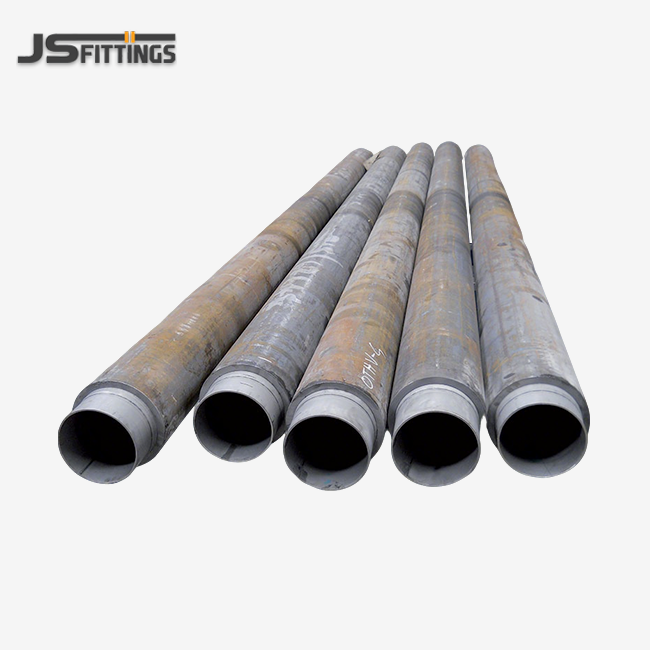
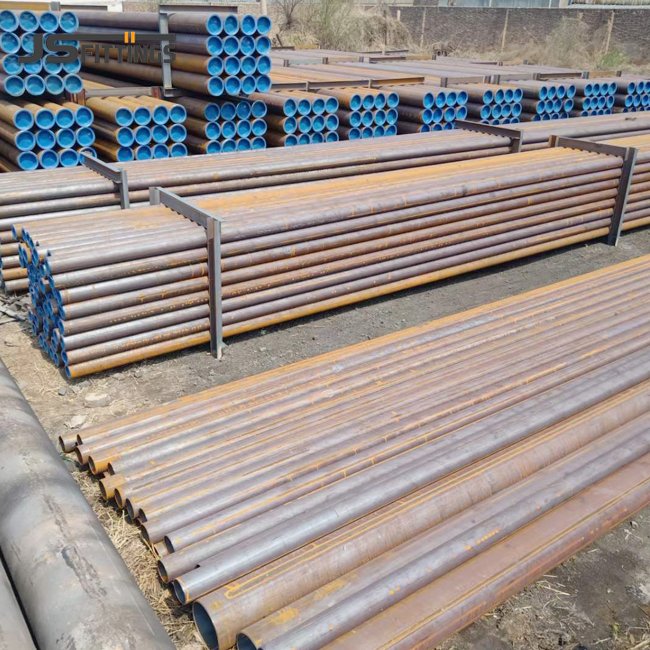
Buyers can choose between seamless and welded A312 goods to meet their performance needs and stay within their budgets. When hot piercing and pilgering are used to make seamless pipes, lengthwise weld seams are eliminated. This gives the pipes even strength under varying loads, which is important for high-pressure steam heads and hydraulic circuits. Welded pipes made from coiled strip and fusion-welded offer cost savings for medium-pressure utility distribution while still meeting the same mechanical property standards after welding. Schedule choices from 5S to 80S can handle pressures from 150 psi to 3000 psi, and the choice of wall thickness is based on estimates from the ASME B31.3 process pipe code. Custom lengths, bevelled ends, and unique heat lot tracking help complete an EPC job without any problems.
Because of these technical and financial benefits, ASTM A312 stainless steel pipes are the optimal choice for chemical industry applications where balancing for procurement professionals who need to balance a large initial investment with long-term operating excellence and risk reduction.
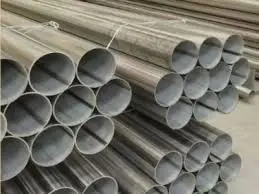
Comparative Analysis: A312 vs. Alternative Pipes
When choosing a material, it's important to carefully compare its technical specs, performance traits, and cost. Knowing the differences between A312 stainless steel pipe and other pipe standards helps you make smart purchasing choices that meet the needs of your particular project.
A312 versus A213 Tubing
For boilers, superheaters, and heat exchanges, ASTM A213 sets the rules for seamless ferritic and austenitic alloy steel tubes. A213 products have similar grade names, but they have exact outside diameter and wall thickness standards that are good for thermal transfer uses. On the other hand, A312 products use nominal pipe size norms that are better for moving fluids. When heat transfer efficiency is important, pressure tank designers choose A213, and when volumetric flow capacity and threaded or welded connections are important for pipe layout, process engineers choose A312. Different mechanical testing methods are used. For example, A213 needs tests of flattening and flaring to make sure the material can bend during forming processes that aren't usual in pipe installs.
A312 versus A358 Welded Pipe
ASTM A358 covers austenitic chromium-nickel metal pipes that are welded with electric fusion for use in high-temperature, corrosive environments. A358 allows for larger diameter production through plate making and submerged arc welding, which makes it possible to make pipes bigger than 48 inches, which isn't possible for seamless manufacturing. Both standards require solution annealing, but A358 offers options such as Class 1 (double-welded with 100% radiography) and Class 2 (double-welded without radiography) to align with specific project inspection and budget requirements.
This gives you options for less important service settings. A312 is chosen by procurement teams for important process lines that need to be built without any seams or have been shown to be weldable in orbital TIG applications. A358 is saved for large-diameter low-pressure ducts and storage tank pipe.
A312 versus Carbon Steel Piping
Carbon steel is cheaper to make, but it needs protective coatings, sacrificial anodes, and rust limits built into the wall thickness estimates. While A312 types stay strong up to 1500°F, carbon steel is generally limited to lower-temperature service depending on grade and design conditions. When working with acids, caustics, or chlorine compounds in chemical processes, carbon steel breaks down faster and needs to be replaced every 5 to 8 years, while A312 installations last longer and last longer than 25 years. When energy plants switch from carbon steel to A312 TP316L in their flue gas desulfurization systems, they report 90% lower upkeep costs and no more unplanned power outages due to pipe failures.
Practical Procurement Considerations
The markets for stainless steel pipes around the world keep a large stock of A312 standard grades through direct mill links and authorized distributors. Minimum order quantities range from a single piece from wholesalers to 10 tonnes of steel from mills, so they can handle both restocking for upkeep and large-scale new construction. Lead times range from being available right away for normal schedules in TP304L and TP316L to 8 to 12 weeks for special grades like Duplex 2205 or measurements that aren't standard. Base metal fees linked to nickel and molybdenum supply markets affect prices. TP316L usually costs 20–25% more than TP304L. Mills in the United States and Asia that are certified to ASTM standards fight not only on price but also on quality, shipping reliability, and expert support.
Conclusion
Choosing A312 stainless steel pipe lowers risks, saves money, and guarantees success in a wide range of industry settings. Proven resistance to rust, a wide range of grades, and strict quality standards all work together to meet important buying goals like meeting project deadlines, making sure safety rules are followed, and maximizing lifecycle costs. Finding seamless TP316L for offshore platforms or welded TP304L for city water systems is easier when you know what the specifications need, what the suppliers can do, and what the new trends are in the industry. As rules about the environment get stricter and investments in infrastructure speed up, A312 pipe systems set up facilities to run reliably for decades with little upkeep and maximum uptime.
FAQ
1. What distinguishes A312 pipe from A213 tubing specifications?
As per A312 stainless steel pipe standards, pipes are made to a nominal pipe size for fluid transport systems. On the other hand, A213 standards cover tubing with exact outside diameter and wall thickness specs that are best for use in heat exchangers and boilers. A312 is used for threaded and flanged connections in process pipes, while A213 is used for heat transfer equipment that needs precise control over dimensions. Both standards use the same austenitic grades, but they have different rules for mechanical tests that are based on the different settings they are used in.
2. How can buyers verify authentic A312 material quality before purchase?
Ask for approved material test reports that list heat numbers, chemical makeup analyses, mechanical property test results, and proof that the treatment was solution annealing. Check that the laser-etched heat numbers on the pipe sides match the information on the certificate. Use compact X-ray fluorescence analyzers to find out exactly how much chromium, nickel, and molybdenum are in an object. Look at inspection records from the mill that prove hydrostatic tests and non-destructive examination. Find suppliers that are ISO 9001 certified and have been accepted as a vendor by a big energy company.
3. What factors most significantly influence A312 pipe pricing?
Nickel, chromium, and molybdenum base metal prices change with the world market, which has a direct effect on raw material fees. The way the product is made (seamless vs. bonded) affects the price; for important uses, seamless costs more. Through economies of scale in arranging production and delivery, the number of orders affects the cost per unit. Choosing the right grade is important because TP316L with molybdenum costs 20–25% more than TP304L. Changes in the market, such as taxes, exchange rates, and regional supply and demand levels, cause prices to vary, which is why open quotation practices are needed.
Partner with JS FITTINGS for Reliable A312 Stainless Steel Pipe Supply
JS FITTINGS has been making high-quality products for 43 years and can help you with your important pipe jobs. As an ISO 9001, GOST-R, and ADNOC-certified provider of A312 stainless steel pipes, we offer fully solution-annealed, dual-certified goods that meet the strict needs of petrochemical, pharmaceutical, and infrastructure uses. With a yearly capacity of 30,000 tonnes, we can handle both big EPC projects and wholesaler stocking programs. We also have a 95% on-time delivery rate and full mill documentation. Whether you need seamless TP316L for offshore platforms or welded TP304L for food processing plants, our expert team can help you choose the right material, give you choices for custom fabrication, and provide quick service at admin@jsfittings.com. Feel confident when you work with a reliable company that makes A312 stainless steel pipes and wants your project to succeed.
References
1. ASTM International. (2023). Standard Specification for Seamless, Welded, and Heavily Cold Worked Austenitic Stainless Steel Pipes. ASTM A312/A312M-23.
2. American Society of Mechanical Engineers. (2022). Process Piping: ASME Code for Pressure Piping, B31. ASME B31.3-2022 Edition.
3. Davis, J.R. (2024). Corrosion of Stainless Steels: Third Edition. ASM International Handbook Committee.
4. National Association of Corrosion Engineers. (2023). Material Selection for Oil and Gas Production Systems: Stainless Steel Piping Applications. NACE International Publication 5A171.
5. Sedriks, A.J. (2022). Corrosion Resistance of Austenitic Stainless Steels in Industrial Process Environments. Journal of Materials Engineering and Performance, Volume 31, Issue 8.
6. Chemical Processing Magazine. (2024). Lifecycle Cost Analysis of Piping Materials in Corrosive Service: A Comparative Study. Industrial Media Chemical Processing Editorial.
Send Inquiry
Related Industry Knowledge
- What is ASME B16.5: A Guide to ASME B16.5 carbon steel flange
- Carbon Steel Buttweld Reducer Material Standards Explained
- ASTM A53 ERW vs Seamless Pipe: Strength and Usage Comparison
- CRA Clad Line Pipe for Subsea and Offshore Pipelines
- ANSI Pipe Flanges Dimensions and Selection Guide for 2026
- Lap Joint Pipe Flanges: Everything You Need to Know
- A105 Carbon Steel Forged Steel Flange for Refinery Piping
- Lap Joint Pipe Flanges: How and When to Use Them
- What Are the Types of Buttweld Elbows in ASME B16.9 Systems?
- What are butt weld fittings?