
Carbon Steel Concentric Buttweld Reducer Buying Guide






2026-05-22 09:23:39
To choose the correct carbon steel concentric buttweld reducer, you need to know about limits for size, the ability to track materials, and performance standards that are specific to the application. This detailed guide covers important buying factors for industrial buyers, such as making sure the product meets ASME B16.9 standards and making sure the wall thickness is consistent and the weld bevel quality is good. This guide shows you how to choose buttweld reducer fittings that make connections that don't leak, reduce flow turbulence, meet international safety standards, and keep project costs low, whether you're an EPC contractor in charge of installing multi-phase pipelines or a distributor making sure your stock is always reliable.
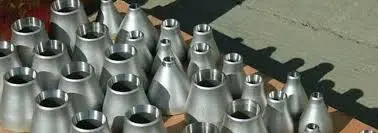
Why Material Selection Defines Performance in Buttweld Pipe Reducers
Carbon steel is the most common material used for industrial pipes because it is strong for its price and can handle high pressures. When looking at a butt-weld pipe reducer, the grade of the material has a direct effect on how well it works mechanically when exposed to heat and corrosion.
For general-purpose carbon steel uses, ASTM A234 WPB is still the standard. This grade is commonly used for temperatures up to around 400°C, depending on design code allowable stress limits (e.g., ASME B31.3). For locations below zero, such as LNG ports, ASTM A420 WPL6 offers impact toughness down to -46°C, preventing brittle fractures that can weaken pipeline integrity.
Alternatives to A234 steel, such as WP11 and WP91, are used in high-temperature refineries. Compositions of chromium and molybdenum in these grades offer improved creep resistance at elevated temperatures, typically used in the range of 500–650°C depending on grade and design conditions. These materials are used in power plants that deal with very hot steam and need to keep their shape over thousands of thermal cycles.
ASTM A403 WP316L stainless steel options can handle corrosive media in chemical processes. The molybdenum percentage of 2% to 3% makes the material less likely to pit in places with a lot of chloride. The non-reactive surface keeps things from getting dirty, which is good for pharmaceutical and food-grade setups.
Every package of a carbon steel buttweld reducer must come with a material certificate that meets the requirements of EN 10204 3.1. These papers show that chemical composition and mechanical qualities have been tested and certified by the manufacturer’s authorized inspection representative in accordance with EN 10204 3.1. To stop material substitution fraud, procurement teams should compare the heat numbers on test results with the markings stamped on the carbon steel buttweld reducer.
Concentric vs Eccentric Design: Matching Configuration to System Requirements
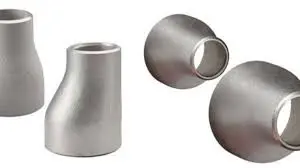
The difference in shape between concentric and eccentric buttweld concentric reducers affects how they work hydraulically and where they should be installed. Concentric designs keep the centerlines of the inlet and exit diameters straight. This gradual reduction ensures smooth flow, which is very important for vertical pipe runs in distillation columns and reactor vessels.
When you set up an eccentric buttweld reducer, the centerlines are off-center, and one side is flat. This unevenness stops air pockets from forming in horizontal pump pressure lines, which is a main reason why cavitation damage happens. Putting in eccentric reducers "flat side up" lets trapped gases escape, which protects the rotor surfaces from bubble collapse that wears them down.
For drainage purposes, the product must be installed flat-side-down. This is how gravity-driven systems in wastewater treatment plants keep sediment from building up at changeover points. The sloped profile keeps the self-scouring speed up, which means that repair needs are less often.
One benefit of concentric designs that is often ignored is that they reduce noise. When you have symmetrical flow contraction, vortex shedding, and pressure pulses that cause mechanical shaking are kept to a minimum. Studies in acoustics show that concentric reducers can reduce flow-induced noise compared to abrupt diameter changes, depending on system conditions.
Flow modelling shows that concentric reducers help minimize pressure drop compared to sudden diameter changes, with actual values depending on flow conditions and system design across a wide range of common industrial speed ranges. Due to uneven flow separation, eccentric designs cause an extra loss of 0.05-0.10 bar. These hydraulic penalties should be taken into account when figuring out the lifetime cost of pumping systems that use a lot of energy.
Wall width changes when material is removed during forming. It thins out evenly in concentric reducers, but it puts most of the stress on the side that is shifted in eccentric types. Ultrasonic thickness mapping finds weak spots before installation, which keeps things from breaking down too soon in cycle pressure service.
Dimensional Standards and Tolerance Requirements
ASME B16.9 sets limits on the sizes of buttweld reducers so that they can be used anywhere in the world. For sizes up to 24 inches, this standard defines dimensional tolerances based on specific size ranges rather than percentage values, as detailed in the standard tables. End-to-end center lengths are calculated using methods that are based on changes in nominal pipe size.
Wall thickness is based on schedule rates. Standard-weight pipe is shown by SCH 40, while higher pressure classes require walls that are twice as thick (SCH 80). XXS (double extra strong) schedules are used in harsh, high-pressure applications, with allowable pressure determined by material properties, wall thickness, and design calculations. To keep stress levels even at welded joints, buyers must specify schedule ratings that match the neighbouring piping.
When you use seamless construction, there are no longitudinal weld seams, which are the weakest part of welded options. With hot-forming, solid billets are shaped into reducers without any fusion zones being created. Seamless construction eliminates longitudinal weld seams, while properly manufactured and inspected welded fittings can achieve comparable performance when meeting applicable standards.
Welded seam reducers are good for large-diameter uses where making smooth parts would be too expensive. Plate rolling and circular welding are usually used for sizes bigger than 24 inches. Radiographic testing checks the quality of the weld by finding holes or areas of incomplete fusion that can't be seen with the naked eye.
The bevel angles at the ends of the welds meet the requirements of ASME B16.25. Standard 37.5-degree bevels with 1.6 mm root faces improve the depth of welds in both austenitic and ferritic materials. Machined bevels get rid of mill scale and make sure that the roots are open enough for backing gas in stainless steel uses.
Length variations impact fit-up during field installation. ASME permits ±3mm tolerance on center-to-end dimensions. Tighter tolerances reduce onsite trimming, cutting labor costs during pipeline assembly in remote locations.
Quality Control Measures That Protect Your Investment
Wall thickness verification prevents catastrophic in-service failures caused by excessive material thinning during the reducer's forming process.Reputable buttweld pipe reducer manufacturers employ automated ultrasonic scanners measuring thickness at 10mm intervals across the reducer profile. Acceptance criteria must meet minimum wall thickness requirements as defined by applicable standards and design specifications for the nominal schedule rating, accounting for manufacturing tolerances and corrosion allowance.
Hydrostatic pressure testing validates structural integrity. Test pressures reach 1.5 times the design pressure rating, held for a minimum of 10-second durations. Visible leakage or permanent deformation triggers rejection. This destructive sampling approach—testing may be performed on a sampling basis depending on manufacturer quality programs or project specifications—ensures batch consistency.
Chemical composition analysis through optical emission spectrometry confirms material grade authenticity. Carbon, manganese, sulfur, and phosphorus levels directly affect weldability and toughness. Sulfur content above 0.035% increases hot cracking susceptibility during welding operations.
Mechanical property testing measures tensile strength, yield point, and elongation percentage. Room-temperature tests per ASTM A370 verify the material meets minimum strength requirements. Charpy impact testing at service temperatures assesses notch toughness, particularly critical for low-temperature applications.
Non-destructive examination techniques include liquid penetrant testing for surface defects and magnetic particle inspection for subsurface flaws in ferromagnetic materials. These methods detect manufacturing imperfections—forging laps, quench cracks, or hydrogen-induced fissures—invisible to naked-eye inspection.
Traceability systems link finished products to raw material heat numbers. Laser etching or electrolytic marking survives surface treatments, maintaining identification through fabrication and installation phases. This cradle-to-grave documentation supports failure analysis investigations and regulatory compliance audits.
Application-Specific Selection Criteria for Different Industries
Pump suction piping in oil and gas facilities demands eccentric buttweld reducer application with calculated net positive suction head (NPSH) margins. Installing reducers too close to pump inlets may increase cavitation risk; recommended distances depend on pump manufacturer guidelines and hydraulic design to avoid flow disturbances. Hydraulic modeling software predicts velocity profiles, optimizing reducer placement to maintain NPSH above manufacturer specifications.
Vertical process towers in petrochemical plants require concentric reducers to distribute feed streams uniformly. Asymmetric flow entry causes preferential channeling, reducing tray efficiency and product separation quality. Computational fluid dynamics validates reducer sizing, ensuring Reynolds numbers remain within turbulent flow regimes that promote mixing.
Steam power generation systems subject butt-weld reducer fittings to severe thermal transients. Startup cycles impose temperature ramps exceeding 100°C per hour, generating differential expansion stresses. Creep-resistant alloy grades with 0.5% chromium additions maintain strength during prolonged exposure to 540°C steam temperatures.
High-purity pharmaceutical systems demand electropolished stainless steel reducers with a pristine surface roughness below 0.4 Ra micrometers. Smooth internal finishes prevent bacterial adhesion and facilitate CIP (clean-in-place) validation. Dead-leg elimination through proper reducer orientation maintains sterile conditions throughout processing equipment.
Cryogenic LNG terminals utilize impact-tested low-temperature carbon steel (e.g., ASTM A420 WPL6), which is typically qualified down to around -46°C, while cryogenic applications near -196°C require specialized materials such as austenitic stainless steels. Ductile-to-brittle transition temperatures must fall below minimum operating conditions to prevent fracture during cooldown procedures. Heat treatment may be applied where required by material specifications or design codes to relieve residual stresses from cold forming operations.
Cost Optimization Without Compromising Safety Standards
Bulk purchasing agreements with buttweld reducer suppliers reduce per-unit costs through economies of scale. Annual contracts specifying minimum order quantities unlock 15-25% price reductions compared to spot purchases. Distributors maintaining consignment inventory eliminate emergency procurement premiums during project overruns.
Standardizing size ranges across projects simplifies inventory management. Limiting specifications to SCH 40 and SCH 80 in common NPS sizes (2", 4", 6", 8") concentrates purchasing power and reduces stockholding costs. Custom sizes should be reserved for truly unique applications where standard dimensions prove inadequate.
Material substitution analysis identifies opportunities for cost reduction without performance compromise. Upgrading from carbon steel to 304 stainless steel adds 300% material cost but eliminates painting expenses and extends service life by 400%. Lifecycle cost modeling reveals the true economic winner over 20-year evaluation periods.
Domestic versus import sourcing decisions balance price against lead time and quality consistency. Asian manufacturers offer 20-40% lower prices but introduce supply chain vulnerabilities—extended shipping durations, communication barriers, and variable quality control rigor. Regional suppliers provide faster response during project schedule compression.
Certification consolidation reduces administrative overhead. Suppliers offering dual ASME/EN certification eliminate duplicate testing expenses when projects span multiple jurisdictions. Single-source approvals streamline document control and expedite customs clearance.
Value engineering during design phases prevents over-specification. Specifying XXS schedules throughout systems introduces unnecessary weight and welding complexity where standard weights suffice. Hydraulic calculations should drive wall thickness selection rather than blanket conservatism.
Conclusion
Procuring carbon steel concentric buttweld reducers demands systematic evaluation of material grades, dimensional tolerances, and manufacturing quality indicators. Successful buyers balance upfront costs against lifecycle performance, selecting suppliers with proven testing protocols and certification transparency. Whether managing mega-projects or maintaining critical infrastructure, prioritizing precise bevel geometries, rigorous dimensional concentricity, and full material traceability protects your system against costly rework and catastrophic operational failures.Strategic partnerships with established manufacturers streamline procurement while ensuring compliance with evolving international standards.
Partner with JS FITTINGS: Your Trusted Industrial Pipe Fittings Manufacturer
JS FITTINGS delivers precision-engineered carbon steel buttweld reducer solutions, proudly backed by over 40 years of manufacturing excellence. Our ISO-certified production facilities maintain a 95% on-time delivery rate across more than 90 monthly container shipments of premium pipe fittings, ensuring your project timelines remain strictly intact. Every product includes EN 10204 3.1 mill certificates and undergoes rigorous ultrasonic wall thickness verification. Contact our technical team at admin@jsfittings.com to discuss your specific piping requirements and receive detailed quotations within one hour.
References
1. American Society of Mechanical Engineers (2023). ASME B16.9: Factory-Made Wrought Buttwelding Fittings. New York: ASME Press.
2. Davis, J.R. (2022). Carbon and Alloy Steels: Selection Guidelines for Piping Systems. Materials Park: ASM International.
3. European Committee for Standardization (2021). EN 10253-2: Butt-Welding Pipe Fittings – Part 2: Non-Alloy and Ferritic Alloy Steels with Specific Inspection Requirements. Brussels: CEN Publications.
4. Mohitpour, M., Golshan, H., & Murray, A. (2020). Pipeline Design and Construction: A Practical Approach (4th ed.). New York: ASME Press.
5. Nayyar, M.L. (2021). Piping Handbook (8th ed.). New York: McGraw-Hill Education.
6. Singh, R.K. & Verma, S. (2023). Industrial Pipe Fittings: Manufacturing Processes and Quality Assurance. London: Springer Engineering Publications.
Send Inquiry
Related Industry Knowledge
- Getting to Know ASTM A53 ERW Pipe: Characteristics & Uses
- What is an API 5L Seamless Steel Line Pipe?
- ANSI Pipe Flanges Dimensions and Selection Guide for 2026
- Slip-On Flanges: Types, Uses, and Installation Guide
- FBE Coated Steel Pipe: The Ultimate Guide (Process & Specs)
- Internal Burr Removed ASTM A53 ERW Pipe for Precision Applications
- How to Select the Right Buttweld Bend Radius (3D–20D)
- Buttweld Bend vs Elbow: Key Differences Explained
- Best Buttweld Elbow Materials for Corrosive Industrial Pipelines
- When to use threaded flanges?