
Does ASME require hydrotesting for a blind flange?






2026-05-20 10:52:19
When planning important repair shutdowns or pipe installations, buying teams often ask: Does ASME require blind flanges to be tested for hydrostatic pressure? The answer is not simple. According to the ASME B31.3 Process Piping Code, the hydrotesting Blind Flange rules mostly apply to the whole system of pipes, not just to individual parts. When blind flanges are placed as part of a pressure limit, they are usually hydrotested at the system level to make sure they are leak-tight and can handle the pressure. In contrast, the flange itself, as a made item, does not have to be hydrotested unless the buyer or the project specs say so. Knowing these differences helps buyers make smart choices that balance safety, compliance, and the speed of operations.
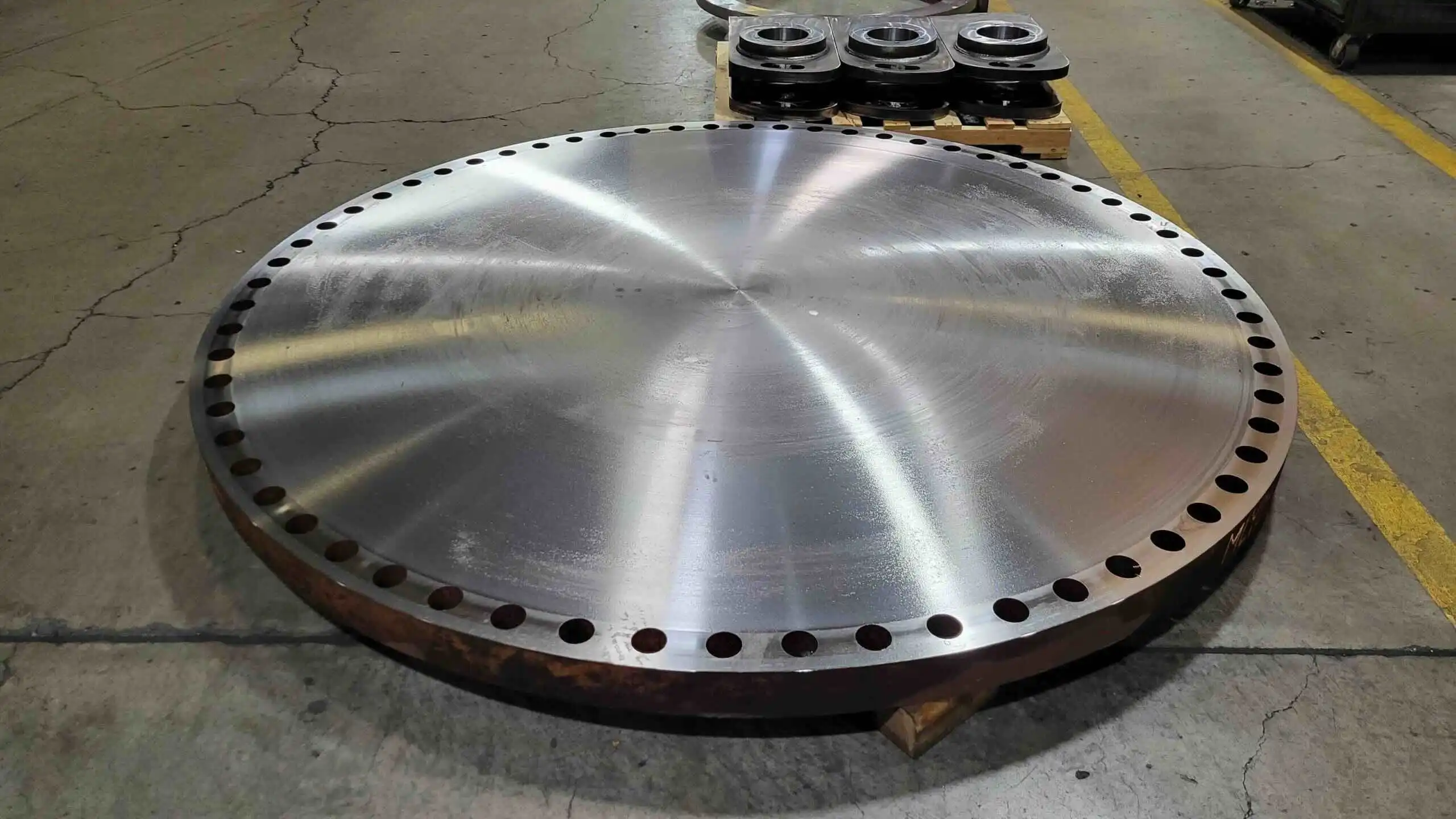
Understanding Blind Flanges and Their Role in Industrial Systems
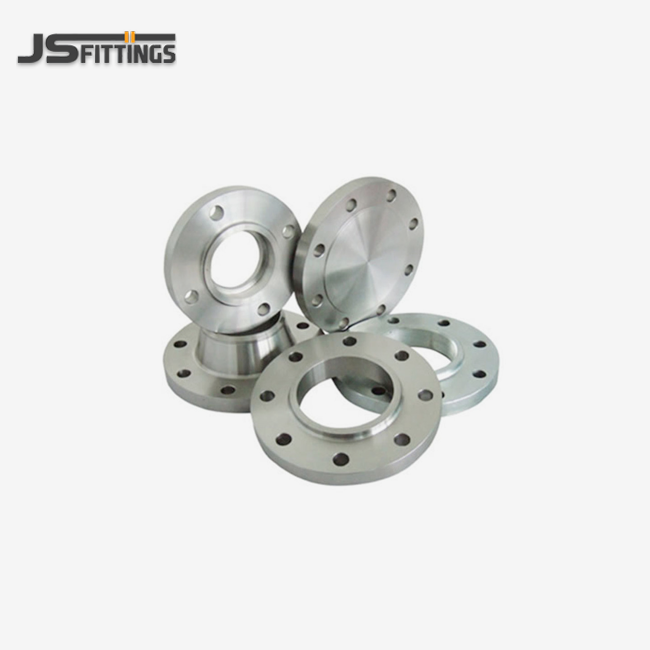
A blind flange is a solid disc made of forged steel that doesn't have a hole in the middle. Its job is to stop the flow in a pipe system or seal an opening in a pressure tank. A standard flange makes it possible for lines to join, but a blind flange closes off a system and can be either permanent or temporary. This part is very important for safety during hydrostatic pressure tests, maintenance isolation, and planning for future growth in fields like oil and gas, petroleum processing, power generation, and water treatment facilities.
Materials and Pressure Ratings
At JS Fittings, we make blind flanges out of carbon steel, stainless steel (304, 316, 321), and special materials so that they can work in a variety of settings. Each type of material meets different needs for protection against corrosion, temperature range, and mechanical power. We offer pressure classes from ASME Class 150 to 2500 and European PN values from PN6 to PN100. This makes sure that our products are compatible with world standards and project requirements.
Manufacturing Standards Compliance
We offer a full range of blind flange dimensions aligned with global manufacturing standards to accommodate projects of all scales. We make blind flanges that fully meet ASME B16.5 (for sizes up to 24 inches) and ASME B16.47 Series A and B (for sizes 26 inches and up). MSS SP-44, DIN, and EN 1092-1 are some other standards that give international projects more options. Our size ranges from NPS 1/2" to NPS 60", so we can fit everything from small instrumentation lines to trunk pipes with a big diameter.
Facing Options for Optimal Sealing
The shape of the face directly affects how well it seals and what kinds of applications it can be used for. The three standard types of face we offer are:
- Raised Face (RF): This is the most common choice for general industrial use. It has a slightly raised closing surface that concentrates gasket pressure to better stop leaks.
- Flat Face (FF): Made for low-pressure uses and cast iron flange joints where the stress on the bolt needs to be spread out evenly to keep it from cracking.
- Ring Type Joint (RTJ): This is the usual choice for high-pressure oil and gas service (Class 600 and above). It uses a metal ring gasket set in precisely machined grooves to make a strong seal even in harsh operating conditions.
These choices for the outside can be put together with customization options like tapped centers (NPT or BSP threaded) for drain connections, installing a pressure gauge, or adding vent points. This adaptability meets a range of operating needs while keeping the structure's integrity needed for safe pressure control.
Does ASME Require Hydrotesting for Blind Flanges?
The ASME Boiler and Pressure Vessel Code (BPVC) Section VIII and the ASME B31.3 Process Piping Code lay out the rules for checking industrial systems for pressure. The focus of hydrotesting standards is on the pressure vessel or pipe system as a whole, rather than testing every part as it is being made.
System-Level vs. Component-Level Testing
As required by ASME B31.3, when a blind flange is placed as part of a pipe system, it takes part in the system hydrotest. For this test, the system is usually filled with water and pressurized up to 1.5 times its design pressure for a set amount of time. During this test, the blind flange must keep its seal without leaking or changing shape. This checks the stability of the flange and the quality of the joint assembly. As a made part, however, blind flanges do not have to be individually hydrotested before shipping as required by ASME. Manufacturers can do hydrotesting on their own or as an extra service for customers who ask for it. This is especially true for important uses or large-diameter, high-pressure units where finding defects early greatly lowers the risk of failure.
When Hydrotesting Becomes Mandatory
Under certain circumstances, hydrotesting becomes necessary instead of optional:
- Owner Specifications: A lot of end users and EPC companies include component-level hydrotesting in their purchase orders to make sure the quality of the components before installation. This technique lowers the risk in the field and speeds up the launching process.
- Code Case Interpretations: Some ASME Code Cases or state laws may require more testing than what is required by the basic code. This is especially true in nuclear, underwater, or high-severity situations.
- Quality Assurance Programs: As part of the material tracking package, facilities with strict quality control systems (for example, ASME Section III nuclear components) usually need written hydrotest records.
- High-Pressure Classes: Because failures in the field at these pressure levels can be so disastrous, blind flanges rated Class 900 and higher are often hydrotested in the plant.
Alternative Non-Destructive Examination Methods
In some situations, ASME rules may allow non-destructive examination (NDE) methods to be used instead of hydrotesting under specific conditions and with proper approval. Radiographic testing (RT), ultrasonic testing (UT), magnetic particle inspection (MT), and liquid penetrant testing (PT) can find flaws on the part's surface or deep inside it without putting water pressure on it. These methods are especially helpful when hydrotesting is hard to do or when there is a chance that water pollution will happen in some service uses. At JS Fittings, we keep up-to-date testing tools like ultrasound flaw detection systems and spectral scanners for checking the quality of materials. Our quality control system is ISO 9001-certified, which means that every blind flange goes through a thorough inspection process, even if hydrotest paperwork is not needed. This gives you peace of mind that it meets or exceeds international blind flange dimensions standards.
Comparing Blind Flanges with Other Flange Types Regarding Hydrotesting
When compared to bored flanges, blind flanges are subject to very different mechanical forces, which affect the testing objectives and methods.
Stress Distribution Differences
A blind flange takes on all of the pressure inside the part that is pressing against its solid face. This makes the middle part move a lot. In weld-neck or slip-on flanges, pressure forces move through the pipe wall and across the flange hub. This is very different. Because blind flanges have a concentrated stress pattern, they need thicker materials. This is why they usually cost more per unit than bored flanges with the same rating.
Testing Protocol Variations
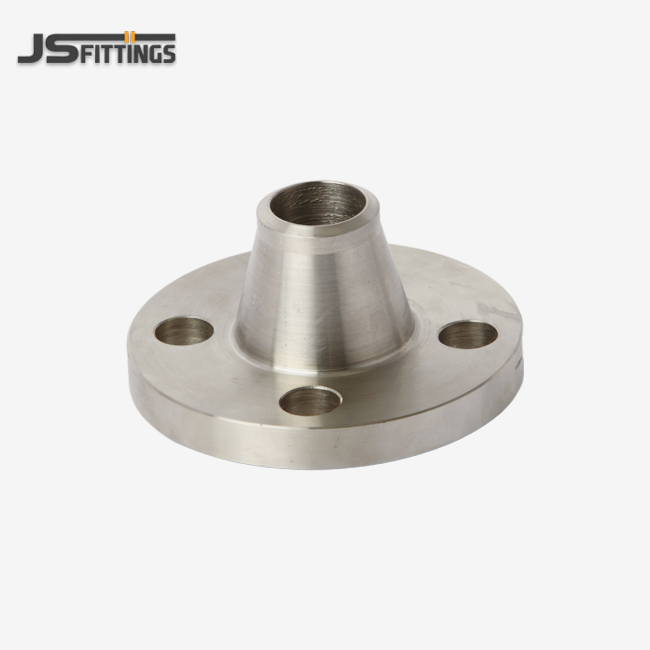
The tapered hub and butt-weld connection on weld-neck flanges relieve stress. Inspection requirements may vary depending on code and project specifications because the weld joint itself is scanned with X-rays or ultrasound. Because slip-on flanges can let water in at the fillet weld site, it is very important to do a hydrotest on the whole joint. Threaded flanges can only be tested at lower pressures and smaller sizes. They are not usually put through official hydrotesting, but they may be put through air testing at lower pressures.
Material Impact on Testing Frequency
Stainless steel blind flanges are better at resisting rust and staying stable, which may reduce certain corrosion-related risks, although inspection frequency is determined by service conditions and applicable codes. Even though carbon steel is cheaper, it may need to be inspected more often in places where it corrodes. Alloy steel types used in high-temperature service, like F11, F22, or F91, experience creep deformation over time. To make sure they stay safe over time, they require periodic inspection such as thickness measurement to ensure long-term integrity.
Procurement Insights: Sourcing Blind Flanges Compliant with ASME Standards
It takes careful source selection and paperwork checking to get reliable blind flanges that meet ASME standards. The following buying tactics help buyers keep costs down while minimizing risk.
Certification and Documentation Requirements
Material traceability packages from reputable makers include mill test records (MTRs) that meet EN 10204 3.1 or 3.2 standards. These papers show the chemical make-up, mechanical qualities, records of heat treatment, ASME B16.5 compliance, and results of dimensional inspections. When hydrotest reports are needed, they should include the test pressure, length, medium used, and acceptance criteria, along with the names and signatures of qualified people who saw and signed the report. Many foreign approvals have been given to JS Fittings, such as ISO 9001, CE marking, and GOST-R approval. We are an approved provider to national oil companies like Petrobras, NIOC (National Iranian Oil Company), and ADNOC (Abu Dhabi National Oil Company). This shows that we can meet the strictest buying needs in the world's energy markets.
Lead Time and Pricing Considerations
Most of the time, standard blind flanges made according to ASME B16.5 in common materials and pressure classes can be shipped right away or within a short wait time. ASME B16.5 blind flanges are a core stocked product line with large on-hand inventories to support rapid fulfillment for urgent project needs. Custom specs, like using special metals, non-standard sizes, or more testing needs, make production take longer and cost more per unit. Every month, we can make more than 700 tons of flanges thanks to an effective stocking system that keeps a deep stock of commonly requested sizes and rates.
Supplier Vetting and Quality Verification
A good supplier review looks at more than just prices. It also looks at the supplier's ability to make things, their quality processes, and how well they deliver. Some important factors for evaluation are:
- Production Capacity: Make sure the maker can meet the volume and timing needs of the project without lowering quality standards during times of high demand.
- Testing Infrastructure: Make sure that you have the right testing tools and trained staff on hand to do the necessary checks and give out certified reports.
- Quality Management Systems: ISO 9001 certification is a basic level of guarantee, while higher standards like API Q1 or PED certification show a more advanced quality mindset.
- Track Record: Ask for examples of similar projects that were completed under similar conditions and pressures, and look at how well they were delivered, how many problems they had, and how quickly they helped with support after the sale.
JS Fittings has a customer complaint rate of less than 0.5 percent and a return rate of more than 98%. This shows that we care about product quality and customer happiness. Our foreign trade team answers questions within an hour, which speeds up the process of getting quotes and technical clarifications to meet tight project deadlines.
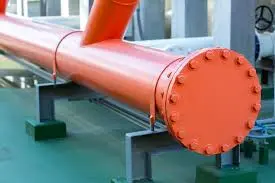
Best Practices for Installing and Maintaining Blind Flanges According to ASME Guidelines
Installing and maintaining blind flange systems correctly has a direct effect on how safe, reliable, and long they last. Following ASME guidelines lowers the chance of leaks and lowers the cost of long-term upkeep.
Gasket Selection and Installation
The material of the gasket has to be able to handle the pressure, temperature, and chemicals that will be used. Soft gaskets, like PTFE or compressed non-asbestos fiber, work best in normal conditions. Spirally wound or solid metal gaskets, on the other hand, are better for high-pressure or high-temperature uses. The gasket's sitting surface condition has a big impact on the integrity of the seal. Our precise CNC cutting produces exact serrated or smooth finishes that meet ASME B16.5 surface finish requirements (AARH standards). This makes sure that the gasket is properly compressed and eliminates leak paths that go around the seal.
Bolting and Torque Control
It is important that the material, size, and strength of the bolts match the pressure class and temperature grade of the flange.If you torque it too little, the seal won't be compressed enough, which could cause a leak. If you torque it too much, the bolt could break, or the flange could bend. The ASME PCC-1 "Guidelines for Pressure Boundary Bolted Flange Joint Assembly" has specific torque tables and tightening steps that make sure the load is spread out properly across the joint. Using precise torque tools and following the right bolt-up patterns (usually star or crisscross patterns) will make sure that the gasket is under equal stress and the seal works at its best.
Inspection and Preventive Maintenance
Visual checks done on a regular basis can find early signs of rust, mechanical damage, or gasket wear and tear before they become safety issues. Inspection times rely on how hard the service is. Applications that are toxic or use high temperatures need to be checked more often. Maintenance tasks should include writing down what was found, keeping an eye on how things change over time, and replacing parts at the right time when they break down beyond certain limits. Our blind flanges have long-lasting corrosion protection, such as industrial black lacquer, yellow anti-rust oil, or hot-dip galvanizing. This makes them last longer in tough settings and reduces the number of times they need to be serviced. This layer of protection is especially helpful when parts are being stored for a long time or shipped by sea, making sure they get to the job site ready to be installed.
Post-Installation Testing Considerations
After being put together, the system is tested for water pressure according to ASME B31.3 or the project's requirements. This test makes sure the joint is solid and that the blind flange works right within the pressure limit. The records of a successful system hydrotest are kept permanently at the facility and can be used to help with future maintenance choices and to show that the facility is in line with regulations. Periodic retesting during operational life may be required by insurance carriers, regulatory authorities, or internal maintenance programs. Ultrasonic thickness measurement or visual study can be used in addition to or instead of hydrotesting when working constraints make depressurization and system refilling impossible.
Conclusion
When blind flanges are being made, ASME standards don't always require component-level hydrotesting. But once the flanges are placed as part of a pressure limit, system-level hydrotesting is required. The people who work in procurement should list the testing needs based on how important the application is, the project standards, and risk management plans. Partnering with qualified makers who keep their quality systems strong and provide detailed paperwork is the best way to make sure compliance while also keeping project schedules and budgets in check. The service life is longer and safer throughout the working span when installation and preventative maintenance are done correctly.
FAQ
1. Does every blind flange need individual hydrotesting before installation?
Not all the time. Instead of requiring individual component tests during production, ASME rules require hydrotesting of the whole system after installation. But buyers can ask for component hydrotesting in the purchase order, especially for high-pressure classes or important uses where finding defects early lowers the risk in the field.
2. Can non-destructive testing replace hydrotesting for blind flanges?
Yes, but only in certain situations. ASME lets radiography testing, ultrasound examination, or other NDE methods be used instead of hydrotesting when required by engineering rules or when testing in water could be contaminated. The method must be able to consistently find flaws that could weaken the pressure stability.
3. How does material selection affect blind flange testing requirements?
The qualities of a material affect how often and how it is tested. Stainless steel is better at resisting rust than carbon steel, and it may need to be inspected less often in places where corrosion is a problem. Some types of high-temperature alloys shrink slowly over time, so they need to be checked for accuracy on a regular basis or tested again during their service life to make sure there are always safety gaps.
Partner with JS FITTINGS as Your Trusted Blind Flange Supplier
With over 43 years of manufacturing excellence, JS FITTINGS is a premier global supplier of industrial piping components. We offer ASME-certified blind flanges that meet the strictest safety and compliance standards. Our wide range includes NPS 1/2" to NPS 60" in pressure classes from 150 to 2500. It is made according to strict ISO 9001 quality standards and comes with full paperwork that shows where the materials came from. We help buying teams meet tight project deadlines without lowering quality standards by sending more than 90 containers every month and delivering more than 95% of the time. Get in touch with admin@jsfittings.com right away to talk about your blind flange needs and get detailed technical specs, approved test reports, and highly competitive quotes tailored to your project.
References
1. American Society of Mechanical Engineers. (2020). ASME B16.5: Pipe Flanges and Flanged Fittings: NPS 1/2 through NPS 24 Metric/Inch Standard. New York: ASME Press.
2. American Society of Mechanical Engineers. (2019). ASME B31.3: Process Piping - ASME Code for Pressure Piping, B31. New York: ASME Press.
3. American Society of Mechanical Engineers. (2021). ASME Boiler and Pressure Vessel Code, Section VIII: Rules for Construction of Pressure Vessels, Division 1. New York: ASME Press.
4. Manufacturers Standardization Society of the Valves and Fittings Industry. (2016). MSS SP-44: Steel Pipeline Flanges. Vienna, Virginia: MSS.
5. American Society of Mechanical Engineers. (2017). ASME PCC-1: Guidelines for Pressure Boundary Bolted Flange Joint Assembly. New York: ASME Press.
6. Bickford, John H. (2018). Gaskets and Gasketed Joints, Second Edition. Boca Raton: CRC Press.
Send Inquiry
Related Industry Knowledge
- Carbon Steel Buttweld Reducer Material Standards Explained
- Getting to Know ASTM A53 ERW Pipe: Characteristics & Uses
- Cold Drawn vs Hot Rolled ASTM A312 Seamless Pipe: Key Differences
- Buttweld Tee Pressure Ratings Explained for Industrial Piping
- Carbon Steel Forged Steel Flange Supply: China Factory Wholesale
- Carbon Steel Forged Steel Flange: Class 150 to 2500 Guide
- Buttweld Tee Manufacturing Guide: Seamless or Welded?
- Industrial Buttweld Reducer Selection for Refinery Projects
- Butt Weld Pipe Reducer Applications in Oil and Gas Systems
- How to bolt to flanges with threaded holes?