
Getting to Know ASTM A53 ERW Pipe: Characteristics & Uses






2026-06-30 10:44:43
For industrial infrastructure projects to be successful, choosing the right piping materials requires knowing the specs and abilities of A53 ERW pipe. This carbon steel pipe, which was made using electric resistance welding to meet ASTM A53 Type E standards, works well in a variety of businesses for mechanical and pressure uses. The controlled production process makes a longitudinal weld seam that is heated to make it as strong as the base metal while still being cheaper than seamless alternatives. For engineers, builders, and purchasing managers looking at plumbing options for systems that distribute steam, water, gas, and air, this guide explains the technical features and useful benefits of A53 ERW pipe, making it a reliable choice for building infrastructure.
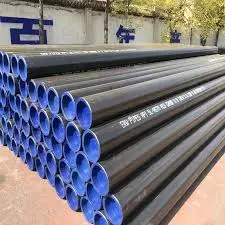
What is ASTM A53 ERW pipe? Understanding Basics and Specifications?
Carbon steel pipes manufactured by electric resistance welding fall under the ASTM A53 ERW pipe classification. They meet the requirements of the ASTM A53/A53M standard. The letters "ERW" stand for Type E manufacturing, in which flat steel coils are cold-formed into cylindrical forms and then heated using high-frequency current to fuse the edges together. At JS FITTINGS, we use modern HFI welding technology and then heat treat the weld zone right away. This normalizes the grain structure and gets rid of any leftover stress that could affect how well the part works when it's under pressure.
Chemical Composition and Mechanical Properties
The composition of the material directly affects how reliable the pipe is in tough working circumstances. Grade B, which is the standard in the industry, has a maximum carbon content of 0.30%, which makes it easy to weld while still keeping structural integrity. A maximum manganese level of 1.20% raises the tensile strength and helps with deoxidation during production. Phosphorus and sulfur levels are kept below 0.045% and 0.05%, which keeps the effects on flexibility and weld quality to a minimum. The minimum yield strength of these well-balanced elements is 35,000 psi, and the minimum tensile strength is 60,000 psi. This means they can handle low to medium pressures, with allowable service temperatures determined by applicable ASME design codes.
Available Grades, Sizes, and Manufacturing Process
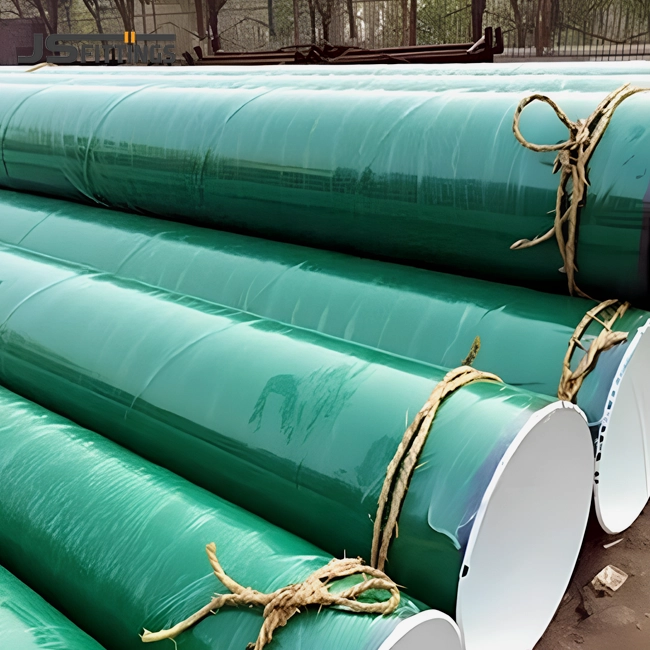
Our production range includes sizes from 1/2" to 24" (DN15 to DN600), so we can meet the needs of a wide range of projects. There are different wall thickness choices, such as SCH 10, SCH 20, SCH 40, STD, SCH 80, and XS schedules. This makes it possible to perfectly match the wall thickness to the pressure grade and application needs. The manufacturing process starts with inspecting a high-quality steel coil, then moves on to precision roll forming, and finally HFI welding at controlled temperatures. The microstructure of the seam is normalized by heat treatment after welding. This is followed by sizing and bending to get better physical limits. Surface treatments change depending on the area they will be exposed to. For example, black lacquer protects against rust in a basic way, hot-dip galvanization protects against corrosion for a longer time, and FBE/3PE coatings provide the best protection for installations that will be underground or submerged.
Characteristics and Benefits of A53 ERW Pipe
The efficiency benefits of A53 ERW pipe come from both the qualities of the material and the accuracy with which it is manufactured. This helps project managers who are concerned about safety, compliance, and keeping costs low.
Superior Weld Seam Integrity and Dimensional Accuracy
We no longer have to worry about weld seam weakness thanks to modern ERW technology for A53 ERW pipe. Our high-frequency induction welding process bonds the steel edges at temperatures above 2,500°F, and the heat-affected area is followed by immediate in-line heat treatment to ensure it fits the strength and flexibility of the base metal. Weld seams made with this controlled method work the same way as seamless pipe in hydrostatic tests, but they have tighter limits for size. Wall thickness variations stay within ±10%, compared to ±12.5% for seamless pipe. This cuts down on waste and makes it easier to line fittings on-site. Dimensional stability of the outer diameter makes installation faster with flanges, couplings, and welded connections. This cuts down on labor costs and project delays for big jobs.
Pressure Handling and Quality Assurance
Every pipe length that leaves our plant is tested hydrostatically at pressures higher than what is needed for service. This makes sure that the pipes are leak-proof even when they are under a lot of stress. Non-destructive eddy current testing finds surface and subsurface defects that are not visible to the naked eye. This makes sure that only goods that are free of flaws get to your project site. The smooth finish on the inside reduces flow turbulence and pressure drop, which is especially helpful in long-distance distribution systems that spend a lot of money on pumping energy. External surface preparation lets different coating systems stick to it without any extra work. This supports a range of rust protection strategies, from simple painting to complex multi-layer systems for tough chemical environments.
Cost-Effectiveness Compared to Seamless Alternatives
Project managers who are careful with their budgets appreciate that ERW pipe can save them 15 to 30 percent compared to seamless alternatives for uses that fit its service standards. The continuous production method increases output while using less energy. We pass these savings on to customers by offering competitive pricing on large orders. Shorter lead times allow for more active project plans, which is especially helpful when building stages are limited by weather windows or government deadlines. These cost savings can add up to big savings on projects like fire protection networks, city water systems, and large HVAC installs. They can be achieved without sacrificing safety or durability as long as the right grade is chosen for the job.
Comparing ASTM A53 ERW Pipe with Other Pipe Types
To make smart choices about what materials to use, you need to know how the A53 ERW pipe standards connect to other standards and manufacturing methods that are popular in industrial procurement.
ASTM A53 versus API 5L and ASTM A106
There are some physical links between these standards, but they are meant to be used for very different things. API 5L is for oil and gas transport pipes. It includes more tests for fracture toughness and stricter chemistry controls for areas with sour service. ASTM A106 calls for seamless construction for high-temperature, high-pressure service where extreme temperatures and thermal cycles go over A53's 750°F limit. A dual-certified pipe that meets both A53 and API 5L Grade B standards is used in a lot of projects. This gives the pipe freedom across a number of different code jurisdictions. However, specifications can't just be changed—acceptable materials are shown on engineering plans and in accordance with the relevant codes. If materials are changed without permission, the project could be rejected during checks, putting the person responsible at risk.
ERW versus Seamless Construction
The main difference is in how they are made and the qualities that come from that. To make seamless pipes, solid steel billets are pierced at high temperatures. This creates a regular grain structure that doesn't need any weld joints. For vital service, this building can handle higher temperatures and harsher pressure cycling, which is why it costs more. Controlled welding and heat treatment make A53 Gr.B ERW steel pipe as strong as other types, but it's cheaper and can be used in areas with mild temperatures and low levels of corrosion. During fabrication or bending, the longitudinal weld seam must be carefully positioned.When bending, the seam should be placed along the neutral line to keep stress from building up. ERW construction is more reliable and cheaper for structural uses, fire protection systems, and general mechanical service that stays within the limits of its ratings.
Procurement Guide: How to Source ASTM A53 ERW Pipe Efficiently?
Strategic sourcing practices keep project costs safe while also making sure of the quality of materials and their timely delivery, while keeping to building plans.
Evaluating Manufacturer Certifications and Capabilities
Qualified providers keep their ISO 9001 quality management certification, which shows that they have a method for controlling production and making improvements all the time. Additional certifications, such as CE marking for European markets, GOST-R for Russian regions, and prequalification by major energy companies, show that the company has the skills to meet a wide range of legal requirements. At JS FITTINGS, our 43 years of experience making things and certifications from the National Iranian Oil Company, the Abu Dhabi National Oil Company, and Petrobras show that we can consistently deliver high-quality work on difficult foreign projects. Check that the testing labs that potential providers run have properly set spectral analyzers for confirming chemistry, tensile testing machines for confirming mechanical properties, and ultrasonic or eddy current systems for finding manufacturing flaws before the goods are shipped.
Bulk Purchasing Strategies and Custom Sizing
Making a decision to buy in bulk can save you a lot of money and make sure that materials are available at the right time to meet building deadlines. Setting up outline deals for multi-phase projects keeps prices stable when the market changes and helps your orders get filled faster when capacity is limited. Our monthly production capacity of more than 800 tonnes of pipe and regular shipments of 90 or more containers each month give big companies the supply security they need. Custom sizes from DN15 to DN2000 can be made to fit specific needs without having to make design decisions around standard supplies. Preparing the bevelled end, threading and coupling, and applying special finishes can be done more cheaply in the workshop than in the field. This cuts down on the cost of labor and quality variation. To quickly find A53 ERW pipe, strategic sourcing practices protect project budgets.
Delivery Timelines and Pricing Transparency
Reliable sellers answer questions within hours, not days, and give thorough quotes that break down the costs of the base material, coating upgrades, end preparation, testing paperwork, and shipping. Our on-time delivery rate of over 95% and average response time of less than an hour allow us to meet tight project deadlines without charging extra for faster service. Knowing what affects the price per ton—like the type of raw material, the amount of the order, how complicated the specifications are, and where the delivery will happen—helps you make more accurate budget predictions. Lead times for standard sizes are cut down by long-term partnerships with suppliers who keep a lot of stock on hand, and costly project delays are avoided by custom production plans for unique needs.
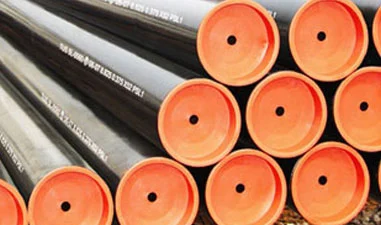
Practical Tips for Using and Maintaining ASTM A53 ERW Pipe
Proper installation and following maintenance protocols will ensure the pipe lasts as long as possible and keep it from breaking down too soon, which could be dangerous and cost more over its lifetime.
Installation Best Practices
To place A53 ERW pipes correctly, they must first be stored in a way that keeps the ends of the pipes clean and free of damage. Supporting the pipe at proper spacing prevents sagging and stress concentration, which causes stress to build up at the joints. Welding methods must be based on approved WPS paperwork, and the temperature must be controlled during preheat and interpass to keep thick-wall sections from hydrogen cracking. When bending is needed, the lengthwise weld seam should line up with the neutral plane, never at the highest tension or compression point, where stress could cause cracks. Threaded connections need the right amount of thread compound and torque control to keep them from galling and ensure a leak-tight connection. When welding galvanized pipe, you need to be extra careful because the zinc vaporization creates dangerous fumes that can cause gaps in the weld if you don't manage them properly by changing the method and letting them vent.
Routine Inspection and Maintenance Protocols
By establishing regular inspection plans for A53 ERW pipes, problems can be found before they break. External coats should be checked for harm or wear and tear. Immediate repair is recommended to stop rust from speeding up. Testing the system's stability with pressure after installation and on a regular basis during service finds leaks that need to be fixed. Cathodic protection systems on underground lines need to be checked regularly to make sure they are working right and keeping the lines from rusting from the outside. Recording the results of inspections, repairs, and pressure tests produces an asset history that can be used for dependability analysis and to show that the asset meets legal requirements. Our technical support team uses decades of experience working in a wide range of settings and apps to help customers create maintenance plans that are perfect for their needs.
Conclusion
In conclusion, A53 ERW pipe is reliable and cost-effective for industrial infrastructure that needs uniform quality and long-lasting performance. JS FITTINGS uses advanced welding technology and strict testing procedures to make sure that the precision of our making means that we can make pipes that meet international standards while also staying within the budgets of current projects. By knowing the technical details, comparing benefits, and using correct application methods, you can make smart choices that lower risk and increase project success. Whether you need it for large-scale utility systems, structural uses, or specialized industry processes, working with skilled manufacturers and choosing the right grade will make sure long-term performance that meets safety and compliance goals.
FAQ
1. What does ERW mean in ASTM A53 pipe specifications?
ERW stands for "Electric Resistance Welded," which is a Type E process for making pipes from flat steel tubes that are joined at the edges using high-frequency induction heating. This method of welding and then heating the seams makes seams that are as strong as the base metal and costs less than manufacturing seamless pipes.
2. Can ASTM A53 ERW pipe replace seamless pipe in all applications?
Not always—A53 ERW pipe works well for low to medium pressure up to 750°F. For uses at temperatures above this range, you need ASTM A106 seamless pipe. Instead of making unauthorized changes, always make sure that the materials you choose match the project requirements and any relevant codes.
3. How does Grade B differ from Grade A?
Grade B has a minimum yield strength of 35,000 psi, while Grade A's is only 30,000 psi. This makes Grade B the standard for structural and pressure uses, where the small price increase is worth it for the better performance.
4. What factors influence pricing for bulk orders?
The final price is based on the cost of raw materials, the size of the order, the wall thickness, the width, the surface coating needs, the end preparation, the level of testing paperwork, and the delivery processes. Long-term deals and volume promises usually get better prices and make sure there is a reliable supply.
Partner with JS FITTINGS for Your A53 ERW Pipe Requirements
If you need A53 ERW pipe, JS FITTINGS is the company to talk to. JS FITTINGS has been making specialised parts for more than 40 years and can help you with your industrial pipe projects. They use cutting-edge production technology and strict quality control systems. As an experienced A53 ERW pipe supplier, we can do more than just stock standard sizes. We can also make pipes to order in sizes ranging from DN15 to DN2000, so we can meet the needs of a wide range of projects with consistent quality. As a qualified maker for some of the biggest energy companies in the world, we keep our ISO, CE, and GOST-R certifications and follow strict internal testing procedures to make sure every length of pipe meets the highest standards. Over 90 containers are shipped every month, and deliveries are made on time more than 95% of the time. This ensures that projects stay on schedule, and our complaint rate of less than 0.5% shows that we have been consistently providing good quality service. Email our experienced team at admin@jsfittings.com to talk about your unique needs and get quotes that include technical details, volume prices, and delivery times that are tailored to your project.
References
1. American Society for Testing and Materials. (2018). ASTM A53/A53M-18: Standard Specification for Pipe, Steel, Black and Hot-Dipped, Zinc-Coated, Welded and Seamless. West Conshohocken, PA: ASTM International.
2. American Society of Mechanical Engineers. (2020). ASME B31.1: Power Piping Code. New York: ASME Press.
3. Bhadeshia, H. K. D. H., & Honeycombe, R. W. K. (2017). Steels: Microstructure and Properties (4th ed.). Oxford: Butterworth-Heinemann.
4. Metals Handbook Desk Edition. (2015). Carbon and Alloy Steels. Materials Park, OH: ASM International.
5. National Association of Corrosion Engineers. (2019). Corrosion Control in the Oil and Gas Industry. Houston: NACE International.
6. Structural Engineering Institute. (2016). Steel Pipe Specification and Design Manual for Industrial Applications. Reston, VA: American Society of Civil Engineers.
Send Inquiry
_1775029549981.webp "Buttweld Tee")
Related Industry Knowledge
- Custom Heavy Duty Forged Steel Flanges for High-Pressure Systems
- What is A312 stainless steel pipe? Everything You Need to Know
- Why Engineers Choose Buttweld Bend Over Mitered Bends?
- A105 Carbon Steel Forged Steel Flange for Refinery Piping
- What Are the Types of Buttweld Elbows in ASME B16.9 Systems?
- Buttweld Bend vs Elbow: Key Differences Explained
- Sch 40 Buttweld Reducer vs Sch 80 Pressure Performance
- What is seamless carbon steel pipe?
- How to bolt to flanges with threaded holes?
- What is the temperature to weld carbon steel pipe?