
How Are Carbon Steel Forged Steel Flanges Heat Treated?






2026-07-02 10:57:36
Carbon steel forged steel flanges undergo controlled heating, soaking at specific temperatures, and precise cooling to refine their grain structure and enhance mechanical properties. At JS Fittings, heat treatment processes like normalizing, annealing, quenching, and tempering are applied to ASTM A105 and A350 LF2 flanges to eliminate residual stresses, improve toughness, and ensure these components meet ASME B16.5 pressure-temperature ratings. This treatment transforms raw forgings into reliable, high-integrity piping connectors capable of withstanding extreme pressure surges and thermal cycles in oil, gas, and petrochemical installations.
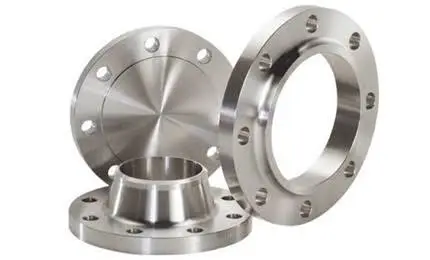
Understanding Carbon Steel, Forged Steel Flanges, and Their Heat Treatment
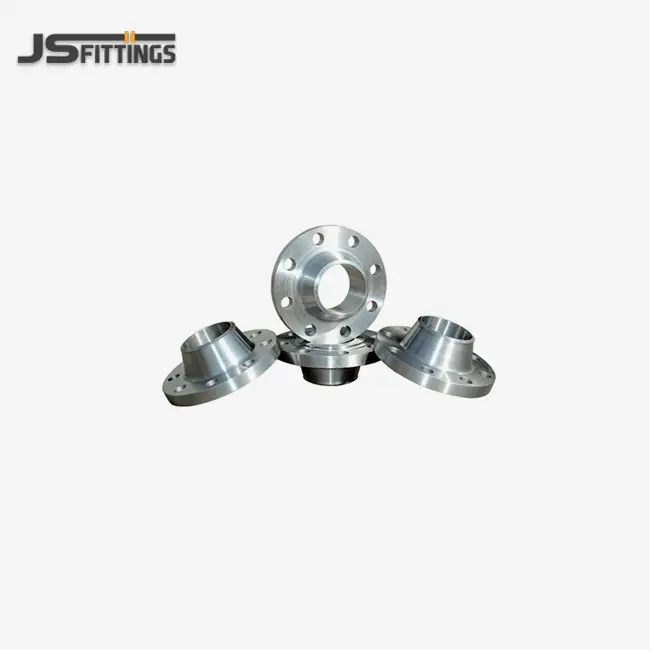
The foundation of industrial piping systems is supported by carbon steel forged steel flanges. Forged flanges are made by pressing a hot steel billet under high pressure to shape it unlike cast options that have holes and flaws caused by shrinkage. This process aligns the grain flow radially along the shape of the flange, which makes it much stronger against impact and wear. We make many kinds of forged flanges at JS Fittings. These include Weld Neck (WN) flanges for high-pressure applications, Slip-On (SO) flanges for easier field alignment, Blind (BL) flanges for system termination, Socket Weld (SW) and Threaded (TH) flanges for small pipes, and Lap Joint (LJ) flanges for systems that need to be taken apart often.
The structural contact between lines, valves, pumps, and vessels is made up of these flanges. They have to make a seal that doesn't leak while putting up with bolt-tightening loads and pressures from Class 150 to Class 2500 (within ASME B16.5 flange standards, depending on material and temperature ratings) or PN6 to PN64 (European EN 1092-1 standards). ASTM A105 is a common grade of material used in normal and high temperatures. ASTM A350 LF2 is used in low temperatures as low as -50°F, and ASTM A694 is used for high-yield forged flanges and fittings for transmission services.
Raw formed steel still has stresses inside it from the forging process, so it needs to be treated with heat. These pressures can cause warping in size, less flexibility, and stress-corrosion cracks if they are not properly handled by heat. Heat treatment smooths out the microstructure, evens out the spread of the chemical makeup, and changes the amount of hardness to meet the needs of the service. This makes sure that the flange stays the same size during fitting and works well for a long time, even if it is loaded and unloaded many times, the temperature changes, and harmful materials are present.
When buyers understand these basics, they can set reasonable quality standards. When looking at a supplier's skills, you should find out how big their heat treatment furnace is, how they control the temperature, and if they keep heat treatment logs that can be linked to specific groups of flanges.
The Heat Treatment Process for Carbon Steel Forged Flanges
Heat treatment includes a number of different heating methods, each of which is aimed at different properties of a material. The choice is based on the grade, size, pressure class, and location where the carbon steel forged-steel flange will be used.
Normalizing
To normalize, the carbon steel forged steel flange forged plate is heated to about 1650°F to 1750°F (900°C to 955°C), which is above the temperature at which the composition of the steel completely changes to austenite. The flange is kept at this temperature for a measured soaking time, which is usually one hour for every inch of maximum thickness. This makes sure that the temperature is spread evenly throughout the part. When the air is still, cooling happens. This process is faster than furnace cooling but slower than quenching.This controlled cooling smooths out the grain structure,creating a uniform ferrite and pearlite phase that makes the metal tougher and easier to work with. Normalizing ASTM A105 flanges is commonly applied to meet mechanical property requirements and dimensional stability, although it is not explicitly required by ASME B16.5, and it gets rid of forging stresses while making the dimensions more stable. At JS Fittings, our normalizing furnaces keep the temperature even within ±10°F so that the mechanical properties are the same on every hub piece and flange face.
Annealing
The flange is heated to a similar range of temperatures during annealing as it is during normalizing, but the furnace cools more slowly. When the flange is heated to 1600°F to 1700°F (870°C to 925°C), it soaks well. After that, it is slowly cooled inside the furnace at a rate of about 50°F per hour. This produces a microstructure that is the softest, most ductile, and easiest to machine. When flanges need a lot of cutting after being heated for special faces like RTJ grooves, or when the material needs to be relieved of stress before it can be finished in terms of its dimensions, annealing can help. The process gets rid of almost all internal pressures, but compared to normalizing, it makes the material a little less hard and weaker in tension.
Quenching and Tempering
A two-step method called quenching and tempering is used to make high-strength alloy steel plates or when extra toughness is needed. When the flange gets to about 1650°F (900°C), it is quickly cooled down in oil, water, or polymer solutions. The austenite changes into the hard, brittle martensite very quickly. To restore ductility and toughness to the flange, it is heated up to 1100°F to 1300°F (595°C to 705°C) and held there for a few hours before being cooled by air. When you temper steel, small carbides form, and martensite changes into tempered martensite. This gives the steel the best mix of strength and toughness. This is a popular way to make ASTM A694 high-yield flanges, which are used in tough gearbox lines where strength and resistance to pressure are very important.
Stress-Relieving
The goal of stress reduction is to get rid of any remaining stresses without making big changes to the flange's architecture. The flange is heated to between 1100°F and 1200°F (595°C to 650°C), which is well below the transformation temperature. It stays at this temperature for one to two hours per inch of thickness, and then it is slowly cooled in the furnace. This heating cycle moves the atoms around, releasing stresses that were locked in during cutting or welding without changing the material's hardness or tensile strength. Stress relief is especially useful after large-diameter flanges have been finished being machined or when exact dimensions are very important for important pressure vessel connections.
The chemical makeup of the carbon steel has a direct effect on how the heat treatment turns out. The carbon percentage (up to 0.35% in A105) affects how hard the metal gets and how it reacts to being quenched. Manganese (0.60% to 1.05%) makes the metal stronger and harder, and silicon helps it deoxidize. To keep grain limits from breaking, phosphorus and sulfur are kept to a minimum. JS Fittings' metallurgists can exactly tailor heat cycles to make sure that every batch of flanges meets the mechanical properties required by ASTM standards and your project's material test reports because they understand how these interactions work.
Controlling the sizes of things while they are being heated is also very important. Flanges are carefully positioned on ceramic setters so they don't warp when they're heated and cooled. After being treated, each flange goes through dimensional verification, which checks the bore width, bolt hole spacing, flange thickness, and facing smoothness to make sure it meets ASME B16.5 standards.
Comparison of Carbon Steel Forged Flanges' Heat Treatment vs. Other Materials and Flange Types
The choice of material and the way it is made have a huge impact on the heat treatment processes and the performance that follows for carbon steel and forged steel flanges.
Carbon Steel vs. Stainless Steel
Because they contain chromium and nickel, ASTM A182 F304 and F316 stainless steel flanges need to be heat treated differently. Solution annealing at 1900°F to 2100°F (1040°C to 1150°C) is usually done on stainless flanges. This is followed by fast water cooling to get rid of carbides and stop sensitization. To improve ferrite-pearlite structures, carbon steel, on the other hand, normalizes at lower temperatures. Stainless steel is better at resisting rust in acidic or chloride conditions, but it costs a lot more to make. The best option for upstream oil production, natural gas transmission, and refinery hydrotreating units where hydrogen attack is not a concern is carbon steel flanges that have been properly treated because they offer excellent mechanical strength and are more cost-effective for noncorrosive or mildly corrosive services.
Forged vs. Cast and Welded Flanges
Molten steel is poured into molds to make cast flanges and industrial orifice flanges. Even though castings can be heated, they may still contain internal porosity and structural weaknesses that mean they can only be used in lower-pressure situations (usually Class 150 to 300). When you join a neck piece to a plate to make a welded flange, you create heat-affected zones that can be home to stress concentrations. Forged flanges get rid of all of these problems. Because of the forging process, there are no weld joints or casting gaps in the grain flow. Forged flanges are already very good, but heat treatment makes them even better. This makes flanges that can safely handle Class 1500 and 2500 pressure levels. Forged, heat-treated flanges are more expensive at first, but they are worth it because they keep catastrophic breakdowns and expensive downtime from happening in places like underwater wellheads or high-pressure steam headers in power plants.
In the cast group, different types of flanges also react differently to heat treatment. With their long, curved hubs, Weld Neck flanges need careful temperature control to make sure that the features are the same all the way through the weld zone from the neck to the pipe. Because blind flanges are solid plates, they heat and cool more evenly, which makes the thermal cycle easier. Slip-on and socket-weld flanges are usually used in smaller sizes. They are normalized in batch furnaces, which make many pieces at once to keep costs low.
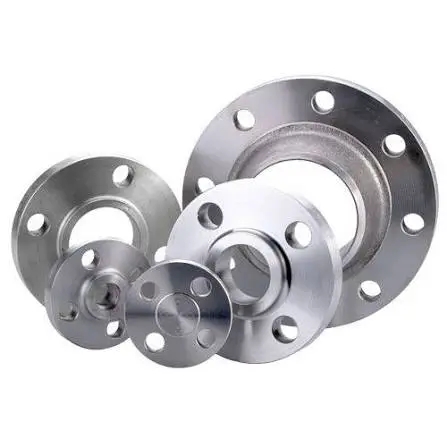
Practical Application and Procurement Insights for Heat-Treated Carbon Steel Forged Flanges
In fields where failure is not a choice, heat-treated carbon steel forged steel flanges are mission-critical.
Industry Applications
Upstream production sites in the oil and gas industry use ASTM A105 weld neck flanges with a rating of Class 600 to 1500. These flanges are normalized to handle wellhead pressures of more than 5,000 psi and sour gas conditions. A694 quenched and tempered flanges are used in high-pressure transfer lines for midstream pipes. Normalized A105 flanges are used in catalytic cracking units and hydrodesulfurization reactors at downstream plants, where temperatures can hit 900°F. Using heat-treated flanges is important for petrochemical companies that handle ethylene, propylene, and aromatics to keep their connections leak-free even during thermal cycling and vibrations from reciprocating compressors. Normalized flanges are used in steam pipe systems operating at high pressures (e.g., 2400 psi) and elevated temperatures, typically up to around 1000°F depending on material grade, in both fossil fuel and combined-cycle power plants. They are important for resisting creep and keeping their shape over time.
Procurement Best Practices
It is very important to check heat treatment certificates. Material Test Reports (MTRs) should show the exact temperatures, holding times, cooling methods, and mechanical qualities (tensile strength, yield strength, elongation, and impact toughness) that were used during the heat treatment. Test results that are certified should include specific ASTM standards and be able to be traced back to the heat treatment batch and furnace used. At JS Fittings, every flange shipment comes with MTRs that have been approved by our ISO 9001-certified quality control laboratory. This way, we can track everything from the time we receive the raw materials to the time we check them for quality.
Carefully look at what the seller can do. Find out how big the furnace can be. Can the seller handle the sizes and numbers of flanges you need without changing the temperature evenly? Find out about wait times. JS Fittings keeps an inventory system that lets them produce normal ASME B16.5 flanges in two weeks and custom designs in four to six weeks. If asked, custom heat treatment choices should be available. For example, stress relief for machined RTJ facings or subcritical annealing for improved machinability and stress relief in certain alloy steels.
Performing checks on suppliers lowers the risk of buying. You can look at heat treatment furnaces, temperature tracking devices, and post-treatment testing tools when you go to the factory. Make sure the seller has trained metallurgists on staff who know how changing temperatures and cooling rates affect the metal. Check for proof of process control, like written standard operating procedures, thermocouples that have been adjusted, and frequent checks of the furnace to make sure the temperature stays the same.
Cost-Performance Analysis
Procuring properly heat-treated forged flanges cuts costs by a large amount over their entire life. A normalized ASTM A105 Weld Neck flange might cost 15% to 20% more than a cast counterpart that hasn't been heated, but it doesn't break easily, lasts decades longer, and doesn't need to be shut down in an emergency, which can cost tens of thousands of dollars an hour in lost production. Better physical stability means that field installation becomes faster and more reliable, which saves money on labor and time. Better fatigue resistance means that maintenance checks and flange repairs are done less often, which increases working efficiency. When procurement teams put quality in heat treatment first, they get lower total costs, better safety records, and more faith in the dependability of infrastructure.
Conclusion
When carbon steel forged steel flanges are heated, they go from being physically strong parts to being reliable, long-lasting building assets. Normalizing, annealing, quenching and tempering, and stress relieving are all different processes that improve the structure of the grains, lower stress, and make the metal's mechanical qualities better so they can withstand tough working conditions. If procurement workers know about these steps, they can choose flanges that are a good mix between price, performance, and dependability. Our ISO-certified heat treatment procedures and 43 years of production experience at JS Fittings make sure that every flange meets or exceeds ASTM and ASME standards. This gives you peace of mind for your important piping projects.
FAQ
1. Does Heat Treatment Really Improve Flange Durability?
By improving the grain structure and getting rid of leftover stresses, heat treatment greatly increases the service life of carbon steel and forged steel flanges. Normalizing ASTM A105 flanges creates a regular ferrite-pearlite composition that makes them stronger and less likely to wear down over time. Forging can leave behind stresses that can cause bending during welding or bolting up if they are not treated with heat. This can cause gasket leaks or stress-corrosion cracks. When heat-treated correctly, flanges keep their shape and mechanical strength for decades, even when they are subjected to changing pressure and temperature loads.
2. What Certifications Should I Look for from a Heat Treatment Supplier?
Reputable sources provide Material Test Reports (MTRs) listing the temperatures, holding times, and cooling methods used during the heat treatment process, as well as the mechanical qualities that are achieved, such as the tensile strength, yield strength, and Charpy V-notch values. ASME B16.5 rules and relevant ASTM A105, ASTM A350, and ASTM A694 standards should be used in certifications. Inspection certificates from third parties, such as Bureau Veritas or Lloyd's Register, give the item more authority. At JS Fittings, our dedication to open and auditable quality processes is shown by our ISO 9001 certification and partner qualifications from NIOC, ADNOC, and Petrobras.
Partner with JS Fittings for Premium Heat-Treated Carbon Steel Forged Steel Flanges
JS Fittings is a reliable company that has been making carbon steel forged steel flanges for more than forty years. Our factory is ISO 9001-certified and makes flanges that are normalized, annealed, quenched and tempered, and meet the requirements of ASME B16.5, ASME B16.47, DIN EN 1092-1, and special projects. We keep an inventory system that lets us deliver quickly. Every month, we ship over 90 crates, and we're on time 95% of the time, and we get fewer than 0.5% of customer complaints. Our skilled metallurgists and state-of-the-art heat treatment furnaces make sure that every flange meets the exact mechanical properties and size requirements of your project, whether you need standard Weld Neck flanges for refineries or special low-temperature Blind flanges for LNG ports. Email our foreign trade team at admin@jsfittings.com to talk about your needs, get full MTRs, or set up a facility audit. Partnering with a supplier who cares about quality, honesty, and customer happiness will give you dependability and performance.
References
1. American Society of Mechanical Engineers. (2020). ASME B16.5: Pipe Flanges and Flanged Fittings: NPS 1/2 Through NPS 24 Metric/Inch Standard. New York: ASME Press.
2. ASTM International. (2019). ASTM A105/A105M: Standard Specification for Carbon Steel Forgings for Piping Applications. West Conshohocken: ASTM International.
3. Totten, G. E., & Howes, M. A. H. (1997). Steel Heat Treatment Handbook. New York: Marcel Dekker Inc.
4. Bhadeshia, H. K. D. H., & Honeycombe, R. W. K. (2017). Steels: Microstructure and Properties (4th ed.). Oxford: Butterworth-Heinemann.
5. European Committee for Standardization. (2018). EN 1092-1: Flanges and Their Joints – Circular Flanges for Pipes, Valves, Fittings and Accessories, PN Designated – Part 1: Steel Flanges. Brussels: CEN.
6. American Petroleum Institute. (2015). API Specification 6A: Wellhead and Tree Equipment (21st ed.). Washington, D.C.: API Publishing Services.
Send Inquiry
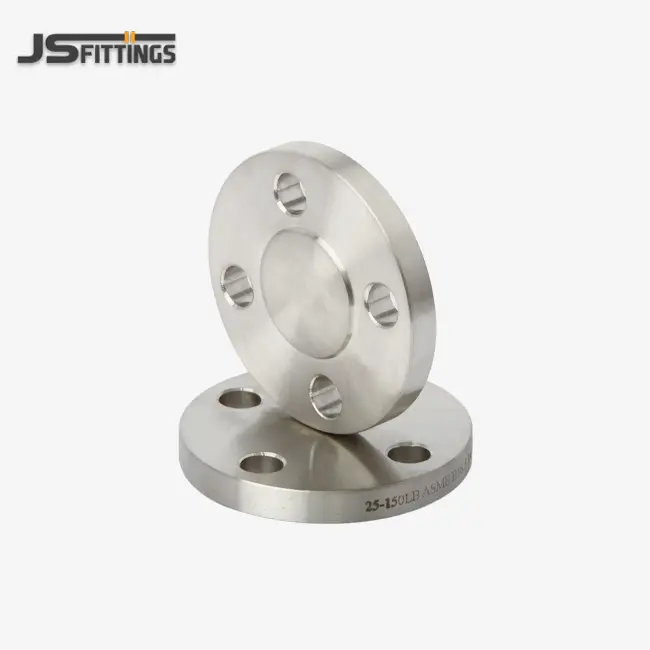
_1775030068227.webp "ASTM A105 Weld Neck Flange")
Related Industry Knowledge
- Stainless Steel 316L Buttweld Tee for Offshore Pipelines
- The Ultimate Guide to Slip-On Flanges: Exploring Applications and Benefits
- Understanding the API 5L Seamless Steel Line Pipe Specification
- ASTM A105 Carbon Steel Forged Steel Flange Specifications
- Best Buttweld Elbow Materials for Corrosive Industrial Pipelines
- How to Choose a Buttweld Tee for High-Pressure Pipelines
- Do flanges with threaded holes take stud bolts?
- What is the temperature to weld carbon steel pipe?
- What is the difference between a 45 degree and 90 degree elbow?
- What is a plate flange?