
How to Select the Right RTJ Blind Flange for Piping Systems






2026-10-22 09:27:26
Selecting the right RTJ blind flange starts with understanding your system's pressure class, operating temperature, fluid media, and material compatibility. An RTJ blind flange uses a precision-machined annular groove to seat a metallic ring gasket, creating a metal-to-metal seal for high-pressure applications, with ASME Class 2500 and API 6A ratings such as 10,000 psi covered by different standards. Available in sizes from NPS 1/2 to NPS 60, and manufactured to ASME B16.5, ASME B16.47, and API standards, the correct selection depends on matching groove type, ring hardness, and facing specification to your exact service conditions.
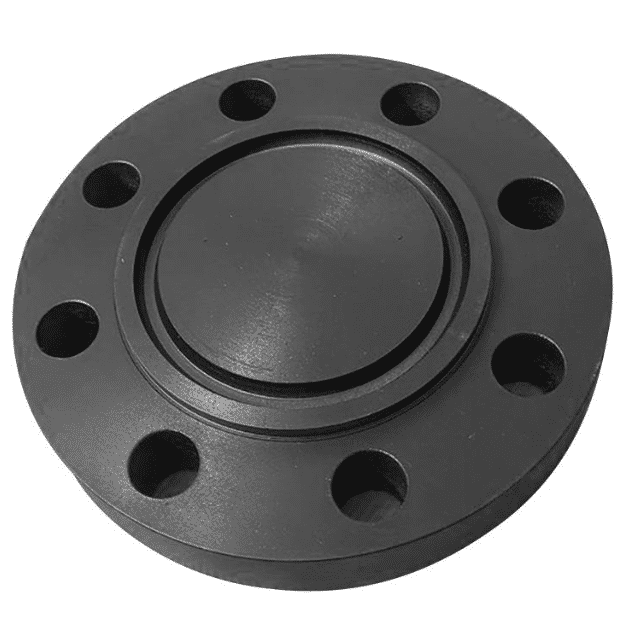
Understanding RTJ Blind Flanges: Design, Function, and Applications
What Is an RTJ Blind Flange?
A blind flange is a solid disk made of steel that doesn't have a hole in the middle. It stops flow in a pipe system or seals an opening in a pressure tank. The Ring Type Joint version has a precisely machined groove on its front that can fit a metal ring gasket. The softer metallic ring gasket plastically deforms ("coins") into the 23° groove sidewalls under bolt preload, establishing a high-integrity metal-to-metal seal. Because of this system, RTJ blind flanges are the best choice for oil and gas service at high pressures, where soft seals just don't work.
Design Standards and Material Options
RTJ blind flanges are made according to ASME B16.5 for sizes up to 24 inches and ASME B16.47 Series A and B for sizes 26 inches and up. There are also rules for certain uses in MSS SP-44, DIN, and EN 1092-1. ASTM A105 carbon steel, A182 F316 stainless steel, and F51 duplex stainless steel are all common materials. Under NACE MR0175, the choice of material has a direct effect on its ability to resist corrosion, its tensile strength, and its suitability for sour service environments.
Where RTJ Blind Flanges Outperform Other Types?
When it comes to offshore platforms, deepwater subsea pipelines, refinery high-pressure headers, and power generation steam lines, the RTJ blind flange seals better than either raised face or flat face configurations. The American Petroleum Institute specifies RTJ-type connections for many high-pressure wellhead and Christmas tree applications covered by API 6A. This is because thermal cycling and vibration can't loosen the metal ring once it is in place.
Key Considerations When Selecting an RTJ Blind Flange
Pressure Class and Temperature Rating
The first factor in any selection decision is the pressure class. You can get RTJ blind flanges in ASME Class 150 through Class 2500 within the applicable ASME B16.5 size range, as well as EN grades from PN6 to PN100. An ASTM A105 carbon steel Class 900 flange has a different pressure-temperature rating from a stainless steel Class 900 flange. Before choosing a flange, you should always check the ASME B16.5 pressure-temperature tables against each other. Using a pressure class that is too small is directly dangerous.
Groove Type: Oval vs. Octagonal Ring
Which ring gasket you can use depends on the groove profile. A round-bottom groove on older flanges means that they can only fit an oval ring. Most RTJ blind flanges made today have a flat-bottom gap that works with both oval and octagonal rings. An oval ring makes line contact, but an octagonal ring makes flat surface contact. This provides a different sealing geometry that is widely used in high-pressure applications. Before you buy gaskets, you should always check the flange drawing against the ring number.
Material Compatibility and Gasket Hardness
The ring gasket needs to be at least 30 HB softer than the material in the flange groove in order to meet industry standards. If the gasket is harder, the compression force may damage the groove face rather than deforming the gasket, potentially compromising the flange. ASTM A105 carbon steel RTJ flanges are commonly paired with soft iron or low-carbon steel rings, although the ring material should be selected according to the service conditions. Inconel 625 or 316 stainless steel rings may be selected for corrosive, high-temperature, or otherwise demanding service conditions. Ensuring the correct differential hardness protects the precision-machined groove from plastic deformation while safeguarding your capital procurement budget.
Procurement Insights: How to Source and Purchase RTJ Blind Flanges?
Supplier Qualification Criteria
Picking the right specification is important, but picking the right supplier is even more important. Look for companies that have ISO 9001 certification, mill test certificates that can be linked to each heat of steel, and third-party inspection reports that cover PMI, surface finish, and checking the dimensions. A supplier holding approved vendor status with major energy operators like ADNOC and Petrobras demonstrates proven manufacturing consistency and quality compliance.
Before you place an order, you should make sure of these main qualification points:
- Certifications on file: ISO 9001, CE, GOST-R, and energy company approvals show that the production system can withstand checks by outside groups.
- Groove dimensional control: The ring groove pitch diameter, depth, and 23° sidewall angle must be checked with a CMM or functional gauges, not just by looking at them.
- Surface finish documentation: The groove sidewall should have a documented surface finish of no more than 1.6 μm Ra and not have any chatter marks or tool scores on it.
- Hardness testing for sour service: For carbon and low-alloy steel flanges used in sour service, the applicable hardness limits of NACE MR0175/ISO 15156 must be verified for the specified material grade and condition. This helps reduce the risk of sulfide stress cracking.
Rather than focusing on price alone, verifying these points before issuing a purchase order can reduce repair costs and project delays.
Pricing Drivers and Lead Times
Price is mostly affected by three factors: the type of material, the pressure class, and the size. It is possible for a 6-inch Class 2500 RTJ blind flange made of F316L stainless steel to cost five to eight times more than the same-sized one made of ASTM A105 Class 300. This is because the alloy costs more, it takes longer to machine, and the walls are thicker. Sizes in Class 150 to 600 of standard carbon steel usually ship from stock in one to two weeks. Large-bore or high-alloy items may need four to eight weeks of lead time.
Packaging and Corrosion Protection
The RTJ groove face can be easily damaged during shipping. A small scratch on the sidewall of the groove needs to be expensively re-machined, or the whole thing has to be replaced. RTJ blind flanges from dependable suppliers come with heavy-duty plastic face protectors or plywood covers that are bolted on. To protect the flanges from corrosion during sea transportation or indoor storage, they should also have industrial black paint, yellow anti-rust oil, or hot-dip galvanizing applied to them.
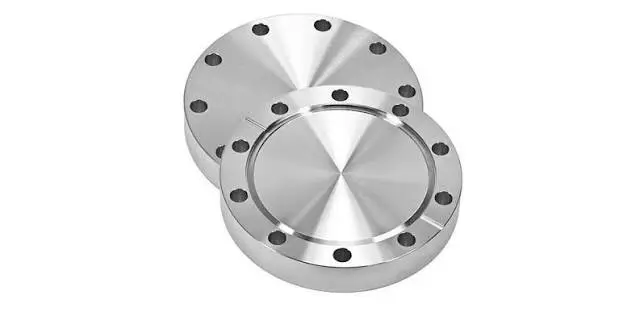
Installation and Maintenance Best Practices for RTJ Blind Flanges
Pre-Installation Inspection Checklist
Before putting the parts together, check the ring groove for surface flaws, make sure the R-number stamped on the ring matches the drawing of the flange, and make sure the ring is the right hardness. Use a lint-free cloth to clean the groove, and apply a thin layer of an approved lubricant to the ring surfaces where specified. Never reuse a ring gasket that has already been compressed; the initial coining process plastically deforms and work-hardens the metal, and the used ring won't close properly.
Torque Procedure and Gap Control
RTJ blind flange connections need gap control during assembly, which is different from how raised face connections are usually put together. Tighten the bolts in a controlled, cross-pattern sequence according to the project's specified bolting procedure, using the required torque or bolt-tensioning method. Use the specified inspection method to verify flange alignment and the final flange gap in accordance with the project's assembly procedure. Uneven bolt torquing tilts the flange and unbalances gasket seating stress, creating a direct leak path and potentially galling the groove sidewall.
Inspection Intervals and Replacement Criteria
Plan to look at and measure the ring gap every time the joint is broken so that repair workers can get to it. Check for wear with a slot depth gage. If the groove depth variation is more than what the maker allows, you should replace the flange. If a flange has experienced pressure above its design limits, the appropriate inspection method should be selected based on the material, flange configuration, and applicable integrity assessment procedure. Some damage may not be visible to the unaided eye.
Case Studies and Key Takeaways
At 47 isolation points, a refinery on the Gulf Coast that uses Class 1500 high-pressure hydrogen lines switched from standard raised face blind flanges to RTJ blind flanges. Over 36 months, the building had no leaks at those joints. In comparison, there were three bypass leaks in the previous 36 months when soft spiral-wound gaskets were used. The switch's full price, which included re-machining the connecting flanges, was paid for by less maintenance downtime in just 14 months.
The EPC company in charge of a gas compression project in the Middle East used ASTM A105 RTJ blind flanges for all test points above Class 900. By including the groove R-number and gasket hardness in the procurement package ahead of time, the team avoided field substitution mistakes that had led to extra work on a previous project. Over 95% of deliveries were made on time, and the contractor said that standardizing procurement through one approved supplier cut the amount of work that needed to be inspected by about 30%.
These examples show that an RTJ blind flange will only work as well as it is supposed to for as long as the system is in use if the right information is used to choose it, the provider is qualified, and the installation is done correctly.
Conclusion
To choose the correct RTJ blind flange, you need to make sure that the pressure class, groove geometry, material grade, and gasket hardness are all in line with how your piping system is actually used. When making purchases, you shouldn't just look at price; you should also look at source certification, traceability paperwork, and the quality of the package. Proper fitting with gap-controlled torque and a policy against reusing gaskets protects both the surface that seals and the system's safety. When used regularly, these selection and buying rules cut down on unplanned downtime, lower the cost of upkeep over the course of a product's life, and keep your project on schedule.
FAQ
1. Can I reuse the ring gasket on an RTJ blind flange?
Not at all. The way the seal works depends on how the metal ring gasket bends when it is first compressed. When the metallic ring is coined into the groove, it undergoes work-hardening and permanent plastic deformation. Reinstalling a work-hardened, distorted ring prevents proper coining and creates severe leakage risks.
2. What is the difference between oval and octagonal ring grooves?
Most current RTJ blind flanges have a flat-bottom groove that can fit both oval and octagonal rings. When you use octagonal rings, you get flat surface contact, which works better at Class 900 and up. Legacy round-bottom ring grooves can only accommodate oval ring gaskets.Before ordering a new ring, you should always check the groove profile.
3. Why must the gasket be softer than the flange?
If the ring is harder than the material in the groove, the bolt load will change the shape of the groove face instead of the ring. To protect the machined sealing surface, the gasket should normally be at least 30 HB softer than the flange.
4. How do I protect the groove face during shipping?
When you store and ship RTJ blind flanges, always put plastic shields on them or wooden covers that are bolted to the face. With just one scratch on the sidewall of the groove, you may need to re-machine the whole thing, which will cost more and take longer.
Source Your RTJ Blind Flanges from JS FITTINGS
Since 1983, JS FITTINGS has provided approved RTJ blind flanges and pipe parts to projects in more than 30 countries. We make things that meet ASME B16.5, ASME B16.47, and DIN standards and range in size from NPS 1/2 to NPS 60, and in ASME Class 150 to 2500. We are an approved RTJ blind flange manufacturer for leading global energy corporations including ADNOC and Petrobras. With every order, we send groove-dimensional reports, PMI certificates, and third-party inspection support. Over 700 tons of flanges are made every month, and more than 95% of them are delivered on time. To get a price right away, email our team at admin@jsfittings.com.
References
1. American Society of Mechanical Engineers. ASME B16.5: Pipe Flanges and Flanged Fittings. ASME, 2017.
2. American Society of Mechanical Engineers. ASME B16.47: Large Diameter Steel Flanges. ASME, 2020.
3. American Petroleum Institute. API 6A: Specification for Wellhead and Tree Equipment. API, 2018.
4. NACE International. NACE MR0175/ISO 15156: Materials for Use in H₂S-Containing Environments in Oil and Gas Production. NACE International, 2015.
5. Bickford, John H. Introduction to the Design and Behavior of Bolted Joints. CRC Press, 2007.
6. Nayyar, Mohinder L. Piping Handbook, 7th ed. McGraw-Hill, 2000.
Send Inquiry
You may like