
How to weld carbon steel pipe?






2026-05-12 15:36:28
It takes precise skill and proper planning to weld carbon steel pipes together in a way that makes joints that are strong and last a long time. Part of the process is picking the right welding method, such as SMAW, GMAW, or TIG welding, and getting the pipe ends ready by beveling and cleaning them properly. Another part is keeping the heat input steady to keep the pipes from bending. API 5L and ASTM standards say that carbon steel welded pipe systems must be made in a certain way so that they stay strong and don't rust in harsh industrial settings.
Understanding Carbon Steel Welded Pipes
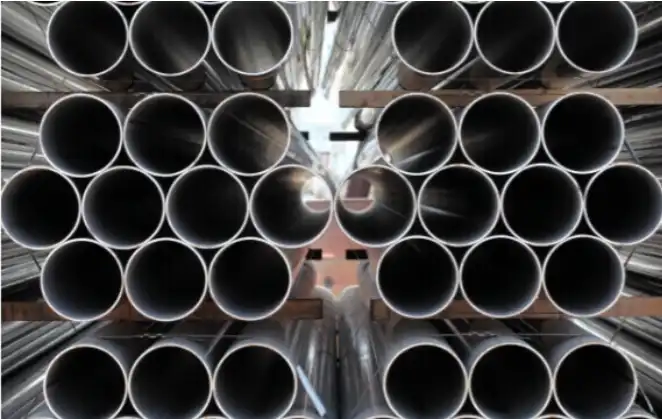
Welded carbon steel pipe is an important part of the infrastructure in many fields. Flat steel is formed into cylindrical shapes, and the seam edges are joined together using welding processes such as electric resistance welding or submerged arc welding. These pipes are widely used for transporting water, construction materials, oil, and gas. They offer high strength, cost-effectiveness, and efficient large-scale production capability.
Manufacturing Methods and Key Specifications
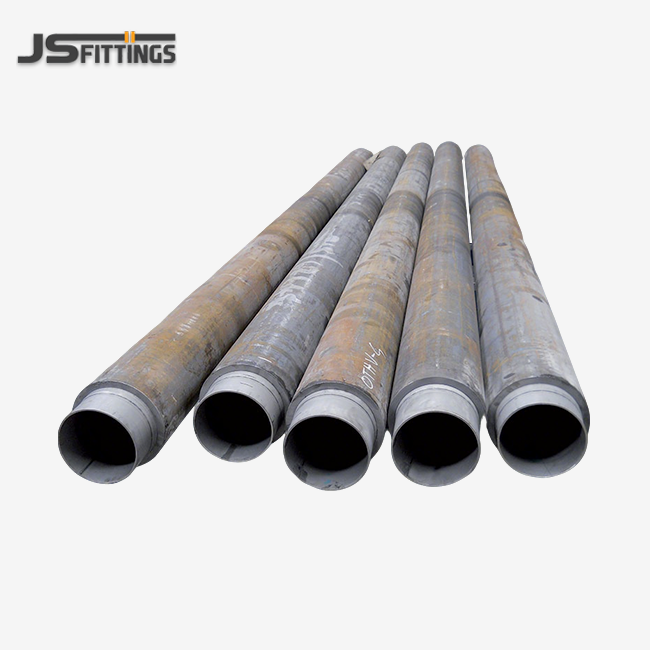
Welded carbon steel pipes are primarily manufactured using three main processes. Each process is suitable for different applications and diameter ranges. Electric Resistance Welding (ERW) is commonly used to manufacture pipes ranging from approximately 1/2" to 24" in diameter. High-frequency electrical current heats the seam edges, which are then forged together under pressure to create the weld. ERW pipes produced by this method offer accurate dimensional tolerances and have a smooth finish. Because of this, they perform well in high-pressure oil and gas transmission systems.
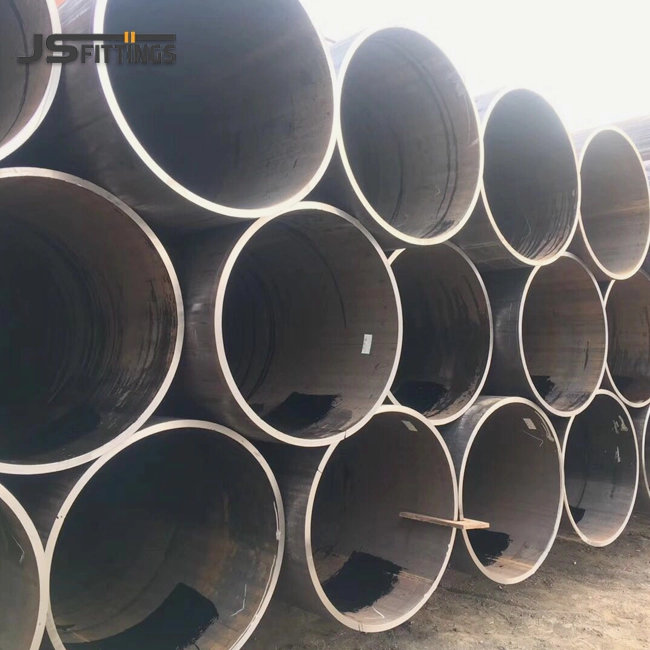
LSAW stands for longitudinal submerged arc welding. This process is commonly used for pipes ranging from 16" to 60" in diameter. Different types of automatic welding are used. These processes use granular flux to shield the weld zone and stabilize the arc during welding. Welds produced using the submerged arc welding process are strong enough to be used in tanks with high pressure, and they provide good weld integrity and mechanical performance. Cold expansion is often used to improve dimensional accuracy and reduce residual stress in large-diameter pipes. This also improves roundness and facilitates alignment during large-diameter pipeline installation.
Spiral Submerged Arc Welding (SSAW) is a cheap way to build large-diameter water transport pipes because it provides efficient material utilization and good structural performance. This process can produce spiral-welded pipes up to approximately 100" in diameter. This makes it great for projects requiring long pipeline distances.
Material Grades and Performance Characteristics
API 5L includes multiple grades of steel line pipe for the oil and gas industry. The grades range from X42 to X80 and are based on the minimum yield strength the pipes must have. These materials are designed to perform in harsh conditions like high and low temperatures, acidic surroundings, and sour service environments containing hydrogen sulfide. Chemically, they are made up of carbon that is between 0.05% and 0.25%, manganese that is between 0.3% and 1.2%, and sulfur and phosphorus that are kept in check to make them tough and easy to weld.
There are different wall thickness schedules (such as Schedule 10 through Schedule 160) and pressure levels for everything from low-pressure systems to high-pressure communication lines. Standard lengths are 20-foot and 40-foot pieces, but different lengths can be made for each job. It is possible to leave the surface uncoated or paint it with 3PE (three-layer polyethylene), FBE (fusion-bonded epoxy), or other coating systems designed to improve corrosion resistance.
Preparation and Best Practices for Welding Carbon Steel Pipes
Before you begin welding any carbon steel pipe, you must carefully evaluate the joint geometry, the condition of the base material, and the surrounding environmental factors.Without proper preparation, the pipes could fail prematurely, need expensive repairs, and pose safety risks that affect entire pipeline systems.
Essential Welding Techniques and Equipment Selection
Modern welding techniques are better for some jobs and pipe shapes than others. For example, Shielded Metal Arc Welding (SMAW) can be used for both field welding and repair work because it uses flux-coated electrodes that create protective slag layers during the welding process. This method works especially well in outdoor or windy environments or when there is limited access, which is common in pipeline construction.
Gas Metal Arc Welding (GMAW) is the fastest and best way to get things done in fabrication shops and other controlled environments. The continuous wire feed system keeps the heat input steady, and shielding gas protects the weld area from atmospheric contamination. GMAW works especially well for thin-wall applications where heat control stops distortion and burn-through.
Gas Tungsten Arc Welding (GTAW/TIG) is the best way to do root passes and other important jobs that need to be very clean and precise. It uses non-consumable tungsten electrodes and a separate filler metal that gives better heat control and the penetration characteristics required for high-pressure service conditions.
Step-by-Step Joint Preparation and Welding Procedures
Before you can prepare the pipe end, you have to either mechanically cut it or grind it to get the right angle and land dimensions. Standard bevel preparations include 30-degree angles and 1/16" to 1/8" land faces, which ensure proper penetration and fusion characteristics. Next, you have to prepare the surface by wire brushing, grinding, or chemically cleaning away mill scale, rust, oil, and other contaminants.
For root pass welding to work, the gaps must be carefully controlled and backed up to avoid burn-through and ensure full weld penetration. Welders must keep their travel speeds and electrode angles steady to get even bead profiles and avoid common issues like lack of fusion or incomplete penetration.
Fill and cap passes bring the joint up to the same thickness as the base metal while giving it the right mechanical properties. Interpass temperature control prevents excessive heat input, which could damage the material's properties or cause it to warp. Each pass must be cleaned well before adding the next one to get rid of slag and spatter.
Quality Control and Testing of Welded Carbon Steel Pipes
Welded carbon steel pipe systems have to meet high industry standards and work well for a long time. To prevent costly failures, these pipes undergo rigorous testing prior to installation, ensuring they maintain absolute structural integrity throughout their entire service life.
Non-Destructive Testing and Inspection Protocols
First, the weld profile, surface condition, and dimensional compliance according to AWS D1.1 or API 1104 standards are inspected. Qualified inspectors look at the shape of the beads, the height of the reinforcements, and any surface irregularities that could mean subsurface defects may exist or that the welding wasn't done right.
Ultrasonic testing (UT) is especially effective for thick-wall applications where radiographic testing may be less practical. Automated UT systems can scan the whole length of the weld, leaving permanent records for quality documentation and traceability. This method is particularly effective in such applications.
By using X-ray or gamma-ray sources for radiographic testing (RT), permanent film records are made that show how the weld is structured and where the flaws are. Digital radiography systems give faster results with better image quality and less radiation exposure. However, RT is still needed for important tasks like building pressure vessels according to the ASME code and in nuclear service.
Mechanical Testing and Performance Validation
When finished, pipe systems are put through hydrostatic pressure testing; they are subjected to pressures typically equal to 1.5 times their design pressure for set amounts of time. This makes sure that the structure is leak-proof and that all joints can handle operational stresses without breaking. During the test, automated monitoring systems record changes in pressure and look for small leaks.
Weld specimens are subjected to tensile testing to see how their mechanical properties compare to those of the base metal. Standard test specimens are positioned both transversely and longitudinally to check the welded metal's strength, ductility, and toughness. These tests make sure that the welded joint meets or exceeds the properties of the base metal, as required by applicable industry codes and standards.
For welded carbon steel tubing operating in low-temperature service environments, evaluating the fracture toughness of the welded joints across various temperatures is absolutely critical. Charpy V-notch specimens from the weld metal, heat-affected zone, and base metal regions give useful comparative toughness data for figuring out their suitability for service.
Comparison and Selection Guide for Carbon Steel Welded Pipes
There are significant differences among the available options when it comes to how much they cost to make, how well they work, and how long they last. Knowing the pros and cons of carbon steel welded pipe systems compared to other materials can help buyers make informed procurement decisions and get the most out of your project's budget.
Performance Analysis Across Material Options
For big-diameter uses, carbon steel welded pipes are a better value for money and stronger than seamless pipes. This is because welded construction doesn't have size limits like seamless construction does, so diameters bigger than 48 inches can be made at reasonable prices. Welded pipes also have more consistent wall thickness than seamless pipes, which is important for bigger sizes, where rotary piercing causes problems with eccentricity.
Stainless steel alternatives are better at resisting corrosion, but they cost a lot more and need to be welded in a certain way. The cost of the steel itself is usually 300–500% higher than carbon steel, so it's only a good idea to use it in corrosive environments or where it needs to be very clean.
Galvanized steel has a zinc coating that helps protect it from rusting to some extent. However, it is hard to weld because the zinc coating degrades at welding temperatures, and toxic fumes are released. Because of this, galvanized pipes can only be used in low-pressure situations, and welding needs special ventilation and coating repair after the process is done.
Procurement Decision Framework
When picking a material, it's important to think about how much it will cost up front compared to how well it will work and how much maintenance it will need over time. Carbon steel welded pipes are great for applications that need high strength, moderate corrosion resistance, and low-cost installation. Carbon steel materials and welding expertise are widely available, which lowers project risks and lead times.
The operating temperature, the pressure needs, and the project's environment all affect the choice of material. Carbon steel stays strong in temperatures from -20°F to 650°F. Coatings, cathodic protection, or chemical inhibitors can help keep it from rusting in moderately harsh environments and extend its life.
Because they can be made more easily and have a better supply chain, carbon steel welded pipe systems are well suited for large-volume supply requirements and delivery dates. Standard sizes are commonly stocked for fast project delivery, and standard production equipment can make custom specifications with reasonable lead times.
Procurement Considerations and Trusted Suppliers
If you want to buy carbon steel welded pipe systems, including welded carbon steel tubing, you need to do your research on providers and understand how the market works. In today's global markets, leading manufacturers stand out because they guarantee quality, deliver on time, and offer expert support.
Supplier Evaluation and Certification Requirements
Some reputable companies have quality management systems that are certified to ISO 9001 standards as well as standards specific to their industry, such as API 5L, ASTM compliance, and pressure equipment directives. These certifications show that the products are consistently made and of good quality, which is important for critical applications.
Some manufacturers maintain approvals from major oil companies like NIOC, ADNOC, and Petrobras, as well as CE marking and GOST-R compliance. These show that the manufacturer is capable of supplying international projects. To get these approvals, the factory has to pass a lot of tests, have its products audited, and undergo regular quality audits to make sure that performance standards are always met.
It is important for production capacity and delivery options to match project schedules and volume needs. Top manufacturers usually keep more than 800 tons of pipe fittings and 700 tons of flanges in stock every month, as well as more than 90 containers of shipping space every month. Leading manufacturers often maintain high on-time delivery performance and strong customer retention rates.
Pricing Factors and Commercial Considerations
Prices depend on the type of material and how complicated the specifications are. For example, premium grades like API 5L X70 cost more than standard A53 Grade B materials. Other costs to think about are the requirements for wall thickness, dimensional tolerances, and special testing.
Big projects can get you the best deals if you sign long-term supply agreements and buy in bulk. Manufacturers usually give better prices for orders bigger than a container, and you can get even bigger discounts if you agree to buy a certain amount every year or for more than one project.
When you buy something from another country, shipping logistics and delivery terms can change the total cost. Free-on-board (FOB) terms, shipping insurance, and customs clearance procedures need to be carefully coordinated to keep projects on schedule and avoid extra costs. Well-known manufacturers have international trade teams with a lot of experience that can handle complex logistics needs.
Conclusion
To properly weld carbon steel pipes, you need to know a lot about the material's properties, welding techniques, and quality control procedures. Which of ERW, LSAW, and SSAW to use depends on the project's budget, diameter requirements, and pressure ratings. To make sure the joints are reliable, meet industry standards, and last a long time, you need to test them thoroughly, choose the right technique, and properly prepare the pipes. Quality control through non-destructive testing, mechanical validation, and certified manufacturing processes checks the integrity of the system and makes sure it is safe to use. Procurement professionals can help suppliers by looking at their certifications, production capacity, and track records in tough industrial settings.
FAQ
1. What welding method works best for large-diameter carbon steel pipes?
Longitudinal Submerged Arc Welding (LSAW) and Spiral Submerged Arc Welding (SSAW) are the best ways to join pipes with a diameter of more than 16 inches. LSAW gives you more control over the size and quality of the weld for pressure applications, while SSAW is less expensive for big water transmission projects.
2. How do you prevent distortion when welding carbon steel pipes?
To keep distortion under control, you need to make sure that the joints are designed correctly, that the heat is applied evenly, and that the welding sequences are symmetrical. Appropriate preheating temperatures, determined by material grade and wall thickness, help reduce thermal gradients, and back-stepping and balanced welding techniques lower residual stresses. Fixturing and joint fit-up should be done correctly so that the joints stay in place while the welding is happening.
3. What are the key quality standards for welded carbon steel pipes?
There are rules for oil and gas transfer pipes in API 5L and ASTM A53. AWS D1.1 provides welding procedure, qualification, and inspection requirements for structural steel welding applications. And ISO 9001 quality management systems make sure that production processes are consistent and that products can be traced back to where they came from.
4. What typical lead times should be expected for bulk orders?
Standard specs usually take 4 to 6 weeks to make and deliver, while custom specs can take up to 8 to 12 weeks, depending on how complicated they are. Well-known manufacturers who can make more than 800 tons of goods every month can meet urgent needs by speeding up the scheduling process.
Partner with JS FITTINGS for Superior Carbon Steel Welded Pipe Solutions
JS FITTINGS brings over 40 years of manufacturing excellence to your industrial piping projects, delivering certified carbon steel welded pipe systems that meet the most demanding specifications. Our comprehensive supply range covers ERW, LSAW, and SSAW pipes from 1/2" to 60" diameter with wall thickness from Schedule 10 to Schedule 160. With ISO 9001 certification, ASTM/API compliance, and approvals from major oil companies including NIOC, ADNOC, and Petrobras, We are committed to delivering consistent quality and reliable performance. Our experienced engineering team provides technical support throughout your procurement process, ensuring optimal material selection and specification compliance. Contact our carbon steel welded pipe manufacturer team at admin@jsfittings.com for personalized consultation and competitive pricing on your next project.
References
1. American Petroleum Institute. "API Specification 5L: Specification for Line Pipe." 46th Edition, American Petroleum Institute, Washington, DC, 2018.
2. American Society for Testing and Materials. "ASTM A53/A53M: Standard Specification for Pipe, Steel, Black and Hot-Dipped, Zinc-Coated, Welded and Seamless." ASTM International, West Conshohocken, PA, 2020.
3. American Welding Society. "AWS D1.1/D1.1M: Structural Welding Code - Steel." 24th Edition, American Welding Society, Miami, FL, 2020.
4. International Organization for Standardization. "ISO 3183: Petroleum and Natural Gas Industries - Steel Pipe for Pipeline Transportation Systems." 3rd Edition, ISO, Geneva, Switzerland, 2019.
5. American Society of Mechanical Engineers. "ASME B31.4: Pipeline Transportation Systems for Liquids and Slurries." ASME, New York, NY, 2019.
6. Metals Handbook Committee. "Welding, Brazing, and Soldering: ASM Handbook Volume 6." 10th Edition, ASM International, Materials Park, OH, 2018.
Send Inquiry
Related Industry Knowledge
- How to Inspect Buttweld Elbow Quality Before Installation?
- Carbon Steel Buttweld Reducer Material Standards Explained
- Getting to Know ASTM A53 ERW Pipe: Characteristics & Uses
- How thick is the FBE Coated Steel Pipe?
- What is A312 stainless steel pipe? Everything You Need to Know
- Carbon Steel vs Stainless Steel Buttweld Bend: Which to Use?
- Seamless vs Welded Buttweld Tee: Which Performs Better?
- What are butt weld fittings?
- How to bolt to flanges with threaded holes?
- What specification is the carbon steel black pipe?