
Long Radius Buttweld Elbow vs Short Radius Elbows: Which One to Use?






2026-07-08 10:06:32
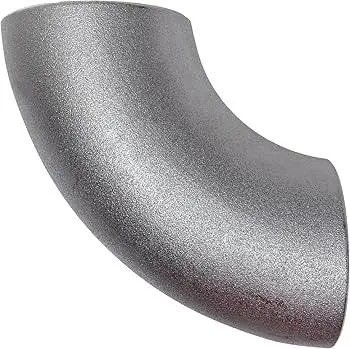
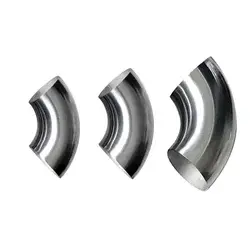
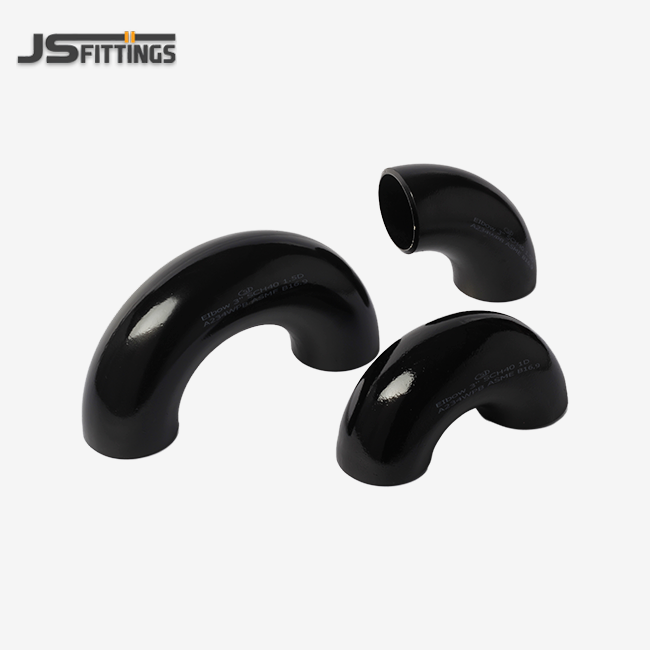
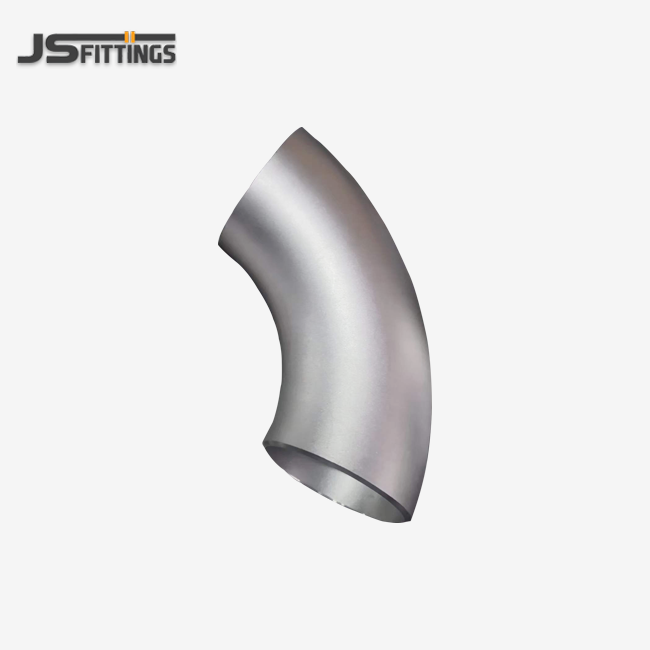
It's not just about size when you choose between a long-radius butt-weld elbow and a short-radius elbow. The type of elbow you choose will directly affect your system's pressure drop, stress distribution, working safety, and long-term upkeep costs. With a centerline radius equal to 1.5 times the standard pipe diameter (1.5D), the long radius buttweld elbow provides better flow and less turbulence, making it a preferred choice for systems with high pressure and high speed.
Short-radius elbows (1D), on the other hand, are compact and cost-effective, but they transition in direction more abruptly, which can cause more wear, more energy loss, and even failure in tough situations. If procurement managers, engineers, and distributors want to keep project risk to a minimum while still making sure compliance and performance, they need to know these differences in order to make choices that balance cost, space, and dependability.
Introduction
Buttweld elbows are very important parts of industrial pipe systems because they make it easy to change directions while keeping the structure strong and the hydraulics working well. Long Radius (LR) and Short Radius (SR) elbows are different in how they curve: LR elbows have a bend radius that is 1.5 times the pipe diameter, while SR elbows have a radius that is the same as the pipe diameter. This seemingly small difference has big effects on pressure drop, stress concentration, installation space, and cost over the whole life of the product.
To get the best system performance, meet safety standards, and stay within budget, procurement managers and tech teams have to deal with these factors. Choosing the right elbow type is important for the success of both the short-term project and the long-term reliability of operations. This is true whether you are an EPC contractor overseeing the expansion of a petrochemical plant, a distributor managing inventory for a wide range of clients, or a facilities manager overseeing upgrades to existing infrastructure. This guide gives you a full comparison based on industry norms and real-world application data, so you can make smart, cost-effective decisions.
Understanding Long Radius and Short Radius Buttweld Elbows
What Defines a Long Radius Buttweld Elbow?
The radius of curvature at the middle of a long-radius butt-weld elbow is 1.5 times the standard pipe size (R=1.5D). These elbows are made by hot forming or mandrel bending, and they are made to handle slow changes in direction, usually at 45°, 90°, or 180°. For the buttweld connection, the ends of the fittings are bevelled so that full-penetration welds can be made straight to the pipes next to them. This makes a stable, leak-proof joint that keeps the structure continuous. The long radius design follows rules like ASME B16.9, ASME B16.25, and EN 10253. It lowers turbulence, frictional pressure drop, and mechanical stress across the fitting more equally.
Defining Short Radius Elbows
The radius of the curve for a short-radius elbow is the same as the diameter of the pipe (R=1D). This tighter bend makes it possible to put pipes in places with limited room, where they have to go around equipment or building structures that are in the way. Even though SR elbows take up less space and material, the greater angle causes more flow resistance, localized stress concentration, and faster erosion at the inner bend, especially in situations with high velocity or abrasive service.
Material and Standard Compliance
Both types of elbows come in a variety of materials that can be used in different situations. As a result of being strong and cheap, carbon steel types like ASTM A234 WPB are used a lot in industry. Stainless steel types (ASTM A403 WP304/304L, WP316/316L) don't rust and can be used in chemical processing and sea settings. Alloy steels (ASTM A234 WP5, WP9, WP11, WP22, and WP91) are used in power plants and refineries for high-temperature tasks. For cold systems to work, they need low-temperature steel types like ASTM A420 WPL6. Following industry standards makes sure that the dimensions are correct, the product has good mechanical properties, and can be tracked. These are all very important for making sure that global supply chains follow the rules and provide quality products.
By knowing these basic differences, engineers and buyers can figure out how well each type of elbow will work in a certain system. The decision between LR and SR designs depends on weighing the pros and cons of hydraulic efficiency, mechanical durability, space limitations, and cost.
Key Differences Between Long Radius and Short Radius Buttweld Elbows
Flow Dynamics and Pressure Drop
The most important difference in efficiency is in how the fluid moves. A long-radius buttweld elbow's smooth curve reduces turbulence and flow separation, which leads to less frictional resistance and less pressure drop. This feature is especially useful in systems that need to save energy and keep the flow speed steady, like major steam lines in power plants or oil pipes with a lot of traffic. Because they change directions quickly, short-radius bends cause more turbulence and pressure loss. Over the life of a building, these errors lead to higher pumping costs and less system capability.
Stress Distribution and Mechanical Integrity
Another important factor is the buildup of mechanical force. Because an LR elbow bends more gently, it spreads out the internal pressure and bending moments more evenly. This keeps the joint from wearing out and increases its service life under repeated loading conditions. This benefit is very important in high-pressure systems that expand and contract with temperature changes, because stress peaks can cause cracks or leaks to form. Because SR elbows have a smaller radius, they experience more stress at the intrados (inner arc) and extrados (outer arc). This makes them more likely to break under steady or changing loads.
Space and Installation Considerations
Short-radius elbows are often chosen because they take up less space. This is especially true in retrofits, underwater installations, or sites with a lot of equipment where pipes have to fit through small spaces. But the tighter geometry reduces mechanical performance and is less effective. Long-radius elbows take up more linear space, but they make planning the layout of pipes easier and eliminate the need for extra support structures to handle stress and shaking.
Lifecycle Cost and Maintenance
The initial price difference is typically minor; SR elbows are slightly more economical due to lower material consumption.But, looking at the whole lifespan shows that SR elbows usually have a higher total cost of ownership because they use more energy, experience faster erosion or thinning, and can break down early. With better flow efficiency and mechanical robustness, LR elbows allow for longer maintenance gaps and lower operational risk, which are qualities that industrial end users who care about uptime and dependability really value.
These differences show how important it is to match the elbow choice to the needs of the system. To get the most value for money and make sure the project succeeds, procurement pros have to weigh short-term budget concerns against long-term operating and maintenance needs.
How to Choose Between Long-Radius and Short-Radius Buttweld Elbows for Your Project?
Evaluating Pressure and Temperature Conditions
The main factor is the system's working settings. When you need to work with high pressure and high temperatures, like in thermal power plants with supercritical steam systems, offshore oil and gas transmission lines, or petrochemical processing units, you usually choose long-radius butt-weld elbows. Because they can handle rough conditions and spread out stress, they are necessary in situations where safety must be prioritized. In low- to moderate-pressure systems, such as HVAC, drainage networks, or utility piping, where flow efficiency is less important than room utilization, short-radius elbows may be fine.
Space Constraints and Piping Layout
When there are strict physical limits on floor room, vertical clearance, or existing infrastructure, short-radius elbows make things more compact. But engineers should carefully think about whether the efficiency and durability losses are worth the space savings. Long radius fittings can often be used without spending a lot of money if clever pipe design or modular layout changes are made. This leads to better long-term results.
Application-Specific Requirements
For some uses, long-radius layouts are necessary no matter how much room is available. When oil and gas are sent through pipelines, pigging operations typically prefer a minimum bend radius of 1.5D so that inspection tools can move along the line without getting stuck or damaging it. Long radius designs are also good for slurry transport systems and erosive service settings because they lower velocity slopes and wear rates. On the other hand, static or low-speed systems that don't need to be used very often may be able to handle the limits of small-radius elbows.
Supplier Certification and Material Traceability
Decisions about procurement go beyond requirements for shape and materials. Trustworthy sellers give full quality records, such as 3.1 Mill Test Certificates (MTC) per EN 10204, which show that the chemical makeup and mechanical traits of the raw materials can be traced back to Tier-1 mills like Baosteel or Tsingshan. Certifications like ISO 9001, CE, GOST-R, and client-specific approvals (PETROBRAS, NIOC, ADNOC) show that strict rules for making and testing have been followed. Non-destructive testing (NDT), which includes ultrasonic testing (UT) and magnetic particle inspection (MPI for ferromagnetic materials), finds flaws inside and cracks on the outside, making sure that the product will work well in serious situations.
Working with skilled makers who know global standards and have strong quality control systems lowers the risk of buying things, makes sure they are delivered on time, and helps with meeting tender requirements, all of which are very important for EPC contractors and government building projects.
Installation and Maintenance Considerations
Pre-Installation Preparation and Inspection
Before welding, check the dimensions, bevel angles, and uniformity of wall thickness to make sure the fit-up is successful. Precision beveling, which can be done with advanced CNC cutting in line with ASME B16.25, makes on-site welding faster and more reliable and cuts down on the need for repairs. By checking for surface flaws, proper alignment, and cleaning, you can avoid contamination and weak parts that could weaken the system.
Welding Techniques and Post-Weld Heat Treatment
For full-penetration buttweld joints to work, skilled welders must follow the right welding procedure standards (WPS) for the type of material and thickness of the wall, including long-radius buttweld elbows. Post-weld heat treatment (PWHT) is often required by codes like ASME B31.3 for thick-walled carbon steel components, depending on material and service conditions, to get rid of leftover stresses and stop hydrogen-induced cracks. Fittings made of stainless steel or alloy steel may also need solution annealing or stress release, based on how they will be used.
Routine Maintenance and Inspection
Preventative repair makes fittings last longer and stops expensive, unexpected downtime. Regular checks for rust, erosion, and mechanical damage—especially at the intrados, where wall shrinking is most likely to happen—allow for quick action. Protective layers, cathodic protection, and rust inhibitors keep the surroundings from getting worse. Ultrasonic thickness gauging and infrared testing are used in high-consequence systems to check the stability of the walls and find problems below the surface before they break.
These practices are in line with what industry end users and facilities managers want: to keep costs low over the lifetime, avoid accidents, and ensure reliable long-term performance.
Conclusion
When choosing between long-radius and short-radius buttweld elbows, you have to think about hydraulic performance, mechanical durability, space constraints, and lifecycle cost. Long radius elbows offer better flow efficiency, less stress concentration, and longer service life, making them ideal for high-pressure, high-velocity applications where safety and reliability are essential. Short-radius elbows offer more space efficiency, but they generally cause more turbulence, wear, and maintenance requirements in high-velocity or erosive services. Procurement professionals need to look at operating conditions, application-specific needs, and supplier qualifications in order to make decisions that minimize project risk and support operational excellence. Working with experienced manufacturers gives you access to certified materials, strict quality control, and reliable logistics, all of which are important for success in today's global market.
FAQ
1. Can Long Radius and Short Radius Elbows Be Interchanged in Existing Systems?
While it is physically possible to replace a short-radius elbow with a long-radius buttweld elbow, doing so without an engineering evaluation is not recommended.The higher stress and pressure drop that come with SR elbows can hurt system performance, accelerate component wear, and go against design pressure ratings. Before making any changes, you should always talk to a qualified engineer and look over the relevant codes.
2. What Materials Are Best for Corrosive Environments?
Stainless steel grades like ASTM A403 WP316/316L and duplex steels are very good at resisting corrosion in marine, acidic, and chemical processing environments. For very aggressive media, exotic alloys like Inconel or Hastelloy may be needed. The choice of material should be based on how well it works with the fluid being transported, the temperature at which it will be used, and its exposure to corrosion from the outside.
3. How Does Radius Length Affect Pressure Ratings?
The longer curvature radius of LR elbows spreads internal pressure more evenly, lowering stress concentrations in certain areas and supporting higher pressure ratings. This design feature improves mechanical integrity and extends service life, especially when pressure conditions change over time. This makes long-radius buttweld elbows the best choice for high-stakes, critical situations.
Partner with JS FITTINGS for reliable long-radius buttweld elbow supply.
Choosing the right parts from a reliable long-radius buttweld elbow manufacturer is the first step to optimizing your piping system. JS FITTINGS has been making high-quality products for 40 years and has the quality assurance, advanced testing, and global logistics knowledge to support your most difficult projects. Whether you need standard configurations or custom-fabricated solutions, our team provides certified materials, precise fabrication, and quick service for EPC contractors, distributors, government projects, and industrial end users.
Contact us today at admin@jsfittings.com for personalised quotes, technical advice, and access to our large inventory of buttweld elbows that are compliant with ASME, GOST, EN, and DIN. Our experienced team responds within one hour and offers OEM/ODM support, flexible trade terms, and full-cycle after-sales service.
References
1. American Society of Mechanical Engineers (ASME), "ASME B16.9: Factory-Made Wrought Buttwelding Fittings," ASME International, 2018.
2. American Society of Mechanical Engineers (ASME), "ASME B16.25: Buttwelding Ends," ASME International, 2017.
3. American Petroleum Institute (API), "API 570: Piping Inspection Code: In-Service Inspection, Rating, Repair, and Alteration of Piping Systems," API Publishing Services, 2016.
4. British Standards Institution (BSI), "BS EN 10253: Butt-Welding Pipe Fittings," BSI Standards, 2016.
5. Manufacturers Standardization Society (MSS), "MSS SP-43: Wrought Stainless Steel Butt-Welding Fittings," MSS Standards, 2014.
6. National Association of Corrosion Engineers (NACE), "NACE SP0169: Control of External Corrosion on Underground or Submerged Metallic Piping Systems," NACE International, 2013.
Send Inquiry
Related Industry Knowledge
- Sourcing Custom Steel Flange: A Buyer’s Guide to Working with a Manufacturer
- Long Radius Buttweld Elbow vs Short Radius Elbows: Which One to Use?
- ASTM A263/A264 Standard for Corrosion-Resistant CRA Clad Pipe
- How thick is the FBE Coated Steel Pipe?
- What Is The Difference Between Different Grades Of API 5L Seamless Steel Line Pipe In Performance?
- Slip-On Flange Uses and Applications
- What ANSI Pipe Flanges Are Commonly Applied Today?
- ASME B16.9 Buttweld Tee Dimensions and Weight Guide
- Does ASME require hydrotesting for a blind flange?
- What is carbon steel pipe used for?