
What are butt weld fittings?






2026-05-18 11:12:38
Butt weld fittings are specialized pipe components designed to create permanent, high-strength connections in industrial piping systems through welding processes. The beveled ends of these fittings make full penetration welds with connecting pipes easier. This creates a seamless metal structure that eliminates potential leak paths. Butt weld fittings, as opposed to threaded or socket connections, become physically integrated into the pipeline, offering superior strength and dependability for demanding uses in the oil and gas, chemical processing, and power generation industries.
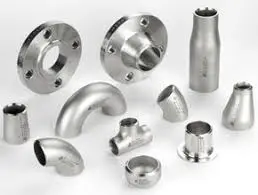
Overview of Butt Weld Fittings
Welded pipe fittings are critical components of industrial piping systems that need to have solid links that won't leak. These parts work together to make joints that don't leak and keep the structure strong even when there is a lot of pressure, heat, or corrosion.
Core Functions and Applications
Connections in industrial pipe systems need to be strong enough to handle the rough demands of moving fluids and gases. Welded fittings perform well in situations where mechanical parts would break because of vibration, changing temperatures, or chemical exposure. The welded joint eliminates the leak paths that come with threaded connections, which makes these parts necessary for moving dangerous or high-pressure fluids.
These parts are used in hydrocracking units and distillation towers at petrochemical plants, where temperatures can exceed 500°C and pressures can exceed 3000 PSI. The fact that the connection is permanently welded prevents the escape of volatile hydrocarbons that could happen with mechanical parts when the temperature changes. For the same reason, pharmaceutical and semiconductor factories use polished stainless steel versions for Water for Injection (WFI) loops. The clean internal joint makes orbital welding possible without leaving spaces for bacteria to grow.
Material Selection and Properties
In industrial settings, the choice of material has a direct effect on how well it works, how long it lasts, and how much it costs. Based on the surroundings and the needs of the job, each material has its own unique benefits.
Prized for its exceptional strength-to-cost ratio, carbon steel is the workhorse material for general industrial applications. These fittings deliver robust performance under moderate temperatures and pressures and offer excellent weldability, simplifying field installation. Stainless steel types work well in places where they can rust. For marine and chemical processing applications, 316L grades offer better resistance to chloride-induced corrosion. Chromium, molybdenum, and other elements are added to alloy steels so they can handle the high temperatures and high pressures in power plants.
When choosing a material, things like the working temperature range, the pressure needs, exposure to corrosive media, and cost are all taken into account. To make sure the system works at its best for as long as it's in use, engineering teams compare these factors to the material specs.
Advantages Over Alternative Connection Methods
There are many important reasons why welded links are the best choice for important tasks. The continuous metal structure makes the system stronger overall and gets rid of the weak spots that come with mechanical links.
Welding creates structural consistency, which makes it more resistant to wear caused by vibration and heat expansion. This quality is very useful for uses that are offshore or subsea, where ocean currents and waves cause huge dynamic loads. The matching internal bore of butt weld fittings to the inside diameter of the pipe reduces noise and pressure drops, keeping the pump's efficiency in long-distance pipeline systems.
Types and Specifications of Butt Weld Fittings
Knowing the different kinds and how they can be used lets you make an informed choice for a wide range of industrial needs. In the design and usefulness of a piping system, each type of fitting is used for a different reason.
Primary Fitting Categories
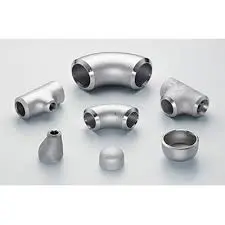
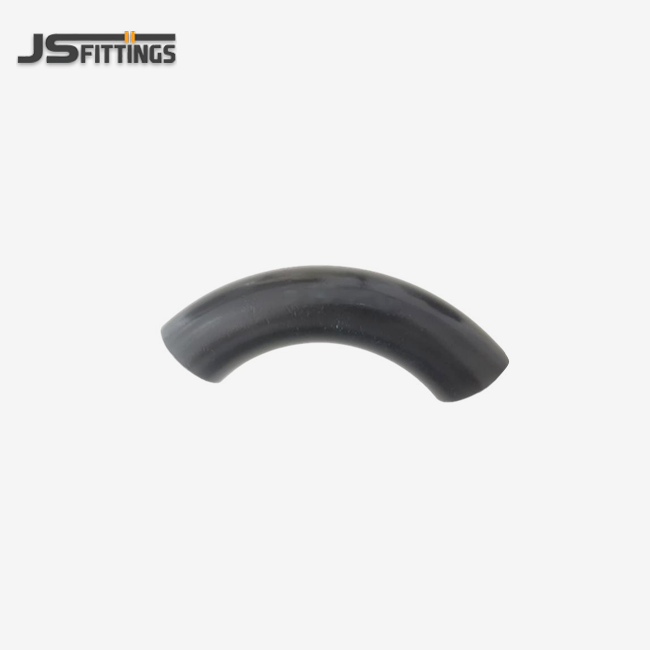
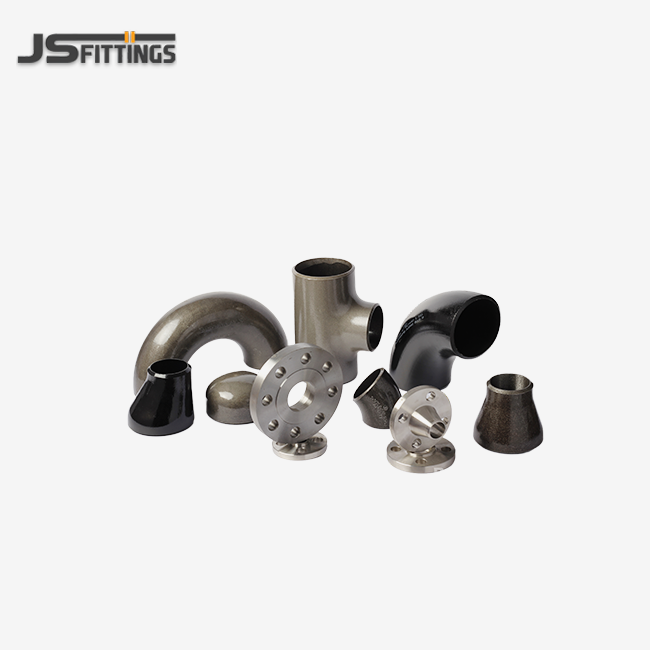
Elbows change the direction of flow at set angles. For sharp changes in direction, 90-degree elbows are most common. Long radius elbows reduce pressure drop and turbulence the most, while short radius types are better for situations where room is limited. The 45-degree shape allows for gentle changes in direction, making it good for situations where less flow restriction is needed.
Tees are used to connect branches in pipe systems. They come in two different shapes: equal and reducing. Equal tees make sure that the pipe width stays the same at all connections, while reducing tees let different pipe sizes fit at the branch link. Cross fittings are similar to tees, but they allow connections in four directions for more complex distribution systems.
Reducers, which come in both circular and eccentric shapes, make it easier to change the width of a pipe from one size to another. Concentric reducers keep the axis straight, and eccentric types keep horizontal lines from getting air pockets. Caps close pipe ends permanently, so you don't need caps that can be taken off in dead-end situations.
Dimensional Standards and Specifications
The ASME B16.9 standard sets the size requirements for butt weld fittings in pipes used in industrial buildings. This standard makes sure that products from different companies work together and makes it easier for parts to be swapped out in global projects. Sizes typically range from NPS 1/2 to NPS 48, but bigger widths can be made to order.
Schedule classes, such as SCH 10, SCH 40, and SCH 80, are used to name wall thicknesses. When used in certain situations, these names match the pressure levels and structure needs of that situation. ASTM A234 covers carbon steel, ASTM A403 covers stainless steel, and ASTM A420 covers low-temperature service uses.
Pressure ratings are aligned with those of mating flanges, making sure that the system works with each other. Temperature limits rely on the type of material. For example, carbon steel can withstand temperatures up to 400°C, while some types of stainless steel can handle higher temperatures based on their alloy makeup.
Butt Weld Fittings vs. Other Pipe Fittings: Making the Right Choice
In order to choose the right fitting type, you need to understand how each connection method works and its limitations, including butt weld fitting dimensions. Based on the needs of the application, this study helps engineers make smart choices.
Performance Comparison Analysis
When it comes to strength, butt weld fittings are better than socket weld, threaded, or flanged options. The full penetration weld makes a single piece of metal that spreads stress evenly across the joint. Because of this, welded links are perfect for high-pressure situations where mechanical parts could break under heavy loads.
Different types of connections require very different installation methods. Welded joints need trained welders and proper heat treatment procedures. Threaded connections are easier to put together but can only handle a certain amount of pressure. Socket weld fittings make it easy to line up the joints while welding, but they can also cause leaks where the socket meets the pipe.
Welded links are better for long-term stability because they are easier to maintain. Once they are put correctly, these joints don't need as much upkeep as flanged connections, which need to have their bolt torque checked and their gaskets replaced on a regular basis. Due to its integral structure, there are no concerns about loosening from vibrations or changes in temperature.
Material Selection Considerations
Whether to use stainless steel or carbon steel relies on the climate, your budget, and how long you expect the product to last. When used in moderately acidic situations, carbon steel is cheaper than other materials. Stainless steel is better at resisting rust and lasting longer in harsh settings. This makes up for its higher starting cost by lowering the number of times it needs to be maintained or replaced.
Different types of alloy steel are designed to handle different problems, such as high temperatures, hydrogen sulfide, and cold environments. While these specialized materials are more expensive, they work reliably in harsh circumstances where regular materials would fail.
The economic evaluation covers the cost of the materials at the start, the cost of installation, the cost of upkeep, and the expected length of service. Total cost of ownership research often suggests that higher-quality products are better, even if they cost more at first.
How to Select and Install Butt Weld Fittings for Industrial Projects?
Choosing the right products and following the right fitting steps will guarantee that effective performance and safety standards are met. These rules help project teams stay away from common mistakes that could damage the security of the system.
Selection Criteria for High-Pressure Applications
When working with high pressure, you need to pay close attention to the qualities of the material, the thickness of the walls, and the way you join. When figuring out a pressure rating, you have to take into account how temperature affects the rating, how much corrosion is allowed, and the safety factors that are set by rules like ASME B31.3 for process pipes.
For pressure vessel applications, being able to track materials becomes very important. Mill test papers confirm the chemical makeup and mechanical properties of a substance, making sure it meets the requirements set by the designer. Some alloy types may need to be heated in a certain way to get the mechanical qualities and stress relief that are wanted.
Installation Best Practices
Verifying the material and checking the dimensions are the first steps in a proper fitting. According to ASME B16.25 standards, fitting ends need to be prepared, which includes checking the bevel angle and meeting surface finish requirements. Alignment processes make sure that things fit together correctly and stop stress buildup that could cause things to break too soon.
The steps used for welding have to be approved according to ASME Section IX or a similar standard. How much preheating is needed depends on the type of material and how thick it is. For stress release, post-weld heat treatment may be needed. Non-destructive testing, such as x-ray or ultrasound examination, checks the quality and stability of the weld.
Some quality control methods are visual inspection, dimensional inspection, and pressure tests. For legal compliance and future reference, documentation needs to include material certificates, standards for the welding process, and inspection records.
Procurement Guide: Buying Butt Weld Fittings for B2B Clients
As part of a robust strategic sourcing plan, suppliers must be rigorously evaluated based on their quality certifications, proven performance capabilities, and the depth of their technical support. This all-around method makes sure that the project is carried out well and that the total cost of ownership is kept as low as possible.
Quality and Certification Requirements
Verification of material quality starts with checking the qualifications and certifications of the seller. ISO 9001 quality management systems offer a basic guarantee, while industry-specific certifications, such as ASME certification, show that a company has specific skills. Third-party testing organizations can check the properties of materials and make sure they meet standards for size and shape.
Mill test papers confirm the chemical makeup and mechanical properties of each heat of material. These papers make it possible to track a product from the raw materials it comes from to the finished product. This helps with quality checking and following the rules. The standards for a certificate should list the test methods, sampling methods, and acceptance factors.
Supplier sites should keep the right testing tools on hand, like spectrometers for analyzing chemicals and industrial testing machines to check for strength. Calibration tools make sure that measurements are correct and that test results can be trusted.
Supplier Evaluation and Selection
A review of manufacturing potential looks at things like production capacity, quality systems, and technical knowledge. Site trips give you information about how things are made, how well the equipment is working, and how skilled the workers are. Checking with current customers for references shows a company's past success and ability to solve problems.
On-time delivery rates, order accuracy, and damage rates are some of the delivery performance measures that affect project costs and plans. Suppliers should show that they can work well on a variety of jobs and with different customers. Delivery times and costs are affected by where the package is being sent, especially for pressing needs or big orders.
Technical support services include available are engineering help, unique fabrication, and quick problem settlement. Value-added services, such as design optimization and standard creation, can be offered by suppliers with strong expert teams.
Conclusion
Butt weld fittings represent the gold standard for permanent piping connections in demanding industrial applications. Their superior strength, leak-proof characteristics, and structural continuity make them indispensable for high-pressure, high-temperature, and corrosive service conditions. The comprehensive understanding of types, specifications, selection criteria, and installation procedures enables informed procurement decisions that optimize system performance and total cost of ownership. If you evaluate your suppliers properly, you can be sure that you can obtain high-quality products with reliable technical help and delivery.
FAQ
1. What pressure ratings are available for butt weld fittings?
Pressure ratings are typically aligned with ASME pressure classes, including Class 150, 300, 600, 900, 1500, and 2500. The actual pressure capability depends on material grade, wall thickness, and operating temperature. Carbon steel fittings are available across pressure classes up to Class 2500, with actual pressure capability depending on temperature, wall thickness, and design conditions.
2. How do butt weld fittings compare to socket weld fittings in terms of durability?
Butt weld fittings provide superior durability through full penetration welds that create continuous metal structures. Socket weld fittings have potential leak paths at the socket-pipe interface and crevice corrosion concerns. The strength advantage becomes more pronounced in high-pressure applications where socket welds may experience stress concentrations, leading to premature failure.
3. What are the key material selection considerations for corrosive environments?
For uses in corrosive environments, it's important to choose the right materials based on the chemicals that are present, their concentration levels, and the temperatures at which they will be used. Grades 316 and 316L of stainless steel are very resistant to salt, while duplex stainless steels can handle harsher circumstances. Hastelloy, Inconel, and other specialized metals can be used in very harsh environments where regular stainless steels would fail.
Partner with JS FITTINGS for Premium Industrial Solutions
JS FITTINGS makes high-quality butt weld fittings and has done so for over 40 years, working on projects all over the world. Our wide range of products includes fittings made from carbon steel, stainless steel, and alloy steel that are all made to ASME B16.9 standards and come with full approval and tracking. As a trusted manufacturer and premier supplier for major energy corporations like NIOC, ADNOC, and Petrobras, we guarantee uncompromising quality, exceptional reliability, and on-time delivery for your most critical projects. Send an email to admin@jsfittings.com to get prices and technical advice that are made just for you from our engineering team.
References
1. American Society of Mechanical Engineers. "ASME B16.9 Factory-Made Wrought Buttwelding Fittings." 2018; New York: ASME Press.
2. You, R. K. "Welded Steel Pipe Fittings: Design, Fabrication, and Installation Guidelines." Industrial Piping Journal, Vol. 45, No. 3, 2019, pp. 78–92.
3. Chen, L. A. Martinez and J. The Process Engineering Quarterly magazine has an article called "Material Selection Criteria for High-Pressure Piping Systems." 28, no. 2, 2020, pp. 156–171.
4. Thompson and A. S. "Quality Assurance in Pipe Fitting Manufacturing: Standards and Best Practices." Manufacturing Technology Review, no. 12, no. 4, 2019, pp. 23–37.
5. In Chemical Processing International, Rodriguez, M. P. wrote an article called "Comparative Analysis of Pipe Connection Methods in Industrial Applications." 33, no. 1, 2021, pp. 45–58.
6. Wilson and D. R. and Kumar, S. "Installation and Inspection Guidelines for Welded Pipe Fittings." Pipeline Engineering Handbook, 3rd ed., Technical Publications, 2020, pp. 234–267.
Send Inquiry
_1775029585391.webp "Buttweld Elbow")
_1775029549981.webp "Buttweld Tee")
Related Industry Knowledge
- ASTM A105 Weld Neck Flange: Complete Guide
- Getting to Know ASTM A53 ERW Pipe: Characteristics & Uses
- Lap Joint Pipe Flanges: Everything You Need to Know
- Buttweld Tee Pressure Ratings Explained for Industrial Piping
- How to Select the Right Buttweld Bend Radius (3D–20D)
- Buttweld Elbow vs Socket Weld Elbow: Key Differences Explained
- ASME B16.9 Buttweld Tee Dimensions and Weight Guide
- Why Is Long Radius Buttweld Elbow Preferred in Oil & Gas?
- What are butt weld fittings?
- How are stainless steel butt weld fittings measured?