
What Facing Types Suit a Carbon Steel Forged Steel Flange?






2026-07-08 10:06:29
Picking the right flange facing when describing pipe connections for chemical plants, remote platforms, or refineries can help stop huge leaks and expensive downtime. When you pair a carbon steel forged steel flange with the right face type, like a raised face for moderate-pressure uses, a flat face for low-stress settings, or a ring-type joint for harsh conditions, the flange will work best. If you match the facing shape to the pressure, temperature, and medium in your system, you can ensure proper gasket performance and long-term sealing reliability and operational safety across your infrastructure.
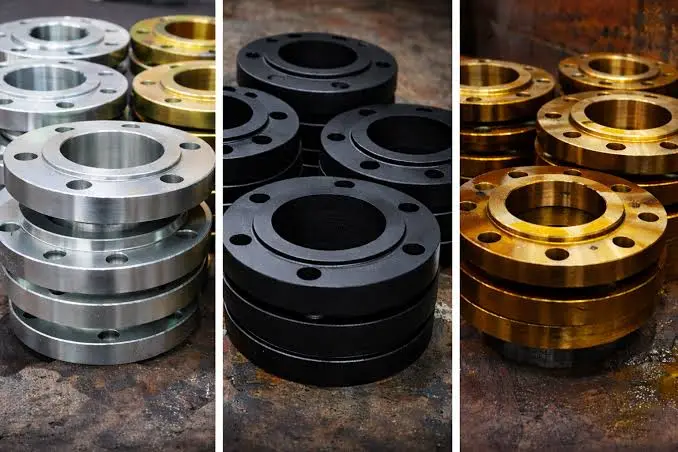
Understanding Carbon Steel, Forged Steel Flanges, and Facing Types
Carbon steel forged steel flanges are what keep oil, gas, and industrial processing plants' pipes connected safely. At JS Fittings, we make these important parts using a high-pressure mechanical forging method that smooths out the internal grain structure and gets rid of the holes and gas pockets that are common in cast options. This way of forging gives the flanges better mechanical qualities, which means they can handle high-pressure spikes and extreme temperature changes without cracking inside.
We offer a wide range of products, from weld neck flanges for vital high-pressure service to blind flanges that are used to seal the ends of pipelines. We follow the main standards, such as ASME/ANSI B16.5 for sizes 1/2" to 24", ASME B16.47 Series A and B for 26" to 60" large-diameter uses, and DIN/EN 1092-1 for European metric requirements. Our pressure levels cover Class 150 to Class 2500 and PN6 to PN64, making sure that our parts can handle a wide range of industrial settings.
What Makes Flange Facing Types Different?
The facing type determines how the flange surface touches the gasket, which has a direct effect on how well the seal works and how well the system works as a whole. These are the most common configurations:
- Raised Face (RF): The flange body has a raised circular surface that continues above it. This makes the gasket squeeze more tightly in a smaller contact area. This design works well in mild to high-pressure situations where the bolt load can be spread out evenly across the seal.
- Flat Face (FF): The flange's whole surface stays flat on the bolt circle, making sure that the seal contacts the whole face evenly. This set-up works well in low-pressure systems or when linking to tools made of cast iron or other brittle materials.
- Ring-Type Joint (RTJ): A metal ring gasket fits into a cut slot on the flange face, making a metal-to-metal seal. This face works great in places with a lot of pressure and heat where elastomeric seals would fail.
- Tongue and Groove (T&G): One flange has a raised ring (tongue), and the matched flange has a matching recess (groove). This makes sure that the two flanges are perfectly aligned and helps avoid leaks in serious situations.
Knowing these differences helps engineers and procurement managers get the most out of flanges, making sure they fit properly and work with a wide range of industrial systems.
Manufacturing Standards That Drive Facing Selection
The standards for face are the same as those for flange measurements. For both raised and flat faces, ASME B16.5 lists the serration designs, finish grades, and size limits. The groove sizes for RTJ facings are set by ASME B16.20, which makes sure they work with normal ring seals. When looking for flanges, making sure the company follows these standards is the best way to make sure they will work with other parts and seal properly in setups that use parts from more than one source.
Criteria for Selecting the Right Facing Type for Carbon Steel Forged Steel Flanges
To choose the right face, you need to look at how your system works, where it will be installed, and how often it needs to be maintained. If you don't take these things into account, you could end up with safety issues, premature flange degradation, gasket failure, or unexpected shutdowns.
Pressure and Temperature Operating Envelopes
Pressure class has a direct effect on the choice of face. Most of the time, raised-face setups with spiral-wound or compressed fiber gaskets are used for Class 150 and 300 uses. When the pressure goes up to Class 600 or higher, ring-type joint facings are needed to keep the seal intact even when the bolt loads and internal forces are greater. Temperature is also important. Systems that use high-temperature steam or thermal oil need facings that can expand with the temperature without warping the gasket contact areas.
Pressure-temperature numbers from ASME/ANSI standards help set safe working limits. A Class 300 RF plate made of ASTM A105 carbon steel can hold full pressure up to 300°F, but it loses pressure as the temperature rises. If you know about these shapes, you won't choose a face type that can't safely hold your process conditions.
Fluid Medium and Corrosive Environments
The type of liquid being moved—oil, gas, water, chemicals, or steam—affects both the facing type and the surface finish. To keep gaskets from weeping, corrosive fluids such as sulfuric acid or saltwater require superior surface finishes and optimal gasket compression in carbon steel-forged steel flanges. Hardened facings or top materials that don't wear away over time are good for abrasive slurries.
RTJ facings work best in places where there is a lot of vibration, like such as reciprocating compressor discharge lines or rotating machinery connections. In ring joint designs, the metal-to-metal contact stops the gasket from walking out and relaxing, which happens a lot with rubber seals that are constantly moving.
Surface Finish and Alignment Tolerances
How well a seal seats depends on the surface finish, which is measured in microinches or Ra values. JS Fittings' CNC machining centers precisely grind or smooth the faces of flanges, making sure that seals fit properly and stopping leaks in high-vacuum or high-pressure settings. Raised face flanges usually have a finish that is serrated every 125 to 250 microinches. This makes small grooves that grip the gasket and keep it from slipping when pressure is applied.
Accurate measurements for bolt hole alignment and flange diameter cut down on the time needed for fitting in the field. If you have flanges that line up properly with matched equipment, you won't have to make any changes in the field while your team is there. This saves time, money, and effort.
Compliance With Industry Standards and Certifications
Following API, ASME, and ISO norms guarantees quality that can be tracked and dependable joint performance. Specifications for buying things should include the relevant standard, like ASME B16.5 or DIN EN 1092-1, and need mill test results that show the material's make-up, mechanical qualities, and size compliance. We at JS Fittings have foreign certifications like ISO, CE, and GOST-R. We are also a qualified source for big oil companies like Petrobras, the National Iranian Oil Company, and the Abu Dhabi National Oil Company.
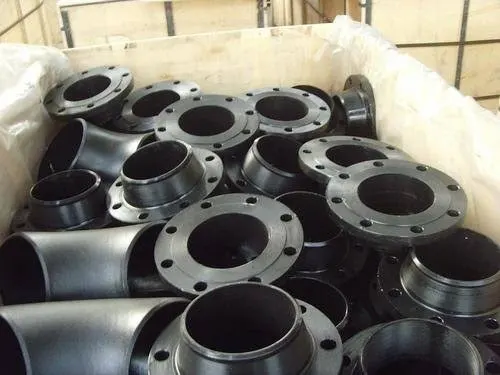
Comparing Facing Types: Benefits and Limitations for Carbon Steel and Forged Steel Flanges
Different types of facing have their own pros and cons. Cost-effectiveness and system stability are both improved by matching the facing to your operating needs for carbon steel and forged steel flanges.
Raised Face: The Industry Standard for Moderate Pressure
In Class 150 through Class 600 pipe systems, raised face flanges are used for most installs. Because the raised surface focuses the tension of the gasket, less bolt load is needed to make a leak-free seal. This design works with a lot of different gasket materials, from spiral-wound for oils to compressed fiber for water service.
The main problem is that it can get out of line during fitting. If the bolt holes aren't lined up right, the higher surface can make the seal compress unevenly, which can cause leaks in the low-compression areas. This risk can be reduced by keeping tight limits during production and putting things together carefully in the field.
Flat Face: Simplicity for Low-Pressure Applications
With flat face flanges, the raised ring is not needed, so the gasket tension is spread out evenly across the whole face. This style works well in low-pressure, non-critical settings like cooling water systems or low-temperature HVAC pipes. Due to the even spread of load, flat-face setups also work well with equipment that has cast iron or other brittle flanges.
The trade-off is that the sealing doesn't hold up as well under high pressure. Higher bolt loads are needed to keep the seal from blowing out when there isn't a raised area to hold it in place. That's why flat-face flanges are typically used in Class 150 and lower-pressure applications.
Ring-Type Joint: Superior Seal Integrity for Extreme Conditions
Ring-type joint facings work really well in places with a lot of pressure, heat, and harsh chemicals. The metal ring gasket, which is usually made of soft iron, stainless steel (such as SS304 or SS316), or nickel alloys such as Monel, bends when the bolt is tightened. This makes a metal-to-metal seal that provides excellent resistance to leakage under high-pressure and temperature conditions. This setup is commonly used for API wellhead equipment, offshore production platforms, and refinery process units where high-pressure and high-temperature sealing is required, typically in Class 600 and above service.
The primary limitations are higher manufacturing costs and increased installation complexity. To make RTJ flanges, the groove sizes need to be precisely machined, and metal ring gaskets are more expensive than rubber ones. Maintenance teams must also make sure that groove surfaces don't get damaged between turnarounds, since rust or scratches can make the seal less effective.
Tongue and Groove: Precision Alignment for Critical Service
Tongue and groove (T&G) facings help with alignment and stop leaks in situations where flange faces need to be placed exactly. The overlapping design stops the gasket from moving laterally and keeps the sealing sides from moving out of round even when the temperature rises. This setup is used in cryogenic service, high-purity chemical processes, and making medicines, where even small leaks are not acceptable.
The limitation makes it harder to swap things out. Tongue-and-groove flanges have to be put in pairs that match, which makes upkeep and system changes less flexible. The extra steps of machining also make it more expensive to make than normal raised-face versions.
How to Maintain and Inspect Facing Surfaces on Carbon Steel and Forged Steel Flanges?
For the carbon steel forged steel flanges to work at their best, the facing areas must be checked and maintained on a regular basis to stop leaks and failures. Not doing these things can cause gaskets to wear out, rust to happen, and eventually cause system leaks.
Routine Inspection Protocols
During every repair or turnaround time, there should be a visual review. Check the facing surfaces for rust pits, erosion lines, and damage caused by impact or incorrect gasket removal. Check for distortion or warping with a straight edge or feeler gauge. Deviations in flatness greater than 0.003 inches per inch of diameter can stop the seal from fitting properly.
Using surface roughness tools to take mechanical readings ensures that finish values stay within the parameters. If a raised face has been polished too many times, the serrations that are needed for gasket grip may be lost. This means that the flange needs to be replaced instead of being used again.
Corrosion Protection and Proper Handling
At JS Fittings, we treat our carbon steel flanges with high-grade industrial black paint, yellow oil, or hot-dip galvanizing to keep them from rusting while they are being shipped by sea or stored in a building. These coats make sure that flanges come ready to be put in place without any surface rust that could get in the way of gasket compression.
When moving flanges, don't drop them or stack them face-to-face without covering them first. Even small scratches on the groove of a ring-type joint can make leak routes that weaken the seal. Keep flanges on their sides in a dry place, and if you're going to store them for longer than six months, put rust-preventative oil on the faces that will be visible.
Criteria for Facing Repair or Flange Replacement
A flange facer tool can often be used to fix small scratches on the surface of raised-face flanges. Deep gouges, serious rust, or warping that goes beyond the limits of tolerance, on the other hand, mean that the whole flange needs to be replaced. The grooves in a ring-type joint are very fragile. If the groove sides or radius gets damaged, the joint usually needs to be replaced because fixing it wrong can cause the ring gasket to extrude and fail catastrophically.
When deciding whether to repair or replace the damaged flange, you should look at how long it has been used and how thick the wall is now. If a flange has been replaced more than once, it may not have enough material for another fix cycle. This means that replacing it is safer and more cost-effective.
Conclusion
Choosing the right face type for your carbon steel forged flange has a direct effect on the safety of the system, its dependability, and its costs over its entire life. For moderate-pressure uses, raised face configurations are flexible, and ring-type joint facings offer the best seal stability in harsh situations. Flat face and tongue-and-groove choices meet special needs for installation and equipment compatibility. You can choose the best facing if you know your working conditions, such as the pressure class, temperature ranges, fluid properties, and external factors. Working with certified makers who follow strict quality standards and offer full technical support will make sure that your flanges don't leak during their entire working life.
FAQ
1. Can I interchange flange facing types on existing installations?
Before switching face types, you need to carefully check that the gaskets will work with each other and that the bolts can handle the load. If the nominal size and pressure class match, certain facing types can be mated under specific engineering limits; for instance, bolting a Raised Face (RF) flange to a Flat Face (FF) cast iron flange is strictly avoided to prevent cracking the cast iron.But if you want to change from RF to RTJ or T&G, you have to replace and properly match both flanges in the joint. This is because these setups need specific mating shapes.
2. How does facing type affect gasket selection?
The gasket's material and shape are based on the facing type. Depending on the working conditions, raised-face flanges can hold spiral-wound, compressed fiber, or elastomeric seals. Ring-type joint facings need metal ring covers that are made of stainless steel, soft iron, or other special materials. Full-face seals that go all the way around the bolt circle are usually used for flat-face designs. Always look at gasket maker compatibility charts before choosing a combo.
3. What certifications should I check when purchasing forged flanges?
Need mill test results that show the material's composition according to ASTM standards, its mechanical qualities, such as its tensile and yield strengths, and that it meets ASME or DIN standards for size. Certifications from third parties, like CE and GOST-R, and approval from big energy companies prove that the products are of high quality and can be tracked all the way through the supply chain.
Partner With JS Fittings for Certified Carbon Steel Forged Flange Solutions
JS Fittings can help you with your important pipe jobs because they have been making things for over 40 years. We keep our ISO 9001 quality systems up to date and are a recognised provider of carbon steel forged steel flange solutions to big energy companies around the world. Our 700 tonnes of flanges made every month and shipping rate of over 95% on time make sure that your project plans stay on track. Our engineering team can help you figure out which face types will work best for your needs, whether you need Class 150 Raised Face flanges for normal use or Class 2500 Ring-Type Joint configurations for harsh situations. Email us at admin@jsfittings.com to talk about your needs and get a competitive price that is made just for your job.
References
1. American Society of Mechanical Engineers, "ASME B16.5: Pipe Flanges and Flanged Fittings," 2020 Edition.
2. American Petroleum Institute, "API 6A: Wellhead and Christmas Tree Equipment," 21st Edition, 2018.
3. European Committee for Standardization, "EN 1092-1: Flanges and Their Joints - Circular Flanges for Pipes, Valves, Fittings and Accessories," 2018.
4. R. W. Schneider and G. A. Antaki, "Pressure Vessel and Piping Design and Analysis," ASME Press, 2019.
5. M. J. Barletta and T. R. Davis, "Gasket Selection and Application in Industrial Piping Systems," Journal of Pressure Vessel Technology, Vol. 142, 2020.
6. International Organization for Standardization, "ISO 7005: Metallic Flanges - Part 1: Steel Flanges," 2011.
Send Inquiry
_1775030068227.webp "ASTM A105 Weld Neck Flange")
Related Industry Knowledge
- What is CRA clad pipe?
- Carbon Steel Forged Steel Flange in Oil, Gas & Power Plants
- Why Engineers Choose Buttweld Bend Over Mitered Bends?
- Best Buttweld Elbow Materials for Corrosive Industrial Pipelines
- Buttweld Tee Manufacturing Guide: Seamless or Welded?
- What is a threaded flange?
- What is carbon steel pipe used for?
- What is a plate flange?
- What causes porosity in carbon steel pipe welding?
- What is a plate flange used for?