
What is FBE Coated Steel Pipe?






2026-06-30 10:44:39
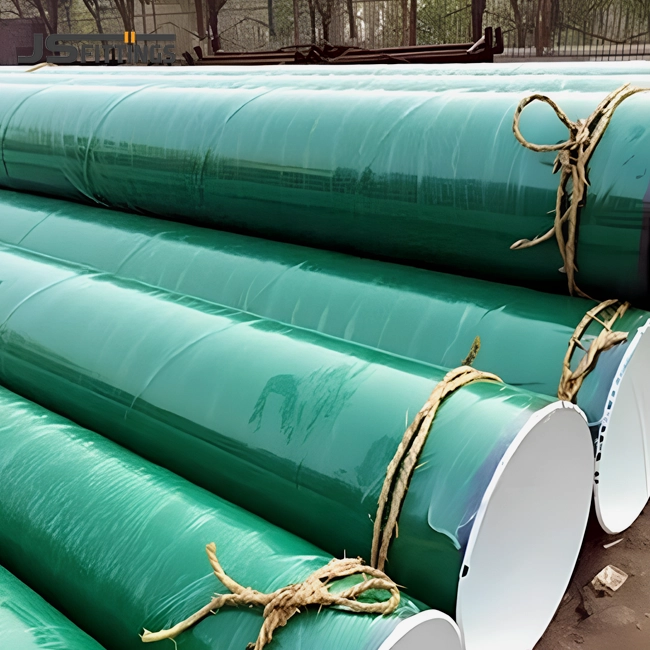
When tubes in industrial structures need to last for decades without rusting, FBE-coated steel pipe is the best choice. When fused together, this thermosetting powder coating makes a barrier that keeps out water, chemicals, and soil corrosion—three things that are always a threat to underground and underwater pipes. Instead of using solvent evaporation as other liquid coatings do, fusion-bonded epoxy goes through a chemical cross-linking process at around 232°C (450°F) that makes a hard, even protective film that sticks to the steel base forever. Electrochemical corrosion in underground infrastructure is a major challenge that this technology helps mitigate. It can enable infrastructure service lives exceeding 50 years in favourable conditions when properly designed and combined with cathodic protection systems.
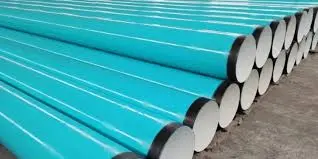
Understanding FBE Coated Steel Pipes: Definition and Core Benefits
What Makes FBE Coating Different from Traditional Protection Methods?
FBE coated steel pipes: definition and function. The fusion bonding process makes this covering technology different from others that are available. Before electrostatically applying epoxy powder, the steel pipes are heated up first. When the powder hits a hot surface, it melts, moves, and forms chemical links that hold the particles together at the molecular level. This is something that liquid paints can't do. This gets rid of the pores and weak points that happen with brush-on or spray-on methods.
Because epoxy is thermosetting, it can't be melted down or broken up again once it's hardened. This cross-linking that can't be undone gives the material great chemical stability against hydrocarbons, alkalis, bacterial action, and soil stress. The coating is a great electrical insulator that stops galvanic rust while still letting cathodic protection currents reach any harmed areas. This is what engineers call "non-shielding".
Core Performance Benefits That Matter to Procurement Teams
Projects need products that have low lifetime costs and meet safety standards. This finishing technology has measured benefits that have a direct effect on project costs and schedules:
- Corrosion Resistance: The barrier that doesn't let air through stops electrochemical processes between steel and its surroundings. Testing in the lab according to NACE RP0394 and data from oil and gas pipeline systems in the field show that safety lasts for many decades. This means that replacement costs will go down, and there will be fewer emergency fixes that stop business.
- Durability Under Mechanical Stress: A Shore D hardness of more than 80 protects against wear and tear during installation, especially in rocky soil. The coating can take cold field bending up to approximately 3° without cracking, which is important for digging in specific directions and adapting to different terrains. Impact resistance stops damage during transport and handling, which lowers the number of rejects at installation sites.
- Chemical and Thermal Stability: Standard formulations work well from -40°C to 80°C. For heated pipes or geothermal uses, high glass transition temperature (Tg) formulations take this range above 110°C. The coating doesn't break down in acidic soils, chloride-rich coastal environments, or when exposed to industrial chemicals. It stays protective in a variety of project sites.
- Adhesion Strength: According to AWWA C213, hot water soak tests always give adhesion a rating of 1-2 on the classification scale, which means that there is almost no disbondment. This stops the movement of corrosive chemicals under the film, making sure that even small flaws in the coating don't cause rust to spread below the surface.
These performance traits of FBE coated steel pipe address the main concerns of EPC contractors who need to manage project risk, sellers who need to keep products reliable, and industry end-users who want to avoid costly downtime. The coating has been used on transcontinental pipes, local water systems, and installations in the ocean. This gives procurement teams the confidence they need when choosing materials for important infrastructure.
How Are FBE Coated Steel Pipes Made? Step-by-Step Overview
Surface Preparation: The Foundation of Coating Performance
Which steps are used to make FBE-coated steel pipes? Surface preparation is the first step in making sure of the quality of the product. Abrasive blasting is used to get steel pipes clean to Sa 2.5 or Sa 3 standards. This gets rid of mill scale, rust, contaminants, and surface flaws. This method makes an anchor shape with a depth of 40 to 100 microns, which gives molecules the mechanical "grip" they need to stick together.
Visual inspection and dust tape tests are used to confirm that the surface is clean. Any kind of pollution, even fingerprint oils, makes bonding worse. Production lines keep the surroundings under control by keeping an eye on temperature and humidity. This is because steel surfaces that are wet don't fuse properly.
Heating and Coating Application
Prepared lines are put into induction heating systems, which raise the temperature of the surfaces to just the right level for powder fusion. Temperatures that are the same all around the pipe ensure that the coating is always the same thickness and cures properly. Infrared pyrometers constantly check the temperature of the surface, and automatic systems change the heating power to keep things running at their best.
The epoxy powder is put on the pipe using electrostatic spray guns while the pipe is still warm. The charged powder particles spread out evenly on the hot surface and start melting and moving right away. The application takes place in controlled spray rooms with powder recycling systems, which make sure that the material is used efficiently and that environmental rules are followed.
Chemical bonding starts when the liquid epoxy touches the steel. The layer runs to fill in any bumps or holes in the surface that were made by blasting. The voltage, powder flow rate, and spray distance are all controlled by the operator to get the desired dry film thickness, which, for single-layer uses, is usually between 300 and 600 microns.
Curing and Quality Verification
The pipe that has been treated goes through controlled cooling zones or settling zones where the epoxy finishes cross-linking. When the powder melts, it turns into a hard, thermoset film that has fully formed chemical and mechanical qualities. Differential scanning calorimetry tests on production samples check the level of cure and make sure that the polymerisation process is complete.
International norms are used for comprehensive quality assurance. High-voltage DC (usually 125V per micron of thickness) is used by holiday detection tools to look at the whole surface of the pipe for pinholes or open spots that could start corrosion. coating thickness gauges to ensure that the film thickness meets project requirements by measuring it several times.
Destructive tests on sample pieces prove that the coating performs as required. In cathodic disbondment tests, samples are exposed to electrolytes and electrical stress for 168 hours (or longer, depending on test specification). The detachment radius is then measured; lower numbers mean better long-term longevity. Testing for flexibility shows that the material can be bent without breaking. Adhesion testing according to ASTM standards makes sure that the bond strength meets or goes beyond what is required by the specifications.
Each pipe (steel pipe fbe coating) in a production facility is linked to a unique production batch, a lot of raw materials, and quality test findings. This paperwork helps make sure that the rules are followed during project reviews and ensures traceability across the supply chain. Certifications from groups like ISO, API, and AWWA show that the company follows foreign manufacturing standards, which is important for buying workers who want to reduce risk.
Comparing FBE Coated Steel Pipes with Other Coating Solutions
Single-Layer FBE vs. Multi-Layer Protection Systems
When evaluating FBE-coated steel pipes against other coating options, it is important to understand that various external protection systems for underground or submerged pipes function in fundamentally different ways. By understanding these differences, procurement teams can select the most appropriate materials tailored to their specific project environments and budget constraints.
The 3PE (3-Layer Polythene) method is the most complete way to stop rusting in the ground for a long time. This setup has an epoxy primer layer that helps with bonding and corrosion resistance, a copolymer glue middle layer, and a polythene topcoat that protects mechanically and doesn't let water through. Standards like DIN 30670 and CAN/CSA Z245.20 control how 3PE is used, making sure that all makers follow the same rules. The polythene layer on the outside is very resistant to impact during installation and guards against wear from moving dirt. 3PE coating is often used for projects that need to last 50 years in harsh settings, like interstate gas transportation and deep-burial water mains, because it keeps water and soil chemicals out almost completely.
Fusion-bonded epoxy can be used on its own and has clear benefits in some situations. The coating is very good at sticking to things and being resistant to chemicals, and it is thinner than multi-layer systems. This lowers the cost of materials and makes the process of sealing field joints easier. Because it's not covering, cathodic protection systems can still work well even if the coating gets damaged. This stops rust from spreading below the layer. This works well for projects that already have cathodic protection in place.
Performance Comparison with Alternative Technologies
Polythene coats focus on being flexible and resistant to impact, so they work well in situations where the ground moves a lot, or rocks hit the covering. Because polythene is a thermoplastic material, it can heal some small scratches by itself when heated. But polythene doesn't have the chemical protection and adhesion power of epoxy systems. This means that under-film moisture may be able to move around in some soil circumstances.
Galvanised steel has a zinc covering that corrodes more slowly than the steel underneath to protect it. This method works well for uses above ground and in mild environments, but it doesn't last long in harsh soils or marine settings. Over time, the coating wears off and needs to be replaced. This is an important lifecycle cost factor to think about for long-term building projects.
Tape wrap systems offer options that can be used in the field, but a lot depends on how they are installed. Vulnerability points are made when there is uneven overlap, contamination during application, or damage from backfill operations. Tape doesn't have the molecular-level binding of fusion bonding, so it comes off more easily and needs to be checked more often.
Selection Criteria for Procurement Decision-Makers
To pick the right covering technology, you need to look at a lot of project-specific factors. Chemical resistance depends on the environment. For example, coatings need to be able to withstand acidic soils, salt settings, or hydrocarbon contact. The operating temperature range affects the choice of material. Standard formulas work well in normal settings, but heated pipes need special versions.
The coating decision is based on how much mechanical force is expected. Strong multi-layer systems work best when digging in a specific direction, the ground is rocky, or the system is buried deep. Single-layer options that save money on materials without sacrificing performance may be possible in settings that are easier on the installation process.
Due to limited funds, the original cost of the materials must be balanced against the total cost of their life. Spending more up front on better protection systems lowers the need for repairs, inspections, and replacements before they're due, which usually leads to a lower total cost of ownership over the life of the infrastructure. Investing in high-quality security systems that stay in good shape for decades is especially helpful for projects that need to last a long time.
When it comes to managing rust, cathodic protection compatibility is important. Non-shielding coatings work well with CP systems, but shielding coatings might need more anodes or higher rectifier outputs, which can raise the cost of installation and running the system.
Bringing in coating experts during the planning step is helpful for procurement teams. Technical advice helps match coating needs to project conditions, making sure that bidding requirements are met and the best cost-performance balance is reached. Manufacturers certified to critical industry standards—such as API 5L for oil and gas, and AWWA C213 for FBE-coated steel water pipes—can guarantee the consistent coating quality that is absolutely essential for the long-term success of your project.
Conclusion
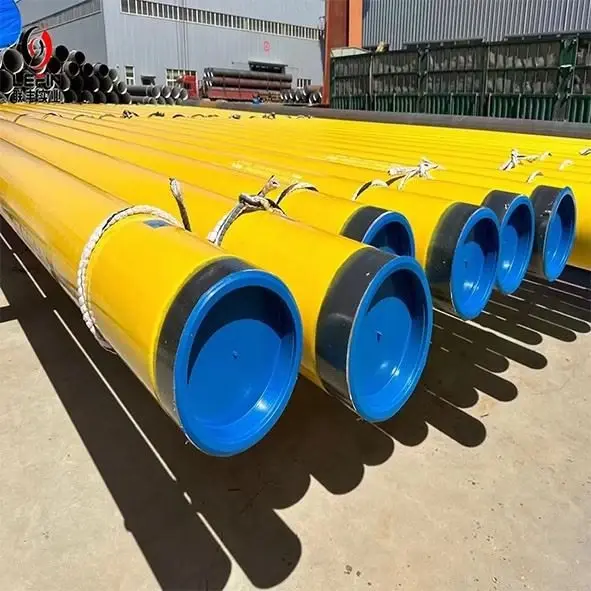
Choosing the right pipeline covering technology has a big effect on how well the infrastructure works and how much it costs over its whole life. FBE coated steel pipe has been shown to protect against rust by sticking to the steel substrate, being chemically stable, and being compatible with cathodic protection in a way that other systems find hard to match. The coating's history in oil and gas gearbox, city water systems, and offshore sites shows that it works, which is something that theoretical specs alone can't do.
For buying to work well, it's important to weigh the prices of materials against their long-term dependability, ability to meet regulations, and suppliers' skills. Critical infrastructure projects need the confidence that comes from manufacturers with complete quality systems, foreign certifications, and decades of production experience. Understanding how coatings are made, their relative benefits, and the selection criteria helps buying teams come up with solutions that get the best results for projects while staying within price and meeting deadlines.
FAQ
1. How long does fusion-bonded epoxy coating protect pipelines?
How long the protection lasts relies on the surroundings, the thickness of the coating, and how well it is maintained. When installed correctly and in normal soil conditions, FBE-coated steel pipe systems will safely last 20 to 30 years. In harsh settings with lots of chloride or acidic soils, this time frame may be shortened. On the other hand, in benign situations, safety lasts longer than 40 years. Regular checks on the cathodic protection and coatings help estimate how much service life is left and choose the best time for repair. Controlled curing conditions and thorough quality testing that can't be done in the field make factory-applied coatings typically better than options that are applied by hand.
2. What environmental benefits does this coating technology offer?
The powder-based recipe doesn't use any solvents and doesn't release any volatile organic compounds when it's applied, which meets the needs of stricter air quality rules in industrial areas. There are no harmful trash streams created during production, which makes environmental permits easier. The longer service life of the pipeline means that it doesn't need to be replaced as often, which lowers the carbon footprint of infrastructure systems. During decommissioning, the absence of hazardous coating residues allows the steel to be safely processed using standard recycling protocols. These significant environmental benefits perfectly align with modern government procurement regulations, which increasingly demand strict sustainability and corporate social responsibility (CSR) commitments when selecting infrastructure materials.
3. Why choose factory coating over field application?
Consistent surface preparation, exact temperature control, and full quality testing are all possible in a factory setting that isn't possible on a building site. Weather freedom gets rid of changes in temperature and moisture that hurt the quality of field coatings. Automated application systems make sure that the thickness and spread are the same all over, and holiday recognition checks every surface of every pipe, which is more thorough than most field teams can do. Before a shipment, performance samples are tested in the lab to make sure they work. This gives written proof that the methods used in the field are not cost-effective to provide. Because the quality is consistent, there is less chance of long-term failure. This makes factory coating the best choice for vital infrastructure where reliability supports small price increases.
Partner with JS FITTINGS for Premium Coated Pipeline Solutions.
Buying something has long-lasting effects that go far beyond the original cost of the item. At JS FITTINGS, our more than 40 years of experience making things since 1983 have given us finishing knowledge that helps us solve real-world project problems. Our high-tech factory uses ISO 9001 quality systems and a wide range of testing tools, such as spectral analysers, ultrasonic flaw detectors, and holiday detection systems, to make sure that every pipe meets the requirements.
Over 1,500 tonnes of output per month and more than 90 container shipments show that your logistics system can support your project plans. Our 95%+ on-time delivery rate and complaint rate of less than 0.5% show that we have strict operating standards that lower your buying risk. We know what performance standards important infrastructure needs because we are a qualified FBE coated steel pipe provider for big energy companies like NIOC, ADNOC, and Petrobras.
Our engineering team is here to help you with any technical questions you have during the whole buying process, from reviewing the finishing specifications to coordinating the work in the field. We make sure that the coating technology we use fits your needs and your budget, whether you're looking for FBE coated steel pipe for sale for local water systems or multi-layer 3PE options for offshore installations. Get in touch with admin@jsfittings.com right away to talk about your project needs and get reasonable pricing and full technical specs from a reliable FBE coated steel pipe maker that serves markets around the world.
References
1. American Water Works Association. (2015). AWWA C213-15: Fusion-Bonded Epoxy Coating for the Interior and Exterior of Steel Water Pipelines. Denver: AWWA.
2. NACE International. (2013). NACE RP0394-2013: Application, Performance, and Quality Control of Plant-Applied, Fusion-Bonded Epoxy External Pipe Coating. Houston: NACE.
3. Canadian Standards Association. (2018). CAN/CSA Z245.20-18: External Fusion Bond Epoxy Coating for Steel Pipe. Toronto: CSA Group.
4. American Petroleum Institute. (2019). API Specification 5L: Specification for Line Pipe (46th ed.). Washington, DC: API Publishing Services.
5. Deutsches Institut für Normung. (2012). DIN 30670: Polyethylene Coatings on Steel Pipes and Fittings. Berlin: DIN Standards.
6. Palmer, A.C., & King, R.A. (2008). Subsea Pipeline Engineering (2nd ed.). Tulsa: PennWell Corporation.
Send Inquiry
_1775029549981.webp "Buttweld Tee")
_1775030068227.webp "ASTM A105 Weld Neck Flange")
Related Industry Knowledge
- Buttweld Elbow Dimensions Guide for ASTM A234 WPB Fittings
- What Is a Buttweld Bend? Types, Radius & Standards
- ASTM A312 vs ASTM A213 Steel Pipe: What Are the Key Differences?
- Induction Buttweld Bend vs Cold Bend: Pros and Cons
- Carbon Steel Forged Steel Flange in Oil, Gas & Power Plants
- Lap Joint Pipe Flanges: Everything You Need to Know
- Carbon Steel Forged Steel Flange: Class 150 to 2500 Guide
- How to Choose the Right Buttweld Elbow for High-Pressure Piping
- Butt Weld Pipe Reducer Applications in Oil and Gas Systems
- How to bolt to flanges with threaded holes?