
What is stainless steel pipe used for?






2026-11-02 09:48:59
Stainless steel pipe is used to carry liquids, gases, steam, and chemicals where carbon steel would corrode too quickly. A312 stainless steel pipe is a standard specification for these projects. ASTM A312 is for austenitic stainless steel pipe, seamless or welded, for high-temperature and general corrosive service. You’ll find it in chemical facilities, refineries, power stations, food and pharmaceutical plants, water treatment and desalination plants, and offshore projects. This guidance is written for engineers, contractors, distributors, and plant purchasers who need to match grade, wall thickness, and supplier to genuine service circumstances.
Buying it correctly is more than picking a grade. ASTM A312 specifies the product, ASME B36.19M defines the dimensions, and some design codes such as ASME B31.3 determine pressure design. There is no overall pressure rating for A312. The correct decision for your project will depend on considerations such as corrosion resistance, temperature, kind of construction, certification, delivery, and overall cost.
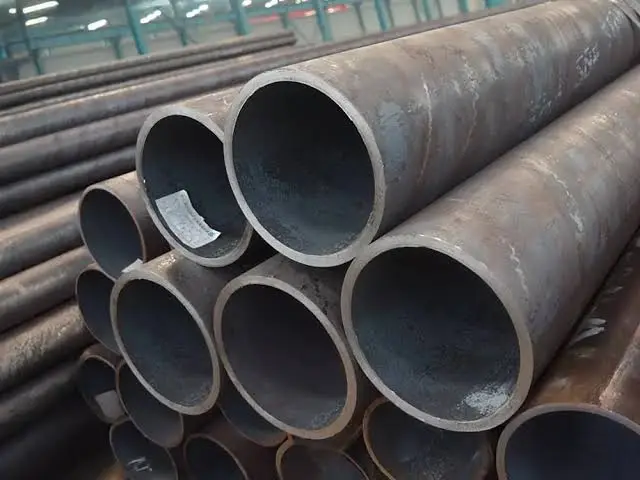
Main Applications of Stainless Steel Pipe
ASTM A312 pressure-rated process pipe must not be confused with ASTM A554 ornamental tubing used for handrails, architectural trim, or light structural applications.This is why pressure-resistant stainless steel pipe is useful.
Chemical, Petrochemical, and Energy Plants
Plants that produce chemicals employ stainless steel piping to carry acids, solvents, and other substances that may corrode carbon steel. And there are a lot of refineries and industrial organizations that require varieties like TP321 and TP316L to undertake work that goes with sulfur and heat. Stainless steel piping is utilized in power plants for water, steam, and condensate service. The chromium in the steel forms a thin oxide coating on the surface to protect it. This implies that the pipe doesn't have to be repaired as frequently as carbon steel pipe. Chemicals, temperature, and pressure are still used to match grade to service conditions. These are low-carbon grades, which means they can reduce the risk of sensitization after welding, but corrosion resistance still depends on the grade and service conditions.
Food, Beverage, and Pharmaceutical Lines
In these plants, hygiene determines what is selected. The metal has a smooth surface and is resistant to acids, meaning it is easy to clean. TP316L is typically used for clean-in-place lines because of its low carbon content. This is because its low carbon content helps reduce the risk of sensitization in welded areas. The grade is equally as significant as how clean it is inside. Our pipes also feature scale- and carbon-free inside surfaces, so they may be utilized for chemical lines in food, medicine, and highly pure chemical applications. You may have a pickled, passivated, or bright annealed (BA) finish. On your purchase order, note how much finish and cleanliness you desire. So when the pipe gets there, it will be ready to use.
Water, Desalination, Marine, and Offshore Projects
Chlorides are present in both salt and fresh water. Chlorides can induce pitting and stress corrosion cracking in susceptible stainless steels. When these problems happen, TP304 might develop pits. TP316 and TP316L are used for naval, desalination, and water treatment applications because of the presence of molybdenum. This is NOT the right ASTM number to use for Duplex 2205 in extremely harsh saltwater. You should use ASTM A790. In offshore projects, the lifespan and maintainability are taken into account. If the cost is greater in the beginning, costs might decrease throughout the course of a task. Before you decide on a grade, check the temperature and salt level.
ASTM A312 Stainless Steel Pipe Grades and Material Selection
Grade controls how well it resists corrosion, how well it can be welded, and how much it costs. Keep reading to find out how the standard options measure up.
TP304 and TP304L for General Service
TP304 has a high nickel (8-11%) and chromium (18-20%) content. It's easy to locate, and you may utilize it for numerous applications. TP304L restricts carbon content to a strict maximum of 0.030% per ASTM A312. This helps reduce the risk of intergranular corrosion in the weld zone by limiting carbide precipitation during welding. Most of our inventory is dual-certified as TP304/304L, combining the higher mechanical yield strength of standard TP304 with the superior intergranular corrosion resistance of low-carbon TP304L.This combination is good for food lines that do not contain much salt, water, air, and mild chemicals.
TP316 and TP316L for Chloride Exposure
TP316 adds 2% to 3% molybdenum to 304. This is vital because it gives it greater resistance to pitting and crevice corrosion in such environments as salt water, bleach water, de-icing salts, and many process chemicals. TP316L maintains a carbon limit strictly at or below 0.030%. This helps reduce the risk of sensitization in welded systems. Most of our product is OK for both 316 and 316L. The molybdenum and nickel content makes it more expensive than 304. Most of the time, the distinction is irrelevant, since marine and chemical lines remain longer.
TP321, TP347, and Duplex 2205 for Special Duty
TP321 and TP347 employ Ti and Nb to stabilize carbon and reduce carbide precipitation. These stabilized grades are used for elevated-temperature service where resistance to sensitization and adequate high-temperature properties are important. If you want to cover duplex pipe, you need A790, not A312. Duplex 2205 is stronger and more resistant to chloride stress corrosion cracking than many austenitic stainless steels. Before confirming a grade, have your engineer evaluate chemical make-up, pH level, chloride level, temperature, cleaning chemicals, thermal cycling, and welding circumstances.
ASTM A312 Pipe Specifications, Pressure Rating, and Temperature Range
You don't just order A312 stainless steel pipe by grade; you also order it by size, wall thickness, and condition.
Sizes, Schedules, and Wall Thickness
The ASME B36.19M standard for stainless steel pipes is based on nominal pipe size and standardized wall thicknesses. Steel schedules have an "S" at the end: 5S, 10S, 40S, 80S. An NPS 2 pipe has an outside diameter of 2.375 inches and a wall thickness of 0.109 inches for 10S, 0.154 inches for 40S, and 0.218 inches for 80S. Thicker walls cost more and take longer to create, but they can support more load and provide more corrosion allowance. The schedule is not the main determinant of the pressure limit. Also, let them know whether the length is random or predetermined, what sort of end you want (plain or beveled), and anything else that goes along with your order.
Pressure Rating and Temperature Range
ASTM A312 does not assign the same temperature and pressure range to each pipe. A designer may utilize a code such as ASME B31.3 to determine the allowable pressure. The estimate is based on grade, pipe size, wall thickness, allowable stress at design temperature, weld quality where applicable, and corrosion allowance. The higher the temperature, the lower the allowable stress may become. Austenitic steel expands more than carbon steel, so watch how heat moves. If you are requesting pricing on a high-pressure line, make sure you provide the design pressure, size, corrosion allowance, type of connection, design code, testing requirements, standard, and high-temperature requirements.
Heat Treatment and Surface Finish
Solution annealing dissolves chromium carbides and restores corrosion resistance, particularly where it’s been welded. This helps reduce the risk of intergranular corrosion. All of our stainless steel pipes are completely solution annealed. We pickle and passivate pipe for surfaces that need to remove scale and develop a protective oxide layer. We also have bright annealed (BA) pipe, which is glossy and smooth on the exterior. ASTM A213 standard is for seamless ferritic and austenitic alloy-steel boiler, superheater, and heat-exchanger tubes. ASTM A269 standard is for seamless and welded austenitic stainless steel tubing for general service. Order it by the specification, and check to be sure it doesn't say pipe or tube.
Welded vs. No-Weld-Seam Pipe, and A312 vs. Other Standards
Your type and stage of construction can change the cost, the time you have to wait, and the risk.
Pipe With No Weld Seam
When you pierce or extrude A312 stainless steel pipe, there is no weld line running along the length of it. Designers often choose it for smaller sizes and use in places with a lot of heat or pressure. Many times, it's more expensive or takes longer to make than other products. What ASME B31.3 says about the wall thickness depends on design pressure, temperature, material allowable stress, pipe size, and other design factors, not on a longitudinal weld for seamless pipe. Choose this type only if it says so in the inspection plan, the fluid service requirements, or the drawing. Choose it not because you always do.
Welded Pipe
It is made from a strip or a plate and joined by a weld that runs the length of it. It often wins when it comes to price, supply, and big diameters, as long as the weld method, heat treatment, inspection, and surface quality meet the needs. ASTM A312 says that each length shall be subjected to either a hydrostatic test or a nondestructive electric test, as specified by the standard and order requirements. It is important to think about the design conditions, diameter, fluid service, inspection level, budget, shipping plan, and cost over the whole life of the product. Both types can do a good job when the job calls for it.
A312 vs. A106 and A358
You can get carbon steel pipe that can handle high temperatures with ASTM A106. It costs less per foot, but this kind of steel rusts in wet, acidic, or salty places and needs to be coated or replaced more often. Even though the A312 costs more to buy, it may reduce lifecycle maintenance costs in corrosive service. There are electric-fusion-welded austenitic stainless steel pipes covered by ASTM A358. They are welded by an electric-fusion process. How it is different each time. Don't change the rules because of price or stock. It is important to follow the design code, the engineering standard, and the list of materials that can be used.
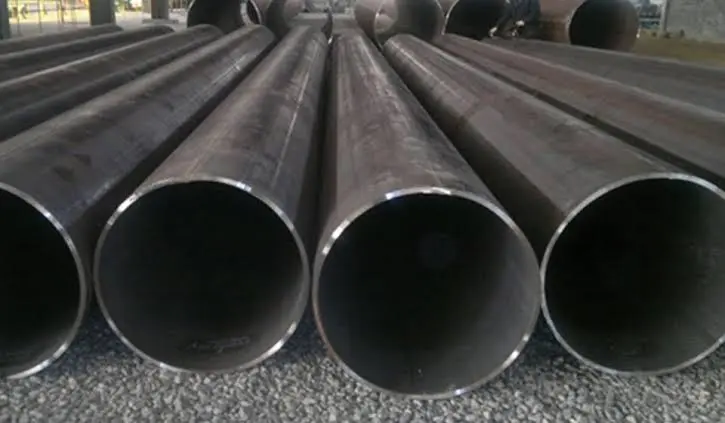
How to Select and Buy ASTM A312 Stainless Steel Pipe
It's safer and takes less time to ask a clear question. You can get a good quote if you follow these steps.
What to Define Before You Request a Quote
First, specify the exact material grade and standard (e.g., ASTM A312 TP316L). Next, define the manufacturing method (seamless or welded), nominal pipe size (NPS), wall thickness schedule, length, quantity, surface finish, and end preparation., its end type, its working conditions, its location, and any certifications that are needed. Lack of information leads to quote gaps and delays. Let the service provider know the design pressure, temperature, and service fluid. This way, they can quickly figure out what's wrong. To get the goods faster, tell the supplier when you need them by. The time it takes to make things depends on their size and quantity.
Documents, Testing, and Supplier Checks
You should ask for material test certificates (MTCs) that show the heat numbers, chemical composition, and mechanical results. The marks on the pipe should match the ones on the paper. Do not forget to ask for records of the pipe's measurements and the results of any hydraulic or nondestructive tests. Positive material identification (PMI) can be used to check for chromium, nickel, and molybdenum as soon as the goods arrive. There are many makers, stockists, and wholesalers out there, so it's important to compare their MOQ, wait time, custom production, inspection processes, Incoterms, and customer service after the sale. A stockist might be able to ship items faster because they keep them in stock, while a maker might be able to make things for other businesses and in different sizes.
Procurement Mistakes to Avoid
As you can see, ASTM A312 is not a full design guide. You still need to find out how much pressure there is, check for corrosion, write up instructions for welding, and make a plan for inspection. If you only look at how much TP304 costs, it may rust quickly in places with a lot of acids or salts. If you pick a schedule based on what you normally do, it could waste your time or cost you extra money. Watch out for test results that don't make sense, lost heat numbers, and certificates that aren't complete. Just looking at FOB or Ex-Works prices isn't the best way to compare prices.
Why a Qualified Supplier Matters
If you have a reliable source, you lower the risk and improve your chances of getting expert approval. Since 1983, JS FITTINGS has made and shipped pipe fittings from a facility that is more than 7,000 square meters. To find mistakes, we use a spectral analyzer and other tools that support our ISO 9001 quality system. We are an approved supplier for major international energy corporations including ADNOC and Petrobras, backed by ISO 9001, CE, and GOST-R certifications. More than 98% of customers buy from us again, and more than 95% of deliveries are made on time. When we make our goods, we make sure they meet ASTM/ASME and other foreign standards. We also offer OEM service, sample production, and trial orders for small amounts.
Conclusion
Stainless steel pipes resist corrosion and tolerate heat, so they can transfer chemicals, gases, steam, liquids, and energy in water, food, medical, energy, and chemical systems. The requirements for products produced to A312 stainless steel pipe specifications depend on the intended service. The ideal option depends on what the pipe will be used for. TP304 and TP304L are appropriate for routine usage. TP316 and TP316L can be suitable for chloride-containing service, while TP321 and TP347 can be suitable for elevated-temperature applications. Sizes conform to ASME B36.19M, and pressure capacity depends on design code, material, temperature, and wall thickness. A seamless pipe has no longitudinal weld seam, but that does not automatically make it safer or more suitable than welded pipe, and it may cost more. Also, specifications for carbon steel such as A106 cannot be substituted for A312 in corrosive service. Clear criteria, comprehensive certifications, and traceable heat numbers reduce technical and shipping risk.
FAQ
1. What Is A312 Stainless Steel Pipe Used For?
It moves chemicals, gases, steam, and liquids in power, food, pharmaceutical, marine, water, and process systems. The engineer determines what grade to use and how thick the wall should be based on the conditions of the job.
2. What Separates TP304 From TP316?
Because TP316 has 2 to 3 percent molybdenum in it, it generally has better resistance to pitting and crevice corrosion in chloride-containing environments. TP304 costs less and works well for many general applications. Because it doesn't have much carbon, TP316L is a good choice for systems that are welded or that are exposed to chloride.
3. Does A312 Give One Pressure Rating?
No, A312 is a product specification, not a pressure-rating standard. For design calculations based on the piping code, the pipe's size, wall thickness, grade, and design temperature are used to see if it can handle the pressure.
4. Which Documents Come With an Order?
Most of the time, buyers want MTCs to include test records, heat numbers, and chemistry and mechanical results. Make sure to tell us what papers you need when you send us your question. Tell us right away if you need more test reports.
5. What Details Do I Send for a Quote?
Send the grade, size, schedule, wall thickness, quantity, finish, end type, working conditions, location, and what needs to be checked. The people on our team look over every request and get back to you in an hour.
Request an A312 Stainless Steel Pipe Quote from JS FITTINGS
Send us your needs for ASTM A312 stainless steel pipe right now, and we'll look them over and get you a quote that works for your project. No matter what size or type of A312 stainless steel pipe you need, JS FITTINGS can make and sell it. You can send an email to admin@jsfittings.com with your grade, size, schedule, quantity, finish, and location. In an hour, our team will get back to you.
References
1. ASTM International, ASTM A312/A312M Standard Specification for Seamless, Welded, and Heavily Cold Worked Austenitic Stainless Steel Pipes, 2024
2. ASME, B36.19M Welded and Seamless Wrought Stainless Steel Pipe, 2022
3. ASME, B31.3 Process Piping, 2022
4. ASTM International, ASTM A106/A106M Standard Specification for Seamless Carbon Steel Pipe for High-Temperature Service, 2019
5. Outokumpu, Handbook of Stainless Steel, 2013
6. ASM International, ASM Handbook Volume 13B: Corrosion: Materials, 2005
Send Inquiry
You may like