
What Is the Difference Between LR and SR Buttweld Elbow?






2026-07-02 10:57:39
It is very important to know the difference between Long Radius (LR) and Short Radius (SR) buttweld elbows when selecting pipe parts for high-pressure industrial systems. The central bend radius of an LR buttweld elbow is 1.5 times the standard pipe diameter. This makes the flow of fluid more uniform and lowers the pressure drop. On the other hand, an SR elbow has a bend radius that is the same size as the pipe diameter. This makes it possible to put it in places with limited room. These differences in size have a direct effect on flow efficiency, the ability to install, the need for welding, and the total cost of ownership. Making the right choice is important for lowering project risk while still meeting safety and compliance standards.
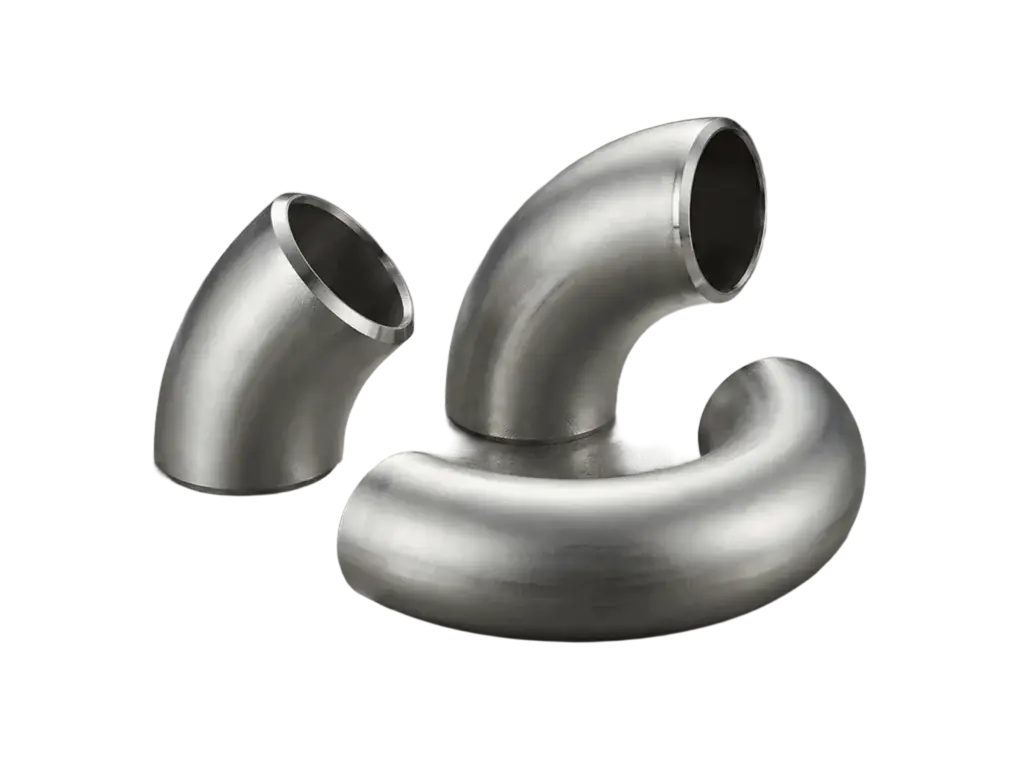
Understanding Buttweld Elbows: Basics and Importance
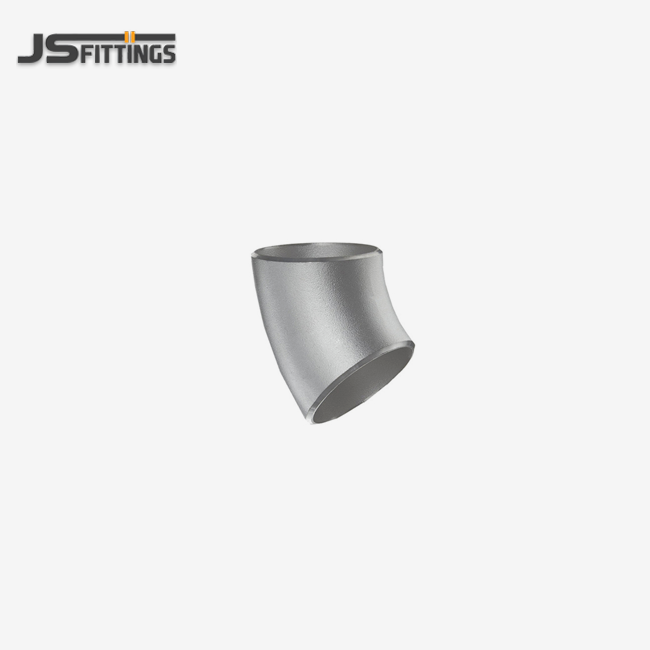
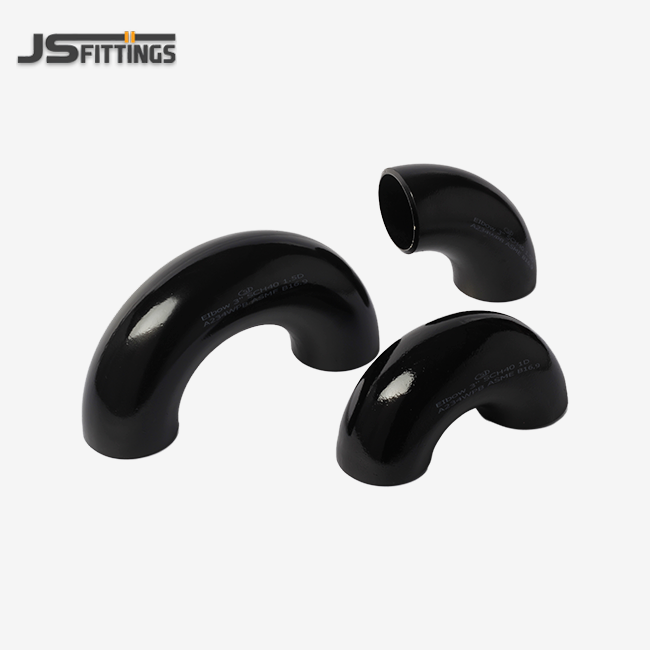
Buttweld elbows are important directional change fittings in industrial pipe systems. They are made by hot pressing or forging, which makes joints that are strong and won't leak. Instead of threaded or socket-weld options, these fittings have precision-beveled ends that meet ASME B16.25 standards. This lets full-penetration welds happen that become part of the continuous pipe system.
Why Buttweld Elbows Matter in Critical Applications?
Joint integrity decides working safety in harsh environments like chemical processing units and offshore oil platforms. Buttweld connections get rid of the risk of crevice rust that comes with threaded fittings. They also make internal changes smooth, which reduces the chance of turbulence and erosion. The welded joint spreads stress evenly across the link, stopping stress concentration zones that could cause catastrophic breakdowns when pressure or temperature changes.
Standards and Material Specifications
Manufacturing standards like ASME/ANSI B16.9, MSS-SP-43, EN 10253, and DIN 2605 set the limits for variations in size, accuracy in wall thickness, and pressure ratings. For regular use, carbon steel (ASTM A234 WPB) is available. For high-temperature uses over 550°C, specialized alloys like ASTM A234 WP91 are available. Some types of stainless steel, like ASTM A403 WP316/316L, are better at resisting corrosion in acidic or marine settings,
where regular maintenance is challenging and material degradation must be prevented.
Procurement teams must ensure that the raw materials their sellers send come from certified Tier-1 mills and can be tracked back to the mills using Mill Test Certificates (MTC 3.1), which list the materials' chemical makeup and mechanical qualities. This paperwork is very important during project checks and regulatory reviews because it makes sure that tender requirements are met and lowers the risk of liability.
LR vs. SR Buttweld Elbow: Core Differences Explained
The difference in size between LR and SR elbows is more than just a matter of shape; it also affects hydraulic performance, installation procedures, and costs over the lifetime of the product. Knowing these differences helps you make smart choices about where to get things that fit the needs of your project and your business.
Dimensional and Geometric Characteristics
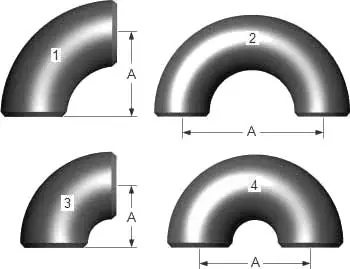
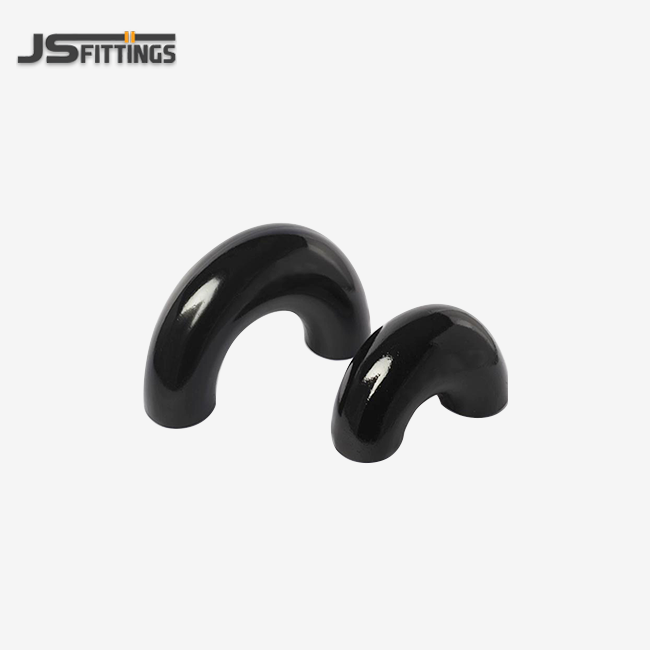
Long radius elbows keep their centerline radius at 1.5D (where D is the standard diameter). This makes a gradual 90-degree turn that guides fluid flow with little disruption to its direction. Because it has a longer curve, it lowers flow resistance and turbulence. This makes LR elbows better for systems with high speeds where pressure saving is important.
With a 1.0D centerline radius, short-radius buttweld elbows take up significantly less space than long-radius elbows. This small shape is helpful for retrofits, skid-mounted equipment, and underwater manifolds where space limitations make it hard to make parts that are the right size. The tighter bend, on the other hand, causes greater changes in direction, higher pressure drop, and flow separation in certain areas.
Flow Efficiency and Pressure Considerations
When the flow conditions are the same, hydraulic tests show that LR elbows typically cause significantly lower pressure drop than SR elbows, often in the range of 30–60%, depending on flow conditions. This efficiency directly means less energy needed for pumping and lower operating costs over the decades that the system is in use. When used in high-flow situations, like when moving heavy oil or steam from a power plant, the extra money spent on LR fittings is worth it because they save energy over time.
When services handle gritty slurries or high-speed gas streams, SR elbows make the turbulence stronger at the inner bend radius. This increases turbulence, which may contribute to higher erosion rates in certain services. This faster wear must be taken into account in procurement requirements when figuring out how often to do upkeep and how many replacement parts to keep on hand.
Cost and Procurement Factors
Material costs for LR elbows are usually 15–25% higher than those for SR elbows because they need more raw materials and are harder to shape. SR elbows are generally more standardized and widely stocked, while LR elbows may require more varied inventory depending on size and specification, which helps wholesalers who manage a wide range of stock profiles. Total cost of ownership is the most important thing for procurement teams to think about. SR elbows lower the original capital cost, but LR elbows often provide better lifetime value through lower energy costs and longer service intervals.
Delivery times depend on how complicated the design is. Standard carbon steel elbows in standard sizes (2" to 12") usually ship within two to three weeks. However, it may take six to eight weeks for exotic alloys or custom wall thickness plans. Keeping a strategic safety stock of important parts lowers the risk of missing deadlines during the execution stages of a project.
Performance and Application Considerations for LR and SR Elbows
To choose between LR and SR configurations, you need to carefully look at the system's parameters, the surroundings, and your long-term operating goals. The following things affect design choices in a wide range of industries.
Hydraulic Performance and Space Optimization
LR elbows are great for situations where flow efficiency is important. For example, main process piping systems, pump output pipes, and heat exchanger links all benefit from less turbulence and maintaining pressure. In slurry services, the smooth flow path keeps particles from settling, and in steam systems, it keeps noise to a minimum.
When it comes to equipment lines, instrumentation links, and flexible skid systems, where every inch of envelope space is valuable, SR elbows are the answer. Offshore platforms often choose SR fittings even though they have hydraulic problems because their weight and size directly affect the cost of installation.
Material Performance in Harsh Environments
In chemical processes, where aggressive media hit weak spots, corrosion protection is very important. Some types of stainless steel, like 316L, resist chloride stress corrosion cracking, and duplex alloys, like UNS S31803, are stronger and less likely to split. When choosing materials, temperature changes must be taken into account, because differences in thermal expansion cause stress to build up at welded joints.
Impact-tested materials like ASTM A420 WPL6 that stay flexible below -50°C are needed for low-temperature tasks like handling LNG and storing cold gases. At these temperatures, standard carbon steel becomes weak, and it could break in a very bad way when it is shocked.
Industry-Specific Application Patterns
In mainline pipeline layouts and oil and gas transmission systems, China butt weld elbow wholesalers mostly use LR elbows. Only at platform risers or compressor station headers, where room is limited, do they switch to SR fittings. Chemical companies have to find a balance between flow efficiency and plot room. They usually use LR elbows on important process lines and SR joints on other systems.
Power plants use LR elbows in superheated steam lines because pressure drops there have a direct effect on how well turbines work and how fast plants heat up. SR elbows are often used in water treatment equipment that works at lower pressures to cut down on installation costs while still meeting performance standards.
How to Choose Between LR and SR Buttweld Elbows: A Decision Support Framework?
Systematic review of technical needs, cost limits, and supplier skills makes sure that the best fit is chosen. We suggest making choices based on four main review standards that are in line with project success factors.
System Design and Operating Parameters
Start by writing down the qualities of the fluid (such as its viscosity, temperature, and ability to corrode), its flow rates, and the pressure drops that are allowed. The pressure-conserving properties of LR elbows help systems that are running at more than 80% of their highest allowable working pressure. Figure out the Reynolds number to see how strong the turbulence is. Laminar flow can handle SR bends, but turbulent systems (Re > 4000) need LR shapes to keep erosion from getting too bad.
Early on in the planning process, space envelope limits must be measured. Make 3D models of the pipes and find the interference zones where SR bends allow routing solutions that aren't possible with LR measurements. Lifecycle cost modeling that turns energy use into a dollar amount over planned running times can help you balance the benefits of space gains and the negative effects of hydraulics.
Cost-Benefit Analysis and Budget Alignment
The total cost includes the initial purchase, the labor needed for installation, the amount of energy used, and the frequency of upkeep. In facilities that are always running, LR elbows usually give a good return on investment within three to five years. On the other hand, SR elbows may be better for uses that only run sometimes because they have lower capital costs.
Teams in charge of buying things should ask for thorough quotes that include information about the materials' approvals, testing procedures, and delivery dates. Price differences between sellers are often due to differences in quality. For example, unusually cheap quotes could mean that the materials aren't certified or that they weren't tested properly, which poses safety and compliance risks that are greater than the savings that might seem to be made.
Supplier Evaluation and Quality Assurance
Partner choice turns out to be just as important as product detail. Use objective criteria to judge possible providers, such as their manufacturing experience, portfolios of certifications, and quality control infrastructure. Suppliers who have ISO 9001 systems and relevant ASME certifications or U-stamp capabilities for pressure equipment fabrication and are approved by big energy companies like NIOC, ADNOC, and Petrobras show they are committed to quality standards that protect the security of projects.
Ask for proof that the company can do non-destructive testing. Ultrasonic Testing (UT) and Magnetic Particle Inspection (MPI) can find flaws inside and changes in the surface that an eye check can't. Suppliers should provide written instructions for checking dimensions, mapping wall thickness, and making sure beveling is done correctly. This will ensure that field welding can continue without any delays in fit-up.
Customization and Technical Support
Custom bend angles (60° and 120°), special wall thickness plans (Schedule 120 and 160), or unusual material grades are often needed for complicated jobs. Evaluate the technical support offered by companies, such as help with 3D modeling, advice on choosing materials, and suggestions for welding procedures. When manufacturers offer expert advice during the development of specifications, it keeps expensive redesigns from happening during the building phase.
Infrastructure for after-sales service is important for building long-term relationships.Suppliers who keep regional warehouse hubs allow new parts to be sent quickly, which cuts down on downtime during repair turnarounds. We keep a lot of different specifications in stock so that we can help wholesalers with flexible order numbers and fast shipping for urgent needs.
Conclusion
When deciding between LR and SR buttweld elbows, you have to weigh hydraulic efficiency, space limitations, material performance, and cost-effectiveness in the context of the specific application. LR elbows offer better flow characteristics and lower operational costs in high-flow systems, while SR elbows allow for compact installations where space limitations take precedence over hydraulic optimization. To be successful in procurement, you need to work with qualified suppliers who offer certified materials, thorough testing, and technical support throughout the project lifecycle. Following proper specification, rigorous quality assurance, and installation best practices will make sure that piping systems meet their safety, reliability, and performance goals for decades to come.
FAQ
1. Can LR and SR buttweld elbows be used interchangeably?
Both types of fittings can change the direction of flow, but they can't be switched around without looking at the effects on the system. Using SR elbows instead of specified LR fittings can cause the pressure drop to rise, which could lead to pump cavitation or failure to meet design flow rates. The tighter bend radius speeds up erosion in abrasive services, shortening the service life. On the other hand, using LR elbows where SR fittings were specified could cause interferences with nearby equipment or structural members. Any substitution needs to be hydraulically recalculated, and interference checks are made to make sure they are acceptable. Piping stress analysis must also be updated because changes in flexibility affect how to accommodate thermal expansion and support loading patterns.
2. What materials perform best in corrosive environments?
Stainless steel grades offer basic corrosion resistance, with 316/316L performing better against chlorides and marine environments. Chemical processing that uses strong acids may need higher-grade alloys like 317 or 904L, which have more molybdenum to prevent pitting. Duplex stainless steels (UNS S31803, S32205) combine strength and corrosion resistance, allowing thinner walls and lighter weight. Nickel-based alloys (Inconel and Hastelloy) handle the most aggressive media but cost a lot more. When choosing a material, it is important to look at specific corrosive agents, operating temperatures, and stress levels. Suppliers should provide corrosion data and case histories that show how the material performed in similar service conditions.
3. How can I verify supplier quality and certifications?
Ask for documentation packages that include ISO 9001 certificates, ASME certifications, and approval letters from major end-users or project owners. Look at Mill Test Certificates (MTC 3.1) that confirm the chemical composition and mechanical properties of products that can be traced back to the heat numbers that are marked on them. Good suppliers keep records of how their NDT equipment is calibrated and hire certified inspectors with ASNT Level II or III qualifications. You might want to do supplier audits that look at their manufacturing facilities, testing labs, and quality management systems. References from past customers can tell you about delivery performance, technical support, and problem-solving skills. Industry certifications from groups like API, PED, or national standards organizations show that they are committed to recognized quality frameworks.
Partner with JS FITTINGS for Reliable Buttweld Elbow Supply
JS FITTINGS brings over 40 years of manufacturing expertise to serve EPC contractors, distributors, and industrial end-users requiring certified pipe fittings that meet stringent international standards. As a trusted buttweld elbow supplier, we maintain extensive inventory across carbon steel, stainless steel, and alloy steel grades from 1/2" through 72" diameter, supporting both seamless and welded construction. Our quality assurance program includes raw material traceability from Tier-1 mills, precision CNC beveling per ASME B16.25, and comprehensive NDT testing (UT, MPI) detecting internal defects before shipment. With >95% on-time delivery performance and seaworthy packaging designed for global logistics, we support your project deadlines while minimizing procurement risk. Contact our team at admin@jsfittings.com to discuss your specifications and receive detailed quotations backed by Mill Test Certificates and international certifications including ISO, CE, GOST-R, and qualifications from NIOC, ADNOC, and Petrobras.
References
1. American Society of Mechanical Engineers (ASME). "ASME B16.9: Factory-Made Wrought Buttwelding Fittings." New York: ASME Standards Committee, 2018.
2. Nayyar, Mohinder L. "Piping Handbook, Seventh Edition." New York: McGraw-Hill Education, 2000.
3. Becht IV, Charles. "Process Piping: The Complete Guide to ASME B31.3, Fourth Edition." New York: ASME Press, 2017.
4. Parisher, Roy A. and Robert A. Rhea. "Pipe Drafting and Design, Third Edition." Waltham: Gulf Professional Publishing, 2012.
5. American Welding Society (AWS). "AWS D10.4/D10.4M: Recommended Practices for Welding Austenitic Chromium-Nickel Stainless Steel Piping and Tubing." Miami: AWS Technical Activities Committee, 2020.
6. Singh, Rameshwar. "Pipeline Integrity Handbook: Risk Management and Evaluation." Houston: Gulf Publishing Company, 2014.
Send Inquiry
Related Industry Knowledge
- What is the service life of an ASME B16.5 carbon steel flange?
- Buttweld Elbow Dimensions Guide for ASTM A234 WPB Fittings
- How Are Carbon Steel Forged Steel Flanges Heat Treated?
- What Is The Difference Between Different Grades Of API 5L Seamless Steel Line Pipe In Performance?
- Understanding the API 5L Seamless Steel Line Pipe Specification
- API 5L Seamless Steel Line Pipe for Pipelines Explained
- Lap Joint Pipe Flanges: Everything You Need to Know
- Butt Weld Pipe Reducer Applications in Oil and Gas Systems
- Is a 90 or 45 degree elbow better for drain?
- What is a plate flange used for?