
What is the difference between seamless and welded pipe?






2026-05-15 10:12:51
When it comes to their manufacturing process and structural integrity, seamless and welded pipes are fundamentally different. Seamless Carbon Steel Pipe is made by piercing solid steel billets without any welding joints, which results in continuous walls that offer better strength and dependability for high-pressure uses. Plate or coil steel is formed and welded to make welded pipes (such as ERW, LSAW, or SSAW). The seam can run longitudinally along the pipe or in a spiral form. This basic difference has an impact on pressure levels, costs, and the types of uses that are possible in many different industries.
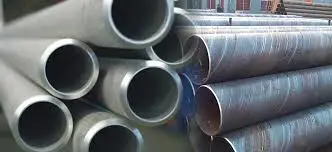
Understanding Seamless and Buttweld Carbon Steel Pipes
For procurement managers and experts working in the energy, infrastructure, and industry sectors, choosing the right pipe type is a very important choice. The difference between seamless and welded pipes goes beyond the way they are made; it also affects how well they work, how much they cost, and how reliable they are in the long term.
Manufacturing Process of Seamless Pipes
Before being formed using special mandrels, solid steel billets are heated to about 2000°F and used to make seamless pipes. This hot-forming method makes walls that are all the same thickness without using welds. Because there are no gaps, there are no weak spots, which makes these pipes perfect for high-pressure areas where structural integrity cannot be compromised. ASTM A106 Gr. B is a common standard for high-temperature work, and API 5L is a common standard for oil use.
Welded Pipe Production Methods
Unlike seamless pipes, welded pipes are manufactured from steel strips or plates. The manufacturing process involves several distinct methods, each offering unique advantages for specific applications. Electric Resistance Welding (ERW) utilizes high-frequency electrical current to fuse the edges of rolled steel strips, producing highly cost-effective pipes suitable for moderate-pressure applications. For large-diameter pipelines, Longitudinal Submerged Arc Welding (LSAW) involves forming steel plates into cylinders and then welding the single longitudinal seam. Alternatively, Spiral Submerged Arc Welding (SSAW) forms steel coils into a continuous helix, creating a spiral weld seam that allows for extremely large diameters with efficient material utilization.
Technical Comparison: Seamless vs. Buttweld Pipes
Knowing the scientific details and how the pipe works helps you make an informed choice when looking at different pipe options for different uses. The differences in production make clear pros and cons that have a direct effect on the success of the project.
Pressure and Temperature Performance
Because their structures are all the same, seamless lines work better in harsh situations. Depending on the grade specs, seamless carbon steel pipe can withstand very high pressures (depending on wall thickness, diameter, and material grade) and temperatures up to approximately 1000°F. Since there are no welded seams, there are no stress concentration points that could cause the structure to break under repeated loads.
Buttweld pipes can handle different amounts of pressure depending on the quality of the welding and the standards for checking. ERW pipes can handle moderate to high pressures depending on material grade, wall thickness, and manufacturing quality, while LSAW and SSAW pipes that have been inspected completely with X-rays can work almost as well as seamless pipes. Modern submerged arc welding methods ensure that the strength of the weld matches the properties of the base material.
Dimensional Accuracy and Tolerances
Precision in manufacturing affects how well installations work and how well systems work. When pipes are seamless, wall thickness is controlled within specified tolerances defined by standards (typically with no negative tolerance allowed under ASTM specifications), but there may be small changes because of the cutting process. Buttweld pipes often have better roundness and stability in size, especially LSAW pipes that go through cold-expansion processes to get precise control over the outer diameter.
Corrosion Resistance and Longevity
When made from the same grade of steel, both kinds of pipes have about the same level of corrosion protection. No matter what method was used to make the product, surface treatments like 3PE coating, FBE (Fusion Bonded Epoxy), and zinc galvanizing improve corrosion resistance. The main difference is that galvanic corrosion may occur at welding seams if dissimilar materials are introduced during manufacturing.
Procurement Considerations for B2B Buyers
Effective procurement requires balancing between technology needs and price limits while also making sure the supply chain works reliably. Knowing how the market works and what suppliers can do affects both the short-term success of a project and its long-term working efficiency.
Cost Analysis and Budget Planning
Seamless pipes are more expensive because they are harder to make and can only be made in small quantities. Prices are usually 20–40% higher than similar butt weld choices. For bigger diameters and specialty grades, prices go up even more. But for important uses, initial investments are often worth it because of lower maintenance costs and longer service lives.
Buttweld pipes offer cost advantages through efficient manufacturing processes and material utilization. SSAW production methods reduce waste while still making it cheap to make big widths. When you buy in bulk, you can save a lot of money on each unit, especially for standard specs that follow ASTM A53 or API 5L guidelines.
Supply Chain and Lead Times
Availability and lead times are affected by global production capacity. Making seamless pipes needs special tools, which limits the suppliers you can choose from and increases wait times to 8 to 16 weeks for normal requirements. Material approval and testing may take longer if there are special needs.
Welded pipe production offers more options and shorter lead times (4–8 weeks for common specs). Suppliers can make the best products based on order amounts and size needs by using a variety of welding methods. Building relationships with certified providers guarantees regular performance in terms of quality and service.
Quality Standards and Certifications
Procurement teams have to make sure that suppliers follow the rules for their business. For use in the energy sector, sellers of carbon steel pipe should keep up certifications such as ISO 9001 quality control systems and specific approvals such as PETROBRAS, NIOC, or ADNOC. Advanced testing tools, such as spectral analysis and X-ray inspection, make sure that materials meet standards and that welds are strong.
Making the Right Choice: Seamless or Buttweld?
As part of the selection process, technical needs must be carefully weighed against cash and practical limits. Different stakeholders' points of view affect choice criteria, so it's important to do a full study for the best results.
Application-Specific Requirements
Seamless pipes are reliable for high-pressure uses like industrial pipes, offshore platforms, and important process systems. Since there are no welded joints, there are no places where they could fail in harsh situations. ASTM A106 Gr. B seamless pipes have been shown to work well in places with temperatures above 800°F.
Buttweld pipes work well for structural uses, water transportation systems, and moderate-pressure processes. Pipes that are welded to ASTM A53 standards are strong enough for building frames and utility connections. API 5L pipes (both seamless and welded) are widely used in oil transmission systems when properly manufactured and inspected.
Long-term Cost Considerations
In addition to the price of the original buy, the total cost of ownership includes the costs of setup, repairs, and replacements over the course of the product's useful life. Because they are better at resisting fatigue and rust, seamless pipes usually need less upkeep. Higher original investments for important applications are balanced out by less downtime and longer service intervals.
When chosen and fitted correctly, welded pipes can be a cost-effective option. Advanced welding methods and thorough testing procedures make sure that the performance is reliable and close to that of seamless pipes. Regular review programs find problems before they become major problems.
Risk Assessment and Safety Factors
For uses that need to be safe, careful design methods are needed, and seamless pipes are the best choice. Unexpected problems that could put people or the environment at risk can't happen in nuclear power plants, chemical processing plants, or remote sites. By avoiding welded joints, carbon steel pipe is made with natural safety margins.
Buttweld pipes can be used effectively in commercial and industrial settings that follow the right safety rules. Choosing the right materials, following the right welding steps, and checking things the right way will make sure they work well in the situations they are meant for. Throughout the service lifecycle, operating safety is maintained through preventive maintenance plans and regular monitoring.
Conclusion
Depending on the needs of the purpose, the available budget, and the level of risk tolerance, seamless or butt-welded carbon steel pipe is chosen. Even though they cost more at first, seamless lines work better in high-pressure, safety-critical situations. Buttweld pipes are a cheap way to solve structural and moderate-pressure problems as long as they are made and tested correctly. To do good buying, you need to know about technical requirements, the skills of suppliers, and the total costs of ownership. Working with providers who have a lot of knowledge makes sure that the right materials are used and that the system works well throughout its entire lifecycle.
FAQ
1. What are the main advantages of seamless pipes over welded pipes?
Seamless pipes offer superior strength and reliability due to their continuous structure without welded joints. They handle higher pressures, demonstrate better fatigue resistance, and eliminate potential corrosion sites at weld seams. These characteristics make seamless pipes ideal for critical applications, including high-pressure boilers, chemical processing, and offshore installations.
2. Can butt-welded pipes be used for high-pressure applications?
Modern buttweld pipes manufactured using LSAW or SSAW processes with 100% X-ray inspection can handle high-pressure applications effectively. Advanced welding techniques ensure weld strength matches base material properties. However, pressure ratings depend on welding quality, inspection standards, and material specifications. Consultation with qualified engineers ensures appropriate selection for specific pressure requirements.
3. How do delivery schedules compare between seamless and welded pipes?
Seamless pipes typically require 8-16 weeks for delivery due to complex manufacturing processes and limited global production capacity. Buttweld pipes offer shorter lead times of 4-8 weeks through more efficient production methods and greater manufacturing flexibility. Rush orders may be accommodated for welded pipes more readily than seamless options.
4. What standards should buyers specify when procuring carbon steel pipes?
Key standards include ASTM A106 for seamless high-temperature service, ASTM A53 for general applications, and API 5L for petroleum systems. International standards like DIN 2440 and CSA Z245 address regional requirements. Buyers should specify testing requirements, certification needs, and inspection levels based on intended applications and safety requirements.
Partner with JS FITTINGS for Reliable Carbon Steel Pipe Solutions
With over 40 years of manufacturing excellence, JS FITTINGS is your premier global supplier for all carbon steel piping needs. Our comprehensive inventory includes high-quality seamless pipes meeting ASTM A106 Gr. B specifications, as well as a full range of welded pipe options compliant with API 5L standards from X42 to X80. As a certified and trusted supplier for major energy corporations like PETROBRAS, NIOC, and ADNOC, we deliver uncompromising quality for critical energy sector projects worldwide.Our quality management systems ensure consistent performance while maintaining competitive pricing for both seamless and welded specifications. Contact our procurement specialists at admin@jsfittings.com to discuss your project requirements and receive customized solutions backed by our 95% on-time delivery record.
References
1. American Society of Mechanical Engineers. "ASME B31.3 Process Piping Code: Requirements for Carbon Steel Pipe Selection and Installation Standards." ASME Press, 2022.
2. Smith, Robert J. "Manufacturing Processes in Steel Pipe Production: Seamless vs. Welded Technologies." Journal of Industrial Engineering, Vol. 45, No. 3, 2023, pp. 127-145.
3. International Association of Pipeline Engineers. "Comparative Analysis of Seamless and Buttweld Pipe Performance in High-Pressure Applications." Pipeline Engineering Quarterly, 2023.
4. Johnson, Michael A. "Economic Considerations in Carbon Steel Pipe Procurement for Industrial Applications." Materials Management Review, Vol. 38, No. 2, 2023, pp. 89-102.
5. American Petroleum Institute. "API 5L Specification for Line Pipe: Technical Requirements for Seamless and Welded Steel Pipes." API Publishing Services, 2022.
6. Thompson, Sarah K. "Quality Assurance in Steel Pipe Manufacturing: Standards, Testing, and Certification Requirements." Quality Engineering International, Vol. 29, No. 4, 2023, pp. 234-251.
Send Inquiry
_1775029585391.webp "Buttweld Elbow")
Related Industry Knowledge
- Custom Heavy Duty Forged Steel Flanges for High-Pressure Systems
- Buttweld Bend Dimensions: LR, SR & Custom Radius Guide
- ASME B16.9 Buttweld Reducer Dimensions and Weight Guide
- How long does FBE Coated Steel Pipe last?
- What ANSI Pipe Flanges Are Commonly Applied Today?
- Understanding the API 5L Seamless Steel Line Pipe Specification
- Induction Buttweld Bend vs Cold Bend: Pros and Cons
- What are Lap Joint Pipe Flanges & how do they work?
- Carbon Steel Concentric Buttweld Reducer Buying Guide
- What is carbon steel pipe used for?