
What is the life expectancy of the Industry Carbon steel pipe?






2026-09-16 10:43:12
Carbon steel pipes are essential components for many industrial processes, such as moving oil and gas, chemical processing, power generation, water distribution infrastructure, and general manufacturing. At JS FITTINGS, we've seen how knowing how long these pipes are expected to last has a direct effect on buying decisions, maintenance funds, and operating safety in a wide range of fields. The useful life of an industrial carbon steel pipe isn't a set number; it changes depending on the type of material used, the quality of the production process, the climate, and operational stresses. Understanding these lifespan factors is important for EPC contractors who are in charge of multimillion-dollar projects, distributors who need to keep their inventory moving, and plant managers who want to keep downtime to a minimum. Understanding them leads to better asset management and a lower total cost of ownership. This guide looks at the technical and practical factors that affect how long your carbon steel piping systems will work reliably. It will help you make decisions about what to buy that balance your short-term budget needs with the long-term value of the system.
Understanding the Life Expectancy of Carbon Steel Pipes
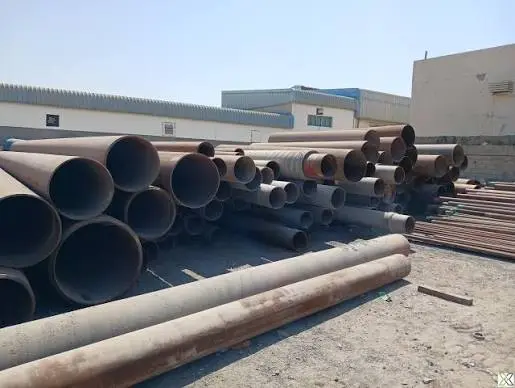
Under normal industry conditions, industry carbon steel pipe can have a service life ranging from 15 to more than 50 years, depending on the application, environment, corrosion protection, and maintenance practices. However, this range can change significantly depending on the purpose and the environment. The term "life expectancy" refers to the operational duration a component can sustain before requiring replacement to meet safety and performance standards. Service lives of more than 40 years are common in controlled indoor environments with the right corrosion protection, like HVAC systems with coated pipes. On the other hand, carbon steel that isn't secured and is exposed to harsh chemical environments or sea atmospheres may need to be replaced every 10 to 15 years.
Defining Service Life in an Industrial Context
Service life is the amount of time that a pipe keeps its structural integrity under the designed pressure, temperature, and chemical contact without putting safety at risk. This definition is important because regulatory compliance frameworks like ASME B31.3 set minimum wall thickness requirements that take into account the amount of corrosion that will happen over the expected operational period.
Industry Standards Governing Durability
Standards like ASTM A106 for seamless high-temperature service and API 5L for pipeline applications set requirements for chemical composition, mechanical properties, and manufacturing quality that influence long-term pipe performance. The carbon equivalent (CE) value, as specified by standards like API 5L, governs weldability and susceptibility to hydrogen-induced cracking—both critical factors for long-term reliability. At JS FITTINGS, our pipes are made to meet a number of international standards, such as ASME, API 5L, ASTM A53, and ASTM A252. This means that they can be used with a wide range of projects and still meet the high-quality standards that make them last longer.
Factors Influencing Lifespan Variability
Material purity, manufacturing precision, wall thickness choice, and surface treatments all make a big difference in how long something lasts. In a good service environment, a Schedule 80 pipe with fusion-bonded epoxy (FBE) coating may provide a significantly longer service life than a Schedule 40 bare pipe in corrosive environments, depending on the actual operating conditions. Understanding these factors enables procurement professionals to select optimal grades and protective measures for specific applications.
Types and Grades of Carbon Steel Pipes and Their Impact on Durability
A carbon steel pipe's ability to withstand operational stresses over time is dictated by its manufacturing process and material grade.This section examines these differences to help procurement teams select the most suitable pipe for their applications.
Seamless versus Welded Pipe Construction
When hot extrusion is used to make seamless carbon steel pipe, the weld seam is eliminated. This makes the grain structure and mechanical features the same all the way around. This design works really well in situations with a lot of pressure and heat, where cycle loads could otherwise weaken the weld zone. However, problems with seamless production make it harder to get larger sizes and raise the cost per unit.
Modern manufacturing techniques have made it possible for welded pipes to be reliable while also being useful in many situations. At JS FITTINGS, we offer three types of welded pipes that can be used to meet different thickness and pressure needs:
- Electric Resistance Welded (ERW) pipes with a size range of NPS 1/2" to 20" are a cost-effective way to build structures, run small to medium-sized utility lines, and distribute water. When high-frequency resistance welding is done, it creates small heat-affected zones that maintain the mechanical strength of the weld seam.
- Longitudinally Submerged Arc Welded (LSAW) pipes with NPS sizes from 16" to 60" offer the strong walls needed for high-pressure gas transmission mains and important oil pipelines. Our automatic submerged arc welding method, which includes radiographic testing (X-ray inspection) when required by applicable standards or project specifications, makes sure that the weld seams are as strong as the base metal. We use a cold-expansion process for LSAW pipes that makes them rounder and more accurate. This makes it easier to align large-diameter pipes when they are being installed in the field, which speeds up the building process and lowers the risk of quality problems at the joints.
- You can get spiral submerged arc welded (SSAW) pipes from NPS 8" up to 120". These pipes are very cost-effective for moving large amounts of water and using low pressure, and they don't compromise the safety of the structure. By optimizing material utilization and maintaining uniform wall thickness, the spiral forming process makes SSAW the most cost-effective choice for large-bore industrial cooling systems and municipal water projects with strict budget constraints.
These welded shapes are in line with API 5L, ASTM A53, and ASTM A252 (piling) standards, which means they meet the high-quality standards needed for building infrastructure. Automatic submerged arc welding and thorough X-ray checking make the weld seams strong, which solves the main problem with welded pipes' reliability and increases their service life to the same level as seamless pipes in certain situations.
Material Grades and Chemical Composition
For moderate-pressure uses, ASTM A53 Grade B (general purpose, with a maximum carbon content of approximately 0.30% depending on product requirements) is a common grade. A106 Grade B (seamless, high-temperature service) is used for steam lines and boiler connections. The API 5L grades (X42 to X70) offer higher yield strengths for pipeline transmission. For many oil and gas applications, X52 is the best balance between cost and performance.
Higher carbon content generally increases strength and hardness but can reduce toughness and weldability, particularly at lower temperatures. More carbon makes the metal stronger, but it also makes it less tough and more likely to break easily in cold places. Adding manganese (usually between 0.29% and 1.06%) makes the material tougher and easier to harden. To prevent hot cracking and embrittlement, phosphorus and sulfur levels must be restricted to a maximum of 0.035% each.
Heat Treatment and Corrosion Protection
A normalizing heat treatment smooths out the grain structure and relieves any manufacturing stresses that are still there. This is especially important for pipes that are subjected to dynamic loading or low-temperature service, which raises the risk of brittle fracture. By making the mechanical features more uniform, this process increases fatigue life.
Protecting against corrosion has a huge effect on the service life. Buried pipes are protected by barrier layers like three-layer polyethylene (3LPE) or FBE on the outside, and corrosive fluids are kept out by cement walls or chemical inhibitors on the inside. These protection measures can significantly extend service life compared with bare carbon steel in harsh environments.
Operational Conditions Affecting Carbon Steel Pipe Life Expectancy
The environment around an industrial carbon steel pipe often determines how long it will last more than the grade of steel itself. Proactive lifecycle management requires a deep understanding of how environmental factors accelerate material degradation.
Pressure and Temperature Effects
High-pressure systems that are higher than 1,000 psi put constant hoop stress on the material, which can speed up creep warping in high-temperature service. When this stress is added to thermal cycling (repeated heating and cooling), it makes the pipe walls weaker over time. In power plants operating steam lines at around 900°F, prolonged exposure can cause microstructural changes in carbon steel that reduce its high-temperature mechanical performance.
Corrosion Mechanisms in Industrial Settings
Engineers can include corrosion permits in wall thickness estimates because uniform corrosion rates for carbon steel in neutral water environments can vary widely, with values such as 2 to 5 mils per year (mpy) reported under certain controlled conditions. Localized corrosion can create deep pits that weaken the pipe wall while leaving much of the surrounding surface intact. This makes pitting corrosion more dangerous.
Stress corrosion cracking (SCC) happens when tensile stress is combined with certain environmental conditions, like carbonate solutions in oil fields, to make cracks spread quickly and lead to failure. During the manufacturing and material selection process of a carbon steel welded pipe factory, attention must also be paid to galvanic corrosion, which happens when carbon steel touches different metals in the presence of an electrolyte, speeding up the loss of material at the anode.
Preventive Maintenance Strategies
Ultrasonic thickness testing is done on a regular basis to find corrosion-related wall loss before it gets too bad. Cathodic protection systems for buried pipelines stop the electrochemical reactions that cause corrosion, which makes the pipes last decades longer. Using smart pigs for internal checking finds problems in working pipes without stopping service.
Using chemical treatment programs to keep the right pH, oxygen scavengers, and corrosion inhibitors in process fluids greatly lowers the rate of internal rust. Comprehensive corrosion management at a petrochemical plant increased the time between replacements of carbon steel pipes from 12 years to over 25 years. This shows that operational practices have a direct effect on how long an asset will last.
Comparing Carbon Steel Pipes with Alternatives: Making an Informed Choice
For material selection, you need to look at more than just the original buy price. You also need to look at performance and economic factors.
Carbon Steel versus Stainless Steel
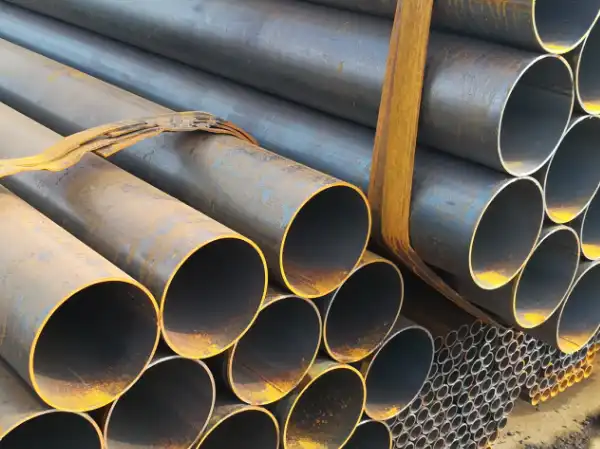
The chromium content (minimum 10.5%) in stainless steel makes it more resistant to corrosion, and stainless steel generally offers improved corrosion resistance, although localized corrosion such as pitting or crevice corrosion can still occur in certain environments. Austenitic stainless grades, on the other hand, are 3–5 times more expensive than carbon steel. Consequently, they are economically viable only in scenarios where severe corrosion significantly curtails the lifespan of carbon steelor where product contamination from rust is unacceptable, like when making medicines or processing food.
Carbon steel is much cheaper than stainless steel and can provide comparable or higher mechanical strength in many structural and pressure applications. Carbon steel is often a cost-effective choice for structural applications, pressure service in non-corrosive environments, and systems where protective coatings can provide adequate corrosion control.
Alloy Steel Considerations
Chromium-molybdenum alloy steels are in between carbon and stainless steels. They are stronger at high temperatures and don't fight rust as well as stainless steels. These materials are good for specific jobs, like industrial pipes in hydrogen service or high-temperature steam systems. However, because they cost 50–100% more than carbon steel, they can only be used in places where carbon steel doesn't work well enough.
Construction Method Impact on Reliability
By allowing for corrosion, the choice of wall thickness has a direct effect on the pressure rating and service life. Schedule 80 pipe has a thicker wall than Schedule 40 pipe, so it can handle more material loss before it reaches the minimum acceptable wall thickness. This means that it doesn't need to be replaced as often in corrosive environments, even though it costs more at first. This longer work life should be weighed against the higher initial cost when figuring out the return on investment.
The main thing that affects dependability in welded pipe building is the quality of the welds. At JS FITTINGS, we make sure that all of our LSAW and SSAW welds are defect-free so that they work the same way as seamless pipe when it comes to pressure containment. This quality control helps minimize the performance differences between properly manufactured welded and seamless pipes.
Conclusion
Industrial carbon steel pipe can last anywhere from 15 to more than 50 years, depending on the type of material used, the quality of the manufacturing process, the safety steps taken, and the climate in which it is used. Professionals in procurement maximize the value of assets by choosing the right pipe types, such as seamless for harsh service conditions, ERW for cost-effective medium-diameter uses, LSAW for high-pressure large-bore systems, and SSAW for large-diameter low-pressure installations. Rigorous supplier qualification based on certifications, testing capabilities, and a recorded history of performance lowers the chances of failure before it's time. Implementing complete corrosion protection and regular maintenance plans increases service life well beyond initial hopes, lowering the total cost of ownership while increasing safety and dependability in industrial settings.
FAQ
1. How long do carbon steel pipes typically last in industrial applications?
Under normal working conditions and with the right corrosion protection, carbon steel pipes will work well for 25 to 40 years. If you don't take the right precautions, aggressive conditions can cut this to 10 to 15 years. On the other hand, controlled indoor uses with little corrosion exposure can go over 50 years. The exact life span relies on things like the type of material used, the thickness of the walls, the coating systems, the working pressure and temperature, and how well the structure is maintained.
2. What maintenance practices extend carbon steel pipe service life?
Regular ultrasound thickness tracking finds rust before it causes too much wall loss, so only the damaged parts need to be replaced instead of the whole system. Keeping the water in closed-loop systems at the right chemistry (pH 7-9, low oxygen, and the right amount of inhibitors) lowers the rate of internal rust by 70–90%. Inspecting and repairing external coatings prevents the initiation of localized corrosion.For buried pipes, cathodic protection systems can significantly extend service life in acidic soils when properly designed and maintained.
3. Can carbon steel pipes be used in corrosive environments?
When carbon steel is protected on the outside with the right coatings, such as FBE, 3LPE, or coal tar enamel, and on the inside with cement lining or chemical inhibitors, it works well in mildly corrosive environments. Strong acids, high chloride concentrations, or hydrogen sulfide can all be very corrosive. In these cases, upgrading to an alloy steel or stainless steel may be necessary because unprotected carbon steel could require frequent replacement.
Partner with JS FITTINGS for Reliable Industry Carbon Steel Pipe Solutions.
Industrial activities that are safe and effective depend on having good piping systems. With over 40 years of manufacturing excellence, JS FITTINGS and works with EPC companies, distributors, engineering firms, and industry end users all over the world and in the United States. Our wide range of products includes ERW pipes (NPS 1/2" to 20") for utility uses, LSAW pipes (NPS 16" to 60") for high-pressure gas transmission, and cost-effective SSAW pipes (NPS 8" to 120") for water infrastructure. As a reliable supplier of industrial carbon steel pipe, we can meet the needs of any project and guarantee quality with ISO, CE, and GOST-R certifications. With a repurchase rate of over 98% and as an approved provider to major energy companies, we offer the dependability that lowers the risk of your project while meeting tight deadlines. Email our knowledgeable staff at admin@jsfittings.com to talk about your carbon steel pipe needs, get technical datasheets, or get a personalized quote.
References
1. American Society of Mechanical Engineers. (2020). ASME B31.3 Process Piping. ASME Press.
2. National Association of Corrosion Engineers. (2016). Corrosion Costs and Preventive Strategies in the United States. NACE International.
3. American Petroleum Institute. (2018). API 5L Specification for Line Pipe (46th ed.). API Publishing Services.
4. ASTM International. (2019). ASTM A106 Standard Specification for Seamless Carbon Steel Pipe for High-Temperature Service. ASTM International.
5. Steel Tube Institute. (2017). Guidelines for Pressure Design of Circular Hollow Sections. Steel Tube Institute of North America.
6. Corrosion Engineering Science and Technology. (2021). Service Life Prediction of Carbon Steel Pipelines in Industrial Environments. Materials Performance, 60(3), 42-51.
Send Inquiry
You may like