
What specification is the carbon steel black pipe?






2026-05-12 15:36:24
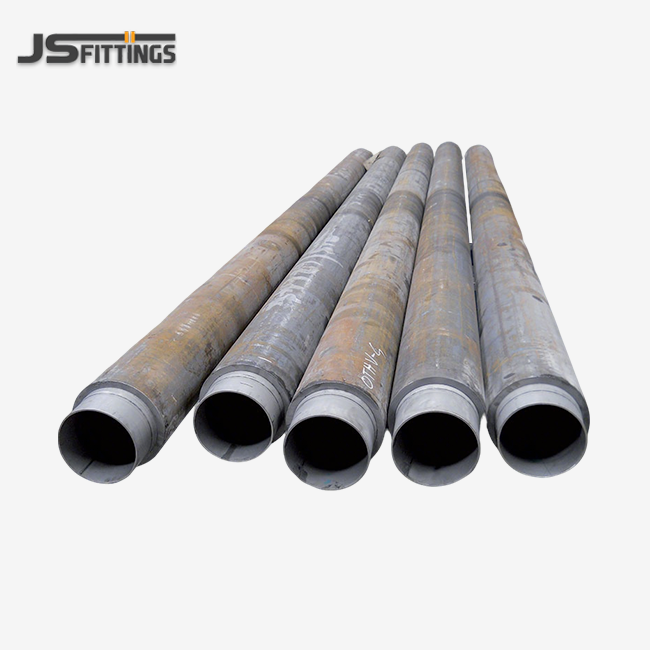
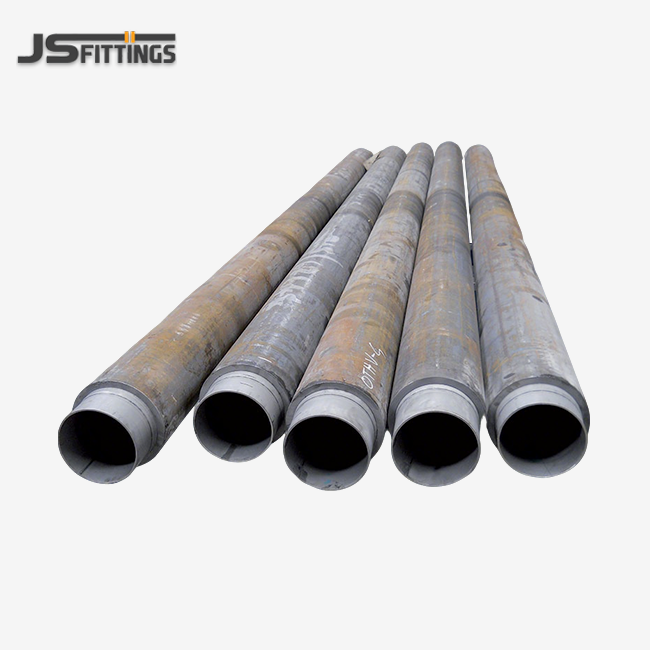
Carbon steel pipe specifications encompass dimensional tolerances, chemical composition, mechanical properties, and manufacturing standards that define these essential industrial conduits. Black steel pipes are characterized by their mill-scale finish and compliance with international standards such as ASTM A53, ASTM A106, and API 5L. Typical carbon content varies by grade and specification, generally ranging from approximately 0.06% to 0.30%. These standards determine pressure ratings, temperature capabilities, and structural integrity for applications spanning oil and gas transmission, industrial processing, and infrastructure development projects that need reliable, cost-effective piping solutions.
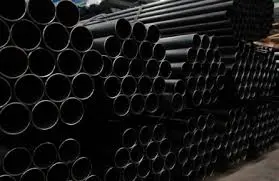
Understanding Carbon Steel Black Pipe Specifications
Black steel pipes are an important part of industrial piping systems. They are easy to spot because they have a dark mill-scale finish and strong performance. The black color that gives these pipes their name comes from the mill scale formed during the manufacturing process. The specification framework for these pipes includes several important factors that determine their performance in different industrial environments.
Chemical Composition and Material Properties
The chemical composition of black steel pipes has a direct effect on their performance and suitability for different applications. Manganese levels are usually between 0.3% and 1.2%, and carbon levels are between 0.05% and 0.25% by weight. This carefully controlled composition helps ensure good weldability and structural stability under demanding operating conditions. Sulfur and phosphorus levels are kept low to reduce brittleness and improve durability.
As an example, the tensile strength can be anywhere from 330 to 520 MPa, based on the grade and the way it was made. The elongation percentage typically ranges from approximately 20% to 30%, depending on the grade and manufacturing process, which provides sufficient ductility for fabrication and thermal expansion. Because of these properties, black steel pipes are suitable for applications requiring both strength and ductility.
Manufacturing Standards and Certifications
International standards control how black steel pipes are made and how their quality is assured. This helps ensure consistent performance across global markets and applications. ASTM standards provide detailed requirements for testing procedures and chemical composition. API standards are designed to work with users in the oil and gas business, while ISO standards make it easier for countries to trade and work together.
Tests for quality control include hydrostatic pressure, nondestructive examination, and chemical analysis. Before shipment, these testing procedures ensure that each batch of pipes meets specified quality standards. To supply pipes for critical infrastructure projects, manufacturing sites must keep up with certification requirements.
Types and Grades of Carbon Steel Black Pipes With Their Specifications
The classification of black carbon steel pipes directly reflects their intended applications and specific performance requirements. When procurement professionals understand these differences, they can choose the best specs for each project while keeping performance and cost in mind.
ASTM Grade Classifications
ASTM A53 Grade B represents the most commonly specified black steel pipe for general construction and plumbing applications. This grade offers excellent weldability and moderate strength characteristics suitable for low- to medium-pressure systems. Wall thickness options range from Schedule 10 to Schedule 160, accommodating various pressure requirements.
ASTM A106 Grade B is designed for high-temperature service applications such as steam, refinery, and process piping systems. The seamless manufacturing process eliminates concerns associated with weld seams, providing more uniform structural integrity throughout the pipe wall. This grade is commonly used in elevated-temperature service within the limits specified by applicable ASME piping codes and design conditions.
ASTM A333 covers seamless and welded carbon and alloy steel pipe intended for low-temperature service. The specification includes multiple grades with varying impact toughness requirements. These requirements help ensure reliable performance in cryogenic settings and placements in cold climates, where material brittleness is a major concern.
API 5L Pipeline Specifications
API 5L specifications cover a wide range of grades, commonly from Grade B and X42 through X80 and higher. Each grade specifies the minimum yield strength in tens of thousands of pounds per square inch (PSI). Grade X52 has a minimum yield strength of 52,000 PSI, making it suitable for medium-pressure transmission lines. Higher grades, such as X65 and X70, allow for higher working pressures while still maintaining appropriate design safety margins.
There are both seamless and welded versions of these standards. Welded versions can be manufactured using ERW, LSAW, or SSAW processes, depending on diameter, wall thickness, and application requirements. For large pipeline projects, each welding method offers advantages in terms of applicable diameter ranges, wall thickness choices, and cost.
Comparing Carbon Steel Black Pipe Specifications to Other Pipe Types
When it comes to industrial pipes, black steel pipes offer distinct advantages and limitations, with their own set of pros and cons when compared to other materials. Understanding these differences between them helps users make informed decisions for specific use cases.
Performance Against Galvanized Alternatives
A zinc layer on galvanized pipes makes them more resistant to corrosion, but black steel pipes are generally more cost-effective and can be used in places where rust protection can be achieved in other ways. Since there is no zinc coating, black steel pipes avoid issues associated with zinc layer damage, coating inconsistency, or zinc fume generation during welding and high-temperature fabrication.
When it comes to welding, black steel pipes are better than galvanized ones because the zinc coating can interfere with weld quality and cause toxic fumes to be released during the process. When a lot of field welding is needed, black steel standards are often more useful and cost-effective.
Comparison with Stainless Steel Options
Stainless steel pipes perform well in places where corrosion is a problem, but they cost a lot more to make. Black steel pipes are commonly used in environments where corrosion can be controlled through coatings, insulation, or operating conditions, while offering lower material costs than stainless steel alternatives. This means that projects on a budget can get the performance they need without having to pay more for expensive materials.
The thermal expansion characteristics of carbon steel pipe systems closely match those of structural steel parts. This simplifies thermal stress calculations and expansion joint design. When compared to mixed-material systems, this flexibility makes the system simpler and cheaper to install.
Alternative Material Considerations
While ductile iron pipes are widely used for underground applications because of their durability and corrosion protection systems, they can't handle as much pressure as black steel pipes. In elevated installations, the difference in weight becomes important because the need for structural support has a direct effect on project costs.
Alternatives like PVC and HDPE are corrosion-resistant materials, but they are not suitable for the high temperatures and pressures needed for many commercial uses. Black steel pipes are in the middle of the performance range between plastic options and high-end alloys.
How to Choose the Right Carbon Steel Black Pipe Specification for Your Project?
To choose the right black steel pipe specs, you need to carefully look at the economic factors, working needs, and environmental conditions. This way of making decisions has a direct effect on the success of the project, the safety of workers, and the long-term costs of running the business.
Environmental and Operational Assessment
Selecting the correct carbon steel pipe specification begins with a thorough analysis of the system's temperature range, as different grades possess distinct high and low-temperature performance limits.ASTM A106 grades perform well in high-temperature steam service, and A333 standards are better for use in sub-zero temperatures. To properly specify the wall thickness (Schedule), you must account for the maximum operating pressure, incorporate appropriate safety factors, and consider potential surge conditions (pressure spikes).
The review of the corrosion environment determines whether additional protective measures are required or if we should think about using different materials. External protection systems may be needed for installations that are buried, while painting or other protective treatments may be needed for installations that are exposed to the air.
Dimensional Specification Considerations
When choosing a pipe diameter, you have to balance the need for flow capacity with cost, since larger diameters require significantly more material. When specifying wall thickness, the highest working pressure must be taken into account, along with corrosion allowances and mechanical loads from equipment that is being supported.
Length requirements affect both the cost of materials and how quickly they can be installed. Standard pipe lengths reduce material waste, and special cut-to-length choices can cut down on the need for welding in the field. Transportation issues may limit the longest lengths that can be used in certain project sites.
Certification and Compliance Requirements
Specifications for projects often call for licenses or tests that go beyond normal manufacturing procedures. A lot of the time, government projects may require local content compliance or additional testing documentation. Knowing these needs early on in the buying process keeps delays and changes to specifications from happening, which costs a lot of money.
For important uses, choosing the right supplier is important because the quality of the product has a direct effect on how reliable the system will be in the long run. Carbon steel pipe providers with long histories and thorough quality control systems lower project risk and make sure specifications are met.
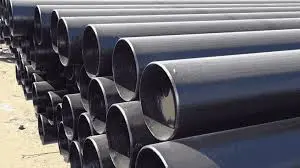
Purchasing Carbon Steel Black Pipes: Specifications, Suppliers, and Custom Solutions
When buying black steel pipes, there are more things to think about than just making sure the specifications are met. Knowing how the market works, what suppliers can do, and what customization options are available helps you make the best buying choices that combine price, quality, and delivery needs.
Specification Verification and Documentation
Mill test reports (MTRs) provide important verification of what chemicals are in each pipe batch and what their mechanical qualities are. These documents make it possible to track and ensure quality throughout the whole project. Verification of specification compliance should happen before shipment to avoid costly discoveries of non-conforming materials in the field.
Third-party inspection services can give you extra quality security for important uses or when you don't have a lot of information about a supplier's track record. Through separate testing methods, these services make sure that the dimensions are correct, the surface is in good shape, and the product meets the requirements.
Customization and Special Requirements
Cut-to-length services can significantly reduce field labor costs because they don't need to do any cutting or end preparation. But these services have to be weighed against the fact that materials will cost more, and shipping times may have to be pushed back. Custom drilling, cutting, or end preparation can cut installation time in the field even more.
In some settings, special coatings like 3PE, FBE, or zinc coating offer better protection against rust. During the purchase process, these coatings must be defined because field-applied coatings may not achieve the same consistency and quality as factory-applied systems.
Bulk Ordering and Logistics Considerations
Because of economies of scale, bulk purchasing usually results in significant cost savings. But the possible savings must be weighed against the need for store space and changes to working capital. Consolidating purchases with fewer suppliers can simplify procurement processes and give you more power in negotiations for better price terms.
Coordinating delivery schedules is very important for the success of a project, especially when different project stages need different types of pipes. Carbon steel pipe suppliers with robust inventory management and flexible delivery options reduce project risk and enable just-in-time delivery strategies.
Conclusion
Specifications for black steel pipes include a wide range of physical, chemical, and dimensional factors that determine how well they work in different manufacturing settings. By understanding these specifications, you can make smart decisions about what to buy that combine efficiency needs with cost concerns. To make sure the project is a success, the selection process must take into account working conditions, legal requirements, and the supplier's skills. If the correct specifications and suppliers are selected, black steel pipes can be used for challenging industrial piping jobs in a reliable and cost-effective way.
FAQ
1. What are the key differences between ASTM A53 and A106 specifications?
ASTM A53 specifications are intended for general-purpose applications at moderate temperatures, while the ASTM A106 specifications are for high-temperature steam service uses. A106 pipes have to go through stricter controls on their chemical makeup and tests, which makes them better at working at high temperatures.
2. How do welded and seamless black steel pipes compare in terms of specifications?
Because seamless pipes have uniform wall thickness and there are no weld seams to worry about, they can be used in high-pressure situations. In larger diameters, welded pipes are cheaper, but they still work well enough for most commercial uses. When made correctly, both types can meet the same standard requirements.
3. What coating options are available for black steel pipes?
Three-layer polyethylene (3PE), fusion-bonded epoxy (FBE), and zinc coating systems are all common types of coatings. The choice is based on the working temperature, the environment, and the projected service life. Coal tar epoxy, epoxy, or polyurethane coating systems may be specified for certain service environments requiring enhanced corrosion protection.
4. How do API 5L grade numbers relate to pipe performance?
The API 5L grade numbers show the lowest yield strength in thousands of pounds per square inch (PSI). Materials with better grade numbers are stronger and can handle higher working pressures. The choice of grade has to strike a balance between the need for strength, cost, and supply.
Partner with JS FITTINGS for Premium Carbon Steel Pipe Solutions
JS FITTINGS stands as your premier manufacturer and trusted supplier of industrial piping solutions, backed by over 40 years of proven expertise in delivering specification-compliant carbon steel pipes for global projects. Our extensive inventory includes ASTM A53, A106, A333, and API 5L grades in sizes ranging from 1/2" to 60", enabling us to meet the most urgent project demands. As an approved supplier for major energy companies like NIOC, ADNOC, and Petrobras, and backed by ISO, CE, and GOST-R certifications, we guarantee uncompromising quality and compliance. Our state-of-the-art testing facilities, including full radiographic inspection capabilities, ensure every pipe exceeds the strictest project requirements. Contact us today at admin@jsfittings.com. for personalized quotes and discover why global industry leaders choose JS FITTINGS.
1. American Society for Testing and Materials. "Standard Specification for Pipe, Steel, Black and Hot-Dipped, Zinc-Coated, Welded and Seamless." ASTM A53/A53M-20.
2. American Petroleum Institute. "Specification for Line Pipe." API Specification 5L, 46th Edition, 2018.
3. American Society of Mechanical Engineers. "Process Piping Code." ASME B31.3-2018.
4. International Organization for Standardization. "Petroleum and Natural Gas Industries - Steel Pipe for Pipeline Transportation Systems." ISO 3183:2019.
5. National Association of Corrosion Engineers. "External Corrosion Direct Assessment of Underground Carbon Steel Pipelines." NACE SP0502-2010.
6. American Welding Society. "Structural Welding Code - Steel." AWS D1.1/D1.1M:2020.
Send Inquiry
Related Industry Knowledge
- Choosing the Right Size Long Radius Buttweld Elbow for Your Project
- How Are Carbon Steel Forged Steel Flanges Heat Treated?
- Cold Drawn vs Hot Rolled ASTM A312 Seamless Pipe: Key Differences
- How thick is the FBE Coated Steel Pipe?
- Long Radius Buttweld Elbow For Erosion-Corrosion Environment
- What is CRA clad pipe?
- Best Buttweld Elbow Materials for Corrosive Industrial Pipelines
- What specification is the carbon steel black pipe?
- How are stainless steel butt weld fittings measured?
- What is a plate flange used for?