
Why Is Long Radius Buttweld Elbow Preferred in Oil & Gas?






2026-05-19 10:57:51
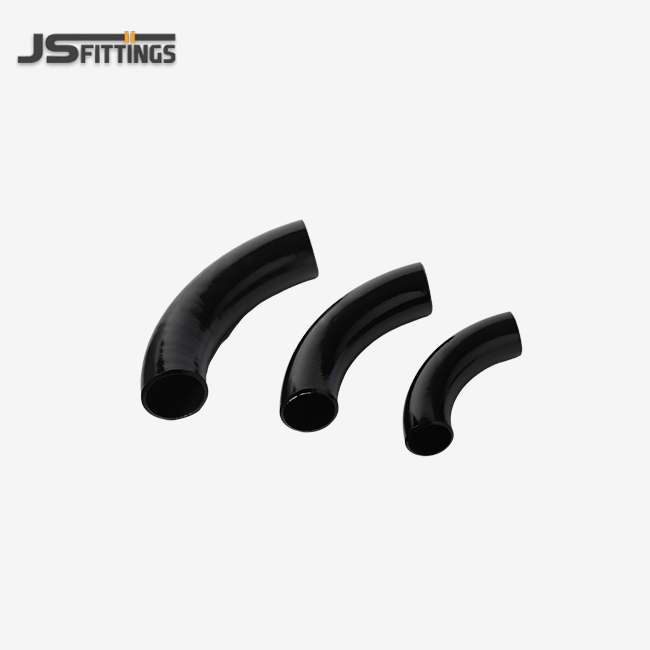
Most oil and gas pipelines are made with long radius buttweld elbows because they solve three important operating problems: pressure loss, mechanical stress concentration, and system failure before it's supposed to. The centerline radius of these fits is 1.5 times the standard pipe diameter. This makes flow changes that are smoother and less turbulent than short radius options. Unplanned shutdowns in high-stakes situations cost operators thousands of dollars per hour. The buttweld elbow design removes threaded joint weaknesses while keeping the structure strong in harsh temperature changes and chemical exposure.
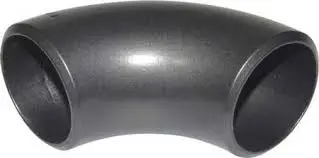
Understanding Buttweld Elbows in Oil & Gas Applications
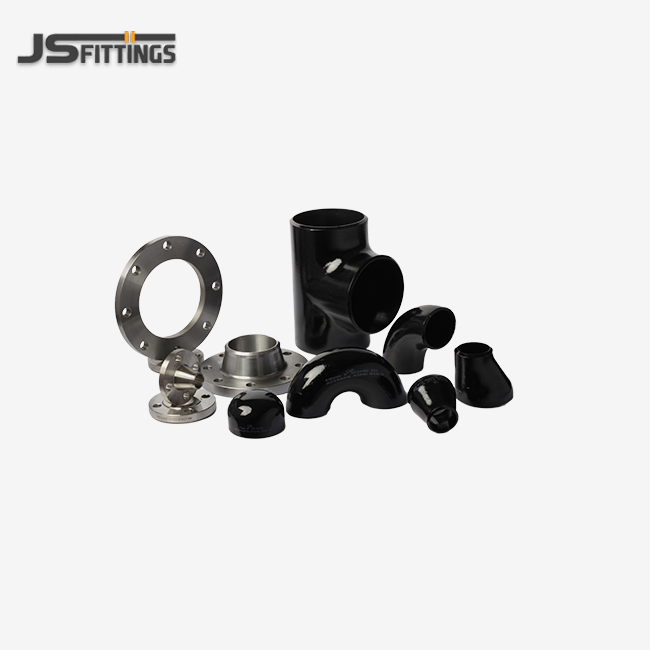
Buttweld elbows are used to connect pipeline networks in a certain way. They are made by hot forming (such as hot pressing) or extrusion, which makes the ends beveled so that full-penetration welding can be done. These parts, unlike threaded or socket-weld fittings, become fixed extensions of the pipe system. This means that there are no possible leak paths at the connection places. This design solves a major problem in the industry: when joints fail in pressure petroleum transport systems, terrible things happen.
Material Selection for Harsh Environments
Materials that can stand up to harsh circumstances are needed for oil and gas activities. If the service conditions are mild, carbon steel grades like ASTM A234 WPB are a cost-effective choice. On the other hand, stainless steel grades like ASTM A403 WP316/316L offer improved resistance to corrosion in sour service environments. Some types of alloy steel, like ASTM A234 WP11 and WP22, stay strong at temperatures above 800°F, which makes them good for use in refinery processing units and offshore production platforms. Lifecycle efficiency is directly affected by the material's makeup. Tier-1 mill certifications make sure that the chemical makeup and mechanical qualities stay the same, and 3.1 Mill Test Certificates give full traceability. During regulatory checks and failure analysis inquiries, this paperwork is very important.
Industry Standards and Dimensional Accuracy
ASME B16.9 sets the rules for production standards, including tolerances for size, ratings for pressure and temperature, and marking requirements. These standards make sure that global supply chains can work together, so EPC contractors can buy parts from approved makers without worrying about whether they will work together. For wrought stainless steel fittings, standards like MSS SP-43 apply, and EN 10253 and DIN 2605 cover the European market. Accurate measurements affect how well a job works and how well the joints hold together. The beveled ends must meet the requirements of ASME B16.25, with bevel angles and land widths that are best for welding. With CNC cutting technology, the shape of the edge stays the same from one production batch to the next. This cuts down on the time needed for fit-up during installation in the field and the number of weld flaws that let pressure build up.
Long Radius Versus Short Radius Design Differences
The central radius tells these fitted groups apart. Long radius elbows have a radius that is 1.5 times the standard width (1.5D), while short radius elbows have a radius that is 1.0D. This critical dimensional difference results in measurable changes in both fluid dynamics and structural loading behavior within the carbon steel butt weld elbow.Long radius designs make changes in direction less abrupt, which lowers flow separation and secondary circulation patterns that damage the flow and waste energy. Because they take up less room and cost about 20% less, short radius fittings are good for tight installation areas where space is more important than flow efficiency. When making procurement choices, these competing factors must be weighed against the needs of the individual project.
Advantages of Long Radius Buttweld Elbows in Oil & Gas Pipelines
Data from offshore platforms and midstream sites show why long radius designs are most common in critical service uses. These benefits directly lead to lower running costs and higher safety margins, which are what project developers and facility owners care about most.
Flow Efficiency and Pressure Drop Reduction
When the flow rates are the same, computational fluid dynamics studies show that long radius buttweld elbows can reduce pressure loss by approximately 20 to 40 percent, depending on flow conditions, compared to short radius equivalents. The extended curve keeps the flow connected to the inner wall, which reduces turbulence and changes in the velocity profile. In shipping pipes with a lot of flow, this improvement in efficiency lowers the amount of energy needed for pumping. This saves fuel and lowers carbon emissions. Using the Darcy-Weisbach equation to figure out pressure drop shows that resistance coefficients (K-factors) for long radius 90-degree elbows are usually between 0.3 and 0.4, while K-factors for short radius fits reach 0.5 to 0.7. Over kilometers of piping, these differences add up, which changes the distance between pump stations and the total capacity of the system.
Extended Service Life Through Wear Reduction
Erosion patterns are most concentrated at places where the flow speed rises and the impact angles of particles get bigger. Long radius elbows spread flow energy over a larger surface area. This makes the contact zone bigger, which lowers the rate of wear in specific areas. When looking at field inspection data from sand-filled crude oil lines, we can see that long radius fittings can achieve significantly longer service life than short radius fittings, depending on operating conditions, while short radius fittings only last 4–6 years. When you think about how much it would cost to fix the damage, the economic effects become clear. Offshore sites have to pay more than $500,000 a day for intervention boats, while onshore projects have to shut down output, which lowers throughput profits. Choosing parts that have been shown to last a long time cuts down on these unplanned costs and raises asset efficiency measures.
Compatibility Across System Configurations
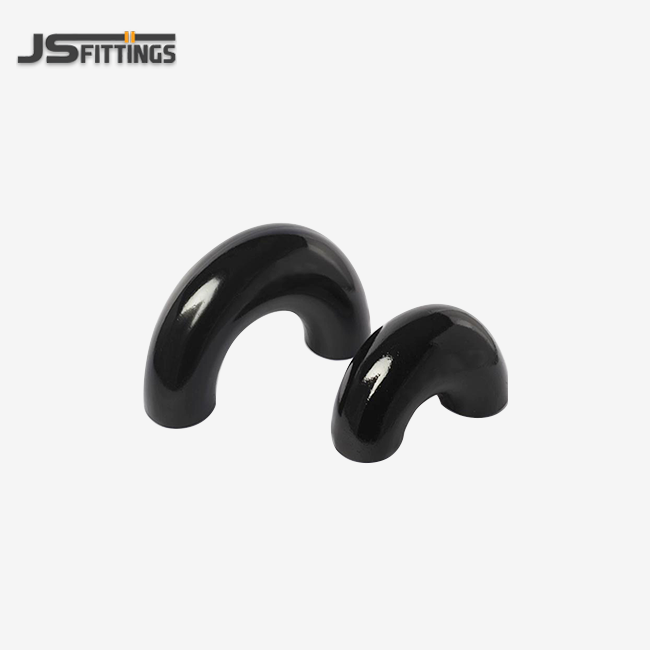
Pipeline builders like how long radius fittings can be used in a lot of different situations. These parts work perfectly with pipes with schedules from 10S to XXS, and they can accommodate certain wall thickness variations, though transitions may still require design verification. Sizes from 1/2" to 72" in diameter allow building piping systems to be standardized, which makes it easier for stockists and maintenance groups to keep track of their supplies. There are custom degree choices besides the normal 45° and 90° designs that help with specific routing problems. 60° and 120° versions are useful for specialized uses like subsea flowlines and complicated manifold assemblies because they cut down on the number of welded joints and possible leak points. This adaptability supports flexible building methods that shorten project timelines.
How to Choose the Right Buttweld Elbow for Oil & Gas Projects
When making a procurement choice, technical requirements, economic factors, and supply chain issues must all be carefully considered. The selection system needs to take into account both the short-term needs of the project and the long-term needs for operations and upkeep.
Pressure Rating and Temperature Considerations
The specified wall thickness is directly determined by the system's design pressure. For carbon steel butt weld elbows, specifications typically range from Schedule 40 for low-pressure gathering systems up to Schedule 160 for extreme high-pressure pumping services. The ASME B31.3 Process Piping Code gives ways to figure out the minimum width needed by considering internal pressure, the maximum acceptable stress in the material, and the amount of rust that is allowed. Temperature ratings and pressure powers are linked. For example, ASTM A234 WPB carbon steel is typically used up to approximately 800°F, with allowable stress decreasing as temperature increases, but at higher temperatures, it needs to be upgraded to an alloy. For steady loading situations, safety margins built into code calculations usually use design factors that are 0.33 to 0.4 times the material's yield strength. Dynamic loads like pressure bursts and thermal expansion cycles need more research using wear curves and models of cumulative harm. Components that play important roles in isolation may require higher pressure classes to make sure they have extra safety limits.
Material Grade Selection Strategy
Corrosion processes decide what materials are used. When working with sweet service (hydrocarbon streams with low H2S content), carbon steel can be used. But when working with sour service (more than 50 ppm H2S concentration), corrosion-resistant metals or protective coatings are needed. Concerns about chloride stress corrosion cracking in coastal areas make 316L stainless steel, which has more molybdenum, a better choice. Impact-tested materials like ASTM A420 WPL6 that stay flexible at cold temperatures are needed for uses below -20°F. Charpy V-notch testing is required at LNG sites and operations that take place in cold climates to make sure that the minimum energy absorption is 15 ft-lbs at design temperatures. This keeps brittle fractures from happening.
Supplier Qualification and Certification Verification
Assessing vendors is the first step in reliable buying. ISO 9001 certification shows that a quality management system is being used, and industry-specific certifications like API Q1 show that you know a lot about the oil and gas business. Manufacturers who have more than one regional certification, like CE marking, GOST-R approval, or PETROBRAS approval, show that they can meet a wide range of standards. The paperwork for material tracking should have heat numbers, chemical composition analyses, and mechanical test findings. Positive Material Identification (PMI) with X-ray fluorescence scanners checks that the chemistry of a metal matches the grade that was asked for. This stops expensive material mix-ups. Reports from non-destructive tests, such as ultrasonic examination and magnetic particle inspection, give people faith in the strength of structures.
Installation Best Practices and Common Pitfalls to Avoid
If engineered performance applies to field efficiency, it depends on how well the parts are installed. To make connections that don't leak and last a long time, the welding process, joint preparation, and checking methods must all match what the code says and what the maker suggests.
Welding Procedure Specification Development
Welding methods that are qualified take into account the type of material, the width of the walls, and the shape of the joint. Procedure evaluation records show that the suggested parameters make good welds that meet the standards for strength and toughness. The grain structure and residual stress patterns are changed by things like the warm-up temperature, the interpass temperature, and the post-weld heat treatment. To stop hydrogen from causing cracks in carbon steel elbows, they usually need to be heated to 200 to 400°F. In controlled settings, stainless steel materials can be welded without heating them first. The properties of the filler metal must fit the properties of the base material. For example, E7018 electrodes work well with carbon steel, while ER308L wire works well with austenitic stainless steel. Gas tungsten arc welding has better root pass quality than shielded metal arc welding, but for production welding, semi-automatic methods are better because they are more efficient.
Joint Preparation and Fit-Up Requirements
The ends that are beveled must be clean, dry, and free of any mill scale, rust, or organic material that could cause problems. Surface oxides can be removed mechanically by using wire brushes or grinding. Oils and greases can be removed chemically by using approved solvents. Fit-up tolerances in ASME B31.3 say that misalignment can't be more than 1/8" between surfaces next to each other and 1/16" around the joint's diameter. When you balance things correctly, you avoid high-low situations that cause stress risers and make it harder to understand X-rays. External clamps and precisely executed tack welds are used to secure the components during the critical root pass welding. It is imperative that the quality of these tack welds matches the stringent standards of the final production welds.In many oil and gas uses, backing rings are not allowed because they can cause crevice rust and make it hard to make sure that the fusion is complete.
Common Installation Errors and Prevention Strategies
If the fit-up isn't done right, there may be too much root gap or not enough land contact, which lowers the quality of the weld. This problem can be avoided by using alignment tools and double-checking measurements before spot welding. Moisture and unwanted materials can get into components if they are stored or handled incorrectly. This risk can be eliminated by keeping protective caps on until installation and putting components on clean surfaces before installation. If you don't apply sufficient preheating, the microstructures will cool quickly, making them hard and prone to cracking. Portable temperature readings make sure that the lowest temperatures are reached before the arc starts and stay there during the whole welding process. For alloy steels, the heat treatment after welding must follow set time-temperature steps to relieve stress and make temper martensite crystals. Buttweld elbows require precise handling to ensure long-term integrity.
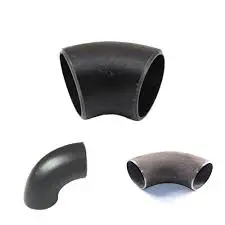
Leading Buttweld Elbow Suppliers and Quality Assurance in the Oil & Gas Industry
As much as the specs of the parts, the success of a project depends on how reliable the supply chain is. Getting to know makers whose quality, technical skill, and ability to handle logistics are consistent lowers procurement risks and guarantees project output on time.
Supplier Evaluation Criteria
The first step in figuring out production capacity is to take tours of the building and look at the equipment, manufacturing methods, and quality control systems. Modern making tools, like hot mandrel bending machines and CNC machining centers, show that the product can keep its tight specs over many production runs. Commitment to quality assurance is shown by in-house testing labs that have spectral analyzers, tension testing machines, and non-destructive examination tools. Geographic diversity makes the supply chain less vulnerable to problems in other areas. Manufacturers who have more than one place where they make things have backups in case of natural disasters, political unrest, or shutdowns caused by pandemics. Regional wholesalers keep track of inventory stocking programs that let urgent needs be met quickly without having to wait for foreign shipping.
JS FITTINGS Manufacturing Excellence
Our 7,000+ square meter manufacturing facility is dedicated to producing premium buttweld pipe fittings. With over 40 years of expertise since our establishment in 1983, we have perfected our manufacturing processes. We keep a large stock of different types of materials, such as ASTM A234 WPB carbon steel, ASTM A403 stainless steel variations, and special alloys that meet ASTM A234 WP5 through WP91 requirements. Sizes can be made from 1/2" to 24" in diameter for seamless constructions and up to 72" for welded constructions. This covers all oil and gas uses. Hot-mandrel and cold-forming processes make uniform wall thickness distributions, especially at the elbow back, where high-pressure applications concentrate stress. Monthly production reaches 800 tons, and yearly capacity exceeds 30,000 tons, meeting both large-scale project needs and urgent needs quickly. We maintain over 95% on-time delivery rates, and complaints are less than 0.5%, which shows that we are operationally disciplined and customer-focused. Our 98% repurchase rate shows that long-term client satisfaction is built on consistent product quality and reliable service.
Value-Added Services and Technical Support
Our engineering team gives advice on piping systems and helps choose materials, check pressure ratings, and make sure dimensions are optimized. We can make custom parts for any project, even if it needs non-standard degree angles, special material grades, or special surface treatments. Sample production and small-batch trial orders let you test the parts before making a full-scale purchase commitment. Our packaging options show that we understand the difficulties of international logistics and the needs of stockists who need to keep track of their inventory. Seaworthy plywood cases keep parts safe during ocean transport, and heat number markings make it easier to keep track of materials in the warehouse and make sure they are certified. Our experienced international trade team handles shipping logistics, paperwork, and customs clearance, making the buying process easier for busy project managers. Buttweld elbows supplied by JS FITTINGS are built to last.
Conclusion
Long radius buttweld elbows are the best choice for oil and gas pipeline systems where flow efficiency, structural durability, and operational safety are key to project success. Their superior pressure drop characteristics, extended service life, and enhanced stress distribution capabilities justify initial cost premiums through reduced energy consumption and maintenance costs. It is important to choose the right materials for the job and install them correctly so that these critical components last for decades. Working with well-known manufacturers who offer full certifications, technical support, and proven supply chain capabilities is the key to successful project execution and long-term operational excellence.
FAQ
1. What pressure ratings are typical for long radius buttweld elbows in oil and gas applications?
Pressure ratings depend on the type of material, the thickness of the wall, and the temperature at which it is being used. For example, carbon steel ASTM A234 WPB elbows in Schedule 40 can handle moderate pressure levels (exact ratings depend on design conditions and code calculations) at room temperature, while Schedule 160 variants can handle 5000 PSI or more. Ratings drop at higher temperatures in line with ASME B31.3 allowable stress curves, but alloy steel grades can handle higher pressures at higher temperatures.
2. How much flow efficiency improvement do long radius elbows provide over short radius designs?
When the flow rate stays the same, long radius designs lower pressure drop by 30–45% compared to short radius options. This saves 15–20% of energy when pumping over long pipeline lengths. The efficiency benefit grows as fluid viscosity and flow velocity rise.
3. Are stainless steel buttweld elbows suitable for high-temperature refinery applications?
ASTM A403 WP316/316L stainless steel is typically used up to approximately 800–900°F in continuous service, depending on conditions, as allowable stress decreases significantly at elevated temperatures. This makes it a good choice for refinery process units that deal with corrosive streams at high temperatures. When choosing a material, it's important to think about both the temperature and the corrosive environment, and the alloy content should be optimized for the specific service conditions.
Partner with JS FITTINGS for Superior Buttweld Elbow Solutions
Specification uncertainty and supply chain concerns shouldn't slow down your pipeline project or put operational safety at risk. JS FITTINGS provides certified long radius buttweld elbows that are engineered to exact ASME B16.9 standards, made from traceable Tier-1 mill materials, and backed by full NDT documentation. Our 43-year history of manufacturing for the National Iranian Oil Company, ADNOC, and Petrobras shows that we can handle demanding oil and gas environments. Email our technical team at admin@jsfittings.com to talk about your specific needs, get material recommendations that are tailored to your service conditions, and get competitive prices for both stock and custom-made solutions. As a qualified butt-weld elbow supplier with 98% client repurchase rates, we can give your project the dependability it needs.
References
1. American Society of Mechanical Engineers. (2020). ASME B16.9: Factory-Made Wrought Buttwelding Fittings. New York: ASME Press.
2. American Society of Mechanical Engineers. (2018). ASME B31.3: Process Piping - Design, Materials, Fabrication, and Inspection. New York: ASME International.
3. Mohitpour, M., Golshan, H., & Murray, A. (2007). Pipeline Design and Construction: A Practical Approach (Third Edition). New York: ASME Press.
4. Nayyar, M.L. (2000). Piping Handbook (Seventh Edition). New York: McGraw-Hill Professional.
5. Singh, R. & Nandan, R. (2019). Erosion-Corrosion in Oil and Gas Pipeline Systems: Mechanisms and Mitigation Strategies. Houston: Petroleum Engineering Publications.
6. Watkins, R.K. & Anderson, L.R. (2000). Structural Mechanics of Buried Pipes. Boca Raton: CRC Press.
Send Inquiry
Related Industry Knowledge
- CRA Clad Line Pipe for Subsea and Offshore Pipelines
- Slip-On Flange Uses and Applications
- Internal Burr Removed ASTM A53 ERW Pipe for Precision Applications
- Collaborative Art of Lap Joint Pipe Flange and Stub End
- What is carbon steel pipe made of?
- What Are the Types of Buttweld Elbows in ASME B16.9 Systems?
- What is seamless carbon steel pipe used for?
- Seamless vs Welded Buttweld Tee: Which Performs Better?
- Why Is Long Radius Buttweld Elbow Preferred in Oil & Gas?
- What are butt weld fittings?