
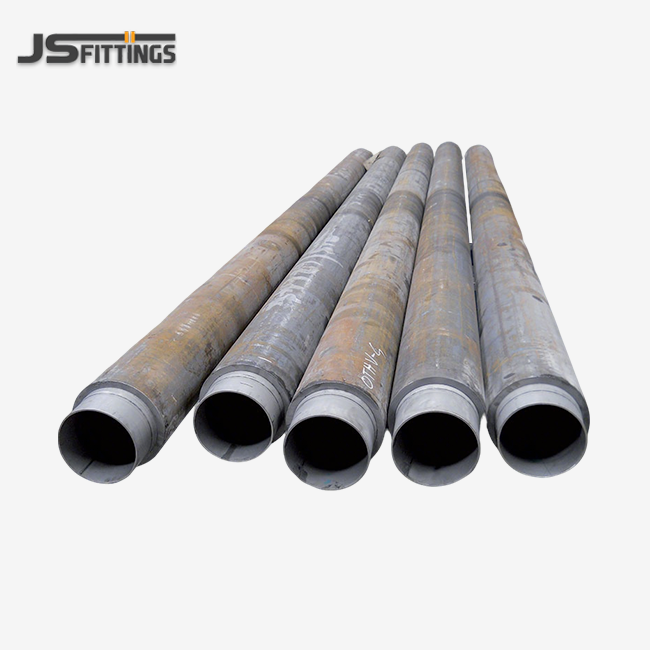
CRA Clad and Lined pipe
Material: API 5L (Gr.B to X80), ASTM A106, A333, A350
CRA Liner Material: Stainless Steel, Duplex,Nickel Alloy
Outer Diameter 2" to 48" (DN50 – DN1200) or customized
Wall Thickness: Base Pipe: 6mm–50mm; CRA Layer: 0.5mm–5mm
Bonding Process: Explosive Cladding, Hot Rolling (Clad); Hydraulic or Thermal Expansion (Lined)






- Free Samples
- Quality Assurance
- 24/7 Customer Service
Product Introduction
CRA Clad and Lined Pipe Manufacturer
Hebei Jinsheng Pipe Fitting Manufacturing Co., Ltd specializes in CRA clad and lined pipe arrangements with over 40 a long time of fabricating greatness. Our progressed metallurgical cladding handle conveys prevalent bond quality, combining carbon steel base materials with premium combination layers counting grades 625, 825, and 316L. With yearly deals surpassing RMB 100 million and month to month shipments of 50+ holders, we give cost-effective erosion security for requesting applications. Our office ranges 7,000+ square meters, guaranteeing dependable generation capacity for worldwide vitality ventures requiring specialized pipeline solutions.
CRA Clad and Lined Pipe Overview
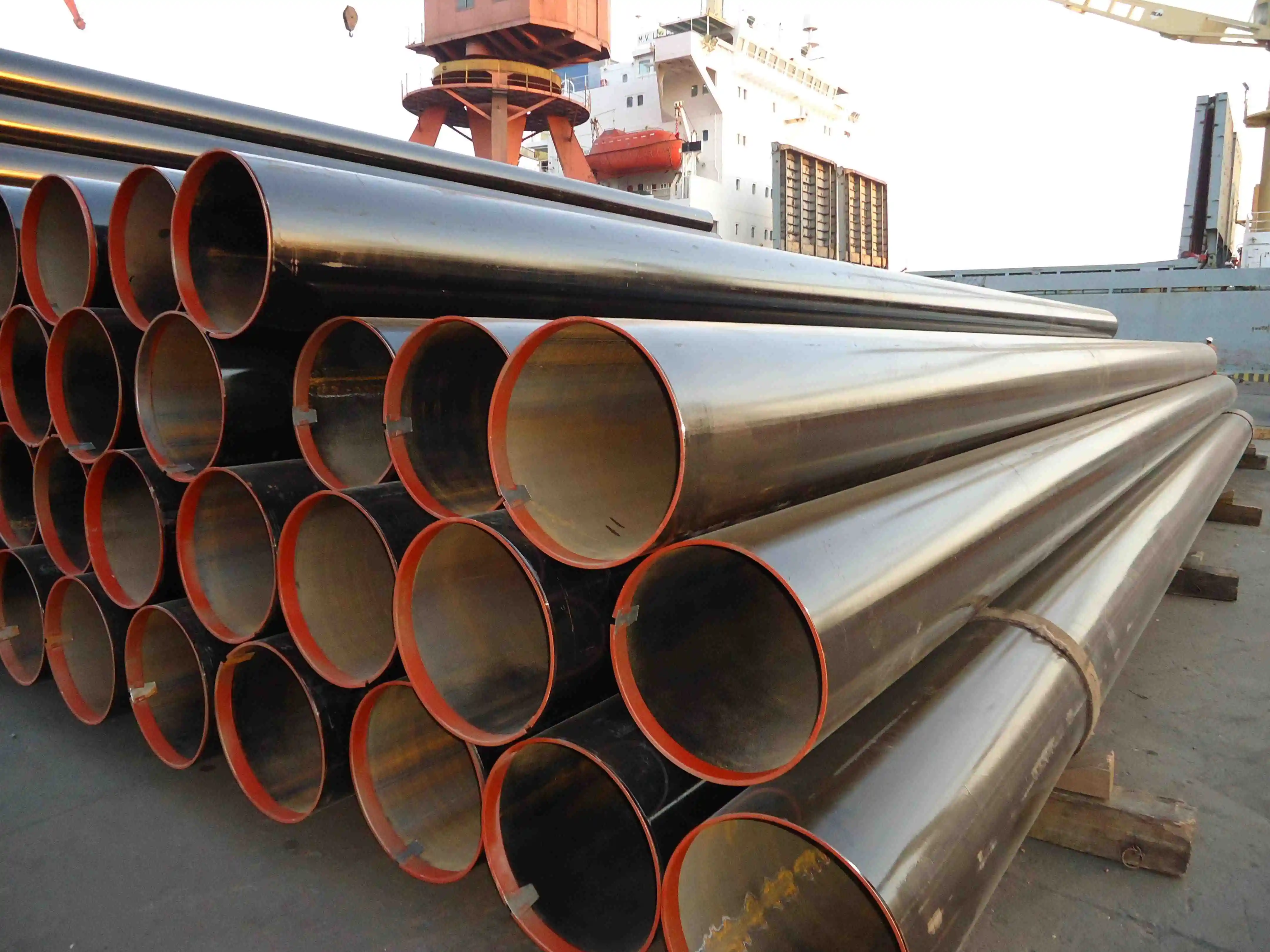
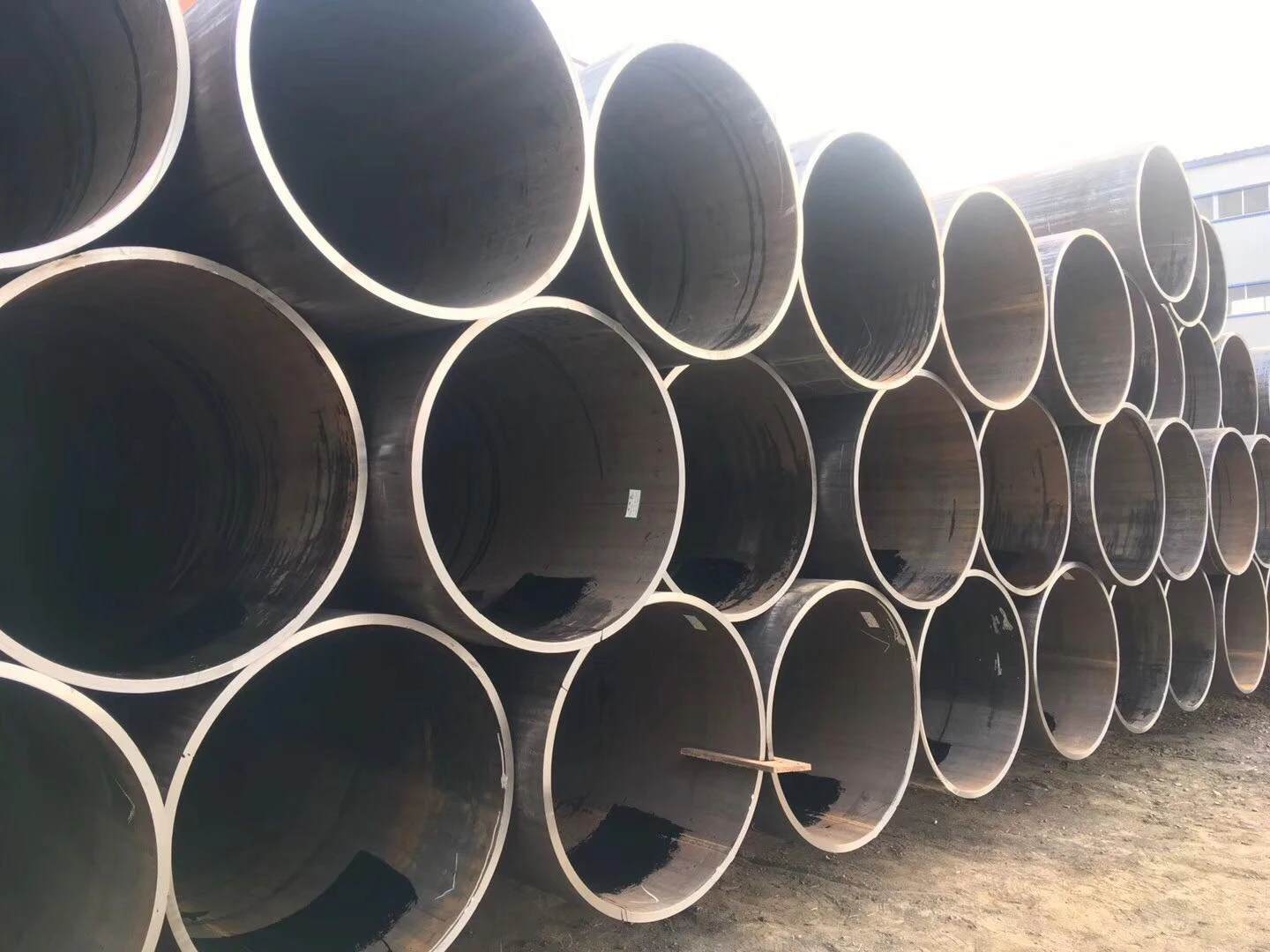
Our pipe frameworks offer imaginative bimetallic development that conveys extraordinary execution in destructive situations. These specialized channels combine the auxiliary quality of carbon steel with the erosion resistance of premium combinations, giving you with an prudent elective to strong stainless steel or extraordinary amalgam pipes.
The progressed fabricating handle makes either metallurgical bonds (clad) or mechanical bonds (lined) between base and overlay materials. This innovation guarantees long-term unwavering quality in challenging applications counting oil and gas transport, chemical handling, and marine environments.
Key Features & Advantages
Superior Corrosion Protection
- Resistant to H2S, CO2, and chloride environments
- Extended service life in aggressive media
- Maintains integrity under thermal cycling
Cost-Effective Solution
- Up to 60% cost savings compared to solid alloy pipes
- Combines strength of carbon steel with alloy protection
- Reduces overall project material costs
High Bond Strength
- Metallurgical cladding prevents delamination
- Withstands high-pressure cycling and bending stress
- Tested to API 5LD bond strength requirements
Versatile Applications
- Compatible with standard pigging operations
- Available in multiple alloy combinations
- Suitable for subsea and topside installations
Technical Specifications
| Parameter | Specification |
|---|---|
| Base Material | Carbon Steel (API 5L Grade B, X42, X52, X60) |
| Cladding Materials | Alloy 625, 825, 316L, Duplex 2205, Super Duplex 2507 |
| Manufacturing Process | Hot Rolling (Clad), Mechanical Expansion (Lined) |
| Size Range | DN50 - DN1200 (2" - 48") |
| Wall Thickness | Base: 6mm - 40mm, Clad Layer: 2mm - 5mm |
| Length | Up to 12 meters standard |
| Bond Strength | ≥ 140 MPa (API 5LD requirement) |
| Operating Temperature | -46°C to +400°C |
| Pressure Rating | Up to ANSI 2500# |
Standards & Certifications
- API 5LD - Specification for CRA Clad or Lined Steel Pipe
- ASTM A333 - Low-Temperature Service Steel Pipe
- NACE MR0175/ISO 15156 - Sour Service Requirements
- ASME B31.3 - Process Piping Code
- DNV-GL - Maritime and Offshore Standards
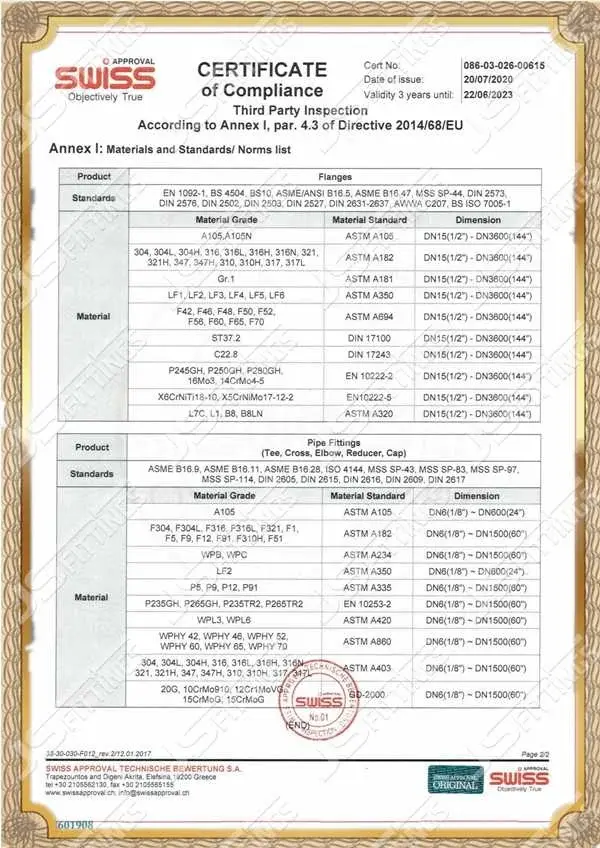
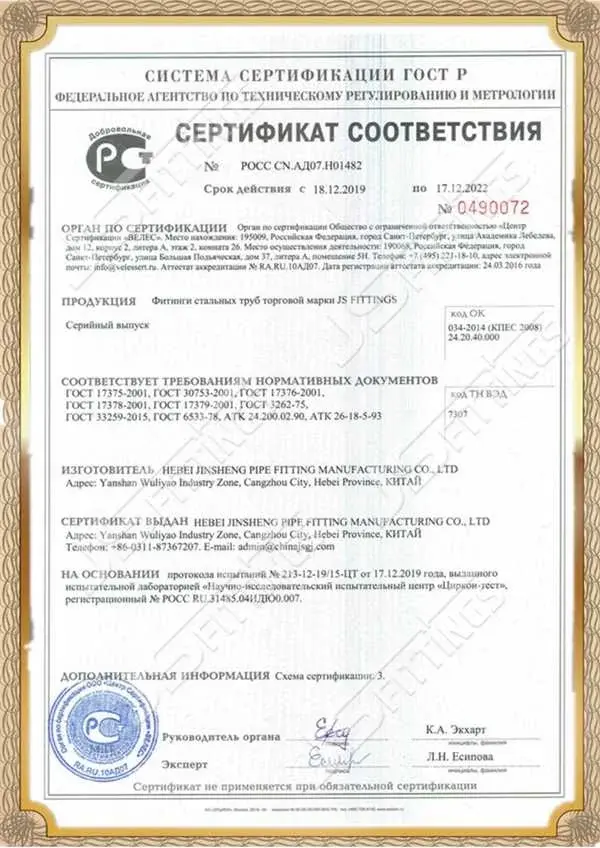
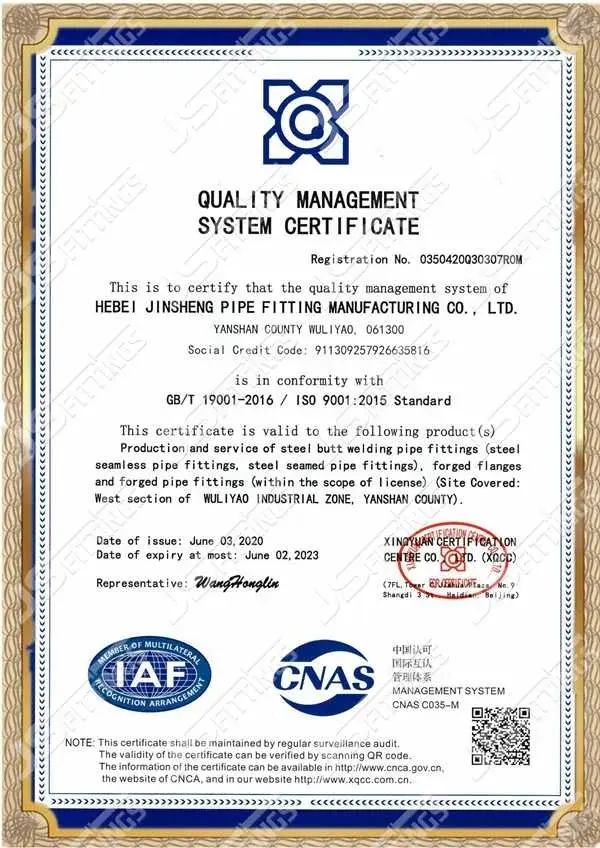
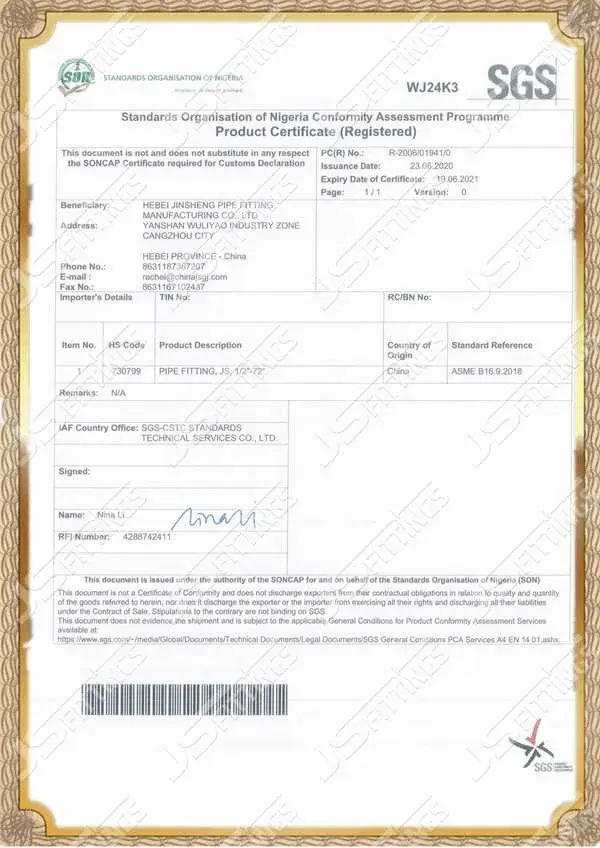
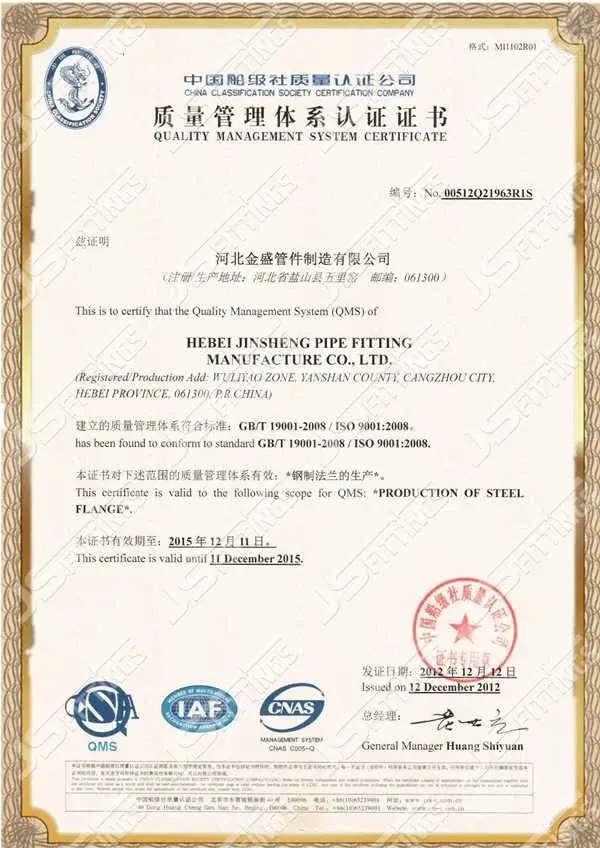
- ISO 9001:2015 Quality Management System
- CE Marking for European Conformity
- GOST-R for Russian Federation Markets
Chemical Composition & Mechanical Properties
Base Carbon Steel (Typical)
- Carbon: ≤ 0.30%
- Manganese: 0.60-1.65%
- Silicon: ≤ 0.45%
- Sulfur: ≤ 0.035%
- Phosphorus: ≤ 0.035%
Alloy 625 Cladding
- Nickel: 58% min
- Chromium: 20-23%
- Molybdenum: 8-10%
- Yield Strength: ≥ 310 MPa
- Tensile Strength: ≥ 690 MPa
Manufacturing Process
Our accuracy fabricating starts with fabric choice and arrangement. Base channels experience intensive assessment and surface conditioning. The cladding handle utilizes controlled hot rolling for metallurgical holding or mechanical development for lined configurations.
Quality checkpoints incorporate ultrasonic bond testing, dimensional confirmation, and surface wrap up assessment. Each CRA clad and lined pipe gets person certification archiving fabric properties, fabricating parameters, and test comes about. Last assessment guarantees compliance with indicated benchmarks some time recently packaging.
Surface Finish & Coating Options
- Internal Surface: Ra ≤ 6.3 μm standard finish
- External Coating: 3PE, FBE, or warm splash options
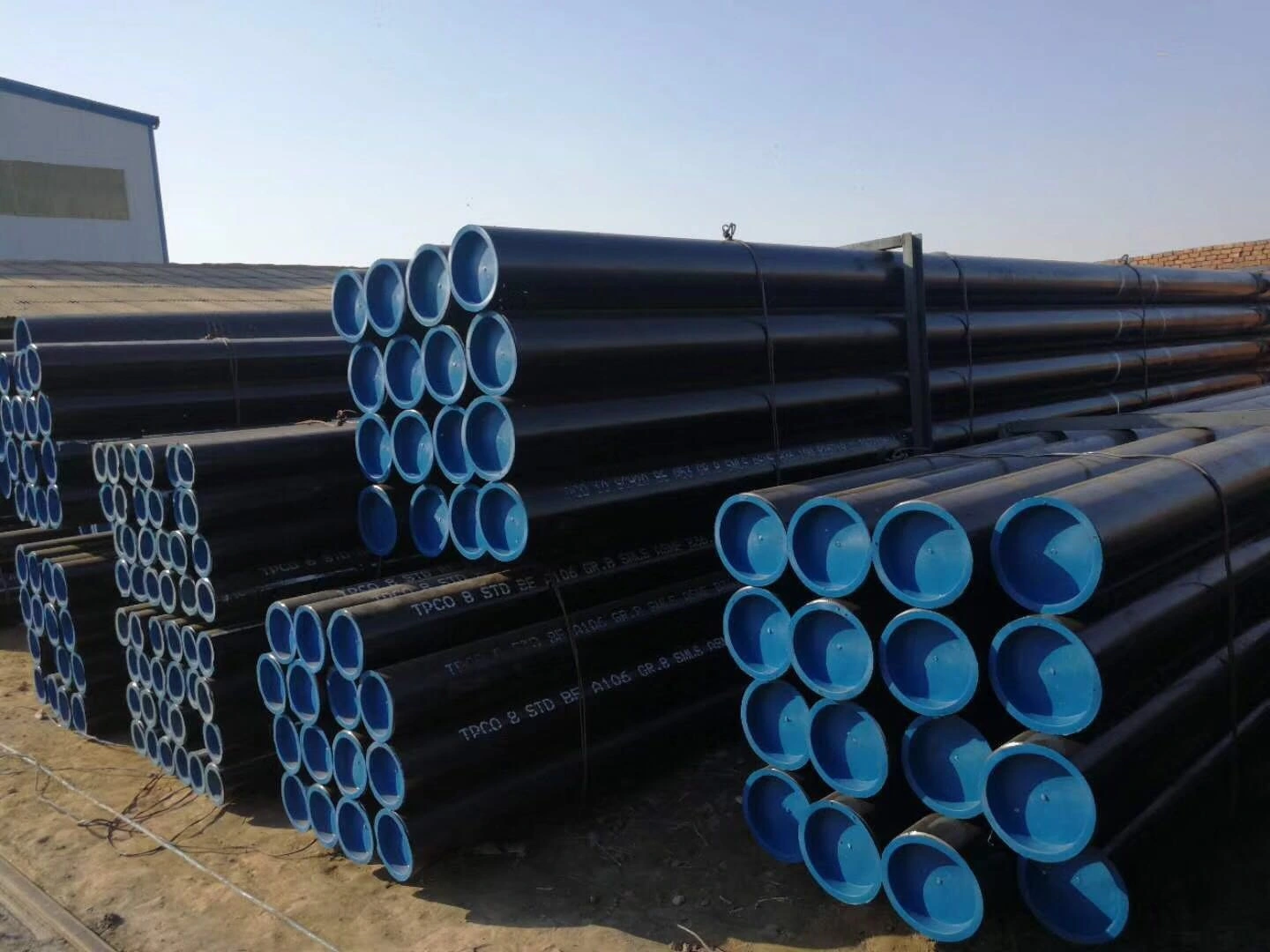
- End Planning: Beveled closes with defensive caps
- Marking: Lasting recognizable proof per API standards
- Special Wraps up: Electropolished surfaces accessible for pharmaceutical applications
Applications
Oil & Gas Industry
- Flowlines and gathering frameworks in acrid service
- Subsea pipelines and risers
- Refinery handle piping
- Enhanced oil recuperation systems
Chemical Processing
- Corrosive liquid transport
- High-temperature handle lines
- Catalyst dealing with systems
- Acid benefit applications
Marine & Offshore
- Seawater infusion systems
- Platform channeling networks
- Ballast and utility systems
- Fire water distribution

Packaging & Delivery
We guarantee secure bundling with defensive conclusion caps, dampness boundaries, and shock-resistant crating. Standard conveyance incorporates fabric certificates, test reports, and dealing with enlightening. Ordinary lead times extend from 4-8 weeks depending on determinations and quantity.
Our coordinations group facilitates with worldwide cargo forwarders to give door-to-door conveyance. Extraordinary taking care of methods guarantee item astuteness amid transport to worldwide destinations.
Customization Service
Your interesting prerequisites drive our customization capabilities. We oblige uncommon combination combinations, non-standard measurements, and application-specific adjustments. Our building group gives specialized interview to optimize your CRA Clad and Lined pipe selection.
Design administrations incorporate stretch examination, erosion appraisal, and lifecycle taken a toll assessment. We back model advancement and field testing programs to approve execution some time recently full-scale production.

Quality Control
Rigorous quality conventions guarantee steady item execution. Our testing research facility highlights spectrometers, ultrasonic hardware, and mechanical testing capabilities. Third-party review administrations are accessible through globally recognized agencies.
Every pipe experiences bond quality testing, dimensional confirmation, and visual assessment. Non-conforming items are isolated and examined to anticipate repeat. Nonstop enhancement activities improve our fabricating forms and quality frameworks.
FAQ
Q1: What is the main difference between "Clad" and "Lined" pipe?
A: It's all about the bond. Clad pipe has a metallurgical bond (the atoms are fused together), usually achieved through hot rolling. It is more expensive but handles high heat and vacuum better. Lined pipe has a mechanical bond (interference fit), achieved by expanding the inner pipe inside the outer. It is more cost-effective and suitable for most standard corrosive transport.
Q2: Why not just use a solid stainless steel or solid Inconel pipe?
A: Cost and mechanical properties. Solid nickel alloys are incredibly expensive and sometimes lack the high-yield strength required for long-distance, high-pressure pipelines. Bimetallic pipes give you the "best of both worlds"—the strength of carbon steel and the protection of an alloy.
Q3: How do you weld pipes in the field?
A: Field welding is a critical process. Typically, the pipe ends are "seal welded" or "overlay welded" at the factory. During onsite installation, the root pass is made using a welding wire that matches the CRA layer (e.g., Inconel 625 wire), followed by filler passes to complete the joint.
Q4: Can these pipes be pigged for cleaning?
A: Yes. Since the CRA layer provides a smooth internal surface, standard cleaning and inspection "pigs" can be used. For lined pipes, it is important to ensure the liner is properly locked at the ends to prevent movement during high-velocity pigging.
Q5: What standard must be followed for these pipes?
A: The most recognized global standard is API 5LD. This standard covers the materials, manufacturing, testing, and inspection of both clad and lined steel pipes for the oil and natural gas industries.
Contact Us
Ready to discuss your CRA clad and lined pipe requirements? Contact our technical team at admin@jsfittings.com for expert consultation and competitive quotations today.
Send Inquiry
You may like