
ASTM A263/A264 Standard for Corrosion-Resistant CRA Clad Pipe






2026-06-26 10:53:31
CRA clad pipe is a must-have when harsh conditions threaten the stability of pipelines. The ASTM A263/A264 standards set high standards for the production and performance of corrosion-resistant alloy-clad stainless steel plate that is used in industrial pipes. These standards make sure that materials have the strength of carbon steel and the resistance to rust of certain alloys. This meets the needs of the petroleum, chemical processing, and marine energy industries for both mechanical performance and chemical resistance.
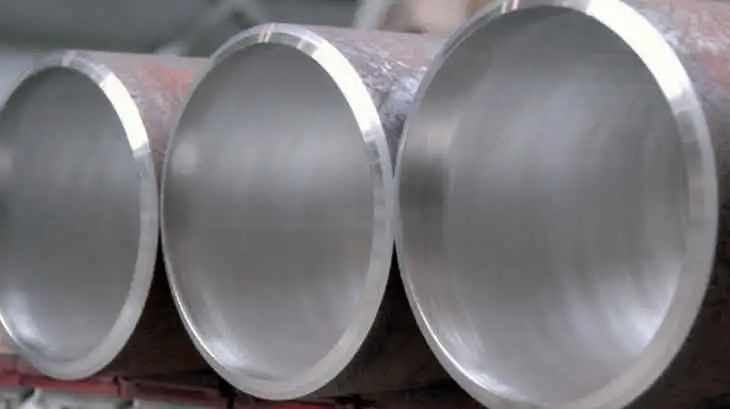
Understanding ASTM A263/A264 Standards for CRA Clad Pipe
The ASTM A263 and A264 standards work together to spell out the needs for corrosion-resistant clad plates. The ASTM A263 standard covers stainless chromium steel-clad plate, sheet, and strip. The ASTM A264 standard covers stainless chromium-nickel steel-clad plate, sheet, and strip. These standards cover materials with a base of carbon or low-alloy steel that provides structural integrity and a cladding of stainless steel or nickel alloy that is metallurgically joined to provide corrosion protection.
In order to meet these standards, manufacturing methods usually use hot rolling or explosion bonding, which creates a metallurgical bond between dissimilar metals. This metallurgical bond makes CRA clad pipe products different from mechanically lined ones, and it significantly reduces the risk of delamination during production or service. At JS FITTINGS, we've seen that procurement teams are requiring ASTM compliance more and more to make sure that quality standards are the same across foreign supply lines. This makes it easier to predict how well materials will work.
Material Composition Requirements
The ASTM A263/A264 guidelines spell out the exact chemicals that are used in both backing and cladding materials. The backing steel is usually either ASTM A516 Grade 60/70 carbon steel or ASTM A387 alloy steel, which is chosen based on the design standards for temperature and pressure. 304L and 316L are austenitic stainless steels that can be used for cladding. Alloy 625 and Alloy 825 are high-performance nickel alloys that can also be used.
Bond Integrity Testing Protocols
Under these guidelines, shear strength testing is an important method of verifying bond integrity. ASTM-compliant materials must demonstrate a minimum shear strength of 140 MPa (20 ksi), which makes sure the cladding stays in place while the pipeline is being installed and under stress during operation. Ultrasonic testing checks the strength of the joint without damaging any of the clad surface area.
Cladding Thickness Specifications
Minimum cladding sizes are set by standards. For most uses, these are 3 mm, but project-specific needs may mean that they need to be different. It is important to keep this thickness throughout the production process. Too much dilution during welding can weaken the resistance to rust at joints, and not enough thickness shortens the service life.
Key Features and Benefits of CRA Clad Pipes under ASTM A263/A264
Made to ASTM A263/A264 standards, corrosion-resistant alloy CRA-clad pipes have clear operating benefits that lead directly to a lower total cost of ownership. The composite structure tackles several performance factors at the same time. This makes these materials especially useful in situations where solutions made of a single material aren't enough or aren't cost-effective.
When you look at material prices, the business argument becomes stronger. When it comes to big diameters, solid stainless steel or nickel alloy pipe with the same pressure rating costs 200 to 300 percent more than clad options. In high-nickel metals, this difference in cost grows even bigger because clad construction cuts material costs by 30–50% while keeping the same level of corrosion protection on the inside. We've sent clad plumbing systems to remote bases because solid Alloy 625 pipe would have cost a lot more than the project budget allowed.
Superior Corrosion Resistance Performance
CRA-clad pipe that meets ASTM standards can handle strong substances like hydrogen sulfide (H₂S), carbon dioxide (CO₂), chlorides, and organic acids. In coated or lined systems, entry paths could form, but the constant metallurgical bond stops them. For projects that use sour gas, where high levels of H₂S can cause severe sulfide stress cracks in carbon steel, CRA-clad pipe is needed to keep things safe.
Extended Service Life and Maintenance Reduction
Field data from chemical processing plants shows that ASTM-compliant CRA clad pipe can last 20 to 30 years in places where carbon steel needs to be replaced every 5 to 7 years. This durability comes from the fact that the corrosion protection is the same on the inside, so there is no specific attack that causes it to fail too soon. Fewer production shutdowns and lower lifetime costs are the results of shorter repair intervals.
Structural Integrity Under Extreme Conditions
The carbon steel backing keeps the pressure-holding capacity and structural strength even when it's under mechanical loads. The alloy cladding, on the other hand, works on its own to protect against chemical attack. This split of functions lets engineers make each layer of material work best for its own purpose, letting them achieve performance combinations that aren't possible with materials that are all the same.
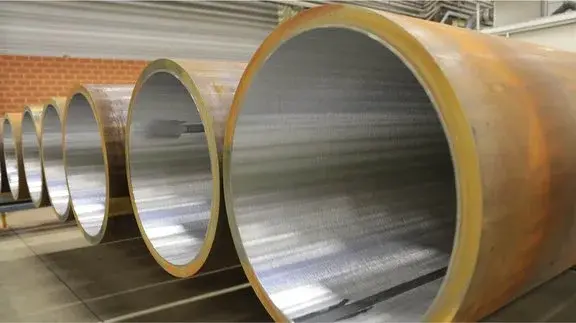
Comparison of CRA Clad Pipe with Alternative Piping Solutions
When purchasing pipeline materials, procurement professionals have to think about a lot of things, such as the starting cost, the time it will take to install, how long it will last, and what will happen if it fails. When used in certain situations, CRA clad pipe has benefits that make it a good choice between solid carbon steel and solid metal construction.
Solid stainless steel pipe is resistant to rust all the way through, but it's not as strong or cost-effective as clad construction when the width is bigger. A 24-inch solid 316L stainless steel pipe with a wall thickness thick enough for 1500 psi service costs significantly more than an equivalent-rated clad CRA pipe. This makes it more expensive to move and install. Depending on the pressure class and metal choice, the economic crossover point often depends on alloy selection, wall thickness, and project-specific requirements.
Clad Pipe versus Weld Overlay Systems
During multiple passes of welding, corrosion-resistant metal layers are added to manufactured carbon steel pipe as part of the weld overlay process. This method can be used in the field for application and repair, but it comes with quality issues like uneven thickness, possible lack-of-fusion flaws, and heat-affected zone stiffening. CRA clad pipe made in a factory that follows ASTM standards has controlled, uniform qualities that have been tested and proven.
Clad Pipe versus Mechanically Lined Pipe
For a mechanically lined pipe to work, the backing pipe and a loose-fitting internal liner must rub against each other tightly. This design works well for straight-run systems with little bending, but it can be dangerous in dynamic service. When pipeline depressurization or bending stress goes beyond what was planned, liner collapse is still a known way for it to fail. This way of failing is completely eliminated by the metallurgical bond in CRA clad pipe.
Selecting Appropriate Cladding Alloys
Different cladding materials can be used with ASTM standards, which allows them to be optimized for different corrosive conditions. Type 316L stainless steel is a cost-effective way to prevent normal corrosion and light chloride service. For uses in salt water, duplex stainless steel 2205 is stronger and less likely to crack from chloride stress corrosion. Nickel alloys, such as Inconel 625 and Incoloy 825, can be used in harsh conditions with sour gases and high temperatures where austenitic stainless steels don't work well.
Procurement Considerations for ASTM A263/A264 CRA Clad Pipes
To be good at buying, you need to know both the technical details and how the supply chain works. Due to the unique ways that CRA clad pipe is made and the strict quality control standards that must be met, material lead times from big makers are usually 12 to 16 weeks. For projects with tight schedules, involving suppliers early in the planning phase helps make sure that delivery dates are in line with building goals.
Certification paperwork is an important part of the buying process. To strictly meet ASTM standards, CRA clad line pipes must be accompanied by comprehensive Material Test Reports (MTRs) that clearly document the chemical composition, mechanical properties, and bond shear strength for both the backing steel and the corrosion-resistant cladding. Third-party inspection agencies are often used to make sure that manufacturing processes follow the rules. This is especially important for offshore energy projects that need to keep detailed records for legal purposes.
Customization Capabilities and Minimum Order Quantities
Because of the costs of setting up and checking the quality, standard CRA clad pipe production runs tend to make more of the smaller sizes. For custom specifications, manufacturers usually set minimum order numbers of 20 to 30 tons. However, if smaller quantities are needed, manufacturers may have stock in popular sizes that can meet those needs. At JS FITTINGS, we keep 316L-clad and Alloy 625-clad materials in stock in sizes ranging from 6 inches to 24 inches so that we can quickly deliver to meet the needs of urgent projects.
Pricing Dynamics and Budget Optimization
CRA clad pipe prices are based on the cost of basic steel, alloy surcharges related to the nickel and molybdenum markets, and the difficulty of making the pipe. Through volume promises, bulk buying deals can often get better prices. For projects with more than one phase, joint buying may be a good way to save money and keep just-in-time delivery in line with the progress of the building.
Quality Assurance and Supplier Evaluation
To choose reliable suppliers, you need to check their expert help resources, manufacturing skills, and quality control systems. ISO 9001 approval shows that the quality system is reliable, and API 5LD compliance demonstrates the capability to manufacture CRA-clad or lined steel pipe in accordance with industry requirements. Audits of suppliers that look at their factories, testing tools, and metalworking skills help purchasing teams figure out how well they can regularly meet the needs of each project.
Specialized Solutions for Extreme Service Conditions
Specialized CRA clad pipe solutions can be used in harsh settings where regular materials don't work, in addition to normal ASTM A263/A264 uses. As the temperature drops below -45°C, ASTM A333 Grade 6 pipe can be used in cold settings. Its impact toughness is kept up by Charpy V-notch tested materials that don't break easily in LNG plants and arctic settings. By putting together A333 backing steel and corrosion-resistant alloy cladding, you can make a bimetallic pipe that can be used in cold environments with corrosive process streams.
Our metallurgical cladding process makes sure that the bond is very strong and can survive high-pressure cycles and installation bending stress without coming apart. The way the products are made forms metallurgical diffusion zones at the bond interface. This makes mechanical interlocking that is capable of providing bond strength comparable to or greater than the strength required by applicable standards. This strong connection is very important for underwater pipes that are installed by reeling, which causes materials to deform very badly.
Cost-Effective Solutions for Sour Service Environments
In hydrogen sulfide settings, materials need to be able to withstand sulfide stress cracking and hydrogen-induced cracking. While solid Inconel 625 pipe works reliably, it comes with high material costs that can make project economics difficult, especially in gathering systems with a lot of linear footage. CRA-clad pipe with alloy 625 or alloy 825 cladding provides the same level of interior corrosion protection at a cost 40–50% lower than solid alloy construction. This means that solar service projects can be funded.
Low-Temperature Impact Toughness Verification
Materials that can stay flexible at temperatures below zero are needed for operations in the Arctic and LNG sites. Our A333 Grade 6 backing materials are put through Charpy V-notch impact tests at the lowest possible temperatures. This checks the absorbed energy levels that keep the materials from breaking easily. When this rigorous testing protocol is paired with the correct selection of cladding alloy, it results in highly resilient pipeline systems fully capable of withstanding the most unforgiving cold-weather environments and demanding engineering specifications.
Conclusion
ASTM A263/A264 standards lay the technical groundwork for buying and using corrosion-resistant CRA clad pipe that works well in harsh industrial settings. By understanding these specs, you can choose materials that meet performance needs while also staying within your budget. The composite construction is as resistant to rust as solid alloys, but it keeps the cost-effectiveness and structural efficiency of carbon steel backing. The right choice of source, quality control, and lifecycle management makes sure that these materials work reliably and last a long time, which is why they are used in important pipeline applications.
FAQ
1. What distinguishes ASTM A263 from A264 specifications?
ASTM A263 specifically covers Corrosion-Resisting Chromium Steel-Clad Plate, which typically utilizes ferritic and martensitic stainless steels (such as 410 or 405). Conversely, ASTM A264 covers Chromium-Nickel Steel-Clad Plate, which utilizes the widely used 300-series austenitic stainless steels (such as 304L and 316L). For highly acidic and chloride-rich environments, the austenitic cladding specified under A264 offers vastly superior corrosion resistance, whereas A263 materials are generally sufficient for milder oxidizing conditions.
2. Can a clad pipe accommodate field welding during installation?
CRA clad pipe welding needs special steps to make sure that the cladding stays the same across joints. For 316L cladding, the root pass must use alloy-matched filling material that works with the cladding layer. ERNiCrMo-3 is usually used for Alloy 625 cladding, and ER309L is usually used for 316L cladding. For each subsequent backing pass, carbon steel filler that is right for the backing material is used. Certified welders, qualified welding methods, and the right kind of post-weld testing make sure that the joint integrity meets ASTM standards and that the system's corrosion resistance stays high.
3. How does clad pipe compare to solid stainless steel in total ownership cost?
In a full cost analysis, the original cost of the materials, the work needed to install them, the expected service life, the maintenance needs, and the failure effects must all be taken into account. When it comes to bigger sizes, CRA clad pipe usually saves 30 to 50 percent on material costs compared to solid stainless steel. The costs of installation are about the same. When you compare solid stainless steel's slightly longer theoretical life to clad construction's 25–30 year service life with little upkeep, clad construction often has a better net present value. This is especially true for capital-intensive projects where minimizing beginning costs is very important.
Partner with JS FITTINGS for Premium CRA Clad Pipe Solutions
As a premier global manufacturer, JS FITTINGS provides procurement professionals with the absolute reliability they demand for critical pipeline projects. With manufacturing excellence dating back to 1983, we possess deep expertise in producing advanced CRA clad piping systems that strictly adhere to ASTM A263 and A264 standards.Along with our ISO 9001, GOST-R, and CE certifications, we are also an accepted supplier to big energy companies like NIOC, ADNOC, and Petrobras. Every time we make something, our high-tech testing tools, like optical emission spectrometers and ultrasonic flaw detection systems, make sure that the materials are compliant and the bonds are strong. We regularly support project plans with monthly shipments of more than 90 containers and delivery rates of more than 95% on time. Email our skilled international trade team at admin@jsfittings.com to talk about your unique needs and get thorough technical offers that are made to fit your corrosive service applications.
References
1. ASTM International. "ASTM A263/A263M - Standard Specification for Stainless Chromium Steel-Clad Plate, Sheet, and Strip." West Conshohocken, PA: ASTM International, 2021.
2. ASTM International. "ASTM A264/A264M - Standard Specification for Stainless Chromium-Nickel Steel-Clad Plate, Sheet, and Strip." West Conshohocken, PA: ASTM International, 2021.
3. American Petroleum Institute. "API Specification 5LD - Specification for CRA Clad or Lined Steel Pipe." Washington, DC: API Publishing Services, 2019.
4. Det Norske Veritas. "DNV-OS-F101: Submarine Pipeline Systems." Høvik, Norway: DNV GL, 2017.
5. NACE International. "Material Requirements for Corrosion Control in Production and Transmission Operations." Houston, TX: NACE International Publication, 2018.
6. Metals Handbook Committee. "ASM Handbook Volume 13B: Corrosion in Materials Selection and Design for Oil and Gas Production." Materials Park, OH: ASM International, 2015.
Send Inquiry
_1775029585391.webp "Buttweld Elbow")
Related Industry Knowledge
- What is ASME B16.5: A Guide to ASME B16.5 carbon steel flange
- What Is the Difference Between LR and SR Buttweld Elbow?
- Understanding Long Radius Buttweld Elbow: Essential Components for Your Construction Projects
- Buttweld Tee Pressure Ratings Explained for Industrial Piping
- Butt Weld Pipe Reducer Applications in Oil and Gas Systems
- What are butt weld fittings?
- How to bolt to flanges with threaded holes?
- When to use threaded flanges?
- How to weld carbon steel pipe?
- What is a blind flange?