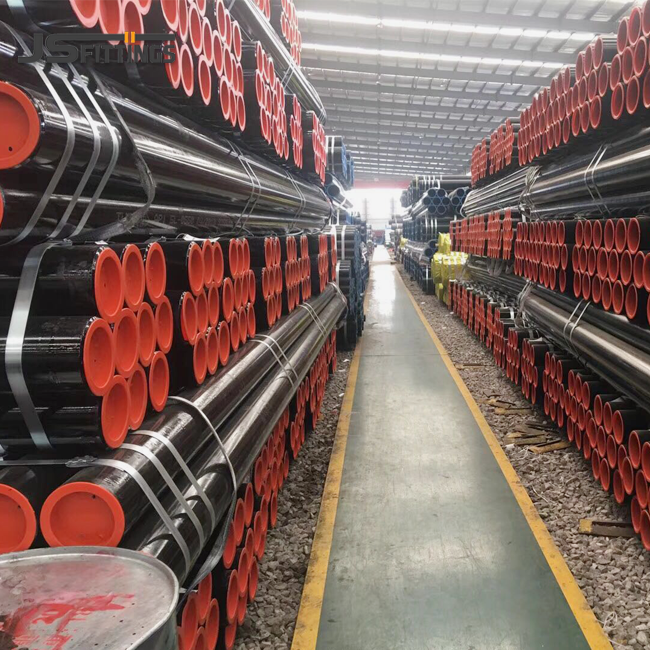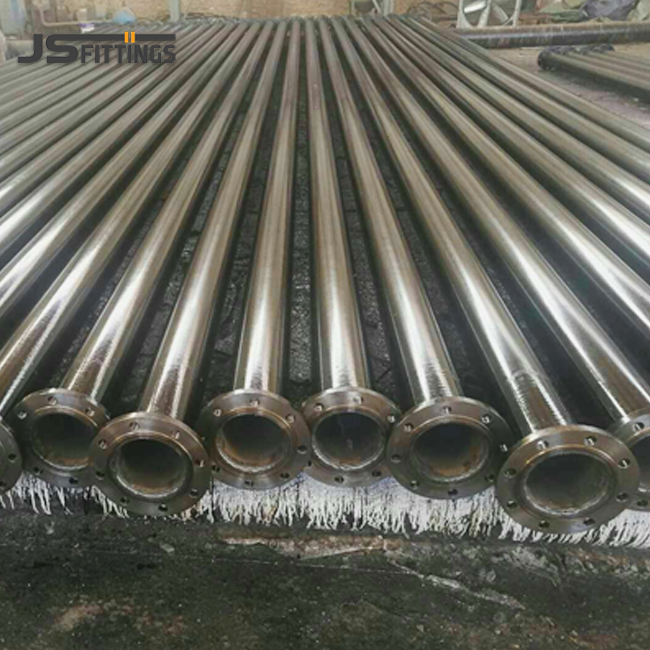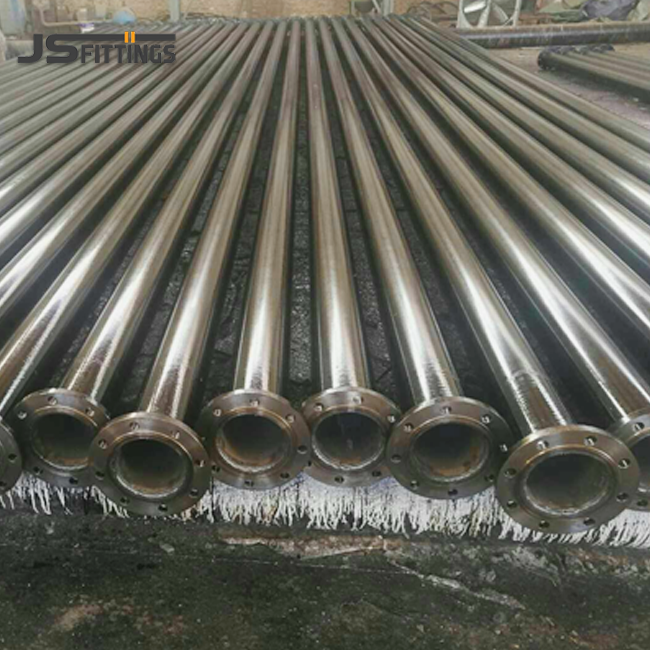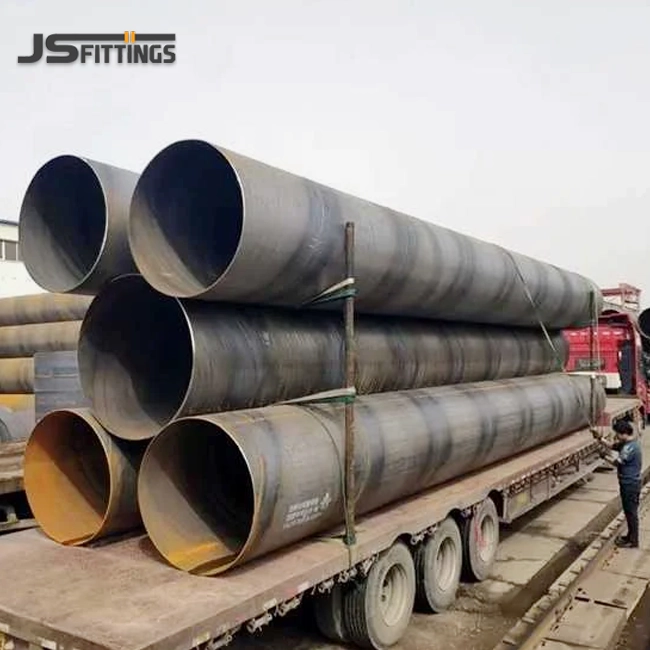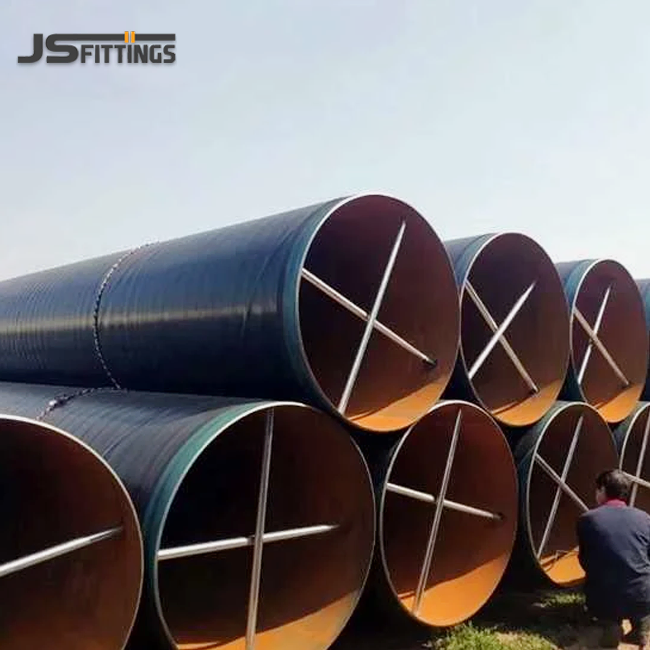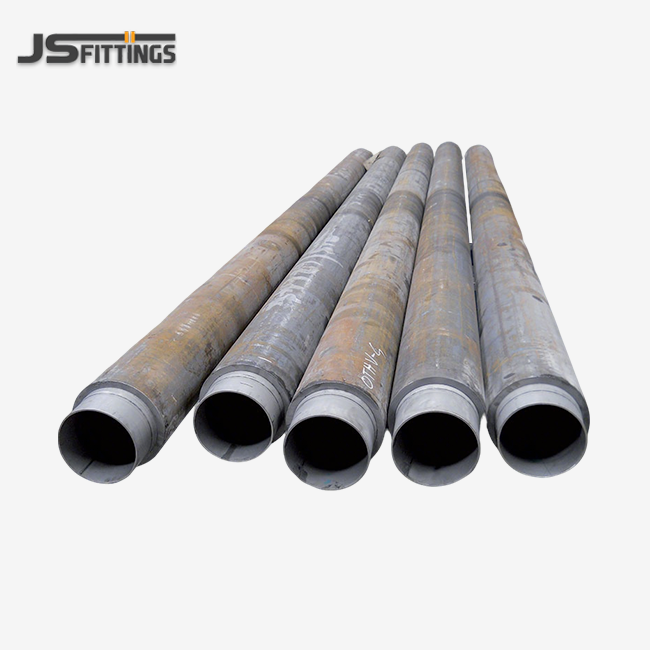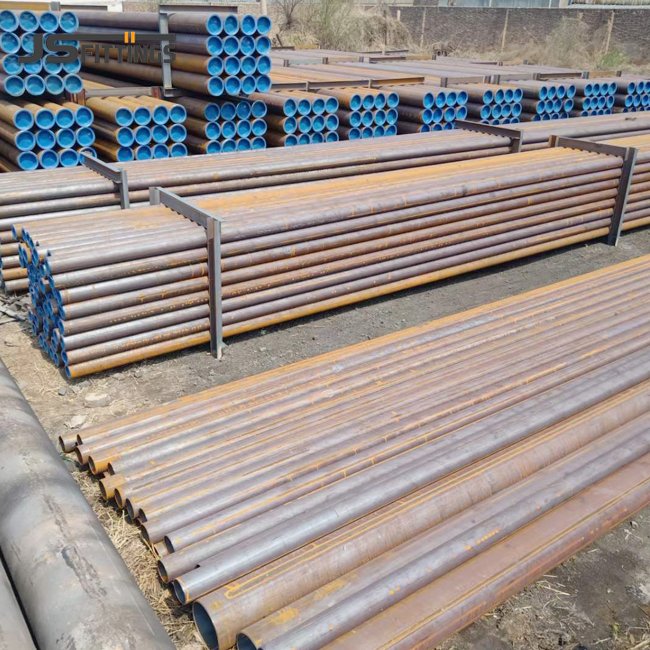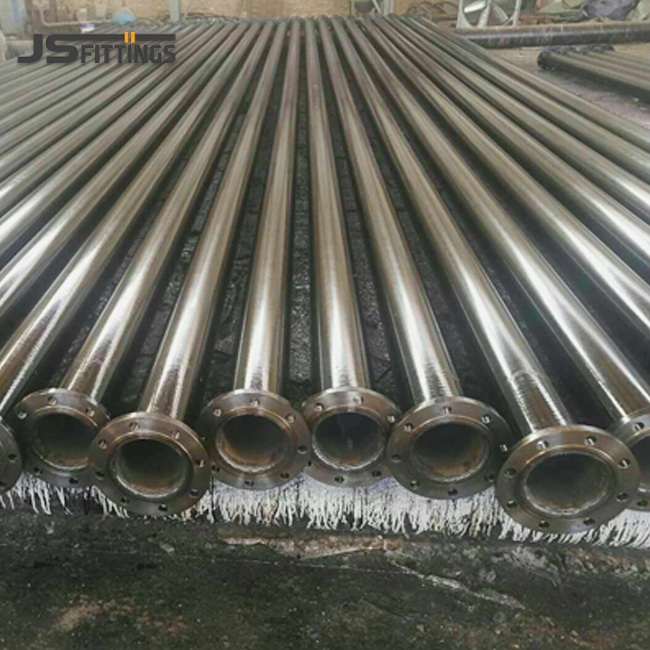
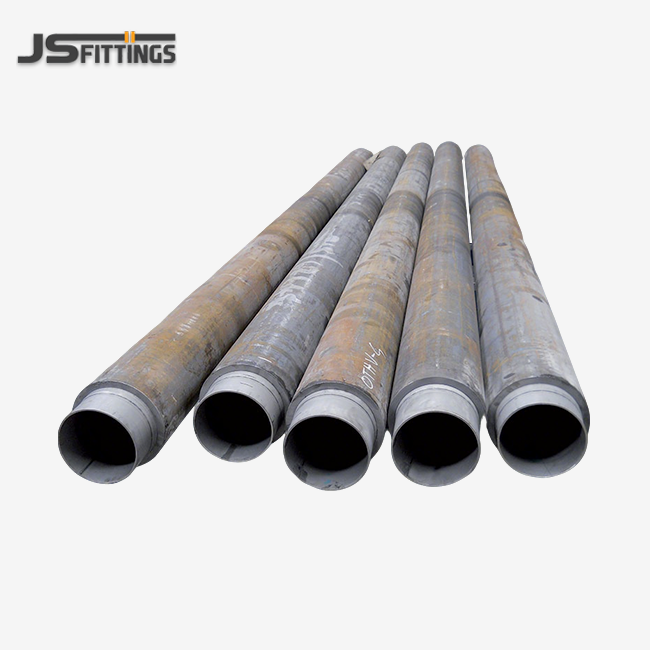
CRA clad pipe
Material: API 5L (Gr.B to X80), ASTM A106, A333, A350
CRA Liner Material: Stainless Steel, Duplex,Nickel Alloy
Outer Diameter 2" to 48" (DN50 – DN1200) or customized
Wall Thickness: Base Pipe: 6mm–50mm; CRA Layer: 0.5mm–5mm
Bonding Process: Explosive Cladding, Hot Rolling (Clad); Hydraulic or Thermal Expansion (Lined)






- Free Samples
- Quality Assurance
- 24/7 Customer Service
Product Introduction
CRA Clad Pipe - Professional Corrosion Resistant Solutions
CRA Clad Pipe Manufacturer
Hebei Jinsheng Pipe Fitting Manufacturing Co., Ltd brings you premium CRA clad pipe arrangements sponsored by over 40 a long time of industry skill. Our specialized fabricating prepare combines carbon steel quality with predominant corrosion-resistant amalgam assurance, conveying metallurgical bond innovation that guarantees remarkable execution in cruel situations. With yearly deals surpassing RMB 100 million and month to month shipments over 50 holders, we give dependable supply capacity for your most requesting ventures requiring acrid benefit applications and extraordinary erosion resistance.
CRA Clad Pipe Overview
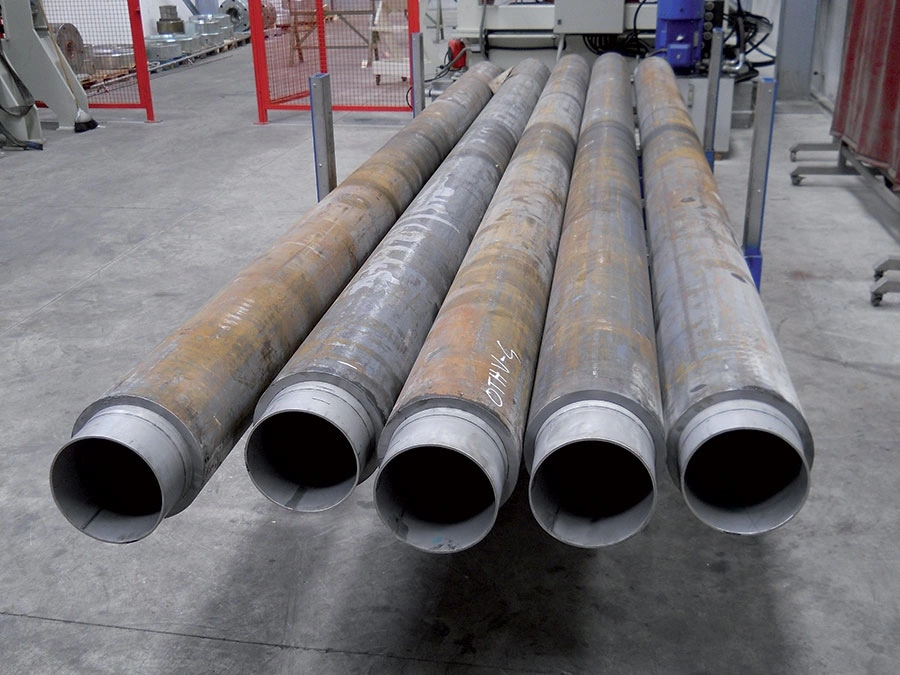
Pipe speaks to cutting-edge bimetallic innovation that revolutionizes pipeline execution in destructive situations. These inventive channels highlight a strong carbon steel base pipe metallurgically reinforced with high-grade corrosion-resistant amalgams like Inconel 625, Combination 825, or 316L stainless steel. This one of a kind development conveys the basic quality you require whereas giving predominant security against H2S, CO2, and other forceful chemicals commonly found in oil and gas operations.
Our fabricating handle guarantees changeless metallurgical holding between the base and cladding materials. This disposes of delamination dangers indeed beneath extraordinary weight cycles and warm push conditions. You get cost-effective erosion security without compromising on mechanical properties or long-term reliability.
Key Features & Advantages
Superior Corrosion Protection: The CRA layer gives remarkable resistance against acrid gas situations, making these channels perfect for challenging oilfield applications where standard carbon steel would come up short rapidly.
Cost-Effective Plan: Our clad innovation conveys strong combination execution at a division of the fetched. You accomplish premium erosion resistance without the cost of strong nickel combination construction.
High Bond Quality: Progressed metallurgical cladding guarantees the defensive layer remains for all time connected. The atomic-level combination withstands high-pressure cycles, twisting push, and warm development without division concerns.
Impact Durability: Designed base materials keep up fabulous low-temperature execution, guaranteeing solid operation in cold conditions and cryogenic applications.
Smooth Inside Surface: The CRA lining gives fabulous stream characteristics and underpins standard pigging operations for cleaning and assessment maintenance.
Technical Specifications
| Parameter | Specification |
|---|---|
| Base Material | Carbon Steel (API 5L Grade B, X42, X52, X60, X65) |
| Cladding Materials | Inconel 625, Alloy 825, 316L, 317L, Duplex 2205 |
| Manufacturing Process | Hot Rolling, Explosion Bonding, Weld Overlay |
| Pipe Diameter Range | DN50 - DN1200 (2" - 48") |
| Wall Thickness | 6mm - 50mm |
| Cladding Thickness | 3mm - 10mm |
| Length | 6m, 12m, or Custom |
| End Preparation | Plain End, Beveled End |
Standards & Certifications
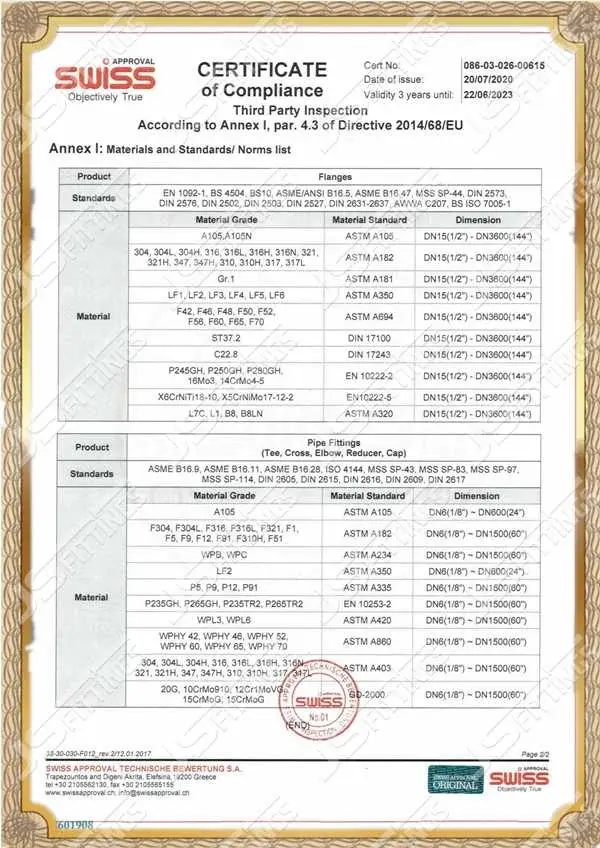
Our CRA clad pipe manufacturing strictly adheres to international standards including API 5LD for clad and lined steel pipes. All products undergo rigorous testing according to ASTM specifications and meet requirements for major energy companies worldwide.
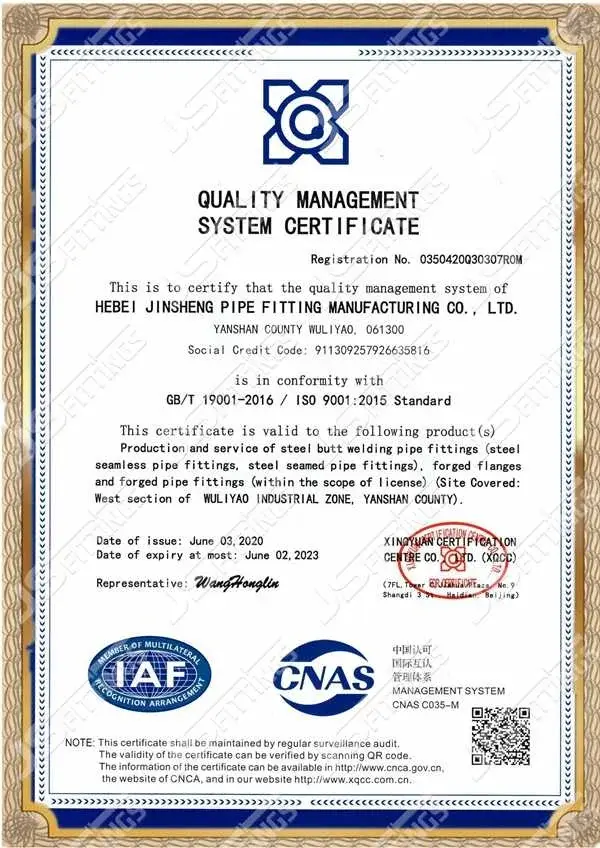
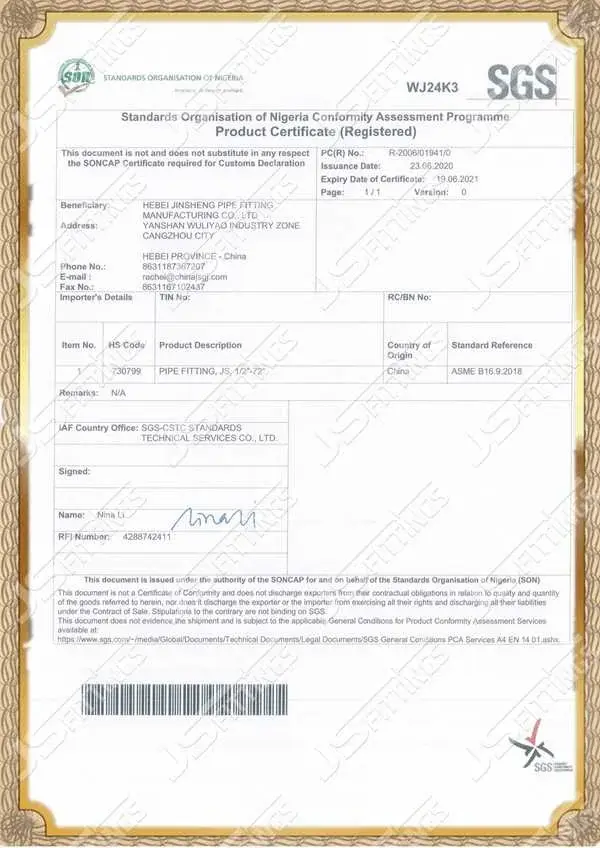
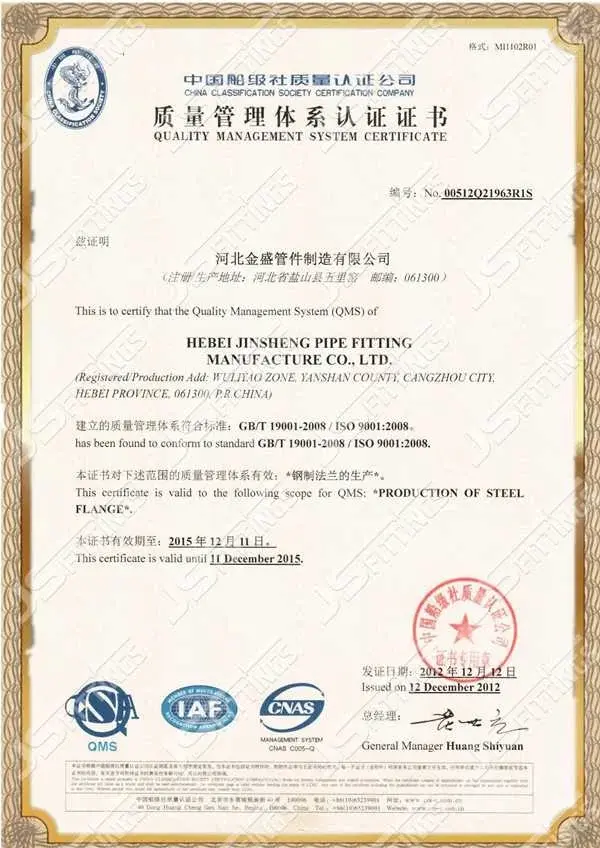
Quality certifications include ISO 9001 compliance, ensuring consistent manufacturing processes and reliable product performance. Each pipe receives comprehensive documentation including material test certificates and non-destructive testing results.
Chemical Composition & Mechanical Properties
| Base Material (Carbon Steel) | Chemical Composition (%) |
|---|---|
| Carbon (C) | ≤ 0.28 |
| Manganese (Mn) | ≤ 1.40 |
| Phosphorus (P) | ≤ 0.030 |
| Sulfur (S) | ≤ 0.030 |
| Silicon (Si) | ≤ 0.40 |
| Cladding Material (Inconel 625) | Chemical Composition (%) |
| -------------------------------- | ------------------------- |
| Nickel (Ni) | 58.0 min |
| Chromium (Cr) | 20.0-23.0 |
| Molybdenum (Mo) | 8.0-10.0 |
| Iron (Fe) | 5.0 max |
Manufacturing Process
Our progressed fabricating handle starts with cautious fabric determination and planning. The carbon steel base pipe experiences careful cleaning and surface planning to guarantee ideal holding conditions.
The cladding prepare utilizes hot rolling or blast holding methods, making a lasting metallurgical bond between materials. This atomic-level combination guarantees the defensive layer gets to be an necessarily portion of the pipe structure.
Post-manufacturing warm treatment optimizes fabric properties and calms remaining stresses. Each pipe experiences comprehensive quality testing counting ultrasonic examination, bond quality testing, and dimensional verification.
Surface Finish & Coating Options
Standard surface wrap up meets industry necessities for smooth inside stream and outside assurance. The CRA cladding gives actually smooth inner surfaces that stand up to fouling and bolster proficient cleaning operations.
External coating alternatives incorporate fusion-bonded epoxy (FBE), three-layer polyethylene (3LPE), and specialized coatings for particular natural conditions. Custom surface medications are accessible based on your application requirements.
Applications
Oil & Gas Industry: Acrid benefit pipelines dealing with H2S and CO2-rich liquids require the prevalent erosion assurance that CRA clad pipe conveys in challenging downhole and surface applications.
Chemical Preparing: Forceful chemical situations advantage from the dual-layer security, combining basic astuteness with chemical resistance for long-term reliability.
Offshore Operations: Marine situations request uncommon erosion resistance, making these channels basic for subsea pipelines and stage applications.
Petrochemical Plants: High-temperature, high-pressure preparing units utilize clad pipe innovation for basic benefit lines where disappointment is not an option.
Power Era: Geothermal and control plant applications use the warm steadiness and erosion resistance for expanded benefit life.

Packaging & Delivery
Professional packaging ensures your pipes arrive in perfect condition. Each pipe receives individual protection with plastic caps, bundled securing, and moisture-resistant wrapping for international shipping.
Our logistics team coordinates efficient delivery through established shipping networks. Standard delivery timeframes range from 4-6 weeks for stock sizes, with expedited options available for urgent requirements.
Customization Service
We understand that every project has unique requirements. Our engineering team works closely with you to develop customized solutions including special alloy combinations, non-standard dimensions, and application-specific modifications.
Custom end preparations, special coatings, and certified material options ensure your pipe meets exact project specifications. Our flexibility extends to small-batch orders and prototype development for testing and evaluation.

Quality Control
Rigorous quality control procedures ensure every pipe meets stringent performance standards. Advanced testing equipment including spectrometers and ultrasonic testing devices verify material properties and bond integrity.
Each production lot undergoes comprehensive inspection including dimensional verification, surface examination, and mechanical property testing. Complete documentation provides full traceability and compliance verification for your quality assurance requirements.
FAQ
Q1: What is the main difference between "Clad" and "Lined" pipe?
A: The key difference is the bonding method. Clad pipe features metallurgical bonding where atoms are fused together through hot rolling, providing superior performance under high heat and vacuum conditions. Lined pipe uses mechanical bonding through interference fit, offering cost-effective solutions for standard corrosive transport applications.
Q2: Why not use solid stainless steel or Inconel pipe instead?
A: Cost and mechanical properties make product the superior choice. Solid nickel alloys are extremely expensive and may lack the high-yield strength required for long-distance, high-pressure pipelines. Bimetallic construction gives you the best of both worlds—carbon steel strength with alloy protection.
Q3: How do you weld pipes in the field?
A: Field welding requires specialized procedures. Pipe ends typically receive factory seal welding or overlay welding. During installation, the root pass uses welding wire matching the CRA layer (such as Inconel 625), followed by appropriate filler passes to complete the joint.
Q4: Can these pipes be pigged for cleaning?
A: Yes, the smooth CRA internal surface supports standard cleaning and inspection pig operations. For lined pipes, proper end locking prevents liner movement during high-velocity pigging operations.
Q5: What standards govern these pipes?
A: API 5LD serves as the primary global standard, covering materials, manufacturing, testing, and inspection requirements for both clad and lined steel pipes in oil and natural gas industries.
Contact Us
Ready to discuss your CRA clad pipe requirements? Contact our technical team at admin@jsfittings.com for expert consultation and competitive pricing.
Send Inquiry