
CRA Clad Pipe: Applications, Benefits, and Future Trends






2026-07-07 10:21:08
CRA clad pipe is a big step forward in the technology of pipes. It combines the strength of carbon steel with the resistance to rust of high-quality metals. This hybrid construction works very well in difficult industrial settings where other materials don't. This makes it the first choice for oil and gas operators, EPC contractors, and chemical manufacturers who have to deal with tough service conditions. The metallurgically linked structure stays together even under high temperatures and pressures, and it costs a lot less to build than solid alloy options.
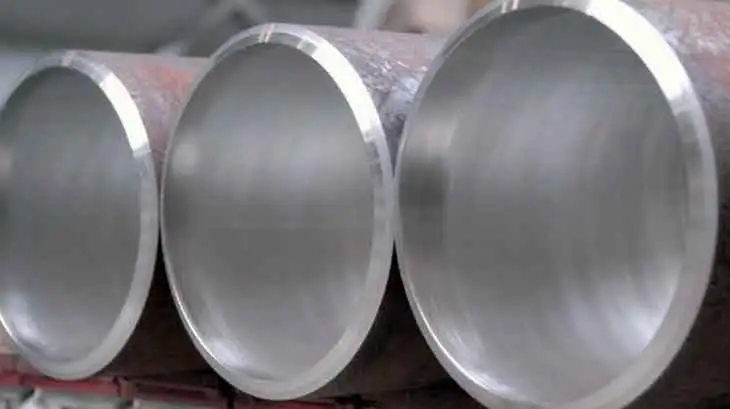
Understanding CRA Clad Pipe – Types, Manufacturing, and Material Specifications
CRA clad pipe is manufactured by using metallurgical bonding to fuse a thin layer of corrosion-resistant material to a base made of carbon steel. This building method meets two important performance needs at the same time: the backing steel's mechanical strength and the covering layer's chemical resistance.
Structural Composition and Bonding Technology
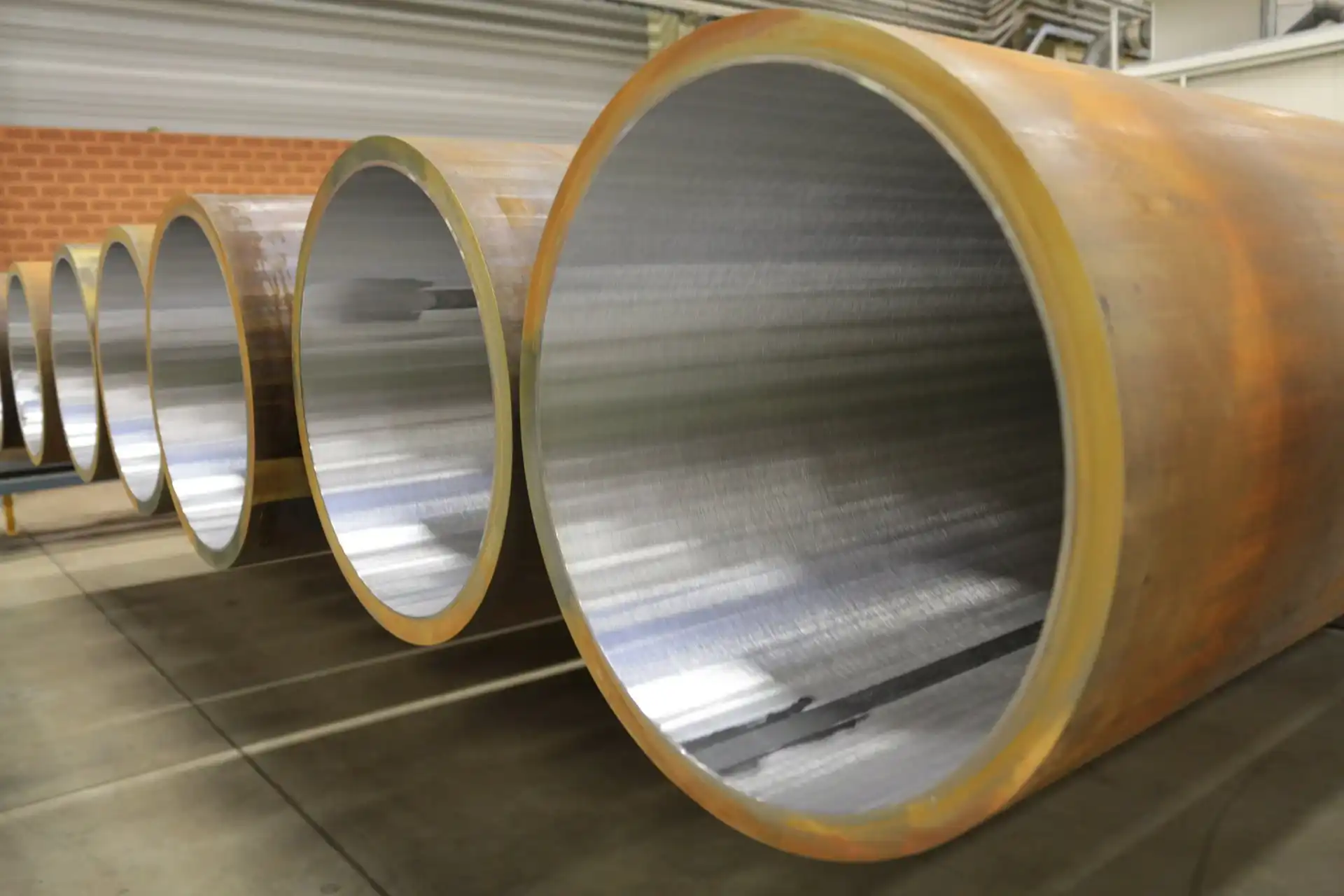
A CRA clad pipe is made up of two separate pieces that work together as a single structure. The backing is usually made from API 5L grades X42 to X70 carbon steel, which gives it the right tensile strength and pressure-holding ability. Corrosive media can't get through the inner cladding layer, which typically ranges from 3mm to 6mm in thickness. Several industrial methods, such as explosion bonding, roll bonding, or weld overlay techniques, are used to connect these layers. According to industry qualification testing and applicable ASTM/ISO standards for clad materials, this mechanical bond has a shear strength exceeding project acceptance criteria. This makes sure that the layers work together as a single unit for the whole life of the pipe. At JS FITTINGS, our manufacturing process includes strict controls that keep the pipes from delaminating, even if they are deformed during fitting or when the pressure changes frequently during use.
Common Cladding Materials and Selection Criteria
Choosing the right covering material relies on the type of corrosive climate the pipe will be in. Austenitic stainless steels, like 316L and 304L, protect well against general rust in situations that aren't too harsh. Because it has a uniform ferrite-austenite microstructure, duplex stainless steel 2205 is more resistant to stress corrosion cracks caused by chloride. Nickel-based metals like Inconel 625 or Incoloy 825 are needed for the toughest jobs, especially in sour service conditions with hydrogen sulfide. These high-nickel materials don't crack easily under sulfide stress and keep their shape at high temperatures. We sell CRA-clad pipes that are made to API 5LD standards and have bases made of carbon steel and coverings made of Alloy 625, 825, or 316L. Not only must the selection process look at the corrosive species that are present, but it must also look at practical factors like temperature, pressure, and flow speed.
Advantages Over Solid Alloy and Lined Alternatives
When you compare CRA clad pipe technology to other options, you can see that it has clear performance and cost benefits. Solid metal pipes made completely of corrosion-resistant materials are the most chemically resistant, but they are too expensive for most applications, especially when the diameter is big and the wall thickness needs to be high. Mechanically lined pipes have a loose-fitting liner inside a carbon steel frame. These pipes are hard to install, and there is a chance that the liner may collapse or disbond under pressure fluctuations. CRA-clad pipe fills in this gap by offering the same level of corrosion resistance as solid metal at 30–50% less cost, without the mechanical weaknesses of lined systems. The mechanical bond makes sure that the cladding layer bends with the backing steel without coming apart. This is why CRA clad pipe construction is needed for installation methods like S-Lay and J-Lay that put a lot of stress on the pipes. This bonding strength is very important during hydrotesting, thermal cycling, and practical pressure changes that could damage liners that are connected manually.
Applications of CRA Clad Pipe in Oil & Gas and Other Industries
Using CRA-clad pipe is necessary in many industries where a failure of the material could lead to major safety problems, damage to the environment, or extended downtime.
Offshore Subsea Flowlines in Sour Service Environments
Oil and gas production in the deep sea is probably the hardest thing that CRA clad pipe technology has to do. Unprocessed fluids in underwater flowlines that connect wellheads to mobile production platforms have high levels of hydrogen sulfide (H₂S), carbon dioxide (CO₂), and chlorides. These fluids are also very hot and under a lot of pressure. The carbon steel backing can handle hydraulic pressure from ocean depths of more than 2,000 meters, and the Alloy 625 layer inside stops sulphide stress cracking, which would break through regular steel in months. CRA clad pipe building is the usual method for projects in the Gulf of Mexico and pre-salt fields off the coast of Brazil. The choice of material has a direct effect on the stability of the asset over its 20–30 year design lifespan. This means that the initial investment in CRA clad pipe technology is much cheaper than replacing it often or having it fail catastrophically.
Onshore Pipeline Systems and Refinery Infrastructure
CRA clad pipe is used for a lot of different things in oil and gas infrastructure that is not underwater. The two-layer design is good for gathering lines from wellheads, pipelines exposed to temperature fluctuations, and process units in refineries. Hydrocracking units in plants have to deal with especially harsh conditions, where high-temperature hydrogen attack and ammonium bisulfide rust can damage pipes. The coating made of stainless steel 347 or alloy 825 doesn't rust when heated to more than 400°C, and the carbon steel backing keeps the structure stable. Our CRA-clad pipe systems have been used on projects for major energy companies, such as approved installations for the National Iranian Oil Company and the Abu Dhabi National Oil Company, where they performed better than expected in harsh service conditions.
Chemical Processing and Power Generation Sectors
Chemical companies and power plants that aren't in the energy field also have to deal with rust problems. Making sulfuric acid, chlor-alkali, and fertilizer all use very acidic materials that break down carbon steel rapidly. Power companies that use seawater cooling systems or tools for desulfurizing flue gas need pipes that don't corrode in pits or cracks caused by chloride. The economic reasoning behind these uses stays the same: CRA clad pipe lowers total ownership costs by extending service intervals, reducing maintenance shutdowns, and stopping repairs before they're needed. CRA clad pipe is reliable in these working conditions, which is highly beneficial for both installation contractors and plant operators.
Key Benefits of Using CRA Clad Pipe for B2B Procurement Clients
When purchasing piping materials, procurement workers have to weigh the original cost of the materials against their long-term performance and the reduction of risk. CRA clad pipe technology has strong benefits in many areas that affect decisions.
Enhanced Corrosion Resistance and Asset Longevity
The main benefit comes from the better protection to rust that the metallurgically bonded alloy layer provides. When compared to carbon steel options, which need corrosion limits and regular checking, this barrier protection makes assets last decades longer. The covering stops localized attack mechanisms like pitting, crevice corrosion, and stress corrosion cracks that normally cause materials to fail. Ultrasonic testing (UT) makes sure that all bonds are strong before they are shipped, making sure that there are no gaps where rust could start. Our quality control methods include ultrasonic testing in accordance with applicable project specifications and recognized industry standards, and they find any delamination that is bigger than 25 mm in diameter. This level of scrutiny gives buying teams faith that the performance goals will be met throughout the design life.
Total Cost of Ownership Optimization
CRA-clad pipe costs more than carbon steel, but in environments where corrosion is likely, the total cost study highly favors CRA-clad pipe building. The extra cost of materials for a whole job is usually worth it if it means not having to shut down unexpectedly because of a broken pipe. The cost of maintenance goes down a lot because CRA clad pipe systems don't break down as quickly as carbon steel pipes do, so they don't need to be inspected as often or have their coatings renewed or sections replaced. Compared to solid metal options, CRA clad pipe construction offers the same level of corrosion protection at half the cost of materials, which makes the price difference more noticeable at bigger diameters. Contractors who are in charge of project budgets like that CRA clad pipe lower both capital costs compared to solid alloy and operating costs compared to carbon steel. This makes the economic situation more favorable from the time of installation to decades of use.
Compliance with Industry Standards and Quality Assurance
To meet government rules and customer requests, you need approved goods with lots of supporting paperwork. When we make CRA-clad pipes, or CRA-clad or lined steel pipes, we follow the API 5LD rules for CRA-clad steel pipes, and you can see how the pipes were made at every step. Positive material identification (PMI) chemical analysis proves that the cladding's makeup meets the requirements, and shear strength testing proves that the bond integrity is higher than the minimum standard of 140 MPa. Charpy V-notch impact testing for low-temperature backing materials (e.g., ASTM A333 Grade 6 when specified) ensures excellent impact toughness at low temperatures down to -45°C, preventing brittle fracture in arctic installations or low-temperature piping systems.
We are certified by ISO 9001 and have approvals from Petrobras, NIOC, and ADNOC, which shows that we can meet the strictest standards in the business. This portfolio of certifications gives procurement workers the proof they need to meet internal technical standards and external legal compliance requirements.
Future Trends and Innovations in the CRA Clad Pipe Industry
The CRA-clad pipe industry keeps moving forward by coming up with new materials, automating production, and going digital with quality control.
Advanced Alloy Development and Process Automation
Scientists who study materials are working on better metal formulas that make them less likely to rust and cost less. Standard types have been changed to include the right amounts of chromium, molybdenum, and nitrogen to raise the pitting resistance equivalent number (PREN) values. This makes it possible for the materials to be used in harsher settings. At the same time, manufacturing methods are becoming more automated and consistent. Robotic weld overlay systems make the CRA clad pipe thickness more regular and lower the rate of dilution. This keeps the iron dilution from the backing steel into the cladding layer below controlled limits, thereby preserving the alloy's core corrosion resistance.These process changes make the products more consistent while cutting down on production wait times. This helps procurement plans for projects that need to be done quickly.
Sustainability and Circular Economy Considerations
Environmental duty is changing how different businesses choose materials. CRA clad pipe technology fits well with goals for sustainability in a number of ways. The carbon footprint of making is smaller because less material is used than in a solid-alloy building. The longer the service life, the less often it needs to be replaced, which lowers both the demand for materials and the emissions from installation over the span of a project. The stacked design also makes it easier to recycle at the end of its useful life, since the carbon steel backing still has a high scrap value and the covering layer can be used to make high-grade alloys. We are using eco-friendly manufacturing methods in our factories because we know that environmental performance is becoming a bigger factor in how big companies choose which suppliers to work with.
Market Demand Growth and Supplier Landscape
The need for CRA-clad pipe keeps growing around the world because of offshore exploration in harsher environments, more sour gas field growth, and replacing old infrastructure in the chemical processing sectors. The market is expected to keep growing, especially in deepwater developments off the coasts of Africa and South America, where subsea tie-back lengths and H₂S concentrations make CRA-clad pipe building the most cost-effective option. There are both specialized cladding companies and integrated pipe makers that offer CRA-clad pipe goods as part of their larger product lines, including CRA-clad steel pipe manufacturers. When procurement teams look at providers, they should look at more than one factor, such as their technical skills, production capacity, delivery reliability, and regional reach. Our building's annual production capacity exceeds 30,000 tonnes, and 90 containers are shipped every month on average. This gives big projects the scale and dependability they need.
Conclusion
CRA clad pipe technology has been shown to improve performance in harsh industrial settings. Because it protects against corrosion and is strong, the metallurgically bonded building is the best choice for offshore oil and gas growth, refinery processing units, and chemical manufacturing facilities. Tough quality control measures, such as ultrasonic bond testing, shear strength qualification, and full material certification, give procurement workers more trust. As offshore exploration grows and infrastructure is updated, the market shows that demand will continue to rise. At the same time, manufacturing improvements keep making products more consistent and shipping performance better. For procurement to go well, practical needs must be clearly defined, supplier skills must be carefully evaluated, and stakeholders must work together throughout the project lifetime.
FAQ
1. What differentiates clad pipe from mechanically lined alternatives?
The most important difference is in how the corrosion-resistant layer is attached to the structure backing. CRA-clad pipe has a metallurgical bond made through fusion processes that has a shear strength of more than 140 MPa. This means that the pipe can bend, loop, and twist plastically during installation without coming apart. When a pipe is mechanically lined, it relies on friction fit or mechanical interference. This means that the liner can wrinkle when the pipe is bent and could break when the pressure drops quickly. CRA clad pipe construction is the only way to make sure that the bond stays strong during installation methods like S-Lay and J-Lay that put a lot of stress on the pipes.
2. How does cost compare between clad and solid alloy construction?
Material cost analysis constantly shows that CRA clad pipe construction saves 30 to 50 percent more than solid alloy pipe while maintaining the same level of corrosion protection. This benefit is more noticeable at bigger diameters and higher pressure levels, where the need for solid metal wall thickness causes prices to rise at an exponential rate. The carbon steel backing keeps the pressure in at a standard cost, and the thin cladding layer protects against rust. This creates the best economic mix between performance and cost.
3. Which quality inspections validate clad pipe reliability?
Multiple testing methods are part of comprehensive quality assurance. Ultrasound testing looks at the whole bonding surface to see if there is delamination that is too great. Testing the bond's shear strength with destructive sampling shows that it meets the basic requirements. Chemical research checks the makeup of the coating and keeps an eye on the rate of dilution to make sure the corrosion resistance stays high. Hydrostatic pressure testing makes sure that there are no leaks and that the structure is strong at the design pressure. This multi-layered inspection method gives people who buy CRA clad pipes faith in the quality of the products they buy.
Partner with JS FITTINGS for Your Corrosion-Resistant Piping Solutions
Choosing the right CRA clad pipe provider affects the success of the project by affecting the quality of the product, the dependability of delivery, and the availability of expert help during the procurement process. JS FITTINGS has been making things for more than 40 years and works with EPC contractors, wholesalers, and industry end-users in the infrastructure, chemical processing, and oil and gas industries. Our ISO, CE, and GOST-R certifications show that we are dedicated to quality standards. Additionally, our qualifications from Petrobras, NIOC, and ADNOC prove that we can meet strict requirements. We offer CRA clad pipe made to API 5LD standards with carbon steel bottoms and Alloy 625, 825, or 316L cladding. The sizes can be customised from DN15 to DN2000. Get reasonable quotes from a reliable CRA clad pipe maker by emailing our team at admin@jsfittings.com to talk about your project needs.
References
1. American Petroleum Institute. "Specification for CRA Clad or Lined Steel Pipe." API 5LD, Fourth Edition, 2019.
2. ASTM International. "Standard Specification for Seamless and Welded Steel Pipe for Low-Temperature Service." ASTM A333/A333M-18, 2018.
3. Buitrago, J., and Zettlemoyer, N. "Advanced Materials for Deepwater Flowlines and Risers: Clad and Lined Pipe." Offshore Technology Conference, Houston, Texas, 2020.
4. Det Norske Veritas. "Submarine Pipeline Systems." DNV-OS-F101, Section 5: Material Selection and Corrosion Protection, 2021.
5. Kannan, M., and Muralidharan, V. "Corrosion Resistant Alloy Cladding Technologies for Oil and Gas Applications: A Review." Journal of Materials Science and Engineering, Vol. 8, Issue 3, 2019.
6. National Association of Corrosion Engineers. "Materials Selection for Sour Service Environments in Oil and Gas Production." NACE MR0175/ISO 15156, Part 3: CRAs and Other Alloys, 2020.
Send Inquiry
Related Industry Knowledge
- All About ASTM A105 weld neck flange
- What Is a Buttweld Bend? Types, Radius & Standards
- What is FBE Coated Steel Pipe?
- ASTM A53 ERW vs Seamless Pipe: Strength and Usage Comparison
- A53 ERW Pipe – Type, Grade, Performance, Tolerance, Application Full Analysis
- Collaborative Art of Lap Joint Pipe Flange and Stub End
- What are Lap Joint Pipe Flanges & how do they work?
- ASME B16.9 Buttweld Tee Dimensions and Weight Guide
- Industrial Buttweld Reducer Selection for Refinery Projects
- How to Choose the Right Buttweld Elbow for High-Pressure Piping