
Do blind flanges require hydrotesting?






2026-05-13 11:10:40
Blind flanges are often included in hydrotesting as part of comprehensive pipeline integrity verification, depending on applicable codes, service conditions, and project specifications. The hydrostatic testing requirements depend on industry standards like ASME B16.5, API 6A, and specific project specifications. During hydrotesting, blind flanges must withstand full system pressure plus test pressure margins, making their structural integrity crucial for safe operations. The testing validates both the flange's pressure containment capability and gasket sealing effectiveness under operational conditions.
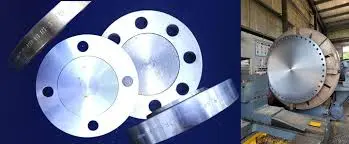
Understanding Blind Flanges and Their Applications
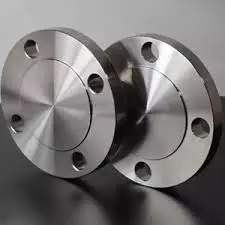
Blind flanges are important components in piping systems used to seal the ends of pipelines, valves, or pressure vessel openings. They are used in many industrial settings. These solid steel disks don't have center holes, so they can be used to seal pipeline ends, pressure vessel openings, and repair isolation points for a short time or permanently.
Material Specifications and Design Standards
Industrial blind flanges are made from a range of materials to meet the needs of different applications. Carbon steel versions are cheaper and work well for most situations, while stainless steel versions provide better corrosion resistance in harsh environments. Configurations made of alloy steel are stronger for high-pressure uses. Standards for manufacturing make sure that quality and measurements are always the same. The rules for ASME B16.5 cover flanges up to 24 inches in diameter, and the rules for ASME B16.47 Series A and B cover sizes from 26 inches and up. European norms include EN 1092-1, and DIN specifications are used to meet regional compliance requirements.
Industrial Applications and Performance Requirements
Pipeline closure applications are the primary use of blind flanges. These parts are used by oil and gas sites to isolate well heads, test pipelines, and plan for future growth. Chemical processing plants use blind flanges to get to reactor vessels and keep the process lines in good shape. They are used by water treatment plants to split systems and fix broken equipment. According to ASME standards, pressure grades run from Class 150 to 2500. In European standards, pressure ratings are commonly designated as PN6 through PN100. Raised Face (RF) configurations are commonly used for standard applications, Flat Face (FF) designs are often used with cast iron connections, and Ring Type Joint (RTJ) facings are preferred for high-pressure oil and gas service.
The Role of Hydrotesting in Pipeline Integrity
Hydrostatic testing is one of the most important ways to make sure that pipeline equipment is of high quality. This controlled pressure proof method tests the strength and leak-tightness of a system using water under certain conditions.
Hydrotesting Procedures and Methodology
When you do a hydrotest, you fill the piping system with water and pressurize it to a specified test pressure determined by applicable codes and temperature correction factors, often around 1.5 times the design pressure for many ASME piping systems. The length of the test depends on the size and pressure class of the system. For smaller systems, it can take 30 minutes, but for larger setups, it can take several hours. During the test time, pressure monitoring equipment records how the system responds. Any pressure drop could indicate leaks or structural problems that need to be corrected immediately. Temperature compensation calculations are essential to account for how ambient temperature fluctuations can affect both the dimensional stability of the blind flanges and the accuracy of the final test pressure readings.
Regulatory Compliance and Safety Standards
Different types of uses have different hydrotesting standards set by industry codes. Process piping systems are governed by ASME B31.3, and liquid transfer pipes are governed by ASME B31.4. API 570 talks about the standards for petrochemical plants to be inspected while they are running. Test records, pressure charts, and inspection reports are some of the documents that must be kept. People who are qualified must oversee the testing process and make sure that it meets all standards. Non-conformance issues need to be fixed before the system can be put into service.
Do Blind Flanges Require Hydrotesting?
The need for blind flanges to be hydrotested depends on a number of important factors that engineering teams must carefully consider. The testing methods are set by the system pressure class, the installation step, and the industry norms that apply.
Mandatory Testing Scenarios
New building jobs, all system parts, including blind flanges, usually need to be fully hydrotested. For high-pressure and critical-service applications, strict testing is typically required to make sure the structure will hold up under operating and test loads. For critical service uses that use dangerous materials, testing procedures need to be improved. Because of safety and environmental concerns, offshore sites have to go through a lot of tests. For underwater uses, tests need to last longer and go through more than one pressure cycle to mimic real-life conditions. Offshore and critical-service projects often apply additional inspection and verification requirements beyond minimum code provisions.
Optional Testing Considerations
Systems with less than 150 psi may be able to use different testing methods. In some situations, pneumatic testing with compressed air can be used instead of hydrotesting, but a lot more safety measures need to be taken. For non-critical tasks, a visual check along with leak detection methods may be enough. Risk-based testing methods may be used for retrofit setups that use current systems. Based on the component's service history and state, the engineering assessment decides what tests should be done. When it comes to money, testing costs are weighed against practical danger levels.
Real-World Case Studies
Comprehensive hydrotesting for a new processing unit was just done at a large petroleum plant. More than 200 blind flanges with sizes from 2 inches to 48 inches were used in the job. When the gaskets were tested, three problems were found that had to be fixed before they could be put into service. Selective hydrotesting was used for an offshore platform upgrade job based on pressure class and service criticality. Parts that were rated Class 900 or higher were fully tested, while systems that were rated lower were only visually inspected and tested for leaks. This method cut down on the time needed for the job while still meeting safety standards.
Best Practices for Blind Flange Installation and Inspection
When you put something correctly, the seal will work reliably and last longer. Following established methods lowers the chance of leaks and the need for maintenance.
Installation Guidelines and Torque Requirements
Preparing the gasket's surface is the most important first step for a good fit. Sealing surfaces that are clean and not broken stop leaks and make sure that the gasket is properly compressed against the blind flange sealing surface. Check the bolt holes for damage or differences in size that could make assembly harder.
Here are the most important steps that professional installers always take:
- Gasket Selection and Positioning: Pick the right gasket material based on the working conditions and the shape of the flange face. Place seals so that they are all centered inside the bolt holes to avoid uneven compression.
- Bolt Tightening Sequence: Tighten bolts in a star pattern through multiple passes to ensure even gasket compression. Keep an eye on the lengthening of bolts in serious situations to avoid over-tightening.
- Final Inspection and Documentation: Check that the setup is correct by looking at it and measuring it. Write down the fitting details, such as the torque numbers and gasket requirements.
These installation practices help ensure reliable sealing performance and stop common mistakes that cause problems with how the system works.
Post-Installation Inspection Methods
Advanced testing methods check the quality of the installation and find problems before the system starts up. With non-destructive testing methods, you can do a full evaluation without damaging any parts. Ultrasonic thickness measurement verifies flange thickness and can help identify internal discontinuities. Radiographic testing may be used for welded components or critical assemblies where internal defects must be evaluated. Magnetic particle analysis can find cracks on the surface of ferromagnetic materials. Leak tests with helium or other trace gases can find even the smallest problems with a seal very accurately. Pressure loss testing checks how tight a system is over long periods of time. These methods complement visual inspection and make sure that the quality is checked completely.
Procurement Insights: Choosing and Buying Blind Flanges for Your Project
Successful procurement requires careful evaluation of supplier capabilities, product quality, and delivery performance. Knowing how the market works and what the basic needs are lets you make smart buying decisions.
Supplier Assessment and Certification Requirements
Quality control systems are fundamental to reliable blind flange manufacturing. ISO 9001 certification shows that quality control is done in a planned way, while industry-specific certifications like API 6A prove that a company has certain skills. Technical ability can be shown by manufacturing experience in similar uses. Traceability paperwork lets you check the quality of materials and keep track of their performance. Mill test papers list the chemicals that were used and their mechanical properties. Heat treatment records show that the right steps were taken to meet strength standards. These papers help with quality control and following the rules.
Material Selection and Cost Considerations
Carbon steel selections offer a highly cost-effective solution for standard pressure and temperature applications. Conversely, while stainless steel alternatives carry a higher initial cost, they provide indispensable long-term corrosion resistance in harsh, aggressive environments. Specifications for alloy steel give it more strength for harsh working situations. Choosing the right pressure class changes the thickness of the material and how hard it is to make. For higher pressure values, you need more material and different ways to handle it. The economics of a project are best when they balance performance needs with cost limits.
Manufacturing Standards and Global Supply Chains
In North America, ASME standards are most common, blind flanges while in European Union countries, EN standards are most common. Asian markets often accept more than one standard, which gives suppliers more choices. Global procurement strategies benefit from understanding regional standard preferences. Lead times are very different depending on the size, material, and pressure class that are needed. Standard configurations usually ship between 4 and 6 weeks, while special setups may take 8 to 12 weeks. Project delays can be avoided by planning buying plans around production schedules.
Conclusion
Hydrotesting requirements for blind flanges depend on specific application parameters, including pressure class, service conditions, and applicable industry standards. High-pressure and critical service applications typically mandate comprehensive testing, while lower-pressure systems may qualify for alternative verification methods. Proper installation techniques and post-installation inspection ensure reliable sealing performance throughout the service life. Successful procurement requires careful supplier evaluation, appropriate material selection, and realistic scheduling considerations. Understanding these factors enables engineering teams to make informed decisions that balance safety requirements with project economics while maintaining regulatory compliance.
FAQ
1. Do all blind flanges require hydrostatic testing?
Not all blind flanges require hydrostatic testing. The requirement depends on system pressure class, service criticality, and applicable codes. High-pressure applications above Class 600 typically mandate testing, while low-pressure systems may use alternative verification methods. New construction projects generally require comprehensive testing, whereas retrofit applications may qualify for risk-based approaches.
2. What pressure levels are used during blind flange hydrotesting?
Hydrotest pressure typically equals 1.5 times the design working pressure for most applications. ASME B31.3 process piping requires 1.5 times design pressure, while ASME B31.4 liquid pipeline testing requirements are based on pipeline location, operating stress levels, and applicable regulatory requirements. Some critical applications specify higher test pressures based on safety factors and regulatory requirements.
3. Can pneumatic testing replace hydrotesting for blind flanges?
Pneumatic testing can substitute for hydrotesting in specific circumstances, particularly when water usage creates operational problems. However, safety risks increase significantly due to stored energy in compressed gases. Special precautions, including controlled pressurization procedures, limited stored energy exposure, and enhanced safety barriers, become necessary when using pneumatic methods.
4. How long should the hydrotest pressure be maintained on blind flanges?
Test duration varies based on system size and pressure class. Typical requirements range from 30 minutes for small systems to several hours for major installations. ASME codes specify minimum hold times, while some applications require extended periods to demonstrate long-term seal integrity.
5. What documentation is required for blind flange hydrotesting?
Required documentation includes test procedures, pressure charts, inspection reports, and certificates of compliance. Qualified personnel must sign off on test results and verify conformance with applicable standards. Traceability records linking test results to specific flanges support quality assurance and regulatory compliance requirements.
Contact JS FITTINGS for Premium Blind Flange Solutions
JS FITTINGS stands ready to support your hydrotesting and pipeline integrity requirements with our comprehensive blind flange manufacturing capabilities. Our 43 years of production experience ensure superior quality products that meet the most demanding industry standards, including ASME, DIN, and API specifications. As a trusted blind flange supplier to major energy companies worldwide, we provide complete traceability documentation and testing certificates to support your project compliance needs. Contact our technical team at admin@jsfittings.com to discuss your specific requirements and discover how our bulk ordering advantages can optimize your supply chain costs while maintaining delivery schedules.
References
1. American Society of Mechanical Engineers. "ASME B16.5 - Pipe Flanges and Flanged Fittings: NPS 1/2 through NPS 24 Metric/Inch Standard." New York: ASME Press, 2020.
2. American Petroleum Institute. "API 6A - Specification for Wellhead and Christmas Tree Equipment." Washington, DC: API Publishing Services, 2019.
3. American Society of Mechanical Engineers. "ASME PCC-2 - Repair of Pressure Equipment and Piping." New York: ASME Press, 2021.
4. European Committee for Standardization. "EN 1092-1 - Flanges and Their Joints - Circular Flanges for Pipes, Valves, Fittings and Accessories." Brussels: CEN-CENELEC Management Centre, 2018.
5. National Association of Corrosion Engineers. "NACE MR0175/ISO 15156 - Petroleum and Natural Gas Industries - Materials for Use in H2S-Containing Environments." Houston: NACE International, 2020.
6. American Society of Mechanical Engineers. "ASME B31.3 - Process Piping Code." New York: ASME Press, 2022.
Send Inquiry
Related Industry Knowledge
- Types of ASTM A105 weld neck flange
- ASTM A234 WPB Buttweld Tee Material Properties Overview
- A312 stainless steel pipe – Stainless Steel Pipe Dimensions, Chemical Composition
- Internal Burr Removed ASTM A53 ERW Pipe for Precision Applications
- Carbon Steel Forged Steel Flange in Oil, Gas & Power Plants
- Buttweld Elbow vs Socket Weld Elbow: Key Differences Explained
- ASME B16.9 Buttweld Tee Dimensions and Weight Guide
- How thick is standard wall pipe on carbon steel?
- What is the temperature to weld carbon steel pipe?
- How to weld carbon steel pipe?