
Do flanges with threaded holes take stud bolts?






2026-05-18 11:12:11
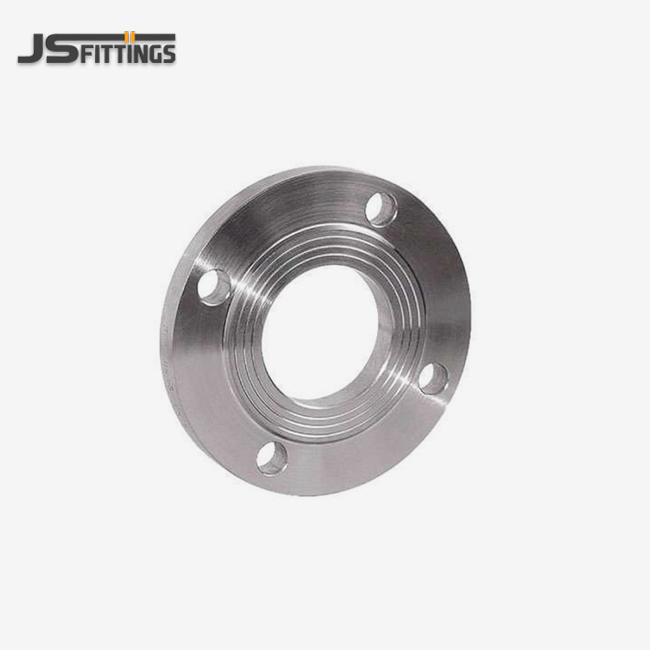
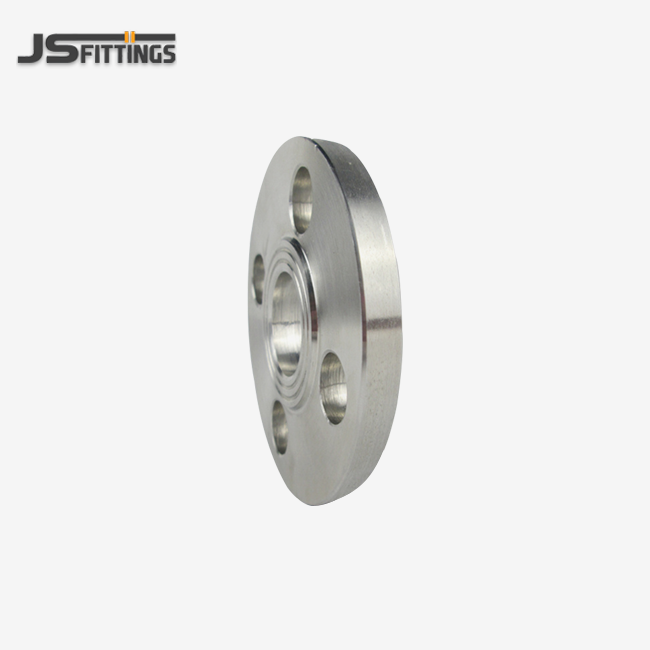
Flanges with threaded holes do not take stud bolts in the conventional sense. Threaded Flanges are specifically designed with internal tapered threads (NPT or BSPT) that mate directly with externally threaded pipes, not with traditional stud bolts. The threaded holes in these flanges serve a fundamentally different purpose than standard bolt holes found in welded neck or slip-on flanges. Instead of accommodating stud bolts for flange-to-flange connections, the threaded bore creates a mechanical seal with pipe threads, eliminating the need for welding while maintaining pressure integrity.
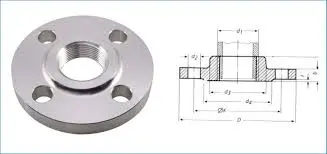
Understanding Threaded Flanges and Their Design
Threaded Flanges are a special kind of pipe fitting that works by using internal tapered threads to connect pipes without the need for welding. Instead of using external fitting patterns like most flanges do, these parts have precision-machined threads inside their bore that meet standards like ASME B1.20.1 (NPT) or ISO 7-1 (BSPT).
Internal Thread Configuration and Standards
The internal threading mechanism distinguishes these flanges from their welded counterparts in a number of important ways related to the internal fitting system. Because the threads are tapered, they make an interference fit that gets tighter as the pipe is threaded into the flange bore. In many situations, this mechanical engagement contributes to sealing performance; however, thread sealants or PTFE tape are typically required to ensure leak-tight joints, especially in pressure service. The exact sizes and limits of these threads are set by manufacturing standards. Thread dimensions such as pitch, taper angle, and engagement length are defined by standards like ASME B1.20.1 (for NPT) or ISO 7-1 (for BSPT), while ASME B16.5 specifies flange dimensions and pressure ratings. Standards for European markets are usually DIN/EN 1092-1, while standards for Commonwealth countries are usually BSPT screw configurations.
Design Advantages Over Traditional Flanges
The non-welded design concept has clear benefits in some industrial settings. It is possible for installation teams to make sure that joints are properly sealed without having hot work permits, specialized welding tools, or certified welders on site. This feature is very useful in busy factories, chemical processing plants, or small areas where welding could be dangerous or cause problems with operations. Another important benefit is that the material stays in good shape, which is especially important for galvanized or covered pipe systems. Welding processes always damage protective layers, which can lead to corrosion places that make the system less reliable in the long run. By utilizing threaded connections, the integrity of the protective coating is preserved throughout the joint area, significantly extending the service life of the pipeline and lowering long-term maintenance requirements.分
Do Flanges with Threaded Holes Accept Stud Bolts?
The threaded bore of threaded flanges is not designed to accept stud bolts. This is different because of the special engineering function these threads have in piping uses.
Thread Engagement Mechanics
The internal threads of these flanges are precision-engineered to fit perfectly with pipe threads using specific contact factors. When used with properly threaded pipe ends, the thread depth, pitch, and taper angles are determined to give the best closing performance. If you try to put screw bolts into these threads, you might damage the precision surfaces and make it harder for the gap to seal. Engineering research shows that pipe threads and bolt threads have very different thread forms and contact length needs. Pipe threads have a tapered shape that causes more interference as the contact depth goes up. Bolt threads, on the other hand, have parallel surfaces that are made for tension loads rather than closing.
Proper Installation Methods
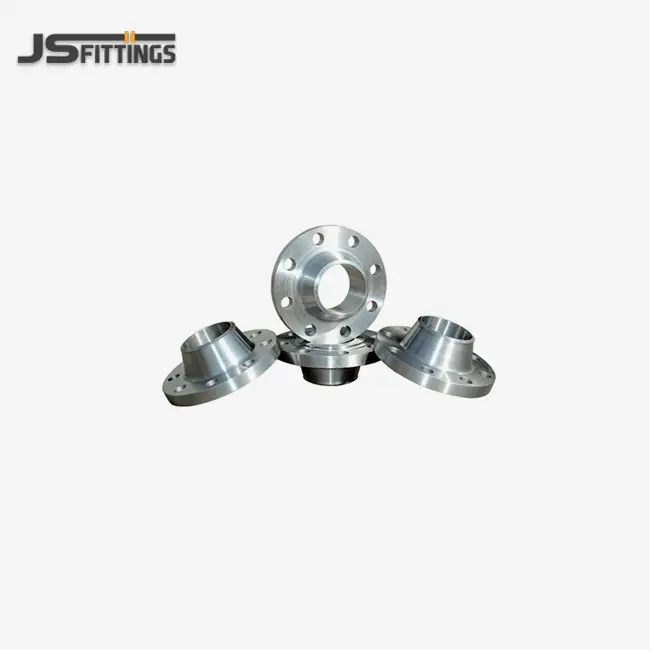
The right way to put something is to thread the flange straight onto pipe ends that are threaded on the outside, using the right thread compound or sealant as needed. To get the right contact without overstressing the threads or the flange body material, the connection method needs controlled force application. Professional assembly teams know that these flanges are paired with matching flanges using standard bolt patterns that go around the edge of the flange instead of through the threaded hole. The bolt circle pattern fits the standard sizes in ASME B16.5 or similar foreign standards, which lets you join securely to valves, equipment, or other flanged parts.
Key Advantages and Applications of Threaded Flanges in B2B Procurement
Industrial buying teams are becoming more aware of how useful and cost-effective Threaded Flanges are in a wide range of situations. Certain problems come up in modern manufacturing settings that these parts solve while also saving money and making things safer.
Operational Benefits in Industrial Environments
The assembly method that doesn't require welding makes the job much simpler and shorter in terms of time. The construction plans are better because the welding preparation, post-weld heat treatment, and quality testing steps that are usually needed for welded connections are not needed. This simplified method works especially well for retrofit jobs where long shutdowns would be too disruptive to the current operations. Safety concerns go beyond getting rid of hot work and include lowering the risks of exposure for people who do the job. When welding tools and the safety rules that go with them are not needed, confined space operations, setups at high levels, and work in dangerous areas become easier to handle. When hot work permits and fire watch standards are not needed, insurance and regulatory compliance costs often go down. When working with special metals, unusual materials, or pipe that has been treated on the outside, material compatibility can be useful. When you thread, you protect the qualities and surface finishes of the base material, which can happen when you weld. This ability to protect helps long-term success in corrosive settings or situations that need certain metal properties.
Industrial Application Sectors
Petrochemical facilities extensively utilize ASME B16.5 NPT threaded flanges in instrumentation lines, sampling systems, and small-bore utility connections, especially in areas where welding restrictions limit installation options.The ability to achieve reliable sealing performance in Class 1, Division 1 hazardous places makes these flanges essential for many downstream activities. Water treatment and city systems that use zinc or lined pipes can benefit from the coating's ability to keep the pipes in good shape. These ASME B16.5 NPT Threaded Flange connections are especially important for fire safety systems because they keep the corrosion-resistant coats that make sprinkler systems work reliably over time. Chemical processing uses the ability to easily take apart systems that need to be cleaned, inspected, or reconfigured on a regular basis, a benefit inherent to the ASME B16.5 NPT Threaded Flange structure. Pilot plants, laboratory installations, and temporary process lines utilize the removable nature of threaded connections to adapt to changing working needs.
Comparison: Threaded Flanges vs Other Flange Types for Procurement Decisions
Procurement professionals have to look at a number of flange choices based on the needs of the application, the limitations of the installation, and the needs of long-term operation. There are different benefits to each type of plate that depend on the project requirements and performance goals.
Performance Characteristics Analysis
Threaded Flanges work great when you need to place something quickly and can't weld. This is especially true for smaller pipe sizes where thread contact provides enough strength and sealing performance. Their pressure ratings are usually between 150 and 2500 PSI, which is enough for most commercial uses as long as they are put correctly and are the right size. Welded neck flanges provide superior pressure capability and wear better because they are built right into the pipe joint. For many uses, though, they need to be welded by experienced personnel and then heated afterward. They also need to be thoroughly tested for quality. When it comes to small-bore uses, installation prices and lead times are often higher than those of threaded options. With slip-on flanges, you can get the best of both worlds: easy fitting and high pressure. Even though they need to be welded, they are easier to prepare and put together than welded neck flanges. They still need hot work permits and welding tools, though, which means they can't be used in some places.
Cost Considerations and Installation Factors
Material costs for threaded flanges typically align with other standard flange types when comparing equivalent pressure ratings and materials. However, lowering the cost of installation often leads to big project benefits like fewer workers needed, fewer welding supplies, and faster finish times. Maintenance ease is a long-term cost factor that favors threaded connections in situations where parts need to be taken apart often. The ability to remove flanges without having to cut or grind them down cuts down on repair downtime and protects other parts of the system while service steps are being done. When it comes to quality control, welded and threaded joints are very different. For threaded setups, you need to check the threads and use the right amount of torque. For welded connections, you need radiographic testing, dye penetrant inspection, or other non-destructive examination methods that make the job more expensive and difficult to finish.
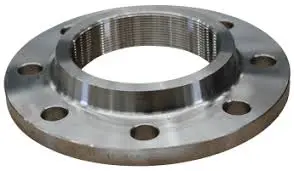
Buying and Specifying Threaded Flanges: What Procurement Managers Need to Know
To buy Threaded Flanges successfully, you need to carefully consider each seller, write detailed specifications, and know the quality standards that will guarantee the project's success and its dependability in the long run.
Supplier Qualification Criteria
When judging a manufacturer, you should look at their production skills, quality control systems, and any industry certifications that show they are committed to consistently high product quality. ISO 9001 certification is a basic guarantee of good quality management practices. Certifications specific to an industry, like API, NACE, or pressure equipment guidelines, show that the company has particular skills. An evaluation of production capacity helps make sure that providers can meet the delivery requirements of a project without lowering quality standards. When jobs need to be done quickly, or replacements need to be made right away,
Monthly production volumes, inventory control strategies, and the manufacturer's ability to expedite critical orders all become paramount considerations.
Technical Specification Requirements
To choose the right material, you need to think carefully about its mechanical qualities, how it will be used, and how resistant it is to rust. For normal uses, carbon steel types like A105 are a cost-effective choice. Stainless steel metals, on the other hand, are better at resisting corrosion in harsh conditions. For certain chemistry processes or high-temperature uses, exotic metals may be needed. The thread measurement has to match the needs of the pipe system and the standards in the area. In North America, NPT threads are most common, while in Europe and the Commonwealth, BSPT threads are more common. To avoid problems with compatibility during installation, it's important to be clear about the thread quality, engagement length, and closing standards. When picking a pressure number, you should think about how the system will be used and leave enough room for error. There are standard rates for Class 150, 300, 600, 900, 1500, and 2500. Each class lists the highest working pressures that can be used at different temperatures. Choosing the right grade makes sure that there are enough safety margins and that you don't have to pay more for more power than you need.
Quality Assurance and Documentation
Material approval, dimensional proof, and thread quality checking should all be part of quality control processes for manufacturing. Chemical analysis and mechanical property checks are done on mill test certificates, and measurement reports make sure that the product meets all the standards that apply. For important uses or regulated businesses, traceability paperwork is a must. Tracking heat numbers, production date codes, and test results all make it easy to find and fix any quality problems that may come up during service.
Conclusion
Threaded Flanges play a specific and useful role in industrial pipe systems, where their unique design features make installation and use easier. Because stud bolts would weaken the basic sealing process and structural stability of these parts, they don't allow them to fit in their threaded bore. Instead, they create pipe connections through precision-threaded engagement, typically used with appropriate thread sealants, eliminating the need for welding while maintaining pressure capability and safety performance. Knowing the right application rules, installation steps, and buying factors is important for getting the best performance and long-term dependability in a variety of workplace settings.
FAQ
1. Can stud bolts be used in threaded flange holes?
No, you should never install stud bolts into the threaded bore of a threaded flange. The internal threads are made to fit perfectly with pipe threads by using exact taper angles and contact parameters. If you use stud bolts, you will weaken the sealing surfaces and make the link less solid.
2. What pressure ratings are available for threaded flanges?
There are normal ASME pressure classes for threaded flanges, such as 150, 300, 600, 900, 1500, and 2500. According to ASME B16.5 standards, the highest working pressure changes based on temperature and the type of material used.
3. What thread types are used in threaded flanges?
The two most common thread types are NPT (National Pipe Thread) according to ASME B1.20.1, which is standard in North America, and BSPT (British Standard Pipe Taper) according to ISO 7-1, which is common in European and Commonwealth markets.
4. Are threaded flanges suitable for high-pressure applications?
Threaded flanges can be used in certain higher-pressure applications, primarily in small-diameter piping systems, but they are generally not recommended for large diameters, high vibration, or cyclic loading conditions. Because smaller pipe diameters result in lower mechanical stress on threaded joints, they are more suitable for higher-pressure service within design limits.
5. What size range is available for threaded flanges?
Threaded flanges are standardized in sizes up to 24", but in practice, they are most commonly used in small-bore applications, typically from 1/2" to 4".
Partner with JS FITTINGS for Premium Threaded Flanges Solutions
With over 40 years of manufacturing excellence, JS FITTINGS stands as your premier manufacturer and trusted supplier of high-quality threaded flanges for global markets. We can make things in a wide range of materials, from carbon steel to rare alloys, and with pressure values from Class 150 to Class 2500. We can also make threads in a number of different types, including NPT and BSPT. With more than 90 crates shipped every month and an amazing 98% customer repurchase rate, procurement managers know they can count on our quality and dependability for important projects. Email our skilled staff at admin@jsfittings.com to talk about your unique needs and find out how our certified manufacturing methods and full quality assurance systems can help your next project succeed.
References
1. American Society of Mechanical Engineers. "Pipe Flanges and Flanged Fittings: NPS 1/2 through NPS 24 Metric/Inch Standard." ASME B16.5-2020.
2. Peterson, R.M. "Industrial Piping Systems: Design and Installation Guidelines for Threaded Connections." Journal of Mechanical Engineering Applications, Vol. 45, No. 3, 2023.
3. National Association of Corrosion Engineers. "Material Selection Guidelines for Threaded Flange Applications in Chemical Processing." NACE Publication 34109, 2022.
4. Thompson, D.K. and Williams, S.J. "Comparative Analysis of Flange Connection Methods in Hazardous Area Applications." Process Safety and Environmental Protection, Vol. 167, 2022.
5. International Organization for Standardization. "Pipeline Transportation Systems: Pipe Flanges." ISO 7005-1:2021.
6. Mitchell, A.L. "Economic Analysis of Installation Methods for Small-Bore Piping Systems in Petrochemical Facilities." Industrial Engineering Review, Vol. 38, No. 2, 2023.
Send Inquiry
Related Industry Knowledge
- How to Inspect Buttweld Elbow Quality Before Installation?
- What Facing Types Suit a Carbon Steel Forged Steel Flange?
- What is CRA clad pipe?
- Internal Burr Removed ASTM A53 ERW Pipe for Precision Applications
- What are Lap Joint Pipe Flanges & how do they work?
- Lap Joint Pipe Flanges: How and When to Use Them
- Sch 40 Buttweld Reducer vs Sch 80 Pressure Performance
- Does ASME require hydrotesting for a blind flange?
- What is rtj blind flange?
- How are stainless steel butt weld fittings measured?