
How to bolt to flanges with threaded holes?






2026-05-18 11:12:33
To make a solid connection when bolting to a threaded flange, the threads must be precisely engaged, and the right amount of force must be applied. These special pipe components feature internal tapered threads that create a mechanical interference fit without the need for welding. Knowing the right way to put something together makes sure that it works properly and doesn't leak, while also maintaining system integrity and safety. An important part of installing threaded flanges in industrial settings is making sure they are properly prepared, aligned, and that the pressure is properly managed.
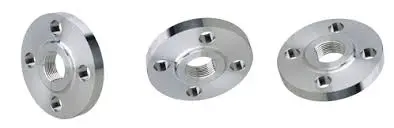
Understanding Threaded Flanges and Their Applications
For situations where welding is unsafe or not possible, threaded flanges are a special type of pipe fitting designed for such applications.. The internal tapered threads on these parts meet NPT (National Pipe Thread) or BSPT (British Standard Pipe Taper) standards. This means that pipes can be connected securely without using fusion welding.
Design Specifications and Material Properties
Threaded flanges are made by JS Fittings from high-quality materials like alloy steel, carbon steel, and stainless steel. ASME/ANSI B16.5, DIN/EN 1092-1, and other international standards are supported. The pressure levels range from Class 150 to Class 2500, so they can be used in a wide range of industrial settings. Threaded flanges are most commonly used in sizes ranging from 1/2" to 4", although larger sizes may also be manufactured depending on application requirements and pressure limitations. There are different types of faces, such as Raised Face (RF), Flat Face (FF), and Ring Type Joint (RTJ). Each is made to meet different pressure and sealing requirements.
Industrial Applications and Benefits
When working with open flames isn't possible because of safety concerns, these parts work great. Threaded connections are often selected in areas where welding is impractical, restricted, or may introduce operational and safety challenges, such as certain refinery, chemical processing, and gas handling applications. Since the mechanical assembly process does not generate sparks or significant heat, these flanges are essential in hazardous environments. Threaded connections are commonly used in galvanized pipe systems because welding can damage the protective zinc coating and reduce corrosion resistance. Threaded assembly methods are used to keep the safety barriers in place in fire protection systems, city water networks, and corrosion-resistant installations.
Step-by-Step Guide: How to Bolt to Flanges with Threaded Holes
To ensure the smooth and safe installation of an ASME B16.5 NPT threaded flange, meticulous planning and precise execution are absolutely essential.
Preparation and Safety Protocols
As the first step in the fitting process, check the threads on both the flange and the pipe. Check the internal flange threads for damage, wear, or buildup of dirt that could affect the quality of contact. In the same way, check the state and size of the pipe threads against what the standard says they should be. Calibrated torque wrenches, pipe thread glue, and pipe wrenches that are the right size for the job are all necessary tools. When using thread sealants, safety gear includes safety glasses, work gloves, and air flow systems for the work area.
Thread Engagement and Alignment
When you connect the threads correctly, you avoid cross-threading damage and get the best closing performance. Follow the manufacturer's instructions for how to use approved thread glue or tape on pipe threads. Before applying mechanical force, start threading by hand to make sure everything is lined up correctly. Slowly engage threads while keeping an eye on alignment the whole time. As the contact goes deeper, the tapered thread design gradually increases resistance as engagement deepens. Continue threading until the required engagement depth is reached according to the applicable standard or installation specification.
Torque Application and Final Assembly
Use calibrated tools to apply the final torque and achieve the torque values specified by the manufacturer. Too much torque can damage threads and crack flange materials, while not enough torque can weaken the seal. Write down torque numbers for quality control and servicing records. Verify the integrity of the connection using pressure testing methods that are right for the system's needs. During the initial pressurization, check for leaks and fix any problems before putting the system to work.
Comparing Threaded Flanges with Other Flange Types
Knowing the features of each type of flange lets you make the best choice for your needs and your budget.
Performance Characteristics
Weld neck flanges are stronger for high-pressure uses, but they usually need to be welded by skilled professionals and may require post-weld heat treatment afterward. Threaded flanges can provide effective performance in suitable small-diameter and lower-to-moderate pressure applications while eliminating the need for welding, which can reduce installation costs. Slip-on flanges make fitting easier, but they still need to be welded. While socket weld flanges are strong, they have the same welding problems as slip-on designs. Lap joint plates let you connect things that aren't lined up straight, but they cost more in materials.
Installation and Maintenance Considerations
Threaded flanges are great for servicing access because they allow the system to be disassembled without having to cut or join. This benefit is especially useful in test plant operations, temporary setups, and systems that need to be set up and changed often. Not having to weld cuts down on construction time and labor costs by a large amount.
This approach ensures that project timelines are not dependent on the availability of certified welders or the time-consuming process of post-weld quality inspections.
Procurement Insights: Choosing and Buying Threaded Flanges for Your Projects
When making strategic buying choices, it's important to look at all of the technical specs, the supplier's skills, and the total cost.
Material Selection and Certification Requirements
For normal temperature and pressure situations, carbon steel grades offer cost-effective options. Stainless steel materials offer superior corrosion resistance in chemical production settings. Alloy steel is used in specific high-pressure situations where better mechanical qualities are needed. Certification compliance makes sure that the product is real and works as expected. Quality methods in production are approved by ISO, CE, and GOST-R certifications. Industry-specific approvals from groups like PETROBRAS, NIOC, and ADNOC show that the product works well in serious situations.
Supplier Evaluation and Quality Assurance
Manufacturers that have been around for a long time and have a lot of production knowledge are more reliable and can offer better technical help. JS FITTINGS' 43 years of manufacturing experience and their ISO9001 quality management system make sure that the quality and performance of their products are always the same. Indicators of production capability include monthly output, how often containers are shipped, and how well they are delivered on time. Our factory maintains substantial monthly flange production capacity to support large industrial projects, and we deliver them on time over 95% of the time, which helps projects stay on schedule.
Cost Optimization Strategies
When you buy in bulk, you usually get better prices and make sure you have enough goods for your project. Custom specs take longer to make, but they give the best performance for particular uses. Total shipped costs are affected by how close a supplier is to shipping ports and how well-established their transportation networks are. Our full supply chain management cuts down on shipping delays and the costs that come with them.
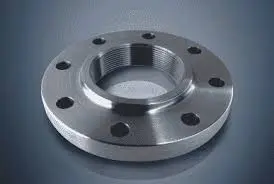
Best Practices and Maintenance Tips for Threaded Flange Bolting
Routine maintenance plans make threaded flange setups last longer and stop problems from happening out of the blue.
Inspection Protocols and Frequency
Regular checks should focus on the state of the threads, the stability of the seals, and the general condition of the parts. Inspection frequency depends on operating conditions and service environment; harsh settings need more frequent checks. Early signs of thread wear, rust, or mechanical damage can be seen with the naked eye. Dimensional verification ensures that the flange threads maintain their proper engagement depth and sealing capability.
Lubrication and Thread Protection
Anti-seize additives lower the amount of torque needed for fitting and stop galling while the parts are being put together. Choose chemicals that can work with the process surfaces and the temperature ranges that will be used. When you store things the right way, you keep them from getting dirty or corroded. Temperature-controlled rooms and secure packages keep the quality of the thread while it is being stored for a long time.
Safe Disassembly and Reassembly
To keep people safe, disassembly processes should include ways to relieve pressure and turn off the system. Writing down the torque numbers and thread state before taking something apart will help you when you put it back together. Before putting it back together, clean the threads well and look for damage or wear. To keep the system running smoothly, replace any parts that are worn out or damaged beyond repair.
Conclusion
To successfully bolt to threaded flanges, you need to know the right way to do things, choose the right materials, and follow thorough upkeep methods. In tough settings, these specialized parts offer solid alternatives to welded connections while also making installation and upkeep much easier. Strategic buying from well-known companies guarantees the quality of the product and the success of the project. When you put something correctly and do regular upkeep, it will last for a long time and deliver reliable long-term performance in a wide range of industrial applications while remaining cost-effective.
FAQ
1. Can Threaded Flanges Handle High-Pressure Applications?
Threaded flanges may be used in certain higher-pressure applications when properly rated and installed, although they are generally more suitable for smaller-diameter and moderate-pressure systems. There are choices for different pressure needs with class levels ranging from 150 to 2500. Threaded connections are best for small-diameter uses because smaller diameters reduce the total stress acting on the threaded connection.
2. How Do Threaded Flanges Compare to Welded Flanges in Terms of Durability?
While welded flanges offer superior strength for extreme applications, threaded flanges provide excellent durability for their intended service range. The mechanical link gets rid of the heat-affected areas that come with welding, so the qualities of the base material are kept the same. When properly installed and maintained within their intended service conditions, threaded flanges can provide reliable long-term performance.
3. What Are Common Installation Mistakes to Avoid?
Cross-threading is the most common installation mistake. It usually happens because of bad alignment or using too much force when engaging for the first time. When torque is applied incorrectly, it either weakens the seal or breaks parts. When you use thread seals that aren't meant to work together, they can break down chemically or stop binding properly.
Partner with JS FITTINGS for Premium Threaded Flange Solutions
JS FITTINGS stands as a premier manufacturer and your trusted partner for industrial piping solutions, backed by over 40 years of proven manufacturing excellence.Our comprehensive product portfolio includes ASME, DIN, and JIS compliant flanges manufactured under ISO9001 quality systems with CE, GOST-R, and industry-specific certifications. We maintain large-scale monthly production capacity, ensuring a reliable supply for your critical projects.
Contact our experienced team at admin@jsfittings.com to discuss your specific requirements and benefit from our extensive inventory, competitive pricing, and exceptional technical support. Our commitment to quality excellence and customer satisfaction has earned partnerships with major energy companies worldwide.
References
1. ASME B16.5 Pipe Flanges and Flanged Fittings: NPS 1/2 Through NPS 24 Metric/Inch Standard. American Society of Mechanical Engineers, 2020.
2. Bhandari, V.B. "Design of Machine Elements." McGraw-Hill Education, 4th Edition, 2018.
3. Nayyar, Mohinder L. "Piping Handbook." McGraw-Hill Professional, 8th Edition, 2019.
4. Peng, L.C. and Peng, T.L. "Pipe Stress Engineering." ASME Press, 2009.
5. Singh, Keval P. "Mechanical Engineers' Handbook: Energy and Power." John Wiley & Sons, 2021.
6. Towler, Gavin and Sinnott, Ray. "Chemical Engineering Design: Principles, Practice and Economics of Plant and Process Design." Butterworth-Heinemann, 2nd Edition, 2012.
Send Inquiry
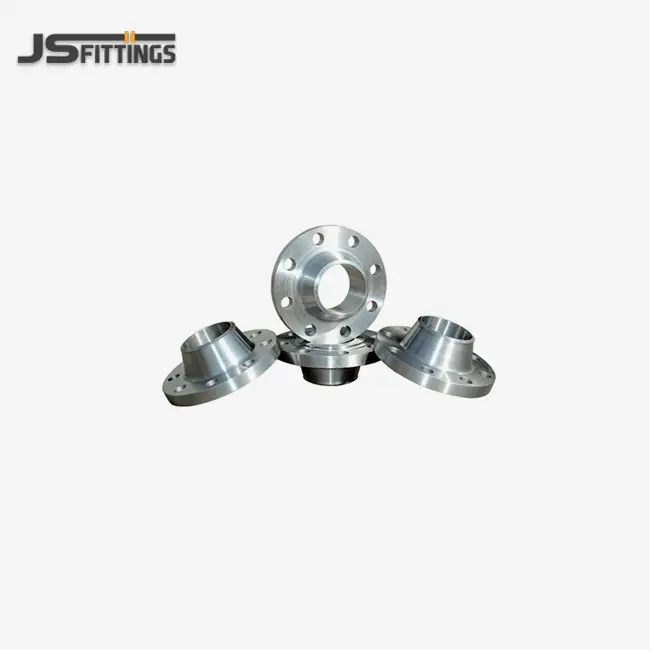
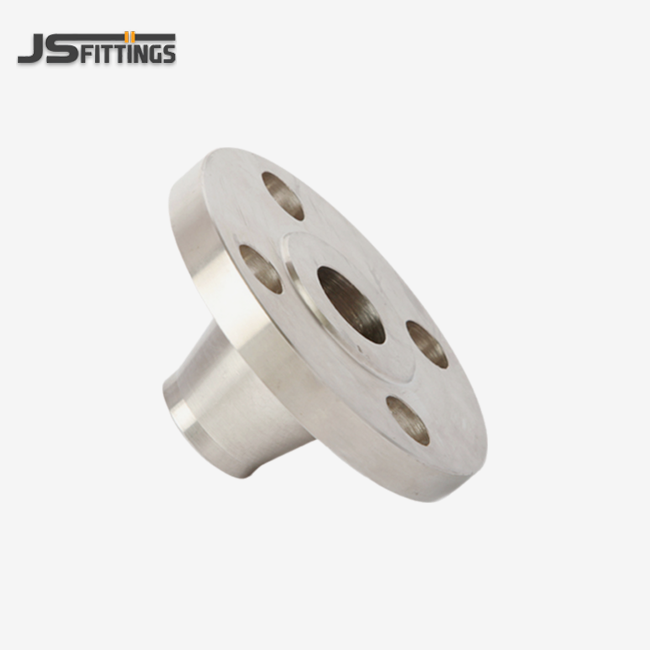
_1775030068227.webp "ASTM A105 Weld Neck Flange")
Related Industry Knowledge
- Differences Between AWWA Flanges and ANSI Pipe Flanges
- Buttweld Bend Dimensions: LR, SR & Custom Radius Guide
- Getting to Know ASTM A53 ERW Pipe: Characteristics & Uses
- What is FBE Coated Steel Pipe?
- ASME B16.9 Buttweld Reducer Dimensions and Weight Guide
- A312 stainless steel pipe – Stainless Steel Pipe Dimensions, Chemical Composition
- What ANSI Pipe Flanges Are Commonly Applied Today?
- Induction Buttweld Bend vs Cold Bend: Pros and Cons
- What is carbon steel pipe made of?
- What is a threaded flange?