
What Are Blind Flange Applications in Piping Systems?






2026-09-17 11:21:00
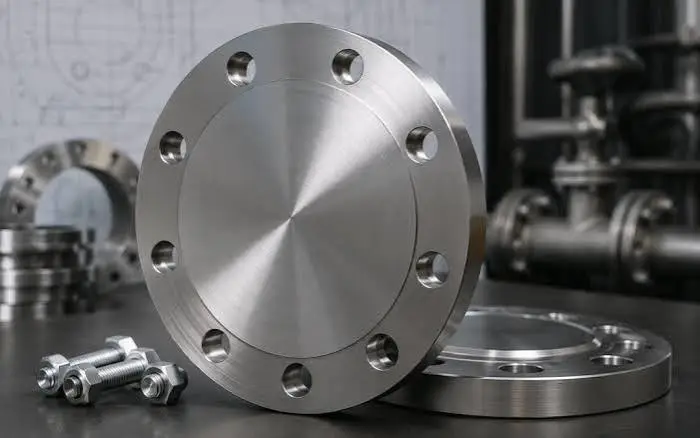
When dealing with pipeline termination or system isolation, engineers and procurement managers face a recurring challenge: how to securely close off piping systems while maintaining flexibility for future access and modifications. A Blind Flange—a solid, disk-shaped component without a center bore—serves this function precisely. Defined under ASME B16.5 and ASME B16.47 standards, these critical components create physical barriers at pipe ends, enabling safe maintenance operations, pressure testing protocols, and long-term system integrity. In industrial contexts spanning petrochemical refineries to municipal water distribution networks, blind flanges act as removable seals that withstand substantial mechanical stress while offering immediate access for inspections or expansions without cutting or permanent welding.
Understanding Blind Flanges in Piping Systems
Fundamental Design and Purpose
A blind flange completely closes the end of a pipeline, while most flanges make it easier to connect two pieces of pipe. It is different from slip-on or weld-neck versions because it doesn't have a central opening. This makes it a pressure-holding plug instead of a flow conduit. Because of this design feature, the flange plate experiences bending stress under internal pressure, requiring accurate thickness calculations during specification.
At JS Fittings, we make blind flanges out of different types of carbon steel, alloy steel, and stainless steel, depending on the service environment where they will be used. Different types of carbon steel work well for normal water treatment and low-corrosion tasks. Stainless steel grades, especially 304, 316, and duplex types, are better for chemically aggressive and marine settings. Proper material selection is a critical aspect of procurement, directly influencing corrosion resistance and long-term maintenance costs.
Manufacturing Standards and Pressure Ratings
Following recognized production codes makes sure that all international projects can work together. Our production lines follow many standards, such as ASME B16.5 for flange sizes from NPS 1/2 through NPS 24, ASME B16.47 for larger diameter flanges from NPS 26 through NPS 60, and European EN 1092-1 requirements. These rules set safe operating limits for things like bolt hole patterns, dimensional tolerances, and the relationship between pressure and temperature.
In ASME-based systems, flange pressure classes range from Class 150 to Class 2500, while metric systems commonly use PN ratings. These pressure classifications are not direct equivalents and must be selected according to the applicable standard and operating conditions. A Class 600 rating, which is common in refineries, can handle much higher pressures than the Class 150 ratings that are common in city water systems. Knowing these grades keeps you from either not specifying enough, which could lead to catastrophic failures, or specifying too much, which would make the project cost more than it needs to.
Forged versus Cast Construction
How materials are processed affects how well they hold together and how much they cost. When forged blind flanges are heated to high temperatures, they change shape mechanically, which improves their mechanical qualities and smooths out the grain structure. Because forging enhances structural integrity and impact toughness, forged blind flanges are essential in high-pressure, high-temperature applications where failure would result in catastrophic consequences.
Cast flanges, which are made by pouring molten metal into molds, are cheaper for uses with less pressure. Casting provides a cost-effective method for manufacturing complex geometries and large-diameter components. But their use in vital services is limited by the possibility of porosity, shrinkage defects, and less uniform mechanical properties. We keep both production lines running, which lets procurement teams find the best cost-performance ratios based on how things actually work instead of standard assumptions.
Key Applications of Blind Flanges in Industrial Piping
Pipeline Termination and Future Expansion
To future-proof piping infrastructure, municipal water engineers frequently install blind flanges at the termination points of transmission mains. During future infrastructure expansion, maintenance crews simply unbolt the blind flange and extend the pipeline. This takes hours instead of days, which is how long it takes to cut concrete-lined pipes. This application lowers long-term capital costs and keeps service interruptions to a minimum while the system is being expanded.
In the same way, industrial plant plans often consider blind flange dimensions when including blind flanges on equipment openings so that they can be connected in the future. A chemical processing plant could put blind flanges on the ports of the reactor vessels so that they can add instruments or extra feed lines as the needs of the process change. With this method, you don't have to do expensive retrofit welding in tight spaces or dangerous areas.
Maintenance Access and System Isolation
When petrochemical plants have planned turnarounds, maintenance teams put in blind flanges to separate process units from systems that are already running. By doing this, a physical barrier is made that stops hydrocarbons from moving into work areas. This meets safety standards that valve closing alone can't. When used with the right lockout-tagout processes, blind flanges provide confirmed isolation that protects workers doing internal checks, replacing catalysts, or checking for corrosion.
When compared to welded caps, the fact that the part can be removed is very useful. Permanent caps need to be cut and rewelded for each access cycle, which creates heat-affected zones and calls for heat treatment after welding. Blind flanges, on the other hand, can be unbolted quickly with common tools. This feature cuts down on the time needed for maintenance and the lost production that comes with it, which has a direct effect on operational profitability.
Pressure Testing and Commissioning
Before they can be used, new pipeline systems need to be tested hydrostatically or pneumatically to make sure the structure is sound. Blind flanges are used as temporary closures during these procedures because they are designed to withstand the applicable hydrostatic or pneumatic test pressures required by the relevant piping codes. The blind flanges are removed, and the final connections are made, finishing the system's readiness after successful testing.
Blind flanges are used in offshore applications on underwater manifolds, where they have to withstand both internal test pressures and external hydrostatic forces. Ring-type joint (RTJ) face designs improve sealing effectiveness in these tough situations by using metal ring gaskets that create high contact pressure within precision-machined grooves, providing reliable sealing under high pressure and temperature conditions.
Contamination Prevention in Sensitive Industries
Blind flanges are used to seal off unused equipment connections in pharmaceutical and food processing plants. This keeps microbes and other materials from getting in. Strict hygiene standards are met by the electropolished finishes on the stainless steel construction, and the lack of dead legs reduces the chance of bacteria growing, which could affect product quality and regulatory compliance.
Clean-in-place (CIP) systems in dairy processing plants are an example of this use. Blind flanges cover the cleaning ports on the tank between cleaning rounds. This keeps outside contaminants from affecting the quality of the product during production runs.
Comparative Analysis: Choosing the Right Blind Flange for Your Needs
Functional Distinctions from Other Flange Types
To know when to choose a blind flange ASME B16.5 over other options, you need to look at connection requirements. Slip-on flanges can connect pipes in general, but they can't end lines. They fit over the ends of pipes before being welded. Weld neck flanges are stronger for high-pressure connections because they have curved hubs that transfer stress from the flange to the pipe more easily. They also connect systems instead of closing them.
Blind flanges fill a unique functional niche by allowing terminations to be removed. Trying to use welding caps instead of other options saves money on materials at first, but it makes it impossible to get to them in the future without cutting them. On the other hand, using valves for permanent closure adds complexity, potential leakage paths, and upkeep tasks that aren't needed when simple isolation is enough.
Material Selection Considerations
Carbon steel blind flanges predominate in applications where corrosion risks are minimal and cost efficiency is paramount. Carbon steel with protective coatings like hot-dip galvanizing, epoxy paints, or black lacquer is often used in municipal water systems, industrial cooling circuits, and compressed air distribution networks. These coatings make the steel last longer in mildly corrosive environments.
Specifications for stainless steel take into account harsh chemicals, high temperatures, or strict hygiene needs. Grade 316 stainless steel, which has molybdenum added to it to make it more resistant to pitting, is good for chemical processing and marine environments where chloride can damage carbon steel. Duplex stainless steels have microstructures that are both austenitic and ferritic. They are strong, almost as strong as carbon steel, and they resist corrosion better than standard 304 or 316 grades.
Alloy steels, such as chrome-moly types, are used in high-temperature refineries where carbon steels lose their strength, and stainless alloys are too expensive to use. In the end, choosing the right material means finding a balance between things like resistance to rust, mechanical qualities, temperature ranges, and the total cost of ownership over the expected service life.
Facing Type Selection
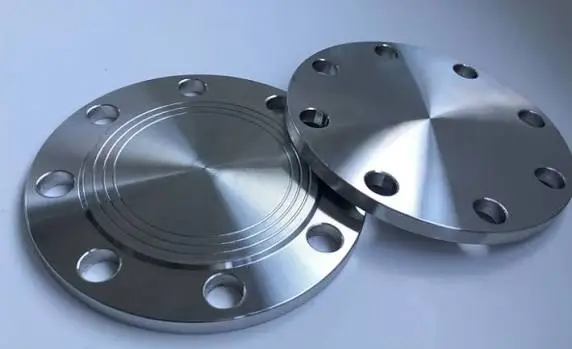
These are the most popular types of facings: flat face (FF) and raised face (RF). Flat face designs spread the stress on the gasket evenly across the whole flange face. This works well for lower-pressure applications and cast iron flanges where avoiding excessive gasket stress concentration is important. Flat face flanges that fit ductile iron valves and fittings are often required by municipal water systems.
When you use higher-pressure services, raised face flanges focus the pressure on a smaller area of the gasket, making the seal stronger. The raised portion height is specified by standards such as ASME B16.5 and varies according to flange size and pressure class. It compresses gaskets better, which lowers the risk of leaks in steam systems, hydrocarbon services, and compressed gas applications.
RTJ facing is the best way to protect components in harsh circumstances.Metal ring gaskets seated in precisely machined grooves establish a resilient metal-to-metal seal capable of maintaining integrity under severe thermal transients, cyclic pressures, and mechanical vibrations that would degrade elastomeric gaskets. Offshore oil and gas platforms often choose RTJ blind flanges for wellhead and manifold uses where the durability of the seal has a direct effect on environmental safety and the cost of running the platform.
Conclusion
Blind flanges are an important part of industrial piping systems because they allow for safe termination, easy maintenance access, and future expansion, which fixed closures can't do. To write a good specification, you need to know about the qualities of the material, the links between pressure and temperature, and the relevant standards. You also need to be able to balance performance needs with budget limitations. Using qualified sources with proven technical skills, output capacity, and quality systems in your procurement plans lowers the risks and overall cost of ownership of a project. These parts are reliable when they are properly chosen and installed and come from experienced makers who are dedicated to quality and service excellence. They can be used to separate refinery process units during turnarounds or to keep growth options open in municipal water systems.
FAQ
1. What differentiates blind flanges from standard pipe caps?
Pipe caps are welded onto the ends of pipes to make fixed covers that can only be taken off by cutting the pipes. Blind flanges bolt to partner flanges, allowing for frequent disassembly for repair access without using destructive methods. This removable feature works well for situations that need to check inside the device on a regular basis or for possible future connections.
2. How do I determine the correct pressure class for my application?
Use pressure-temperature tables from relevant standards to match the flange pressure class to the highest working pressure at the operating temperature. Include safety margins for sudden changes in pressure and make sure the parts will work with each other. Consult engineering specialists when operating conditions approach rating thresholds or involve complex service dynamics.
3. Can blind flanges accommodate instrumentation connections?
Manufacturers can drill and tap blind flanges to connect instruments with threads, such as thermowells or pressure gauges. But this change lowers the flange's pressure rating and requires stress estimates according to the ASME B31.3 code. Make these changes clear during the procurement process to make sure the technical review is done correctly.
4. What delivery timelines should I expect for custom blind flange orders?
Standard sizes in stock can be shipped within days, but custom specifications can take anywhere from 4 to 8 weeks, depending on how complicated they are and how busy the production schedule is at the moment. Timelines may be pushed back by unusual materials or the need for a lot of testing. Delivery delays are kept to a minimum by working with providers early on and communicating clear specifications.
Partner with JS Fittings for Reliable Blind Flange Solutions
Blind Flange procurement requires matching technical requirements, safety requirements, and budget realities—challenges that JS Fittings has been addressing for 40 years. Leveraging decades of specialized manufacturing experience, we supply blind flanges ranging from DN15 to DN2000 that meet ASME, DIN, EN, JIS, and GOST standards. These parts are used in a wide range of international projects. Our production systems consistently produce high-quality goods that have been certified by ISO, CE, and GOST-R. The testing documentation and ability to track materials meet the strictest requirements.
Our quick response times—we answer questions within an hour—and reliable delivery performance—we deliver over 95% of containers on time every month—help with project schedules. Whether you need standard carbon steel choices for water projects in cities or corrosion-resistant stainless steel grades for chemical processing, our expert team can help you choose the right parts for the job. You can talk to our procurement experts about your needs, get full specifications, and get competitive quotations by emailing admin@jsfittings.com.
References
1. American Society of Mechanical Engineers. (2020). ASME B16.5: Pipe Flanges and Flanged Fittings. ASME International.
2. American Petroleum Institute. (2019). API RP 574: Inspection Practices for Piping System Components. API Publishing Services.
3. Beddoes, J., & Parr, J. G. (2019). Introduction to Stainless Steels (4th ed.). ASM International.
4. International Organization for Standardization. (2018). ISO 6164: Hydraulic Fluid Power—Four-screw, One-piece Square-flange Connections for Use at Pressures of 42 MPa. ISO Standards.
5. American Society of Mechanical Engineers. (2018). ASME B31.3: Process Piping. ASME International.
6. Petrobras. (2021). Technical Specification: Carbon Steel Flanges. Petrobras Engineering Standards.
Send Inquiry
You may like