
What Are the Main Blind Flange Pressure Classes?






2026-09-30 17:28:42
When you're managing an industrial piping project, selecting the right components isn't just about meeting specifications—it's about protecting your investment and ensuring operational safety. The Blind Flange stands as one of the most critical termination components in any pressurized system. According to standards such as ASME B16.5 and ASME B16.47, blind flange pressure classes commonly range from Class 150 to Class 2500, each designed to withstand specific maximum pressure and temperature thresholds. These ratings represent engineering limits established through pressure-temperature calculations; they represent carefully engineered tolerances that determine whether your system operates safely or becomes a liability. Understanding these pressure classifications helps procurement teams minimize project risk, ensure regulatory compliance, and avoid costly system failures that can halt production for weeks.
Introduction
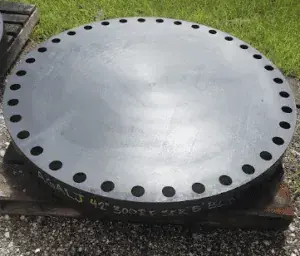
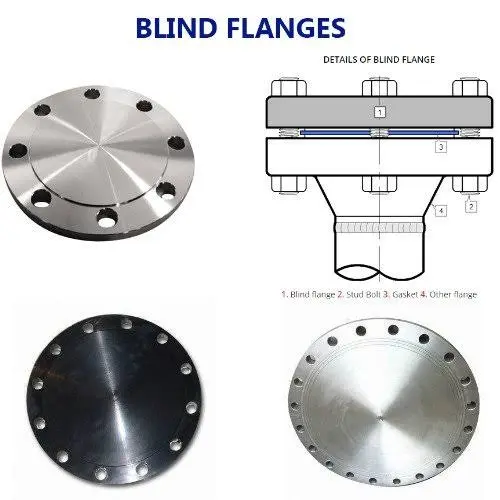
Every connection point in an industrial pipe system needs to be precise, and blind flanges protect the stability of the system. These solid disks without a center bore are very important for keeping pipe ends sealed, separating parts for upkeep, and giving access for future growth. Slip-on or weld-neck flanges make flow easier, but a blind flange builds a removable barrier that must still withstand the full internal pressure.
Procurement teams, engineers, and distributors who need to balance safety, compliance, and cost-effectiveness need to know about the different pressure classes that these parts are subject to. This guide goes into great detail about pressure classes and what they mean in real life so that global B2B clients can make smart buying decisions. Whether you're an EPC contractor in charge of turning around a refinery or a distributor keeping stock for local workers, the pressure class you choose has a direct effect on the stability of the system and your image as a professional.
In our experience, choosing the right pressure class can help prevent operational failures and unexpected costs. You will learn everything you need to know about blind flange pressure classes in this detailed guide, from the most basic types to smart ways to buy that will help your bottom line.
Understanding Blind Flange Pressure Classes
Blind flange pressure classes tell you the highest pressure and temperature that a flange can safely handle. This has a direct effect on the safety and dependability of the system. These categories make a common language that engineers and buying workers around the world can use to talk about how long a part will last without any problems.
What Pressure Class Actually Means?
The pressure class tells you the highest pressure that can be used at a certain setting. It is recorded in bar for metric systems or pounds per square inch (psi) for ASME standards. A Class 150 carbon steel flange, such as ASTM A105 at room temperature, can typically withstand around 285 PSI, but its allowable pressure decreases as temperature rises. This inverse relationship between allowable pressure and operating temperature occurs because material yield and tensile strength degrade at elevated temperatures.
Governing Standards and Their Regional Applications
The technical basis for these groups comes from ASME B16.5, ASME B16.47, EN 1092-1, and the DIN series, which are all recognized around the world. EN 1092-1 is often used in European projects and uses nominal pressure designations such as PN6, PN10, PN16, PN25, and PN40. All of these standards are followed by JS FITTINGS when we make our products. We have certifications from CE, ISO, GOST-R, and leading global energy operators, including PETROBRAS and ADNOC, which means our products will meet the needs of your target market.
Why Pressure Class Matters for System Integrity?
It's not just a technical matter to choose the right pressure class; it's a risk management choice that impacts safety, compliance, and running costs. Understanding blind flange dimensions is also essential because incorrect sizing or specification can affect installation accuracy, sealing performance, and overall system reliability. Not giving enough information about a blind flange can lead to a catastrophic failure, especially in petrochemical settings where a breach can let volatile hydrocarbons out. Over-specifying loses money on width and weight of materials that aren't needed, which raises the cost of buying them and the cost of installing them. When engineers and buyers know about these groups, they can lower project risks and make sure that everything works properly in a wide range of industrial settings, from 10,000 PSI offshore injection lines to local water systems.
Main Types of Blind Flange Pressure Classes and Specifications
There are different grades for each pressure class, and each one is best for a different set of industry situations and operational needs. By knowing these groups, you can better match the flange's specs to the needs of the system, making sure you don't waste money on performance you don't need or put safety at risk with ratings that are too low.
Low- to Medium-Pressure Applications (Class 150 and 300)
Class 150 and 300 flanges are the workhorses of industrial piping; they are used for most low- to medium-pressure tasks. Class 150 flanges are made of carbon steel and can withstand pressures of up to 285 PSI at room temperature. This makes them perfect for water distribution systems, low-pressure steam lines, and industrial processes that are not very important. In the same settings, Class 300 flanges can withstand higher pressure ratings than Class 150 flanges, with allowable pressure depending on material and temperature conditions.
We use a technique called "double fillet welding," which involves welding both inside and outside the flange bore. This gives enough strength for low- to medium-pressure systems and keeps fluid from leaking between the pipe and the flange. This way of building, along with our precise machining that makes sure all surfaces are perfectly aligned, makes leak-proof seals that do not deform when bolts are tightened. Distributors like these plate flanges a lot because they are easier to machine than cast hub flanges, which cuts down on lead times while keeping safety limits that are right for their pressure class.
High Pressure and Safety-Critical Systems (Class 600 and Above)
Class 600 flanges and higher grades, like Class 900, 1500, and 2500, are used in high-pressure, safety-critical systems where failure would have very bad results. When the temperature is normal, Class 600 flanges can handle about 1,480 PSI. Under applicable pressure-temperature conditions, Class 2500 flanges can have allowable pressure ratings exceeding 6,170 PSI for certain materials and temperatures.
To be safe and last a long time, these uses need special alloy materials. Nickel alloys (Inconel 625, Monel 400), stainless steel grades (304L, 316L, duplex 2205), and other rare materials don't rust and keep their shape even when they're under a lot of stress. During turnaround maintenance cycles, petrochemical refineries install these high-quality blind flanges at the ends of manifolds to separate hydrocracker units and stop volatile hydrocarbon leakage while repairs are done upstream. In tough, sulfide conditions, the flanges need to work very well, and they usually need RTJ (Ring Type Joint) facings instead of normal flat or raised faces.
For many high-pressure applications above Class 600, RTJ facings are commonly selected where high-temperature or severe service conditions require enhanced sealing performance, particularly at temperatures above 400°C. The metal ring gasket creates a strong seal that can adjust to changing flange shapes better than soft gaskets. It maintains leak-proof performance even when temperatures fluctuate. We stock and can manufacture Blind Flanges for all pressure classes at JS FITTINGS, including standard carbon steel Class 150 units and exotic metal Class 2500 setups with RTJ grooves machined to exact specifications. Each Blind Flange ASME B16.5 is produced according to strict dimensional and material requirements to ensure reliable performance in demanding applications. Before machining starts, our spectral analyzers verify the material composition, and our flaw detection equipment checks every critical measurement. This helps ensure compliance with API 6A requirements for wellhead and subsea production equipment applications, where external hydrostatic pressure can intensify internal pressure challenges.
Specialty Classes for Extreme Conditions
In addition to standard pressure ratings, some uses need special classifications that deal with things like high temperatures, corrosive environments, or repeated loading. For example, offshore underwater pipes need blind flanges that can handle both high pumping pressures (over 10,000 PSI) and high hydrostatic pressures from deep in the ocean. Most of the time, these parts are rated by API 6A instead of the more common ASME standards. They are built with heavy walls and special closing systems.
In these situations, the choice of material becomes very important for how well it resists corrosion and for service life. Copper-nickel alloys or duplex stainless steel is used in marine and shipbuilding applications to keep airtight seals against hydrostatic pressure and chloride stress corrosion cracking in saltwater settings. Galvanized or epoxy-coated carbon steel is the best material for municipal water systems to handle the chemistry of raw water over many years of use. At JS FITTINGS, we offer different surface treatments, such as hot-dip galvanizing, black lacquer, and yellow anti-rust paint. This way, you can match the corrosion protection to your specific operating environment without over-engineering the base material.
Comparing Blind Flange Pressure Classes With Other Flange Types
Blind, slip-on, and weld neck flanges differ in installation requirements and pressure behavior, which can affect project costs and schedules. Purchasing teams may choose the best style and pressure class for each connection point when they understand these differences.
Pressure Containment Capabilities Across Flange Styles
Blind flanges have different mechanical issues than flow-through ones. A blind flange absorbs pressure like a flat plate, causing huge bending moments in the center, whereas a weld neck flange's tapering hub distributes pressure stress to the pipe wall. Blind flanges experience different stress conditions because they resist internal pressure at the end of a piping system, and their thickness requirements are determined by applicable flange standards and design calculations. They weigh more and cost more.
Plate flanges like JS FITTINGS' slip-on are a compromise. Two fillet welds attach these round, flat sections to the pipe. Without a tapered hub, plate flanges are commonly used in lower-pressure applications, although their allowable pressure depends on the applicable standard and design conditions. This fits their non-critical device market, where cost overcomes high pressure. Before welding, these flanges slip over the pipe for easy alignment. This cuts installation and fit-up time. Weld neck installations need accurate gap control, yet bolt holes match flanges quickly.
Material Considerations and Longevity
Material affects system pressure handling and durability. Although more expensive, stainless steel flanges resist acidic media better than carbon steel ones. The value of these flanges depends on their longevity and upkeep. 316 stainless steel Class 300 Blind flanges cost almost $200, whereas carbon steel ones cost $50. The fourfold increase is necessary in acidic service but unnecessary in clean, dry air systems.
To accommodate non-standard equipment nozzles and custom pressure vessels, JS FITTINGS manufactures bespoke blind flanges tailored to proprietary bolt patterns, customized thicknesses, and non-standard outside diameters. This engineering flexibility allows plant operators to securely blank off legacy equipment during retrofit and turnaround projects while maintaining strict compliance with applicable pressure-temperature safety standards.
Weight and Cost Trade-offs
Consider cost and pressure rating while choosing lightweight or standard weight flanges. This matters for large-diameter pipelines. The average 24-inch Class 150 blind flange weighs 200 pounds. Class 600s are above 600 pounds. The weight difference affects shipping costs, crane size, and higher pipe support.
These versions help offshore sites where every pound influences weight calculations. Lighter flanges may have fewer bolt holes, increasing bolt strain and gasket compression. Procurement specialists must measure cost and weight reductions against seal reliability, especially in vibration-prone installations.
Conclusion
Blind flange pressure classes are more than technical designations. They affect cost, safety margins, regulatory compliance, and overall project reliability. The right choice of pressure class balances performance needs with budget realities. Class 150 plate flanges serve water treatment plants economically, and Class 2500 RTJ units protect offshore crews from catastrophic failures. Pressure class designation goes from being a confusing technical detail to a strategic benefit when you know the differences between them, how they compare across different types of flanges, and what specs make effective procurement sure. At JS FITTINGS, we can help you make these choices because we have been making things for 40 years and are committed to international quality standards. Our large collection, ability to make parts to order, and helpful expert support all work together to help you choose blind flanges that protect your systems, meet regulatory requirements, and make the best use of your budget for every pressure class your projects need.
FAQ
1. How do I determine the right pressure class for my application?
Figure out the highest pressure that your system can handle and then add 20 to 30 percent to account for pressure spikes and changes in future operating conditions. Compare this design pressure to the pressure-temperature ratings found in the ASME B16.5 Appendix, making sure to account for the highest temperature that the system will be used at. When your estimated need falls between standard grades, you should always choose the next higher pressure class.
2. What are the risks of under-specifying a blind flange pressure class?
Even small failures can have serious consequences, like flange breakage, gasket blowout, and bolt shear. Failures not only put people in immediate danger, but they also lead to unexpected downtime, environmental spills that can lead to fines, and liability. Failure costs are so high that the small amount of money saved by specifying Class 150 instead of Class 300 is no longer worth it.
3. Which certifications should I verify when purchasing blind flanges?
Check that the quality management system has ISO 9001 certification, that the material test reports confirm the chemical composition and mechanical properties, that the dimensional inspection reports show that the standards have been met, and that oil and gas projects have industry-specific approvals like PETROBRAS or ADNOC qualification. This paperwork is always included by reputable sellers like JS FITTINGS.
Partner With JS FITTINGS for Certified Blind Flange Solutions
JS FITTINGS can help you with your buying needs by supplying Blind Flange products that meet applicable international standards for all pressure classes. We have been making things for 43 years and are anapproved supplier of blind flanges for major international energy operators like PETROBRAS and ADNOC. We have a huge selection of Class 150 to Class 2500 blind flanges in sizes DN15 to DN2000. They are made of carbon steel, stainless steel, and specialty alloys and come in flat face, raised face, and RTJ shapes. In addition to standard products, we can also make custom products to meet specific needs that aren't covered by standard catalogs. Email our skilled international trade team at admin@jsfittings.com for technical advice and project-specific quotes that make sure your pressure class needs are met within your budget. With more than 95% on-time delivery, quality control systems that keep rejection rates below 0.5%, and after-sales support backed by our seven-system quality foundation, JS FITTINGS turns blind flange procurement from a transactional necessity into a strategic relationship.
References
1. ASME B16.5-2020. Pipe Flanges and Flanged Fittings: NPS 1/2 Through NPS 24 Metric/Inch Standard. American Society of Mechanical Engineers, 2020.
2. ASME B31.3-2022. Process Piping: ASME Code for Pressure Piping, B31. American Society of Mechanical Engineers, 2022.
3. Davis, J.R. Metals Handbook: Corrosion. ASM International, Materials Park, OH, 2000.
4. Becht, C. "Fatigue of Threaded Connections in Pressure Vessels and Piping." Journal of Pressure Vessel Technology, vol. 129, no. 4, 2007.
5. Nayyar, M.L. Piping Handbook, 8th Edition. McGraw-Hill Education, 2019.
6. API 6A-2019. Wellhead and Tree Equipment, 21st Edition. American Petroleum Institute, 2019.
Send Inquiry
You may like