
What is the temperature to weld carbon steel pipe?






2026-05-13 11:10:43
Based on how much carbon is in the steel and how thick the wall is, the best temperature range for preheating carbon steel welded pipe is between 100°C and 300°C. During ERW, LSAW, and SSAW pipe welding, making sure the temperature is just right makes the weld harder, less likely to crack, and in line with API 5L standards for oil and gas uses. Procurement professionals need to understand these temperature standards in order to judge the quality of sources and make sure that projects are finished on time and on budget.
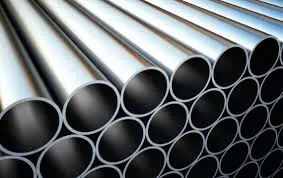
Understanding Carbon Steel Welded Pipes and Welding Basics
Carbon steel welded pipes are very important to modern industry because they are strong, cheap, and simple to shape into different shapes. To make these pipes, flat carbon steel is rolled into cylinder shapes, and the gaps are joined together with high-energy welding. Three main welding methods are used to make carbon steel welded pipe in the business world. High-frequency energy is used in electric resistance welding (ERW) to heat and join the edges of the pipe. ERW is commonly used for small- to medium-diameter pipes, typically up to 24 inches in diameter, depending on manufacturing capability. The submerged arc method is used in longitudinal submerged arc welding (LSAW). The welding arc works below a layer of granular flux. For uses with a big diameter, this provides deeper penetration and reduced contamination. With Spiral Submerged Arc Welding (SSAW), you can make very strong spiral welds that can be used to move water and set up structures.
Chemical Composition Impact on Weldability
Most carbon steel pipes used in industrial applications contain approximately 0.05% to 0.30% carbon, which influences weldability and preheating requirements. It is easier to weld when the carbon content is low because there is less chance of stiffening in the Heat Affected Zone (HAZ). When the carbon amount is higher, the metal needs to be heated up more carefully so it doesn't break. When there is between 0.3% and 1.2% manganese in something, it increases strength and toughness, but it needs to be carefully managed when welding.
Welding Process Variables
Metal Inert Gas (MIG), Tungsten Inert Gas (TIG), and Shielded Metal Arc Welding (SMAW) are all modern ways to weld that need different amounts of heat to work properly. The high deposition rates of MIG welding make it perfect for production settings. On the other hand, the tight control of TIG welding makes it perfect for mission-critical jobs. For changes in the field and in hard-to-reach places, SMAW is still useful. But to get the best results, each way needs its own set of rules for keeping an eye on the temperature.
What is the Ideal Temperature to Weld Carbon Steel Pipe?
It is very important to find the right welding temperature so that the pipe parts are free of flaws, last a long time, and meet strict industry standards. There are a lot of things that experienced procurement professionals need to know about temperature choices when they look at a supplier's skills.
Preheating Temperature Guidelines
Temperatures used to pre-heat carbon steel pipes are usually between 100°C and 300°C, but this depends on how thick the material is and how much carbon it contains. For pipes less than 6 mm thick, the temperature may only need to be raised to about 100°C. But for pipes thicker than 25 mm, the temperature needs to be raised to around 250°C to 300°C. Proper preheating reduces temperature gradients, lowers residual stresses, and minimizes the risk of hydrogen-induced cracking in Welded Carbon Steel Tubing applications.
Interpass Temperature Management
It is important to keep the temperatures between passes of welding between 150°C and 200°C so that the grain structure remains uniform across the weld joint. Too high interpass temperatures (above 250°C) can make the grains bigger and the material less tough. On the other hand, not keeping the heat low enough (below 100°C) can lead to slag inclusions and lack of fusion. Professional welding techniques list the highest and lowest temperatures that can be used between passes to keep the quality of the work the same as it is made.
Post-Weld Heat Treatment Considerations
When carbon steel welded pipe is used in important cases, like when there is hydrogen, sulfur, or when the load changes over time, it needs to go through post-weld heat treatment (PWHT). Stress-relief heat treatment for carbon steel is commonly performed at temperatures between 580°C and 650°C, with holding times determined by applicable codes, material grade, and wall thickness. This process lowers any residual pressures, improves metallurgical stability, reduces the risk of cracking, and makes it more stable over time when things get tough. The right welding temperatures depend on the material's features. For example, Higher-strength API 5L grades, particularly X65 through X80 and above, often require stricter thermal control due to increased hardenability and cracking sensitivity. Things outside, like the temperature, humidity, and wind, can also change how much preheating is needed. This is especially important for building jobs that happen outside, where it can be hard to keep the heat on all the time.
Performance and Advantages of Proper Welding Temperature on Carbon Steel Welded Pipes
Making sure the right temperatures are used for welding has clear benefits that affect project costs, safety margins, and how reliable it will be in the long run. These perks are even more important when figuring out how good a supplier is and how to buy things for big building jobs.
Weld Quality Enhancement
When the temperature is controlled properly, flaws that weaken the structure are taken care of, such as cracking, lack of fusion, and hydrogen-induced cracking. The welds have a regular microstructure with fine-grained heat-affected zones that help maintain the mechanical properties of the parent metal when the preheating temperatures are right for the material.This level of joint consistency is absolutely critical for carbon steel pipes used in high-pressure oil and gas transmission, where a single weld failure could be catastrophic.
Mechanical Property Optimization
Welded joints become more resistant to impact and fatigue damage when the temperature is controlled during the welding process. This is especially true in cold places like the north or remote areas. Industry studies and welding practice guidelines indicate that proper preheating and heat control help preserve the mechanical properties and toughness of welded carbon steel joints. This difference in performance directly means that the service will last longer, and Welded Carbon Steel Tubing needs fewer repairs.
Corrosion Resistance Improvement
It is important to control the temperature changes during welding so that corrosion resistance remains more uniform throughout the weld zone and less carbide forms. If you work with sour gas and hydrogen sulfide in carbon steel welded pipe systems, this is very important because localized rust can cause stress corrosion cracking. Proper welding temperature control helps support compliance with NACE MR0175/ISO 15156 requirements for resistance to sulfide stress cracking in sour service environments. Case studies from big pipeline projects show how controlling temperature can save money. For more than 40 years, the Trans-Alaska Pipeline System worked well because strict rules were followed for preheating. New projects in the North Sea, on the other hand, have shown that repair costs drop by 25% when suppliers keep the right welding temperatures throughout the whole process.
Comparing Carbon Steel Welded Pipes With Other Pipe Types Regarding Welding Temperature
When you know what temperature is needed for the different ways pipes are made, you can make smart purchases based on the project's needs and limitations. Managing heat in different types of pipes is different; welding carbon steel tubing and these changes affect both the cost at the start and how well they work in the long run.
Seamless vs. Welded Temperature Requirements
Since seamless pipes are manufactured through piercing and hot-forming, they lack a longitudinal weld seam, which eliminates the need to inspect a seam during field installation. However, the circumferential (girth) welds required to join any type of pipe section in the field must always adhere to strict thermal control protocols, regardless of whether the pipe is seamless or welded, to ensure consistent joint quality. When they are installed, welded pipes have more stable temperature behavior because the metal is the same all the way through the pipe body, and the manufacturing environment is managed.
Stainless Steel Thermal Considerations
Keeping temperatures in check for pipes made of stainless steel is very different. Most of the time, they only need to be warmed briefly to avoid too much heat, which could make them sensitive and cause intergranular rust. Popular types like 316L need temperatures below 150°C to stay resistant to rust. Carbon steel, on the other hand, needs temperatures above 150°C.
ERW Pipe Precision Requirements
The high-frequency welding process used in ERW pipe manufacturing involves rapid localized heating and cooling that must be carefully controlled to maintain weld quality and consistent mechanical properties. These microstructures are unique because they have a fast temperature cycle. They require controlled preheating procedures before they can be put in place in the field. This is done to keep the quality of the joint and avoid heat shock. In ERW lines, the small area of heat that changes helps keep the properties the same, but it needs to be carefully watched during later welding processes. Before you can join galvanized pipes, you have to remove the zinc layer. This keeps the pipes from getting holes and stops dangerous fumes from forming. Welding galvanized steel requires temperature and ventilation control to minimize excessive zinc vaporization and reduce exposure to hazardous fumes. Most of the time, this means using proper ventilation and different ways to weld than when carbon steel is used.
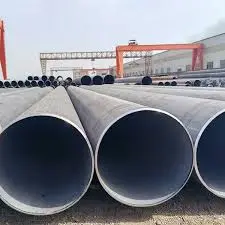
Procurement Insights: Buying and Sourcing Carbon Steel Welded Pipes
Standards for welding temperatures show how well a product is made and how skilled a seller is. They also have a direct impact on the size of building projects that people buy. People who have bought things before know that keeping the temperature under control is a big part of quality control that reflects the supplier’s overall quality management capability.
Supplier Evaluation Criteria
When top manufacturers show they care about quality, they write down thorough welding methods that include exact temperature ranges for different types of materials and thicknesses. Welding Procedure Specifications (WPS) that have been approved by ASME Section IX or a similar standard from another country should be given by suppliers. This documentation demonstrates the supplier’s technical capability and how committed they are to quality control throughout the whole production process. Marks of quality like ISO 9001, API 5L, and ASME compliance show that keeping an eye on and controlling temperature is done in an organized way. They have been making things for more than 40 years, and suppliers like JS FITTINGS have full quality control systems that keep track of the welding settings for each batch. This makes sure that big orders can always be found and are always the same.
Geographic Manufacturing Considerations
Manufacturing location can affect both production costs and quality standards. China, India, and Eastern Europe all have well-established places to make things that keep quality standards high around the world, while carbon steel welded pipe offers low costs. But procurement professionals shouldn't guess what each seller can do based on where they are located; they should check out what each provider can actually do. Chinese manufacturers producing critical industrial products have spent a lot of money on automatic welding systems and high-tech tools for tracking temperatures that are as good as or better than those used in traditional factories.
Custom Order Capabilities
Carbon steel welded pipe applications frequently require special sizes, materials, or surface treatments, so makers need to be adaptable. Suppliers with full temperature control systems can handle custom carbon equivalent figures, changed preheating plans, and customized post-weld heat treatment procedures without slowing down delivery times or lowering quality standards. This freedom is very helpful for projects that need special care or for repair projects that need to be done right away. As part of the buying process, the seller's facilities should be checked to make sure that the quality control paperwork is kept up to date and that the welding equipment is properly adjusted. Suppliers with a good image are used to these kinds of checks because they show how tech-savvy they are and how much they care about their customers.
Conclusion
You need to keep the welding temperature in check if you want to make high-quality carbon steel welded pipe systems that can handle rough industrial uses. Preheating at temperatures between 100°C and 300°C and careful heat treatment methods during and after the welding process make sure that the metal has the best mechanical properties and will last for a long time. When procurement workers know these standards, they can correctly judge the skills of sellers and pick materials that work well in a lot of different situations, from moving oil and gas to building structures.
FAQ
1. What happens if the welding temperature is too low for carbon steel pipes?
If the temperatures used for preheating are too low, hydrogen can cause cracks, partial fusion, and heat-affected zones that are prone to breaking. The structure is weaker because of these flaws, which may not be noticed until the pipe system is under a lot of stress at work. In important scenarios, this could lead to catastrophic failures.
2. How does pipe thickness affect welding temperature requirements?
Higher temperatures are needed to make sure that enough heat gets through the bigger pipe walls and that they don't cool down too fast, which could make them harden. For lines that are more than 25 mm thick, the required preheat temperature should be between 250°C and 300°C. For uses with walls less than 6 mm thick, the temperature before use may only need to be 100°C.
3. Why do ERW pipes have different temperature requirements than LSAW pipes?
In ERW production, rapid heating and cooling processes make microstructures that are very different from each other. To avoid thermal shock during field welding, certain preheating methods must be used. Controlled submerged arc welding with slower heating cycles is used to join LSAW pipes. This changes how the pipes work mechanically, which changes the temperature that is needed for welding them together.
Contact JS FITTINGS for Premium Carbon Steel Welded Pipe Solutions
With over 40 years of manufacturing excellence, JS FITTINGS is your premier global supplier of premium carbon steel welded pipes. We specialize in advanced, temperature-controlled welding processes to ensure uncompromising quality and performance. Our cutting-edge companies use ERW, LSAW, and SSAW to create pipes that meet API 5L requirements. They also monitor welding and heat input parameters during manufacturing to help ensure consistent quality and mechanical performance. Because we are ISO 9001 certified and have been accepted by major energy companies like NIOC, ADNOC, and Petrobras, our quality is always the same and meets the strictest project standards. Send an email to admin@jsfittings.com with your specific needs to talk about how our high-quality tools and low prices can help your next project.
References
1. American Welding Society. "Structural Welding Code - Steel: AWS D1.1/D1.1M." Miami: AWS, 2020.
2. American Society of Mechanical Engineers. "Boiler and Pressure Vessel Code Section IX: Welding and Brazing Qualifications." New York: ASME, 2021.
3. American Petroleum Institute. "Specification for Line Pipe: API Specification 5L." Washington: API, 2018.
4. ASTM International. "Standard Specification for Pipe, Steel, Black and Hot-Dipped, Zinc-Coated, Welded and Seamless: ASTM A53/A53M." West Conshohocken: ASTM, 2019.
5. Lincoln Electric Company. "Procedure Handbook of Arc Welding." Cleveland: Lincoln Electric, 2017.
6. Totten, George E., and Maurice A. H. Howes. "Steel Heat Treatment Handbook." New York: Marcel Dekker, 1997.
Send Inquiry
_1775029585391.webp "Buttweld Elbow")
_1775030564781.webp "Blind Flange")
Related Industry Knowledge
- What Is a Buttweld Bend? Types, Radius & Standards
- ASTM A312 vs ASTM A213 Steel Pipe: What Are the Key Differences?
- Collaborative Art of Lap Joint Pipe Flange and Stub End
- Lap Joint Pipe Flanges: How and When to Use Them
- Carbon Steel Concentric Buttweld Reducer Buying Guide
- Does ASME require hydrotesting for a blind flange?
- How to bolt to flanges with threaded holes?
- How thick is standard wall pipe on carbon steel?
- Where can I buy carbon steel pipe?
- What is a blind flange?