
When to use threaded flanges?






2026-05-15 10:12:46
Threaded flanges represent the optimal choice when welding poses safety risks, environmental concerns, or operational challenges in industrial piping systems. Threaded flanges excel in hazardous environments like refineries and chemical plants where open-flame welding is prohibited, galvanized pipe applications where welding destroys protective coatings, and maintenance scenarios requiring frequent disassembly. These screwed flanges provide reliable, leak-proof connections for small-diameter piping systems (typically ½" to 4") while eliminating the need for certified welders, expensive equipment, and post-weld heat treatment, making them indispensable for cost-conscious project managers and safety-focused engineers.
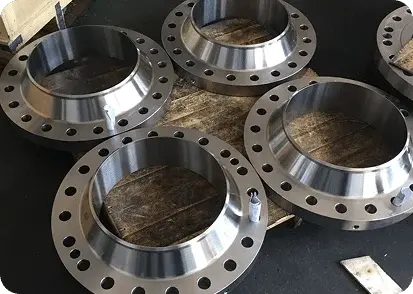
Understanding Threaded Flanges
A threaded flange, also known as a screwed flange, features an internal tapered thread within its bore that connects directly to pipes with matching external threads. Unlike slip-on or weld neck flanges that require welding, these components utilize mechanical interference to establish secure connections. The design eliminates heat-affected zones and welding-related structural changes that can compromise pipe integrity.
Design Structure and Thread Standards
To make sure it works in all places around the world, the internal threading is made according to strict engineering standards. The National Pipe Thread (NPT) is the usual tapered thread shape in the US. It creates a tight seal through an interference fit. BSPT (British Standard Pipe Taper) is a commonly used tapered pipe thread standard in the UK and some Commonwealth countries. It has similar binding properties but slightly different sizes. These thread types cause a wedging action that gets tighter when pressure is applied. This creates a tighter seal under proper installation and pressure conditions.
ASME/ANSI B16.5 and DIN/EN 1092-1 are manufacturing standards that make sure the dimensions are correct and that the pressure can be contained. The tapered thread design usually has a 1:16 taper ratio, which makes for good closing contact and keeps damage from happening when it's over-tightened. The length of the thread engagement depends on the size of the flange. Thread engagement length is defined by standards and varies with size to ensure adequate strength and sealing.
Material Options and Pressure Classifications
Threaded flanges can be used in a wide range of industrial settings and can handle a wide range of materials. For normal pressure uses, carbon steel grades like A105 are a cheap option. Stainless steel grades (316L, 304), on the other hand, are better at resisting rust in harsh conditions. Alloy steel can be used in high-temperature situations where regular steel would not work.
From Class 150 to 2500, the pressure levels cover a wide range of uses, from low-pressure municipal systems to high-pressure hydraulic lines. The small size range (½" to 4") is because of the mechanical limits of threaded joints; bigger widths would cause too much stress to build up. With the right engineering study, bigger sizes may be able to be used in special low-pressure applications.
Key Advantages and Use Cases of Threaded Flanges
The elimination of welding requirements creates significant operational advantages across multiple industries. Project managers consistently report reduced installation timeframes and lower labor costs when specifying threaded connections over welded alternatives. These benefits become particularly pronounced in confined spaces or elevated installations where welding equipment access proves challenging.
Safety Benefits in Hazardous Environments
Hazardous area classifications impose strict controls on ignition sources, making welding permits expensive and time-consuming to obtain. Threaded flanges get around these problems completely, so repair and installation work can often be performed in Zone 1 and Division 1 areas without hot work, subject to site safety regulations. This feature is very helpful for refineries, chemical processing plants, and businesses that move grains.
People and things in dangerous settings are kept safe during installation because there are no sparks, fires, or hot surfaces. Threaded connections are especially useful for emergency fixes because they let work begin right away, without having to wait for the area to be cleared or for fire watch staff to arrive. This ability to respond quickly cuts down on both production slowdown and safety risks.
Cost and Time Efficiency Advantages
Installation times are faster now that tools are easier to get and skills aren't as important. The main tools for fitting are standard pipe wrenches and thread compound. This eliminates the need for expensive welding equipment, gas sources, and qualified welders. The biggest savings are seen in small-bore pipe jobs, since the time it takes to set up the welding often takes longer than the time it takes to connect each joint.
A study of labor costs shows that there are big savings in places where the cost of qualified welders is high or where there aren't many of them. Being able to use general repair workers instead of specialized welding teams gives you more scheduling options and more accurate cost estimates. When project schedules don't depend on whether or not welders are certified or when to service their tools, they become more dependable.
Maintenance and Operational Benefits
Removable links that keep the pipe's integrity are very helpful for routine repair tasks. Procedures for changing the system, replacing valves, and cleaning inside work well without having to cut and reweld. Threaded flanges keep the freedom of system configurations throughout the lifecycle maintenance of equipment.
To keep their protective zinc coats, galvanized pipe systems almost always use threaded joints. Welding breaks down galvanization in certain areas, making corrosion-starting spots that threaten the long-term stability of the system. Fire safety systems, water treatment plants, and outdoor installations all count on coatings that are kept in good shape so they last as long as they're supposed to.
How to Select the Right Threaded Flange for Your Project?
To choose the right flange, you need to carefully think about the working conditions, fitting limitations, and long-term performance needs. When picking a pressure number, you need to think about the highest pressure that the system can handle, along with the right safety factors. Temperature affects both pressure rates and material choice because higher temperatures lower the amount of stress that can be applied.
Pressure and Temperature Considerations
Class 150 flanges can handle up to 270 PSI of working pressure at room temperature and are good for most utility uses. Higher-pressure classes are for steam systems, hydraulic uses, and process lines that need to work at high pressures. All pressure classes are affected by temperature derating factors, so heating systems need to be carefully looked at.
When materials are compatible with the media they are used in, rust or chemical attack doesn't cause them to fail too soon. Different types of stainless steel can withstand most common chemicals, and some alloys are made to work in the harshest conditions. As long as the right safety steps are taken, carbon steel works well in non-corrosive situations.
Thread Type Selection
Choosing a thread standard is often based on where you live. For example, NPT is most common in North America, while BSPT is more common in Europe. The thread compound choice affects the strength of the bond and how easy it will be to take apart in the future. Anaerobic materials seal well but are harder to remove later. PTFE tape, on the other hand, seals well and is easier to take apart.
Verifying the thread contact for an ASME B16.5 NPT threaded flange ensures a robust mechanical connection without over-stressing the pipe wall. Utilizing a hand-tight engagement followed by a specified number of wrench turns creates a consistent, reliable seal without the need for specialized torque tools.
Comparative Analysis with Other Flange Types
Welded flanges are stronger for high-pressure and large-diameter uses, but they need to be installed by a professional and are hard to take off. But you still need to be able to weld in order to use socket weld flanges, which are strong and can be used with small holes. Slip-on flanges make fitting easier, but they still require welding to ensure a proper seal.
The choice matrix usually chooses threaded connections when there are limits on welding, when parts need to be taken apart often, or when fitting skills are limited. When you look at costs, you need to think about things like installation work, the tools you'll need, and long-term maintenance. When used correctly, threaded joints often have the lowest total cost of ownership.
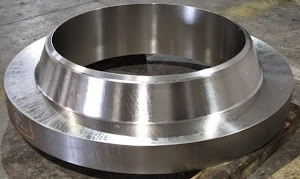
Installation, Maintenance, and Troubleshooting
Following the right steps for fitting guarantees effective service and a longer useful life. Cleaning, inspecting, and applying the right solution are all parts of thread preparation. For the best closing performance, when cutting and threading pipes, they must be done with the right measurements and surface finish. Before assembly, thread gauges check that the measurements are correct.
Installation Best Practices
When applying thread compound, it's important to get all of it on the surface without leaving any extra material that could get into the system media. The material needs to be able to work with the working temperatures and fluids. PTFE tape is a clean option for closing in many situations, especially when the parts will need to be taken apart later.
To get a good seal without putting too much stress on the parts, assembly pressure must be carefully controlled. Hand-tight contact, plus certain extra turns, gives reliable results without the need for special tools. Threaded flanges must connect fully to ensure complete thread contact and prevent bottom-out situations.
Maintenance Strategies
Regular inspections check the state of the threads and the stability of the connections. A visual inspection can find leaks, rust, or mechanical damage that is starting to happen before they break. Maintenance times rely on how hard the system is being used, how exposed it is to the world, and how important it is.
When taking something apart, you need to pay close attention to keeping the threads and checking to see if it can be used again. Thread-cutting oils make it easier to remove connections that have seized up while reducing damage. Thread state, component age, and the need to change the system are all things that are taken into account when replacing something.
Common Issues and Solutions
Most of the time, thread damage is caused by incorrect fitting pressure, poor lubricant, or corrosive attack. Most sealing problems can be avoided by following the right steps and choosing the right materials. You can fix things by restoring the threads, using parts that are too big, or switching to a different way of connecting.
Problems with leakage are often caused by not using enough thread compound, having broken threads, or not following the right steps for assembly. Systematic fixing finds the root causes of problems and the best ways to fix them. Thread reconditioning allows minor damage to be repaired in the field instead of replacing the whole part.
Trusted Suppliers and Buying Guide for Threaded Flanges
Product quality (such as ASME B16.5 NPT threaded flanges), delivery reliability, and the level of technical support all have a significant impact on the success of a project. Customers can be sure that products made by well-known companies with the right certifications will work and meet standards. Following international norms makes sure that projects can be used and accepted around the world.
Manufacturer Qualification Criteria
ISO 9001 quality management systems show that a company is dedicated to consistently high product quality and happy customers. Certifications specific to an industry, such as API, ASME, and CE marks, show that professional standards have been met. Supplier auditing lets you check the steps used for manufacturing and quality control.
Production capacity and geographic distribution affect delivery timeframes and logistics costs. Established suppliers maintain inventory on hand to meet urgent shipping needs and offer low prices by buying in bulk. Threaded flanges are not always available in all sizes and pressure classes, so choosing the right seller is very important for keeping to the project schedule.
Procurement Strategies
When you buy in bulk, you save money and make sure that the quality and specs of the products are always the same. Long-term supply deals keep prices stable and give you priority shipping when the market changes. Partnering with suppliers lets you work together on technology issues and make changes to meet specific needs.
The standards for quality paperwork depend on the needs of the project and the end user. Material test records, dimensional inspection data, and compliance certificates are all types of project documents that are useful. Traceability tools let you respond quickly to problems with quality and to rules and regulations.
Conclusion
Threaded flanges are necessary for industrial pipe uses where welding could be dangerous, cause problems with operations, or cost more than it's worth. Not having to do hot work, keeping protective coatings, and making fitting easier are all big benefits that can be seen in many different businesses. The best performance and dependability are guaranteed by careful selection that takes into account pressure levels, material suitability, and thread standards. These parts are very important for keeping operating flexibility while meeting the strict safety and performance standards of modern industry sites.
FAQ
1. Can threaded flanges be used in high-temperature applications?
While ASME B16.5 provides pressure-temperature ratings, threaded flanges are generally not recommended for high-temperature services, especially those involving thermal cycling. Differential thermal expansion between the pipe and the flange can cause the threads to loosen or gall, leading to leaks and making disassembly extremely difficult.
2. What size range is available for threaded flanges?
Standard threaded flanges come in standard diameters ranging from ½" to 4", which is the most usual range for threaded uses. For certain low-pressure uses, bigger sizes may be available, but threaded joints are usually only useful for smaller widths because of how they work mechanically.
3. How do I prevent leakage in threaded flange connections?
Most leakage problems can be avoided by properly preparing the threads, using the right sealant, and tightening the unit to the right pressure. For the best sealing performance, use suitable thread compound or PTFE tape, make sure the thread surfaces are clean, and follow the manufacturer's assembly directions.
Partner with JS FITTINGS for Premium Threaded Flanges Solutions
Partnering with the right threaded flange manufacturer has a direct impact on your project's success, operational safety, and long-term cost-effectiveness. JS FITTINGS has been making things for more than 40 years, is ISO certified, and has worked with big energy companies like NIOC, ADNOC, and Petrobras to show that they can do the job. Our wide range includes all pressure classes from 150 to 2500, with both NPT and BSPT connections. It is made to meet ASME and DIN standards, and all of the materials used can be tracked back to their source. With a monthly production capacity of more than 700 tons and a 95% on-time delivery rate, we can give your important projects the stability they need. Our skilled technical team can create unique solutions for you, provide quotations within one hour, and help you through the whole process, from specification to installation. Contact our experts at admin@jsfittings.com about your unique needs and find out why top industrial companies around the world choose JS FITTINGS as their preferred Threaded Flanges supplier for mission-critical uses.
References
1. American Society of Mechanical Engineers. "ASME B16.5-2020: Pipe Flanges and Flanged Fittings." ASME Press, 2020.
2. Nayyar, Mohinder L. "Piping Handbook: Seventh Edition." McGraw-Hill Professional, 2019.
3. Botros, Kamal K. "Industrial Piping and Equipment Estimation Manual." Gulf Professional Publishing, 2018.
4. Smith, Peter R. "Threaded Connections in High-Pressure Applications: Design and Performance Analysis." Journal of Pressure Vessel Technology, Vol. 142, 2020.
5. International Organization for Standardization. "ISO 7-1:1994 Pipe threads where pressure-tight joints are made on the threads." ISO Publications, 1994.
6. Escoe, Keith A. "Piping and Pipeline Assessment Guide: Volume 1." Gulf Professional Publishing, 2017.
Send Inquiry

Related Industry Knowledge
- How to Order Custom Steel Flange
- ASTM A234 WPB Buttweld Tee Material Properties Overview
- CRA Clad Pipe: Applications, Benefits, and Future Trends
- CRA Clad Line Pipe for Subsea and Offshore Pipelines
- The Ultimate Guide to Slip-On Flanges: Exploring Applications and Benefits
- How long does FBE Coated Steel Pipe last?
- How long does A53 ERW Pipe last?
- Induction Buttweld Bend vs Cold Bend: Pros and Cons
- Lap Joint Pipe Flanges: Everything You Need to Know
- How to bolt to flanges with threaded holes?