What is a blind flange?






2026-03-23 11:55:32
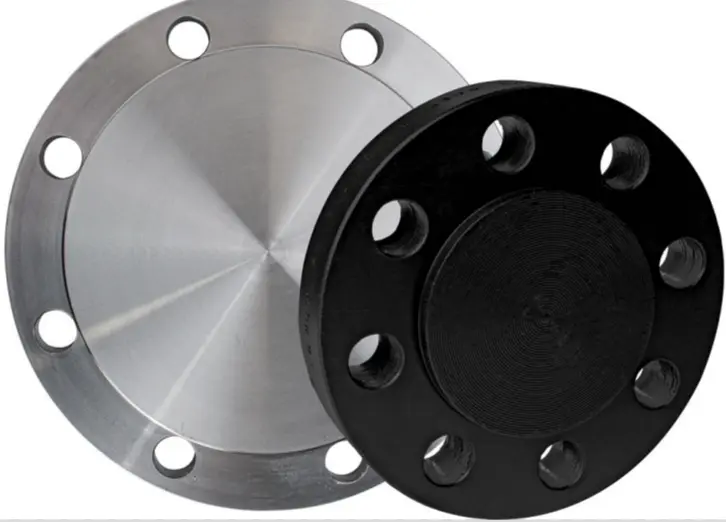
A blind flange is a solid disc typically made of forged steel or machined steel plate that doesn't have a hole in the middle. Its job is to stop the flow in pipe systems or seal gaps in pressure vessels. This important safety component is used for hydrostatic pressure testing and whenever parts of a pipeline need to be disconnected for maintenance or future expansion. Standard flanges facilitate pipe connections, but blind flanges make a permanent or temporary block that stops fluid flow while keeping the system's integrity. These parts are designed to handle a lot of mechanical stress from internal pressure and bolt loading. This makes them essential for use in a wide range of industrial settings, from oil platforms to plant equipment.
Understanding Blind Flanges: Definition and Core Applications
Blind flanges are a specific type of pipe component used to seal the ends of industrial piping systems. These solid steel discs are made without the center hole that most flanges have. When bolted to the end of a pipeline or tank opening, they form a pressure-tight barrier. Blind flanges are designed to provide effective isolation while still letting you get to the system when you need to.
Technical Specifications and Engineering Standards
Blind flanges meet strict ASME standards: B16.5 for sizes up to 24 inches and B16.47 for larger dimensions. They are typically manufactured using forging or plate machining processes to ensure adequate mechanical strength and structural integrity. These processes ensure the material can withstand high pressure without cracking or weakening in demanding industrial environments.
Pressure Containment and Safety Considerations
Unlike standard flanges, blind flanges must withstand full system pressure across their entire surface. This requires thicker sections and careful structural design to prevent deformation under pressure. Engineers use advanced computer models and rigorous testing to address the high stress concentration at the center of the flange plate.
Types and Specifications of Blind Flanges
Because blind flanges are used in so many different industrial settings, different design changes have been made to make them work best in different situations and for different fitting needs. By knowing about these differences, buying workers can choose the best parts for their needs while still meeting safety standards.
Material Classifications and Performance Characteristics
Carbon steel blind flanges are the most popular choice for normal industrial uses because they are strong and don't cost too much. For forged uses, these parts usually use ASTM A105 carbon steel, which works well in mild temperature and pressure environments. Stainless steel grades such as 316L or 321 provide excellent corrosion resistance for chemical processing and marine applications.
Alloy steel blind flanges are used in specific high-temperature situations where other materials would break down. Some of these advanced materials, like chrome-moly compositions, maintain mechanical strength at high temperatures and resist oxidation and creep deformation. When choosing a material, you have to balance the need for efficiency with the limitations of your budget and the needs of long-term operations.
Pressure Rating Systems and Design Codes
ASME/ANSI pressure classifications establish the foundation for blind flange selection in North American applications. Ratings from Class 150 to Class 2500 are based on specific combinations of pressure and temperature. Higher classes need thicker walls and stronger bolt designs. Pressure Nominal (PN) numbers from PN6 to PN400 are used in European standards. These give similar pressure control powers through different dimensional standards.
The dimensions for blind flanges include important details like the general diameter, thickness, bolt circle diameter, and bolt hole specs. To make sure the seal compresses properly and doesn't leak, these sizes must exactly line up with the parts that fit on the flange. To keep the unity of the system, manufacturing tolerances are closely watched so that parts from different sources can still be used together.
Facing Options and Gasket Compatibility
The most common type of facing for industrial blind flanges is the raised face (RF) design, which has a raised sealing surface that increases the force of the gasket compression. This design works well with normal spiral-wound or composite gaskets, so it can be used in mild pressure situations. Flat Face (FF) choices are used for low-pressure cast iron joints that need even stress distribution to keep the flange from distorting.
Ring Type Joint (RTJ) face is the best choice for high-pressure oil and gas applications because it uses metal ring gaskets to achieve metal-to-metal sealing. This setup prevents leaks better in harsh conditions, but it needs careful machining to get the grooves to the right size for the rings to sit properly.
Blind Flange vs. Other Flange Types: Making Informed Choices
To choose between blind flanges and other sealing methods, you need to carefully look at your system's long-term goals, working needs, and repair needs. Each type of flange has its own benefits that make it suitable for certain uses. Knowing these differences helps you make smart purchasing choices that improve system performance and working efficiency.
Structural and Functional Comparisons
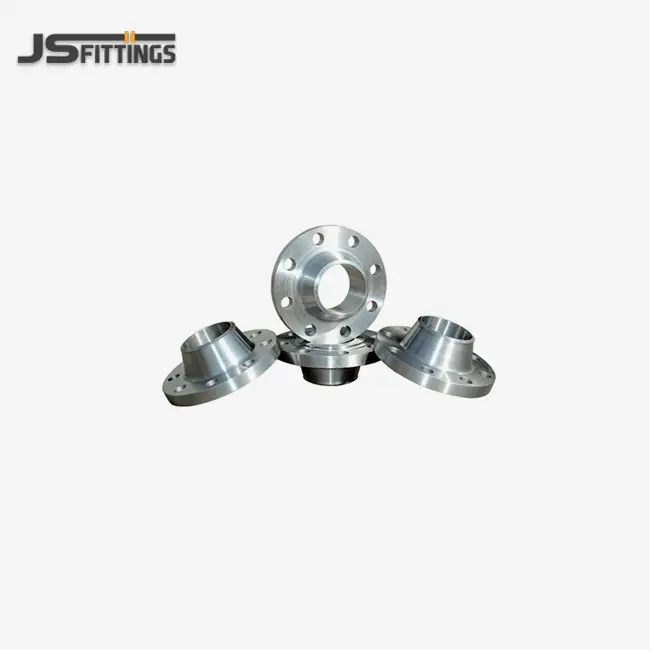
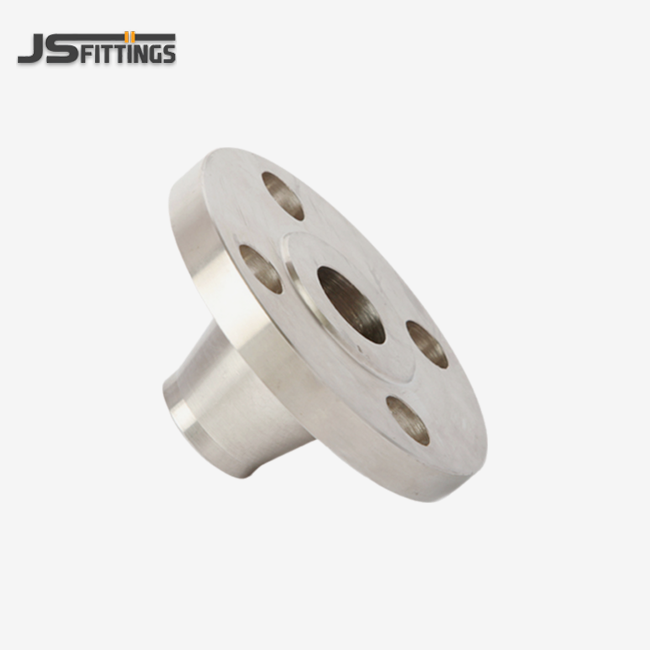
Weld Neck flanges are permanent links between pipe sections. Their tapered hub shape makes them very good at distributing load. But these parts can't stop the flow, so when pipeline isolation is required, additional sealing methods are required. Blind flanges work great in terminal applications where flow has to be stopped totally, but system entry or growth is still possible in the future.
Slip-on flanges are easier to install and cost less at first, but they are typically used for pipe connections, while blind flanges are designed for end-of-line pressure containment and isolation. Slip-on flanges are not suitable for high-pressure end-of-line applications that need blind flanges because of how the mechanical stress is spread out. When temporary separation is needed between existing flanges, spectacle blinds can be used, but they need to be installed more carefully and take up more room.
Material Selection Strategies
Stainless steel blind flanges are worth the extra money they cost up front because they last longer in corrosive conditions and need less upkeep. Stainless metals are very important for pharmaceutical, food processing, and marine industries because the chromium in them makes a passive oxide layer that is resistant to chemical attack. Carbon steel varieties are very useful in non-corrosive settings where cost optimization is a primary consideration.
The decision between material options should incorporate lifecycle cost analysis that considers initial purchase price, installation costs, maintenance requirements, and expected service life. Stainless steel components often provide superior total cost of ownership despite higher upfront investment, particularly in applications involving corrosive media or frequent maintenance cycles.
Application-Specific Recommendations
Permanent uses that need to seal the ends of pipes often choose blind flanges because they are strong and work well for sealing. Blind flange dimensions are an important consideration for ensuring proper fit and installation. The fact that these parts can be taken off to access the system without having to cut or weld gives them big operating benefits over welded pipe caps. Temporary isolation applications may benefit from spectacle blind configurations that allow rapid switching between open and closed positions.
How to Source and Procure Blind Flanges: A Practical Guide?
To successfully purchase blind flanges, you need to carefully look at the supplier's skills, their quality control programs, and the practical issues that affect project timelines and overall costs. Because the pipe fitting business is global, there are many ways to find suppliers. Each has its own benefits when it comes to price, quality, and delivery time.
Supplier Evaluation and Selection Criteria
Leading blind flange makers show what they can do by having quality control systems and certifications that are known around the world. ISO 9001 certification shows that quality control is done in a planned way, and approvals from major oil and gas companies prove that the company can meet the needs of difficult uses. Suppliers who are ASME-certified are allowed to make pressure-bearing parts that follow the ASME Boiler and Pressure Vessel Code, ensuring compliance with critical safety standards.
Production ability is a very important thing to look at when evaluating a source, especially for big projects that need a lot of things quickly. Consistent large-scale production capacity and stable quality control systems demonstrate the supplier’s manufacturing capability and operational reliability. With customization options, providers can meet the specific needs of a project that normal catalog items can't.
Financial and Logistical Considerations
Blind flange prices are based on a number of factors, such as the cost of materials, the difficulty of making them, the number of items ordered, and when they need to be delivered. Volume pricing typically provides substantial savings for large orders, while expedited delivery may require premium pricing to accommodate accelerated production schedules. Different sellers have very different minimum order amounts. Some focus on small custom orders, while others are more interested in high-volume standard goods.
Depending on how much material is available and when it needs to be made, lead times for normal blind flanges are usually between a few weeks and a few months. Longer lead times may be needed for custom setups that use non-standard materials, have non-standard sizes, or need special tests. Getting suppliers involved early on in the planning stages of a project makes it easier to coordinate delivery schedules with building goals.
Quality Assurance and Certification Requirements
Material traceability paperwork is important for making sure that the chemical makeup and mechanical qualities are correct for important uses. Each batch of blind flanges should come with a mill test report that has a thorough chemical analysis, mechanical testing results, and records of the heat treatment. Third-party inspection services can provide additional verification of dimensional accuracy and surface finish quality when project specifications require independent validation.
Installation and Maintenance of Blind Flanges
When using blind flanges in industrial settings, such as blind flange ASME B16.5, they need to be installed and maintained correctly so they last as long as possible and work reliably. Following set processes is very important for the success of a project because they have a direct effect on system safety, working efficiency, and long-term maintenance costs.
Installation Best Practices and Safety Procedures
Before installation, the blind flange and mating flange surfaces are carefully checked to make sure they are clean, undamaged, and free of any manufacturing flaws. Because the quality of the surface finish directly affects how well the gasket seals, it is important to clean and check the gasket carefully before installing it. If the gasket seating area has any scratches, dents, or rust, it can weaken the seal and cause problems with how it works.
When choosing and installing a gasket, it's important to pay close attention to the pressure levels, temperature limits, and suitability of the materials. In most cases, spiral wound gaskets with the right facing materials will provide effective sealing, but for high-pressure RTJ uses, metal ring gaskets are a must. If you place the seal correctly, it will be compressed evenly when the bolts are tightened. This stops stress from being distributed unevenly, which could lead to failure too soon.
To get even gasket tension without putting too much stress on the flange parts, the bolt tightening steps must be done in a certain order and with a certain amount of force. Cross-pattern tightening in several steps gets the unit up to the final torque values while keeping the flange faces parallel. Properly lubricating bolts stops them from galling during fitting and lets you apply the right amount of power to match the desired bolt stress levels.
Maintenance Protocols and Inspection Procedures
Visual checks of the flange edges, bolt conditions, and gasket areas should be part of regular inspection plans to look for signs of leaks, rust, or mechanical damage. How often these checks are done depends on the service conditions; harsher operating conditions require more frequent inspections. Finding problems early on lets you fix them before they get worse and cause big failures.
Using the right surface coatings, cathodic protection when needed, and environmental controls that limit moisture contact are all ways to stop corrosion. When you clean your gaskets regularly, you get rid of deposits that could cause rust or stop them from working properly. Anticorrosion treatments that are given during production protect the metal at first, but they need to be maintained regularly to keep working well in harsh environments for a long time.
Troubleshooting Common Installation Issues
Misaligned flanges are one of the most common fitting issues. They are usually caused by bad pipe support or the effects of heat expansion. To fix the problem, the pipe positioning needs to be carefully measured and adjusted to get the right flange direction before the bolts are installed. Too much bolt force can push misaligned flanges together, which can lead to stress buildup and failure premature failure.
Failures of gaskets are usually caused by bad selection, dirty sealing surfaces, or bad fitting methods. Figuring out why gasket problems happen lets you choose the right substitute materials and fix the way they were installed so they don't happen again. Keeping track of how well gaskets work helps find trends that can help with choosing materials and planning repairs in the future.
Conclusion
These days, blind flanges are an important part of modern industrial pipe systems because they reliably stop flow and isolate systems in a wide range of situations. Due to their structural design, they can be safely maintained, put through pressure tests, and expanded in the future, all while keeping the structural stability needed for high-pressure work. To ensure the best performance over the service life, choosing the right blind flange configurations takes careful thought about the properties of the material, the pressure ratings, and the fitting needs.
When procurement workers know about the different kinds of blind flanges, their specs, and how they can be used, they can make choices that combine performance needs with cost concerns. The worth of these important parts is maximized when they are installed and maintained correctly, and they work safely and reliably in harsh industrial settings.
FAQ
1. What makes a blind flange different from other flange types?
A blind flange doesn't have a center hole, so it forms a thick wall that stops all flow in a pipe system. Weld neck or slip-on flanges link sections of pipe, but blind flanges end lines and allow for easy removal for repair or future growth.
2. Why are blind flanges thicker than standard flanges of the same pressure rating?
Blind flanges have to be able to handle the full thrust force of the system's pressure pushing against a flat surface, which puts a lot of stress on the center and makes it bend. ASME standards say that they need to be thicker to keep them from deforming than flanges, which spread stress through joined pipes.
3. Can blind flanges be modified for instrumentation connections?
It is possible to drill and tap blind flanges to join pressure gauges, drain valves, or thermowells. But these changes affect how stress is distributed and must be evaluated through engineering calculations in accordance with ASME B31.3 to ensure pressure integrity is maintained.
4. When should RTJ facing be specified for blind flanges?
Ring-type joint facing is commonly specified for high-pressure and high-temperature applications, typically in Class 600 and higher services where enhanced sealing reliability is required.
Partner with JS FITTINGS for Superior Blind Flange Solutions
JS FITTINGS has been making high-quality products for over 40 years, so they can meet all of your blind flange needs with unmatched quality and dependability. Our wide range of products comes in sizes from 1/2" to 60" and meets ASME, DIN, and EN standards for pressure ratings. They are also backed by certifications from CE, ISO, and GOST-R, internationally recognized certifications. As a reliable provider of blind flanges to major energy companies around the world, we make sure that projects go smoothly while reducing business risks. Get in touch with our technical experts at admin@jsfittings.com to talk about your unique needs and find out how our proven track record of 98% customer return rates can help your business.
References
1. American Society of Mechanical Engineers. ASME B16.5-2020: Pipe Flanges and Flanged Fittings NPS 1/2 Through NPS 24 Metric/Inch Standard. New York: ASME Press, 2020.
2. American Society of Mechanical Engineers. ASME B16.47-2017: Large Diameter Steel Flanges NPS 26 Through NPS 60 Metric/Inch Standard. New York: ASME Press, 2017.
3. Manufacturers Standardization Society. MSS SP-44-2010: Steel Pipeline Flanges. McLean: MSS, 2010.
4. European Committee for Standardization. EN 1092-1:2018 Flanges and their joints - Circular flanges for pipes, valves, fittings and accessories, PN designated - Part 1: Steel flanges. Brussels: CEN, 2018.
5. Bickford, John H. Gaskets and Gasketed Joints, Second Edition. New York: Marcel Dekker, 1998.
6. Spedding, Norman W. Pipe Flange Design and Selection Guidelines for the Process Industries. Houston: Gulf Professional Publishing, 2019.
Send Inquiry
_1775029549981.webp "Buttweld Tee")