What causes porosity in carbon steel pipe welding?






2026-03-23 11:56:08
Porosity in carbon steel welded pipe manufacturing occurs primarily due to gas entrapment during the welding process, which leaves tiny holes in the pipes that weaken their integrity. These flaws happen because of contamination sources like water, oil leftovers, or inadequate shielding gas coverage that lets gases from the atmosphere get into the liquid weld pool. Porosity directly impacts the mechanical strength and corrosion resistance of welded joints, making it an important quality issue for industrial uses that need reliable fluid flow and structural performance.
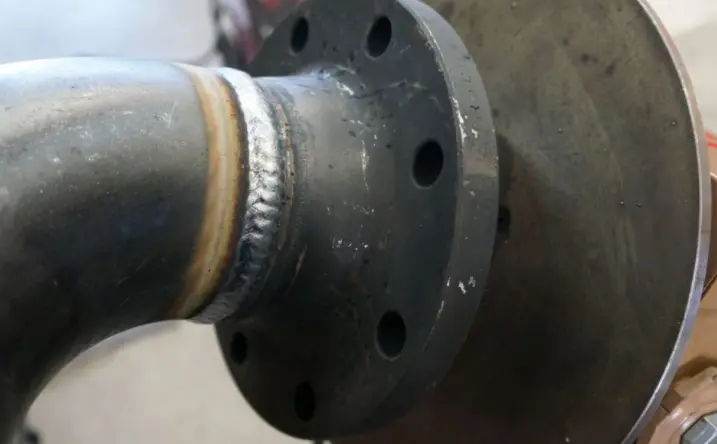
Understanding Porosity in Carbon Steel Pipe Welding
Porosity is one of the biggest problems with making welded pipes because it shows up as tiny holes filled with gas that get stuck in the hardened joint metal. These tiny flaws come in many shapes and sizes, from single spherical holes to networks of linked voids that can seriously affect how well a pipe works.
Types of Porosity in Welded Joints
When hydrogen, oxygen, or nitrogen gets stuck during the cooling process, gas porosity usually happens. Because liquid steel cools so quickly, these gases can't get out, leaving lasting holes in the structure of the weld. Different types of porosity form depending on the type and amount of gas trapped in the weld pool and the solidification conditions during cooling.
Wormhole porosity is a serious defect because it creates elongated cavities along the weld direction, which can significantly reduce pressure resistance and structural reliability. This kind of flaw is immediately dangerous for pressure-bearing applications and could cause a catastrophic failure when under a lot of stress.
Impact on Pipe Performance
Because porosity makes the useful cross-sectional area of welded joints much smaller, stress builds up at the edges of the holes and creates possible failure places. These flaws also make it easier for acidic media to get inside, which speeds up localized rust and lowers the expected service life.
Welding research shows that porosity can significantly reduce joint strength and load-bearing capacity, especially when defects are large or concentrated in critical stress areas. This loss of performance is especially bad in high-pressure situations where safety margins are important.
Root Causes of Porosity in Carbon Steel Pipe Welding
There are several things that can cause porosity to form during the welding process, but the main ones are sources of contamination. By understanding these root causes, producers can come up with effective ways to stop problems before they happen, and purchasing workers can set the right quality standards.
Contamination-Related Factors
Surface pollution is the main reason why welding pipes becomes porous. Rust, mill scale, oil leftovers, and water on pipe surfaces break down in the heat of the welder, producing gases that get stuck in the molten pool of metal. It only takes very small amounts of surface contamination to generate enough gas to create significant porosity in the material.
Paint residues and temporary marks are especially hard to remove because they contain volatile chemicals that evaporate quickly when the metal is welded. These contaminants are often introduced by not properly preparing the surface or storing the item in the right way, which shows how important strict material handling procedures are.
Welding Parameter Issues
Incorrect welding settings often cause pores to form by changing the ways that gases can exit. Too fast of a welding speed doesn't allow enough degassing time, and too little heat input doesn't keep the weld pool flexible. On the other hand, adding too much heat can make base metals evaporate, which adds more gas sources.
Problems with shielding gas coverage are another important factor. Atmospheric contamination of the weld zone can happen when shielding gases are contaminated, gas flow rates are too low, or there are problems in the surroundings that make it hard for gases to properly shield the weld zone. Wind, drafts, or placing the torch incorrectly can make shielding less effective, even if all the settings are set properly.
Material Chemistry Considerations
The amount of carbon in steel and the alloys it is made of has a big effect on how porous it is. Higher carbon levels make it easier for gases to dissolve in liquid metal, which could cause more pores to form when the metal cools. Impurities of sulfur and phosphorus also help make gas during welding by reacting chemically.
When it comes to carbon steel welded pipe applications, hydrogen uptake is a big problem. Sources of hydrogen include water in welding consumables, humidity in the air, and organic pollutants that break down while welding. This hydrogen absorption can lead to both instant porosity and delayed cracks.
How to Prevent and Control Porosity in Carbon Steel Welded Pipes?
To stop porosity effectively, you need to use a wide range of quality control measures during the whole welding process, from preparing the material to checking the work afterward. These ways of keeping problems from happening are the basis of effective ways to make pipes.
Pre-Weld Preparation Protocols
The most important way to stop this from happening is to clean all surfaces thoroughly. Grinding, wire brushing, and abrasive blasting are all mechanical ways to clean that remove surface contaminants and metal layers. Using the right solutions for chemical cleaning gets rid of oil leftovers and organic pollution that can't be removed by mechanical means.
Storage conditions have a big effect on contamination levels. Surface oxidation and moisture uptake are slowed down in warehouses that have controlled temperature and prevent exposure to the atmosphere. Consumable storage needs the same level of care. To keep welding electrodes and flux materials from getting wet, they are kept in heated storage ovens.
Optimized Welding Techniques
Modern methods for welding API 5L steel line pipes use complex systems for controlling parameters that keep the conditions just right during the welding cycle. For ERW (Electric Resistance Welding) methods, exact frequency control and pressure application timing are helpful. For LSAW (Longitudinally Submerged Arc Welding) and SSAW (Spirally Submerged Arc Welding), automatic flux delivery systems ensure even coverage.
Modern tracking systems keep an eye on important factors all the time and find changes that might cause pores to form. These systems instantly change the conditions for welding, keeping the best heat input and travel speeds, and making sure there is enough shielding gas covering.
Quality Assurance Measures
Protocols for non-destructive testing (NDT) are necessary to check the quality of a weld. Radiographic testing shows where the internal porosity is located, and ultrasonic testing finds both porosity and other bulk flaws. With these checking methods, companies can find and reject bad goods before they are shipped.
Statistical process control methods help find patterns in the number of porosities that appear, which lets you make changes ahead of time to stop defects from forming. By looking at inspection data on a regular basis, you can find links between process variables and failure rates that help with efforts to keep getting better.
Comparing Carbon Steel Welded Pipes: Porosity Challenges vs. Other Pipe Types
Different ways of making pipes are more or less likely to have problems with porosity, which affects the choice of which pipe to use for certain tasks. When buyers know about these differences, they can make better decisions based on performance needs and cost concerns.
Welded vs. Seamless Pipe Comparison
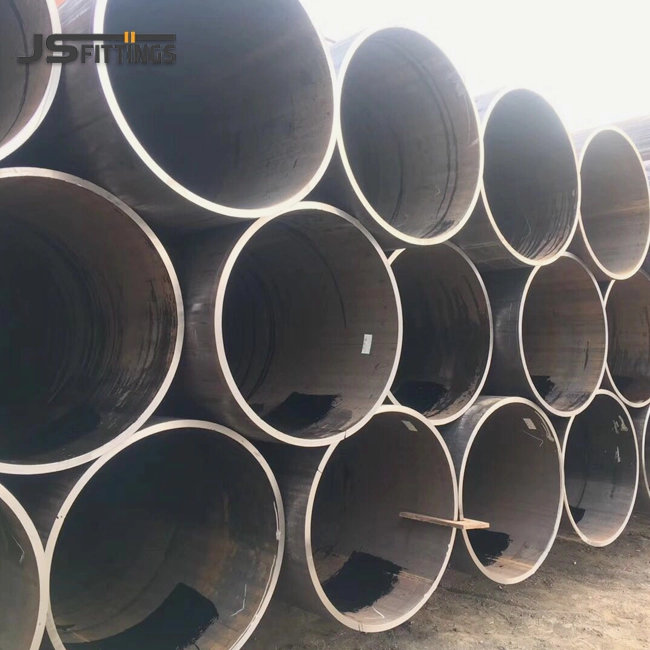
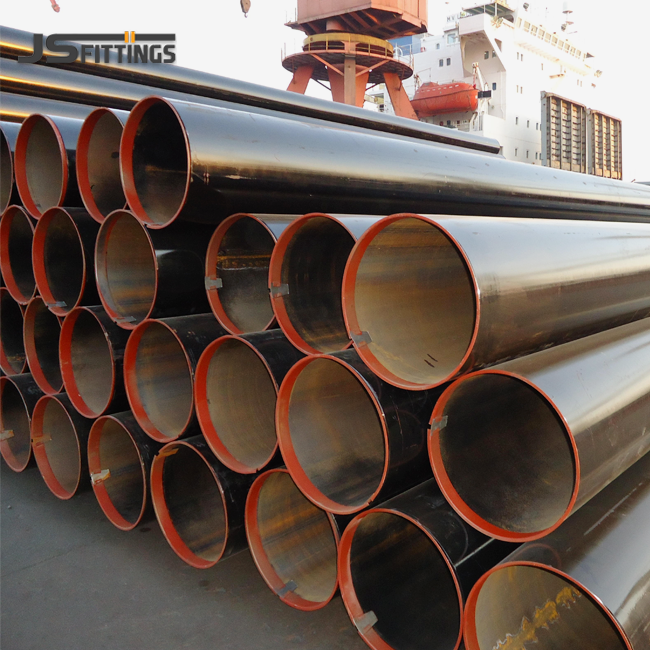
When seamless pipes are made, there are no fusion welding steps involved, so there are no leakage risks tied to welding. But problems with continuous production mean that diameter ranges are limited, and costs go up a lot for large-bore uses. Welded carbon steel tubing options are a cost-effective way to handle sizes bigger than 24 inches, and the quality is maintained through proper manufacturing controls.
When it comes to cost, welded pipes really shine when they are used for big-diameter tasks. SSAW manufacturing methods make it possible to make pipes up to 60 inches in diameter at a low cost. This helps with big building projects where seamless alternatives would be too expensive to use.
Material Grade Considerations
Based on their chemical makeup and mechanical properties, different types of steel are more or less susceptible to porosity. Low-carbon grades usually bond better and have fewer pore risks, while higher-strength grades might need special welding techniques to get the quality levels that are acceptable.
Stainless steel welded pipes generally show lower porosity rates due to their chemical composition and typical application of advanced welding processes. However, carbon steel welded pipe goods are still the best choice for many uses because they are cost-effective and have been tested and proven to work well in a wide range of service conditions.
Application-Specific Performance
Porosity control must be very strict for oil and gas transmission pipes that use API 5L standards for safety and environmental reasons. For these uses, the maximum porosity levels are usually set, and a full NDT check is needed to make sure they are met.
Some water transportation systems can tolerate slightly higher porosity levels as long as they keep their structure's integrity and meet the expected service life. The exact needs rely on the working pressures, the environment for corrosion, and the rules that apply to each project.
Choosing Trusted Carbon Steel Welded Pipe Suppliers for Optimal Welding Performance
Supplier qualification is an important part of buying because it has a big effect on quality results linked to porosity. Suppliers you can trust consistently provide high-quality work by using well-established quality control systems and showing that they can keep their promises.
Certification and Quality Standards
Suppliers with a good reputation keep certifications like ISO 9001 quality management systems, API 5L product certifications, and approvals that are specific to the business. These licenses show that regular quality controls have been put in place and that the company is committed to always getting better.
Compliance with ASTM, ASME, and international standards shows professional skill and the efficiency of the quality system. Suppliers who have more than one license usually have stricter quality controls and are better at keeping defects from happening.
Manufacturing Capabilities Assessment
Some of the most advanced factories have automatic welding systems that also check quality. These methods make sure that the conditions for welding stay the same and find any possible quality problems right away. Suppliers who use this kind of equipment usually get lower porosity rates and more consistent products generally.
Another important rating factor is the ability to test and check. Suppliers who have full NDT facilities with radiography and ultrasonic testing tools show that they are dedicated to checking quality and finding defects.
Supply Chain Reliability
Established sellers maintain sufficient inventory and production capacity on hand to meet customer needs without lowering the quality of their products. There are often fewer quality standards and more defects when there are rush orders or limited capacity.
Long-term relationships with dependable providers make it possible to establish quality standards that are specific to an application and to keep working to improve things all the time. These connections help keep the supply of welded carbon steel tubing steady, and they lower the risks related to porosity by working together on quality control.
Conclusion
Controlling porosity in carbon steel pipe welding takes deep knowledge of the reasons, the use of effective prevention methods, and working together with qualified suppliers. Porosity control works best when contamination is removed, welding settings are optimized, and quality is checked carefully. The people who work in procurement have to judge sellers based on their technical skills, quality systems, and past success in preventing porosity. Putting money into choosing the right suppliers and writing down clear quality standards lowers project risks and ensures long-term operating dependability.
FAQ
1. What are the main causes of porosity in welded carbon steel pipes?
Porosity is mostly caused by gas getting trapped during welding, which can happen because of surface contamination (like rust, oil, or moisture), bad shielding gas coverage, wrong welding settings, or interference from the atmosphere. The most common causes are not properly cleaning the area and using dirty materials.
2. How does porosity affect pipe performance and safety?
Porosity lowers the effective wall thickness, creates stress collection spots, and lets corrosion happen. Even small holes in a joint can make it 15 to 25 percent weaker, and large holes can make it up to 40 percent weaker, which could cause it to fail catastrophically in high-pressure environments.
3. What inspection methods detect porosity in welded pipes?
Radiographic testing (X-ray) and ultrasonic testing are the primary nondestructive testing methods used to detect porosity in welded pipes, while magnetic particle inspection is mainly used to identify surface cracks in carbon steel materials.
4. Can porosity in carbon steel welded pipes be repaired?
Small holes in the surface might be fixable by grinding and rewelding, as long as the repair processes are done according to the approved repair specs. But if there is significant or through-wall porosity, the pipe usually needs to be replaced because repairs can weaken the structure and increase the chance of defects.
Partner with JS FITTINGS for Superior Carbon Steel Welded Pipe Solutions
JS FITTINGS stands as your trusted carbon steel welded pipe supplier, delivering exceptional quality thanks to four decades of manufacturing expertise and thorough quality control systems. Our high-tech factories use automated welding methods and 100% X-ray screening to ensure that products meet strict porosity acceptance standards and industrial quality requirements. We promise solid supply chain performance and technical excellence because we are ISO 9001 certified, follow API 5L, and work with big energy companies like NIOC and Petrobras. Email our knowledgeable staff at admin@jsfittings.com to talk about your specific needs and find out how our tried-and-true quality controls can help you get rid of porosity risks and save money on solutions for your important applications.
References
1. American Welding Society. "Welding Handbook Volume 2: Welding Processes, Part 1." 10th Edition, Miami: AWS, 2018.
2. Bhadeshia, H.K.D.H., and R.W.K. Honeycombe. "Steels: Microstructure and Properties." 4th Edition, Oxford: Butterworth-Heinemann, 2017.
3. Lincoln Electric Company. "The Procedure Handbook of Arc Welding." 14th Edition, Cleveland: Lincoln Electric, 2019.
4. Masubuchi, Koichi. "Analysis of Welded Structures: Residual Stresses, Distortion, and Their Consequences." International Institute of Welding, 2020.
5. Messler, Robert W. "Principles of Welding: Processes, Physics, Chemistry, and Metallurgy." 2nd Edition, Weinheim: Wiley-VCH, 2018.
6. Zhang, Yuming, ed. "Real-Time Weld Process Monitoring." Cambridge: Woodhead Publishing, 2019.
Send Inquiry