What is a plate flange used for?






2026-03-23 11:55:03
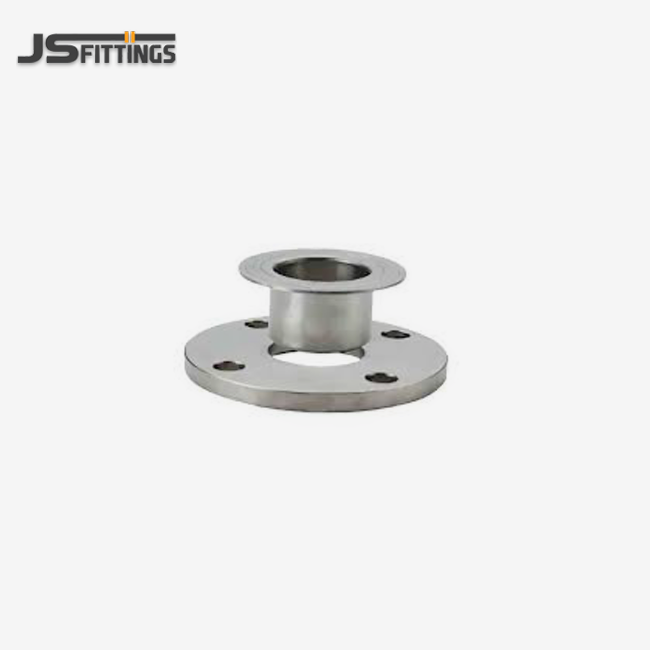
A plate flange is a very important part of a piping system that connects sections of pipeline in low- to medium-pressure situations in many different fields. These flat, round disks fit over the ends of pipes and are welded in place, making strong connections without the bulk of hubbed options. Plate flanges are used in water treatment systems, irrigation networks, municipal infrastructure, maritime installations, and general industrial cooling lines where cost-effectiveness and reliable performance are both important.
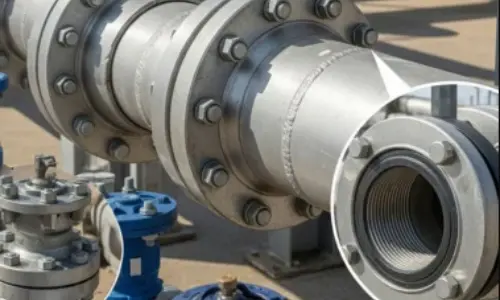
Understanding Plate Flange Design and Construction
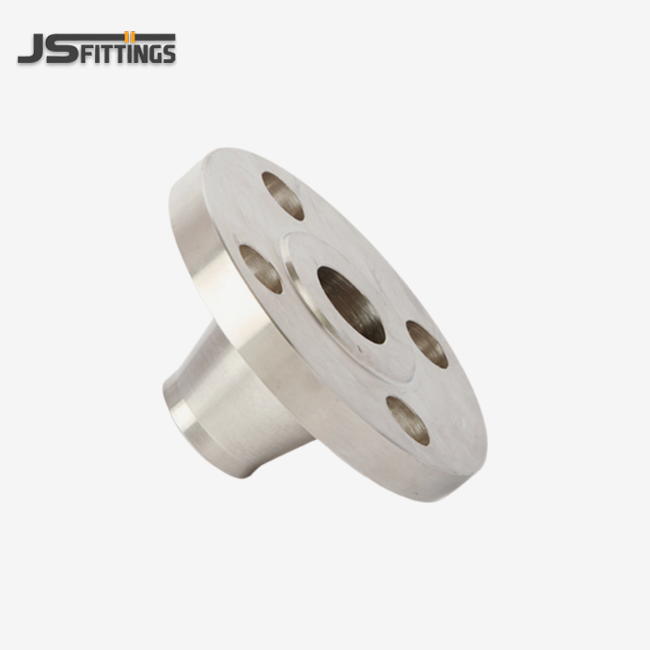
The basic design of a plate flange is based on how simple and useful it is. These parts don't have reinforcing hubs like weld neck flanges do. Instead, they have a flat profile that gets rid of extra material while keeping the structure strong enough to handle the right amount of pressure.
At JS FITTINGS, we utilize precision machining to make sure that the surfaces are perfectly parallel. We use modern machining methods to cut plate flanges from high-quality steel plates. This makes sure that the sealing faces are perfectly aligned. This level of care stops unequal tension from happening when the gasket is compressed, and the bolts are tightened.
Plate flanges are different from weld neck flanges since they do not have a tapered hub and are typically manufactured from steel plates in slip-on style configurations. This feature makes them perfect for installations with limited space, where bigger options can't be used since they don't fit. The double fillet welding method, which happens both inside and outside the pipe bore, makes a strong connection and keeps moisture from getting between the pipe and flange surfaces.
We follow several international standards while making plate flanges, such as EN 1092-1 Type 01, DIN 2573-2576, JIS B2220, and ASME B16.5 dimensional requirements where applicable. Customers can choose the best standard for their project and area needs because of this flexibility.
Primary Industrial Applications of Plate Flanges
Municipal Water Treatment and Distribution Systems
Water treatment facilities represent one of the largest application segments for plate flanges. These installations require reliable connections for large-diameter pipelines carrying potable water, wastewater, and treatment chemicals. The low-pressure environment typical in municipal systems makes plate flanges an economical choice without compromising safety or performance.
Municipal engineers specify plate flanges for pump station connections, filter manifolds, and main distribution lines. The flat design allows easy installation in underground vaults where space constraints limit technician access. Surface treatments like hot-dip galvanizing provide excellent corrosion resistance for submerged or buried applications.
AWWA standards and manuals often reference steel pipe flanges for water main connections, including plate-style flange configurations used in low-pressure systems. Their reliability in static pressure applications, combined with lower material costs, makes them attractive for public infrastructure projects operating under tight budget constraints.
Industrial Cooling and Process Water Lines
Manufacturing facilities utilize plate flanges extensively in cooling tower circuits, process water systems, and general utility lines. These applications typically operate at moderate temperatures and pressures where forged flanges would represent unnecessary expense.
Chemical processing plants install plate flanges on auxiliary cooling circuits, wash-down systems, and fire protection networks. When manufactured from stainless steel 316L, they provide excellent corrosion resistance against mild chemicals and industrial atmospheres. The smooth-bore finish reduces turbulence and pressure drop in high-flow applications.
Power generation facilities rely on plate flanges for circulating water systems, service water networks, and cooling pond connections. The ability to customize bore diameters accommodates non-standard pipe sizes common in retrofit projects or equipment modifications.
Marine and Shipbuilding Applications
The shipbuilding industry likes plate flanges because they are low-profile and light. Ship designers are always under pressure to make the ship as light as possible while still keeping it strong. This is why plate flanges are good for systems that aren't very important.
JIS B2220 slip-on plate flanges (commonly referred to as SOP flanges) are often used in marine cooling water systems, ballast lines, and exhaust gas recirculation circuits. These systems need to be able to handle vibration from ship activities and keep leaks from happening in tough marine conditions.
Offshore platforms use corrosion-resistant plate flanges for cooling systems and firefighting networks that use seawater. The small size is useful in offshore installations where there are a lot of pipes and every square meter is worth a lot of money.
Irrigation and Agricultural Systems
Large-scale irrigation projects benefit from the cost-effectiveness of plate flanges in low-pressure water distribution networks. Agricultural installations often cover vast areas with extensive pipeline networks, making material cost savings significant in overall project economics.
Irrigation pump stations use plate flanges for main header connections and distribution manifolds. The easy alignment characteristics simplify field installation, where skilled welders may be limited. The ability to rotate the flange before welding ensures proper bolt hole alignment without complex fit-up procedures.
Drainage and flood control systems employ plate flanges for gate valve connections and pumping station piping. Their reliable performance in seasonal service applications, combined with corrosion-resistant coatings, provides long-term durability with minimal maintenance requirements.
HVAC and Building Services
Commercial building HVAC systems incorporate plate flanges in chilled water circuits, condenser water lines, and heating system connections. The low-pressure ratings typical in building services align well with plate flange capabilities while providing cost advantages over forged alternatives.
District cooling systems serving multiple buildings often specify plate flanges for distribution network connections. The reduced profile facilitates installation in utility tunnels and mechanical rooms where clearance limitations constrain equipment placement.
Data center cooling systems rely on plate flanges for redundant chilled water circuits. The reliable sealing characteristics prevent water leaks that could damage sensitive electronic equipment, while the cost savings allow budget allocation to other critical cooling components.
Oil and Gas Utility Applications
While high-pressure oil and gas production systems require forged flanges, utility applications within refineries and petrochemical plants often employ plate flanges. These include cooling water circuits, instrument air lines, and nitrogen distribution systems.
Tank farm applications utilize plate flanges for low-pressure vapor recovery systems and tank venting arrangements. The flat design accommodates thermal expansion without creating excessive stress concentrations that could compromise joint integrity.
Pipeline testing and maintenance operations employ temporary plate flanges for isolation and bypass connections. The ease of installation and removal makes them practical for temporary service applications where permanent connections are not required.
Technical Advantages and Performance Benefits
There are a number of technical benefits to plate flanges that make them good for certain uses. Without a hub, there are fewer places where tension can build up, which means less material is needed, and the manufacturing process is less complicated.
Compared to weld neck flanges, which need precise pipe preparation, the slip-over installation method makes it easier to put things together in the field. Before final welding, technicians can move the flange around to get the bolt holes to line up perfectly. This cuts down on installation time and makes the union stronger.
Surface treatments improve performance in places where things corrode. Indoor installations can be protected with yellow anti-rust paint, whereas hot-dip galvanizing is better for outdoor or submerged uses since it is more resistant to rust. Black lacquer finishes are good for coastal areas where saltwater exposure needs extra protection.
The double fillet welding method makes a sealed junction that reduces the risk of crevice corrosion and is strong enough for moderate-pressure applications. This welding setup spreads loads evenly across the junction between the flange and the pipe.
Material Selection and Specifications
The materials used for plate flanges depend on the needs of the application and the environment. For general industrial use, carbon steel grades like A36, S235, and S355 are cheap options. Alloy steel choices are stronger and can handle higher temperatures, making them better for certain uses.
For chemical industrial and maritime conditions, stainless steel grades 304 and 316L are better at resisting corrosion. Choosing the right materials affects both the initial cost and the long-term maintenance needs, so it's important to get the specifications right for the project to be successful.
Choosing a pressure rating depends on how the system works and safety issues. For metric requirements, common ratings are PN6, PN10, PN16, PN25, and PN40. For ASME applications, Class 150 is common. Choosing the right grade makes sure that the equipment works safely and doesn't cost more than it needs to.
Conclusion
Plate flanges are important in industrial settings where reliable and cost-effective connections are needed. They are good for water treatment, irrigation, marine systems, HVAC, and industrial utilities because of how they are made. They aren't the best choice for high-pressure systems, but their low cost, easy installation, and space-saving design make them useful parts of modern piping systems. Choosing the right materials, installing them correctly, and keeping them up will make sure they work well and last a long time.
Frequently Asked Questions
1. What pressure ratings are available for plate flanges?
Plate flanges typically accommodate lower pressure ratings compared to forged alternatives. Common metric ratings include PN6 through PN40, while ASME applications usually specify Class 150. The flat design without hub reinforcement limits maximum pressure capabilities, making them suitable for low to medium-pressure applications.
2. How do plate flanges compare to weld neck flanges in terms of strength?
Weld neck flanges provide superior strength due to their tapered hub design that distributes stress more effectively. Plate flanges offer adequate strength for their intended pressure range but should not be substituted for weld neck flanges in high-pressure or critical applications.
3. What welding procedures are recommended for plate flanges?
Double fillet welding is standard practice, with welds on both the inner and outer diameter of the pipe-flange junction. Controlled heat input prevents distortion of the sealing surface. Post-weld inspection should verify flatness and surface finish meet specification requirements.
4. What surface finishes are available for sealing faces?
Flat face (FF) finishes are standard, while raised face (RF) finishes are available for improved sealing performance, depending on gasket type.
5. How do you prevent warping during installation?
Controlled welding sequences, proper fixturing, and post-weld inspection ensure flatness and prevent distortion.
Choose JS FITTINGS for Your Plate Flange Requirements
JS FITTINGS is a trusted plate flange manufacturer with over 40 years of expertise in precision manufacturing. Our advanced production capabilities deliver consistent quality across all international standards while maintaining competitive pricing for cost-conscious projects. Contact admin@jsfittings.com for technical support and project consultation.
References
1. American Water Works Association. Steel Pipe Flanges for Waterworks Service. AWWA Manual M11, 2019.
2. British Standards Institution. BS EN 1092-1:2018 Flanges and Their Joints.
3. ASME B16.5-2020 Pipe Flanges and Flanged Fittings.
4. JIS B 2220:2012 Steel Pipe Flanges.
5. DIN EN 1092-1:2018 Steel Flanges for General Purposes.
Send Inquiry