Is a 90 or 45 degree elbow better for drain?






2026-03-23 11:55:15
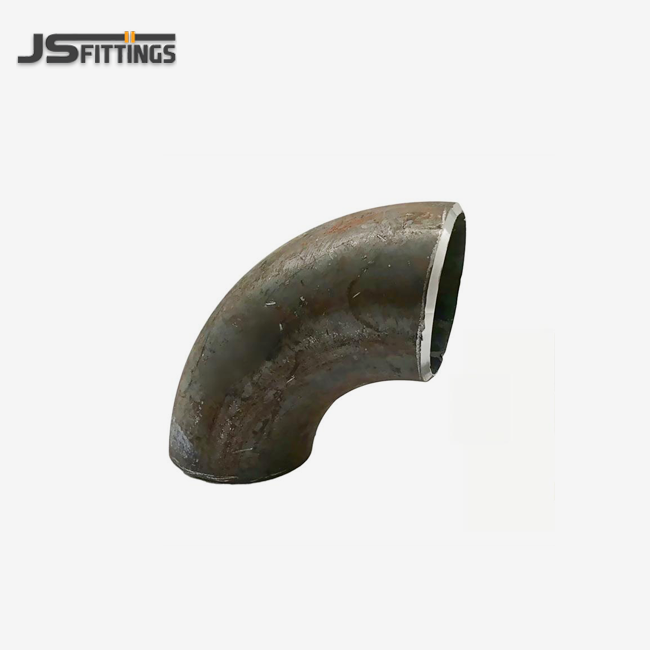
It makes a big difference in how well an industrial drainage system works, how much maintenance it needs, and how much it costs to run in the long run, which elbow you choose (45-degree or 90-degree). The best option for drainage jobs that require quick direction changes in small areas is still a 90-degree buttweld elbow, even though 45-degree elbows offer better flow with less noise. For commercial sewage systems that need to save space and keep the flow under tight control, 90-degree elbows are often preferred due to their compact layout and fast redirection capability. They are compact and can quickly change the direction of the flow.
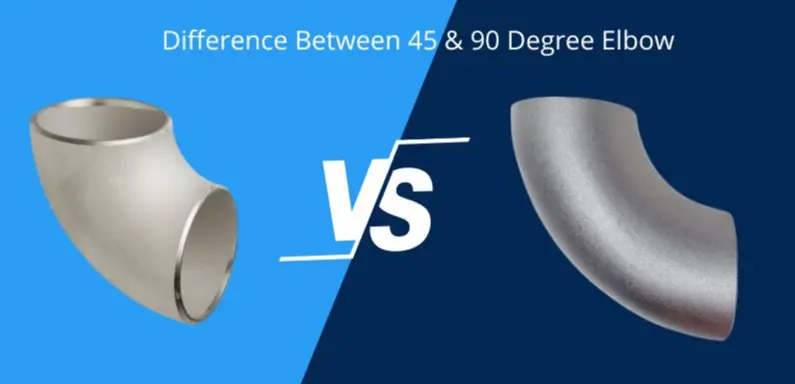
Understanding 90 and 45 Degree Buttweld Elbows for Drainage Systems
It's important that the parts of industrial drainage systems are carefully made so that they can handle changing loads while still letting water flow freely. 90-degree and 45-degree buttweld elbows are both very important in these designs. Standards like ASME B16.9, DIN 2605, and JIS B2312 define their dimensions and performance requirements.
Material Standards and Specifications
Buttweld elbows follow strict standards like ASME B16.9 and ASTM A234 for carbon steel or ASTM A403 for stainless steel. SCH 10 suits low-pressure uses, while SCH 80 is commonly used in higher-pressure drainage systems due to its thicker wall and improved strength. Material choice directly affects corrosion resistance, strength, and system compatibility.
Structural Design Differences
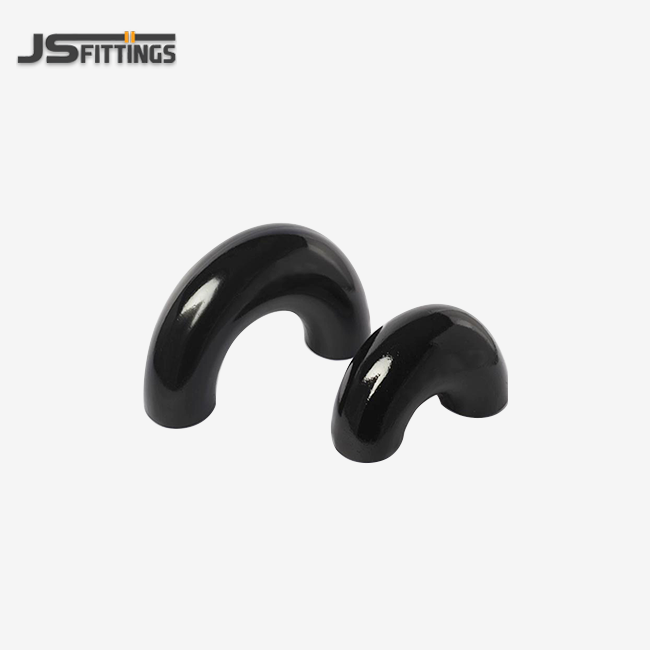
A 45-degree elbow ensures smoother flow, less pressure drop, and lower silt buildup. A 90-degree elbow provides quick redirection in tight spaces. Both maintain steady drainage but suit different spatial and flow needs.
Dimensional Considerations for System Integration
Sizes range from 1/2 to 48 inches for broad industrial use. Exact center-to-face dimensions prevent stress at joints. Long-radius elbows improve flow, while short-radius versions fit compact setups, ensuring proper system integration.
Comparing 90 Degree vs 45 Degree Elbows: Which Is Better for Drain Applications?
Here are some performance factors that will help you choose between elbow angles. These factors will have a direct impact on how well and efficiently the system works. When people who work in buying know about these differences, they can make decisions that are best for the project and take into account the costs over time.
Flow Efficiency and Pressure Loss Analysis
Fluid dynamics principles show that these elbow shapes change the way drainage systems work in very different ways. Most of the time, a 45-degree elbow causes 30–40% less pressure drop than a 90-degree elbow. In other words, less energy is used, and pumping energy requirements are reduced. This is a good thing, but it should be weighed against the fact that 45-degree configurations usually require more installation space because additional pipe sections are needed.
Also, the way fluid flows through these elbows is very different. The bend at a 45-degree elbow is smoother, which makes the flow more even. When used for high-velocity flow, this lowers the risk of erosion and wall shear stress. This trait comes in handy in systems that have to deal with rough slurries or effluents that are full of particles.
Installation Complexity and Space Requirements
Elbows are often picked for industrial sewage systems based on how much room there is. One 90-degree buttweld elbow lets you change the flow direction right away and takes up very little room. This makes it great for adding on to facilities that are already there or setting up small drainage networks. When the flow is changed from one way to another perpendicularly, it doesn't need any extra pipe parts like it would with 45-degree bends.
The amount of trouble varies by design when it comes to installation. To keep stress from building up at the weld joints, 90-degree bends must be perfectly lined up. During the thermal cycle, the quick change in direction can lead to higher mechanical stresses. Because of this, the general system design needs to carefully think about where to put the supports and the expansion joints.
Maintenance Considerations and Longevity
These types of elbows have very different long-term care needs. Flow is smoother around 45-degree turns, so debris is less likely to build up, and it's easier to clean up during normal upkeep tasks. But because 45-degree setups need longer line runs, maintenance and entry may be harder in general.
How long a part lasts is also affected by how the welds are set up. The gradual slope of 45-degree bends spreads heat and mechanical loads more evenly. This could make the service life longer in applications where temperatures change. However, good 90-degree elbows are built to last and, if they are made properly, can take a lot of pressure while still remaining structurally sound over time.
Selecting the Right Buttweld Elbow Material and Type for Drain Applications
What kind of materials are used greatly affects how well a drainage system works because they determine how well the system can handle pressure, prevent rust, and be effective in general. You can pick the best drainage parts for each job by knowing how the qualities of the materials affect their performance.
Carbon Steel vs. Stainless Steel Performance
Carbon steel buttweld elbows are very strong and don't cost a lot of money, so they can be used for non-corrosive drainage applications. The ASTM A234 WPB standard ensures that the mechanical qualities and ability to weld are always the same. This helps make sure that fitting methods used in the field are safe. In neutral pH drainage environments, these elbows work great because corrosion risk is relatively low.
Stainless steel provides superior corrosion resistance, which is important for places that work with chemicals, make food and drinks, and seawater drainage systems. The 316L grade can handle salt better, but 304 stainless steel is strong enough for most industry drainage needs and won't rust. It's often worth the extra money that stainless steel parts cost at first when you think about how much they will cost in repairs and maintenance over time.
Manufacturing Process Impact on Performance
How the butt weld 90-degree elbow is made makes a big difference in how well it works. The grain structure and functional properties of hot-pressed and formed 90-degree butt-weld elbow parts are better than those made in other ways. The even thickness of the walls is made possible by the controlled making process. This is very important at the extrados because the wall gets thinner there naturally as it forms.
Seamless or properly formed elbows reduce the risk of weld-related weak points and improve reliability in high-pressure drainage systems. Because of this, it can be used more reliably for high-pressure drainage systems. Precision production ensures a smooth internal surface, which lowers friction losses and the chance of deposits building up. This makes the system work better in the long run.
Pressure Rating and Design Considerations
When you pick the right pressure number, you make sure that the system works safely within its design limits. You also avoid over-specification, which adds costs to a project for no reason. Pressure classes from SCH 10 to SCH 80 are commonly used for many drainage applications, although higher schedules may be required in high-pressure environments. How thick the wall is is based on the largest working pressure, temperature, and safety factors set by the design rules.
When picking a material, it's important to think about how it will be used because that affects the pressure grade. For uses with higher pressure, it might be worth the extra cost to use alloy steel materials since they are stronger. However, normal carbon steel specs are fine for draining systems that work at normal pressure.
Procurement Guide: How to Buy the Best 90-Degree Buttweld Elbow for Your Drain System?
When it comes to procurement, the best tactics balance the need for quality with the need to save money. They also make sure that supplies arrive on time so that projects cannot be late. You can make the best buying decisions for your project if you know what a provider can do, what certifications they hold, and how the market is changing.
Supplier Evaluation and Certification Requirements
To ensure quality, you must first pick the right providers and confirm that they can do what they say they can do. Companies that have been around for a while have full quality control systems that meet the requirements of ISO 9001. This makes sure that the goods always have the same quality and that the process of making them can be watched. You can be sure of the material's quality and size compliance if it has been certified by a well-known testing lab.
Knowing what problems might happen and how to best fix them can help you figure out what the provider has done with drains used in similar ways before. Having long-term ties with suppliers who know the needs of a certain business can help you get better expert support and make changes to standard goods that don't work for the job.
Understanding Market Pricing and Lead Times
However, butt-welded elbow products are priced and sold a lot by the state of the market. Prices are affected by things like the cost of raw materials, how well production capacity is used, and changes in the global supply chain. To find the best time to buy, you need to keep a close eye on these things. When you work with a number of good suppliers, prices are clear, and the supply line is more stable.
Lead times are very different based on the job's size, the material needed, and the demand at the moment. Wait times for standard sizes in popular metals are usually shorter. However, if you need a large diameter or a metal that isn't used very often, the wait times may be much longer. When shipping times are longer, there are more chances that things will go wrong on time. To lower these risks, plan ahead and establish framework agreements with providers.
Custom Manufacturing Capabilities
Every drainage system is different, so there are times when elbow designs that aren't offered as common items are needed. Reputable companies keep their engineering teams so they can come up with one-of-a-kind solutions that meet specific needs in terms of size, material, or performance. These features come in handy when you want to add new features to an old system or get around some strange room limitations.
Custom making might be possible or not, based on how many orders there are, how hard the changes are to make, and how skilled the maker is, such as for a butt-weld 90-degree elbow. When you work with providers as early as possible in the design process, you can better meet their needs and find ways to save money by changing the design.
Installation and Maintenance Best Practices for 90-Degree Buttweld Elbows in Drainage
Using the right building methods and regular maintenance routines can make sewage system parts last longer and work better. If you stick to the steps, you can be sure the system works well and avoid having to pay a lot of money for fixes or replacements too soon.
Welding Procedures and Quality Control
To properly place a 90-degree buttweld elbow, the first thing you need to do is plan ahead and use the right welding methods. Full weld penetration must be ensured, and there must be no flaws on the bevel ends that could weaken the joint. Preheating needs vary based on the wall thickness and the type of material used. For instance, carbon steel needs to be preheated before welding above a certain width.
You can be sure that the joint will stay together if you check the quality of the weld using the right checking methods. When you look at the weld, you can find flaws on the surface and make sure the shape is right. Instead, x-ray or ultrasound tests find cracks in the metal that could lead to it breaking too soon. These ways of checking are in line with what the project needs and what the code says.
Alignment and Support Considerations
When you're putting something together, making sure it's lined up right keeps stress from building up and breaking it early or making it work less well. All the while, the gap and alignment will stay the same as long as the right alignment tools and parts are used. The support needs to be placed so that it can let the temperature rise without putting too much stress on the elbow.
It's important to think about how changing temperatures will affect drainage systems when you put in expansion joints and sketch out pipe supports. The different rates of growth between pipes and building supports can put a lot of stress on the system if it isn't planned well. A professional engineering study makes sure that the support is put in the right place and that the expansion joints meet all the requirements.
Preventive Maintenance Strategies
Systems work better, and problems are found before they get too bad when they are inspected and fixed on a frequent basis. By looking at the outside, you can see if there are any corrosion signs or technical problems that need to be fixed. There are times when internal checking methods can show patterns of growth or erosion that could mean there are operational issues that need to be fixed.
Corrosion monitoring programs let you know quickly when materials are breaking down in tough conditions. The amount of wear on the wall of a 90-degree buttweld elbow over time can be seen by how thick it is, measured by ultrasound. Repair plans can then be based on real events instead of made-up times. When working with chemicals or in the ocean, where the corrosion rate can change as the job is done, these tools are very helpful.
Conclusion
When picking between 45-degree and 90-degree butt weld elbows for draining, you should carefully consider the flow patterns, the amount of space you have, the materials you will need, and how you will maintain the system over time. In small installation areas, 90-degree butt weld elbow fittings are very useful for rerouting flow in an opposite direction, but 45-degree elbows are more effective and have lower pressure drops. For commercial drainage systems that need to save space and keep flow under tight control, 90-degree elbows are a must. They are strong and can redirect flow quickly. For the best system performance and reliability, good buying strategies stress how important it is to get quality standards from the seller, pick the right materials, and fully understand the needs of the application.
FAQ
1. Can I substitute a 45-degree elbow for a 90-degree elbow in my drainage system design?
It's important to think about the flow and the space you have when you change elbow angles. There needs to be more straight pipe pieces for this to work like a 45-degree curve. This could make fitting harder and take up more space. This trade-off may be worth it if the better flow qualities make dropping the pressure drop useful for operations.
2. What criteria should I use when choosing between seamless and welded butt weld elbows?
When used with high pressure, seamless elbows are better because they are stronger, and the lengthwise weld doesn't have any places where it could fail. Welded choices are less expensive when normal pressure is used, and the efficiency benefits of seamless construction don't make up for the extra cost. This pick should be based on the pressure, temperature, and application criticality of the job.
3. How do pressure ratings influence elbow selection for drainage systems?
There must be a difference between the pressure numbers and the system's highest working pressure. Under the rules for planning, there must be safety gaps. Parts that aren't specified well enough are dangerous and don't meet code requirements, while parts that are too specifically described cost more than they need to. The best pressure number is picked by looking at how the machine actually works and the safety standards. This can only be done by having a good engineering analysis.
Partner with JS FITTINGS for Premium 90 Degree Buttweld Elbow Solutions
Your go-to 90-degree butt-weld elbow manufacturer is JS FITTINGS, which has been in business for over 40 years and has a proven track record in industrial drainage applications. The full quality management system we use, which meets ISO 9001 standards, makes sure that our goods always meet ASME B16.9, DIN, and JIS quality standards. We offer reliable products that lower project risk and ensure compliance with the tightest standards. We can make more than 800 tons per month and work with major energy companies like NIOC and ADNOC. To meet the needs of your drainage system, our skilled engineering team can come up with options from DN15 to DN2000. We have good shipping times and low prices. Get in touch with us at admin@jsfittings.com to talk about your specific needs and see for yourself why we have a 98% customer return rate.
References
1. American Society of Mechanical Engineers. "Process Piping Design and Engineering Guidelines for Buttweld Fittings in Industrial Applications." ASME B31.3 Process Piping Standard, 2023 Edition.
2. International Association of Plumbing and Mechanical Officials. "Drainage System Optimization: Elbow Selection Criteria for Industrial Facilities." Technical Standards Manual, 2022.
3. National Institute of Standards and Technology. "Flow Characteristics and Pressure Loss Analysis in Piping Elbow Configurations." Engineering Research Publication, 2023.
4. American Institute of Chemical Engineers (AIChE). "Material Selection Guidelines for Corrosive Drainage Environments in Process Industries." Industry Best Practices Manual, 2022.
5. American Water Works Association. "Hydraulic Design Principles for Municipal and Industrial Drainage Systems." Technical Guidelines, 2023.
6. Institute of Industrial and Systems Engineers (IISE). "Lifecycle Cost Analysis for Piping Component Selection in Manufacturing Facilities." Economic Assessment Report, 2022.
Send Inquiry