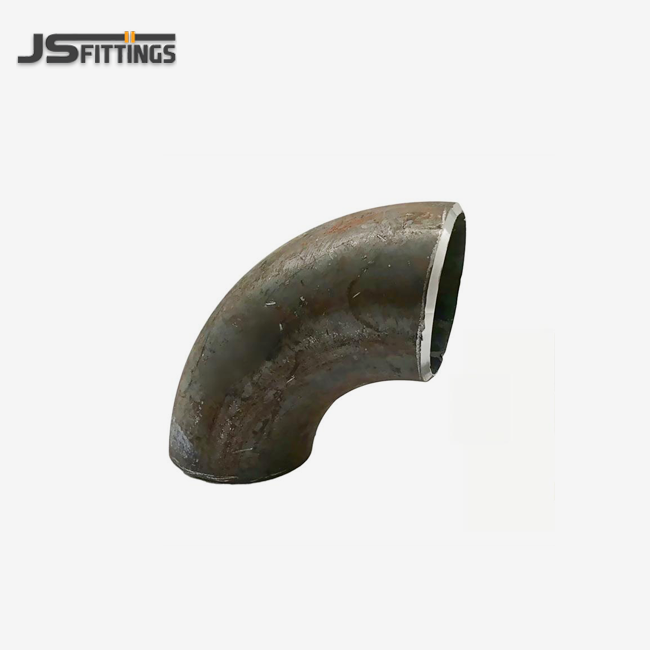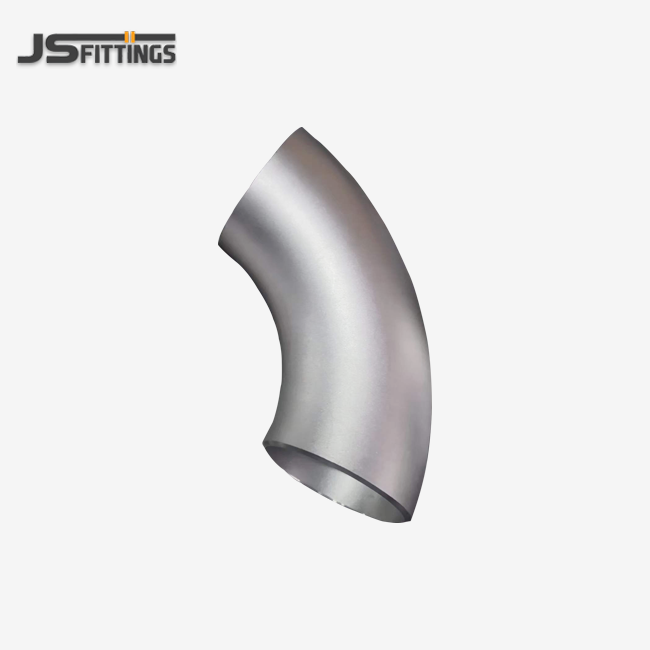
How are stainless steel butt weld fittings measured?






2026-03-23 11:55:55
International guidelines set specific dimensions for measuring stainless steel butt weld fittings. These dimensions are mostly the outside diameter (OD), the inside diameter (ID), the wall thickness, and the pipe schedule. These exact readings make sure that the welds are aligned correctly and keep the structural integrity of important pipe systems. Accurate measurement procedures make sure that new pipelines will work with the ones that are already there, and they also meet strict safety and performance standards in a wide range of industry settings.
Introduction
This comprehensive guide talks about stainless steel welded pipe fittings, which are important components in industrial piping systems across many industries around the world. It is still important to use accurate measurements during the buying and installation processes to make sure that everything fits right, works well, and meets strict industry standards. As a company that has been making things since 1983, we offer high-quality, precisely measured welded parts that meet international standards such as ASME B16.9, ASTM A403, and EN 10253.
In modern industrial environments, it is impossible to overstate the importance of accurate measurements. Accurate measurements have a direct effect on the success of projects, the safety of operations, and the long-term performance, no matter if you're in charge of petroleum sites, pharmaceutical manufacturing systems, or offshore energy projects. This detailed summary helps global B2B procurement teams understand the most important measurement elements so they can make smart buying choices that lower project risks and make sure they follow all regulations.
Understanding Stainless Steel Butt Weld Fittings Measurement Basics
Stainless steel welded pipe components connect pipeline sections through fusion welding processes, creating secure, leak-free joints widely utilized in chemical, petrochemical, and food processing industries. These permanent connections offer superior strength characteristics compared to threaded or mechanical joining methods, making them ideal for high-pressure and high-temperature applications where system integrity remains paramount.
Essential Measurement Standards and Specifications
Key measuring standards, such as ANSI, ASME, ISO, and EN, set the requirements for dimensions and tolerances. This makes sure that all global supply lines can work together and that quality standards are always met. The ASME B16.9 standard gives detailed instructions on how to measure welded fittings like elbows, tees, reducers, and caps ranging from 1/2 inch to 48 inches in NPS. These standards set important parameters, like the distance from the center to the end of elbows, the general lengths of reducers, and the minimum wall thickness needed for different pressure values.
The ASTM A403 material specs for stainless steel grades ensure that the material's chemical composition and mechanical properties meet the highest standards in the business. Some common grades are 304/304L, which is used for general purposes, and 316/316L, which is better at resisting corrosion in chemical or saltwater settings. Because different grades have different temperature expansion coefficients and mechanical qualities that affect how stable their dimensions are during use, they need to be measured in different ways.
Impact on B2B Procurement Decisions
Understanding these basic measurement rules is very helpful for business buyers because accurate dimension control ensures that butt weld fittings maintain system integrity and meet operational and legal requirements. Making sure that measurements are correct cuts down on problems during installation, shortens project downtime, and makes sure that the new system works with the old one. Standardized measurement procedures make sure that quality is the same across all suppliers and production regions, so procurement teams can be sure when they say what they need.
Dimensional Analysis of Stainless Steel Butt Weld Fittings
Outside diameter (OD), inside diameter (ID), wall thickness, and pipe standard classifications are some of the most important measurements for stainless steel welded parts. These all affect how well they fit and work. These factors work together to make sure that the piping system has the right flow properties, structural stability, and compatibility for welding. Engineers and procurement workers can choose the right parts for different uses when they understand these connections.
Primary Dimensional Parameters
To make sure the joint is properly prepared and welded, the outside diameter measurements must match the specs for the joining pipe. Standard pipe widths are based on NPS (Nominal Pipe Size) categories, and the outside diameters stay the same for all wall thicknesses. Changes in wall thickness, shown by schedule numbers (SCH 10, SCH 40, SCH 80), have a direct effect on the flow areas and pressure-handling capacity inside the structure.
The center-to-end sizes of elbows are different for each radius type. Fittings with a long radius make flow changes smoother than those with a short radius. These changes in size have a big effect on how to calculate pressure drop and flow turbulence in systems with a lot of pipes. To make sure that the header and branch pipes are lined up correctly during installation, tee fittings need the exact lengths of the branch connections.
Fitting-Specific Measurement Considerations
There are a lot of small differences in how to measure different types of fittings, like elbows, tees, reducers, and caps. Concentric reducers keep the centerlines of pipes of different sizes aligned, while eccentric reducers move the centerlines out of alignment to stop air pockets from forming in straight runs. Because of these physical differences, there are specific ways to measure things to make sure they are made correctly and can be installed without any problems.
Understanding dimensional relationships and using the right alignment tolerances are still important for smooth welding and getting the most out of your pipeline. To keep installation problems and stress buildup from happening, elbows must stay within certain angular standards. Accurate dimensional analysis makes sure that the new system will work with current pipe systems and cuts down on the need for expensive repairs, which can have a big effect on project plans and budgets.
Material Specifications and Their Impact on Measurement
Choosing the right material grade, especially popular types of stainless steel 304 and 316, has a direct effect on the mechanical properties and measurement needs during the whole production process. These mechanical properties affect dimensional stability during production, heat treatment, and use in operations. When procurement teams understand these connections, they can choose the right products while still meeting the standards for dimensional accuracy.
Metallurgical Factors Affecting Dimensions
Changing the makeup of stainless steel changes how fast it expands when the temperature changes, which changes how big something is when the temperature changes. Because it contains molybdenum, grade 316 stainless steel expands differently from grade 304 stainless steel. This means that measurement methods need to be changed during quality inspection processes. When the temperature is high, these material-specific issues become very important because physical stability has a direct effect on how well the system works.
The end dimensions and tolerances are affected by manufacturing processes such as hot forming, cold working, and stress relief operations. Advanced CNC cutting makes sure that the bevel ends are always prepared according to ASME B16.25 standards, which makes field welding more reliable. Our precise beveling processes keep angular errors within ±2 degrees, which makes sure that contractor assembly teams have the best tools for preparing weld joints.
Quality Control and Measurement Verification
Different thicknesses and tolerances of the material have a direct effect on the accuracy of the dimensions, which in turn affects the quality of the welding and the long-term performance of the system. This is particularly important for the butt weld fittings catalog, where precise dimensions are critical. Non-destructive testing methods, such as ultrasonic thickness measuring and dimensional checking, make sure that the product meets the requirements. Our strict quality control methods include ultrasonic testing (UT) and dye penetrant testing (PT) to detect internal or surface defects that might affect dimensional stability.
B2B buyers still need to make sure that sellers follow widely known material and quality standards to make sure they deliver accurate, long-lasting butt weld fittings that can be used in certain industries. It is possible to track materials from Tier-1 steel mills all the way through to the final product delivery with mill test certificates (MTC 3.1). These certificates show the full chemical makeup and mechanical properties of the material.
Comparing Measurement Approaches for Butt Weld vs. Other Fitting Types
Measurement methodologies differ significantly between welded, socket-weld, and threaded fitting designs due to their varying joint configurations and tolerance requirements. Each connection type presents unique dimensional challenges and verification procedures that impact procurement decisions and installation planning. Understanding these differences enables informed specification choices based on application requirements and installation constraints.
Joint Design Impact on Measurement Protocols
Butt weld fittings require precise end preparation with specific bevel angles and land dimensions to ensure proper weld penetration and joint strength. Socket weld fittings incorporate machined recesses that accommodate pipe insertion, requiring different dimensional verification procedures focused on bore diameters and insertion depths. Threaded connections rely on thread pitch accuracy and engagement length measurements rather than welding preparation geometry.
When choosing between seamless and welded fitting construction, there are extra measurements to think about when it comes to making sure the structure is consistent and the dimensions are all the same. Because the grains are all the same, seamless fittings usually have better physical stability than welded ones. Welded fittings may need extra checks to make sure the seam weld is solid, and the dimensions are the same all over the weld zone. These differences in how the goods are made affect the quality control steps and acceptance standards used during the incoming checking processes.
High-Pressure and High-Temperature Applications
Fittings designed for high-pressure and high-temperature environments demand specialized dimensional verification procedures to maintain safety and performance standards. For high-pressure applications, more precise wall thickness and stress measurements are required to prevent system failure under operating conditions.
Our improved hot-mandrel and cold-forming methods keep the wall thickness more consistent, particularly at the elbow intrados and extrados areas, where stress tends to build up. These ways of making things make sure that the material is spread out evenly and that the sizes stay within the tolerances set by ASME B16.9. This level of accuracy is very important in high-pressure situations where differences in size can cause things to fail early or cause safety issues.
Practical Guide: How to Measure Stainless Steel Butt Weld Fittings Correctly?
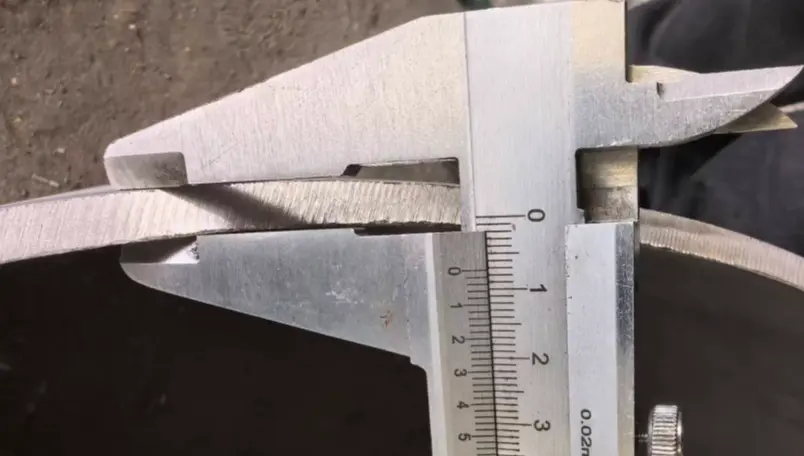
Precision measurement requires appropriate instrumentation, including calipers, micrometers, and ultrasonic thickness gauges, to obtain reliable dimensional data. Professional measurement protocols ensure repeatability and accuracy while minimizing human error factors that could compromise quality verification processes. Proper tool selection and calibration remain fundamental to achieving consistent measurement results across different operators and inspection stations.
Essential Measurement Tools and Techniques
Digital calipers can measure outside diameters accurately to 0.001 inches, which is good enough for most normal dimensional proof needs. Micrometer measurements are more accurate for finding out how thick a wall is. This is especially important for thin-wall uses where accuracy in measurements directly affects the structure's strength. Ultrasonic thickness gauges let you measure the thickness of a wall without damaging the fitting surface.
Go/no-go gauges quickly check that dimensions are correct in high-volume production settings while keeping quality standards high. These specialized tools cut down on the time it takes to measure while still making sure that the accuracy of the measurements meets certain tolerances. Coordinate measuring machines (CMM) can measure everything about complicated shapes, including center-to-end dimensions to the angles of elbows and tees.
Systematic Measurement Procedures
A methodical way of measuring starts with getting the fitting ready, which includes cleaning the surface and finding measurement points. Using standard inspection forms to accurately record key measurements makes sure that all the paperwork needed for quality control and customer verification is complete. Cross-checking results from different measurement methods gives you faith in the accuracy of the dimensions and finds any possible measurement mistakes, particularly for butt weld fitting wholesale in China.
When measuring, temperature correction is very important because thermal expansion changes the measurements. A standard measurement temperature of 68°F (20°C) provides baseline reference conditions, with correction factors applied for measurements taken at different ambient temperatures. Our advanced quality control procedures incorporate temperature-controlled measurement environments to ensure consistent and accurate dimensional verification.
Common Measurement Pitfalls and Prevention
When sourcing and quality testing teams know about common measurement mistakes, they can avoid making mistakes that could affect the fit or performance of important piping systems. A big reason for measurement errors is tools that aren't calibrated correctly, so they need to be checked regularly against approved reference standards. Surface contamination or rust that affects contact points can cause measurement errors if the surface is not properly prepared.
Differences in how the measurements are taken are caused by differences in the operator's method. This is especially true when handheld devices need to be placed and read by hand. Standardized measurement methods with picture references make sure that different inspection staff use the same technique. Regular training programs help maintain measurement competency while teaching them new methods and how to use new tools.
Conclusion
Accurate measurement of stainless steel welded pipe components remains fundamental to successful industrial piping projects across diverse applications. Understanding dimensional requirements, measurement standards, and verification procedures enables procurement teams to make informed decisions while ensuring system integrity and compliance with international specifications. Proper measurement protocols minimize installation issues, reduce project costs, and guarantee long-term operational reliability. As industrial systems become increasingly complex and demanding, precision measurement continues to serve as the foundation for safe, efficient, and cost-effective piping solutions that meet evolving industry requirements.
FAQ
1. How do I verify fitting dimensions during incoming inspection?
Check the dimensions of the fittings using precise measuring tools, such as digital calipers for the outside diameter, micrometers for the wall thickness, and special gauges for the center-to-end measurements. Check the numbers against the plans that came with the product and any relevant standards, like ASME B16.9. Keep track of all measurements by writing them down on standard inspection forms and keeping accurate records of calibration.
2. Which standards should suppliers comply with for measurement accuracy?
For size standards, suppliers should follow ASME B16.9, ASTM A403 for material details, and ASME B16.25 for getting the welding end ready. Depending on the area and the needs of the project, other standards, such as ISO 3419 (for steel butt-welding fittings) and EN 10253, may also apply. Check the supplier's certifications and quality control methods to make sure that measurements remain accurate and traceable.
3. How do measurement methods vary by fitting size or type?
Because of their size and how they need to be handled, larger diameter parts need special measuring tools. Fittings with a diameter less than 2 inches may have different accuracy requirements than fittings with a diameter greater than 2 inches. When measuring an elbow, the focus is on center-to-end dimensions and confirming the radius. When measuring a reducer, the focus is on accurate diameter transition and concentricity. Different types of fittings need different ways to measure them based on their shape and how they are supposed to work.
Contact JS FITTINGS for Premium Butt Weld Fitting Solutions
JS FITTINGS delivers precision-engineered stainless steel butt weld fittings manufactured to exacting international standards with over 40 years of industry expertise. Our advanced CNC machining capabilities ensure dimensional accuracy within ASME B16.9 specifications while maintaining competitive pricing for bulk procurement requirements. We source materials exclusively from Tier-1 mills, including Baosteel and Tsingshan, providing complete traceability through Mill Test Certificates (MTC 3.1) for every shipment. Contact our skilled technical team at admin@jsfittings.com to discuss your specific project requirements and discover why leading EPC contractors and distributors choose JS FITTINGS as their trusted butt weld fittings supplier for critical applications worldwide.
References
1. American Society of Mechanical Engineers. "ASME B16.9-2018: Factory-Made Wrought Buttwelding Fittings." ASME International Standards Committee, 2018.
2. ASTM International. "ASTM A403/A403M-19: Standard Specification for Wrought Austenitic Stainless Steel Piping Fittings." ASTM Committee A01 on Steel, Stainless Steel and Related Alloys, 2019.
3. European Committee for Standardization. "EN 10253-4:2008: Butt-welding Pipe Fittings - Part 4: Wrought Austenitic and Austenitic-Ferritic Stainless Steels with Specific Inspection Requirements." CEN Technical Committee, 2008.
4. Manufacturers Standardization Society. "MSS SP-75-2018: Specification for High Test Wrought Butt Welding Fittings." MSS Standards Practice Committee, 2018.
5. International Organization for Standardization. "ISO 3419:1994: Non-alloy and Alloy Steel Butt-welding Fittings." ISO Technical Committee TC 5, 1994.
6. American Society of Mechanical Engineers. "ASME B16.25-2017: Buttwelding Ends." ASME B16 Committee on Valves, Flanges, Fittings, and Gaskets, 2017.
Send Inquiry
_1775030068227.webp "ASTM A105 Weld Neck Flange")