
How to Install an RTJ Blind Flange Correctly and Safely






2026-11-19 11:09:10
To install an RTJ blind flange correctly and safely, start by confirming the flange standard, pressure class, and groove type. Next, isolate and depressurize the line, clean the ring groove, and seat a new, compatible ring gasket. Align the flanges without force, start the bolts by hand, and tighten them in a star pattern over several passes. Use the torque or tension from your approved procedure. Finally, inspect the joint, record the results, and run the project pressure test while everyone stays clear of the line of fire. Each step protects the metal-to-metal seal and the people around it.
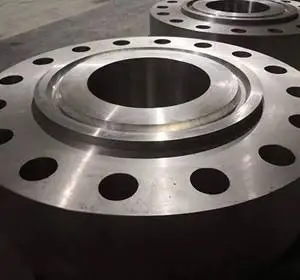
Confirm the RTJ Blind Flange Specification and Gasket Before Installation
Check the Standard, Size, and Pressure Class
Selecting the wrong flange specification can lead to costly installation problems. Don't just check the nominal size; also verify the piping system's design requirements. ASME B16.5 covers NPS 1/2 to 24. ASME B16.47 Series A and B cover NPS 26 through NPS 60. Now, match the flange's pressure class, bolt-hole pattern, thickness, and facing with the facing that fits it. We have ASME Class 150, 300, 600, 900, 1500, and 2500 blind flanges for sale. Sizes run from NPS 1/2 to NPS 60. When we make our goods, we stick to ASME B16.5, ASME B16.47, MSS SP-44, DIN, and EN 1092-1. Review the process medium, the pressure that was planned, and the temperature all at the same time.
Verify Material, Markings, and Traceability
Because a blind flange has no bore, it must withstand the full pressure-induced end load acting on the flange. Material grade is therefore particularly important. Check the flange markings against the purchase order and material test certificate, including the pressure class, manufacturer, material grade, heat number, and applicable standard. Check the heat number against the mill test certificate before the flange leaves the building. NACE MR0175/ISO 15156 specifies material requirements for sour-service applications, including hardness restrictions for certain materials and conditions. The applicable hardness limit depends on the material grade, product form, and service requirements, so it should be verified against the relevant standard and project specification. In our business, we use spectral scanners to check the chemistry and flaw detection tools to look for problems. When people buy important goods or send them abroad, they should make sure that each package has records that can be used to track it.
Match the R, RX, or BX Ring Gasket to the Groove
The ring gasket has to fit perfectly in the groove so it can seal. Make sure the ring is an R, RX, or BX by checking the number and type of the ring. Don't switch the types unless engineering says it's okay. Most new RTJ blind flanges commonly feature flat-bottomed grooves designed for compatible ring gaskets. Type R ring gaskets are available in oval and octagonal cross-sections, while older round-bottomed grooves are designed for oval rings.Per ASME B16.5 and ASME B16.20, both the flange groove sidewall and the octagonal ring gasket bevel are precision-machined to an exact 23° angle (±0.5° tolerance on the groove), ensuring matched conical contact surfaces. Type RX rings are pressure-energized and designed for compatible R-type groove configurations, whereas Type BX rings are designed for API 6BX flanges and are not interchangeable with R or RX rings. The ring gasket should generally be softer than the mating flange material to promote proper seating and minimize damage to the flange groove. The required hardness difference depends on the gasket and flange materials and the applicable standard. Always use a new ring gasket for each installation. During tightening, the metal ring undergoes plastic deformation as it forms the metal-to-metal seal. Reusing a deformed ring may compromise sealing performance and increase the risk of leakage.
Prepare the Work Area and Install the RTJ Blind Flange Step by Step
Isolate the System and Set Up Safety Controls
Before loosening or tightening any bolts, ensure that the work area is safe and the system has been properly isolated. Isolate the line for sure, then drain, vent, purge, and clean it. It is important to use the right tools and follow OSHA 29 CFR 1910.147 for lockout/tagout. Ensure adequate lighting, ventilation, working space, and lifting capacity, as larger RTJ blind flanges can be extremely heavy. Wear appropriate personal protective equipment, including safety glasses, gloves, safety shoes, and flame-resistant clothing when required by the job hazard assessment. Do not use torque or tensioning tools that have not been adjusted. Instead, check the bolts and nuts for damage. Also, verify that the selected lubricant is compatible with the bolting materials and approved assembly procedure. Lubrication affects the relationship between applied torque and bolt preload, so it must remain consistent during tightening.
Align the Flange and Seat the New Ring Gasket
Use suitable lifting equipment to position the blind flange against the mating flange without damaging the bolt holes or sealing surfaces. Support the piping properly to maintain flange alignment. Do not use the bolts to pull misaligned pipes or flanges into position, as this can introduce excessive stress into the joint before tightening is complete. Wipe the groove and the new ring down with a clean cloth. Inspect the groove surfaces for dirt, debris, tool chatter marks, dents, rust, or sharp burrs. If the groove surface is damaged, have it evaluated by qualified personnel to determine whether repair, re-machining, or replacement is required. Put the ring in the groove so that it fits properly. Then, tighten the bolts and nuts with your hands. The same-sized weld neck or slip-on flanges will fit with our blind flanges. They also have the same number of bolt holes.
Tighten the Bolts in a Star Pattern
RTJ flange joints require controlled and uniform bolt loading to achieve proper gasket seating. ASME PCC-1 provides recommended bolt-tightening patterns, including star patterns and progressive tightening passes. The specific tightening sequence and target bolt load should follow the approved engineering procedure for the joint. Do not use a universal torque value, as the required target depends on the bolt material, lubrication, gasket type, flange design, and approved assembly procedure. Monitor flange alignment and face-to-face gap during tightening to ensure uniform joint closure. Uneven bolt loading can cause flange misalignment, improper gasket seating, and damage to the sealing surfaces. You could damage the groove and break the ring if you clamp down too hard on one side. Do not add sealer to the joint if the process does not allow it. When you're done, write down the tool's name and the last values.
Verify the Installation and Avoid Common RTJ Mistakes
Inspect and Document the Joint
After the last pass, look over the joint and write down what you see. Check that the ring gasket remains properly seated and that each stud extends sufficiently beyond the nut in accordance with the project requirements. Also, make sure that the space between the flanges is the same size. Check the torque or tension records. They should have the name of the tool, how it is currently calibrated, the order of tightening, and the final numbers. EPC teams, inspectors, and people who own government projects need these records because they show the steps that were taken. They also help people fix things years later by showing what was done and how it was done.
Pressure Test Without Putting People at Risk
To find the acceptance criteria, test medium, pressure, and hold time, you need to follow the right project steps. The code ASME B31.3 tells us how to test process lines for leaks. An RTJ blind flange is often used to close off the end of a line during hydrostatic testing. This means it needs to be able to handle the full force of the end cap. Gradually increase the test pressure according to the approved procedure, and ensure that all personnel remain outside the designated exclusion zone and away from potential line-of-fire hazards. Before approaching or inspecting the joint, fully depressurize the system and follow the approved procedure for checking and addressing any leakage. Then figure out what went wrong—the type of ring, damage to the grooves, poor alignment, or too much bolt load—and put it back together with a new ring.
Common Mistakes and How to Prevent Them
A few mistakes that were made more than once are usually to blame for failures. Crews use rings that have been used and worn down. They confuse R, RX, and BX rings because the different types can appear similar. They also install gaskets in grooves with scratched or damaged sealing surfaces. They either tighten each bolt individually or use a standard torque number, which causes uneven compression, flange movement, or bolt overstress. Another critical error is using flange bolts or rigging to force misaligned piping into place, which introduces severe residual stress and causes immediate joint leakage. Checking the grooves, selecting a new compatible ring gasket, using properly calibrated tools, and documenting the approved bolt-tightening sequence can help prevent these problems. When you move and store them, keep the groove faces safe. When our flanges leave the plant, they have either a black finish, a yellow anti-rust oil, or hot-dip galvanizing on them.
Compare RTJ Blind Flange Options and Choose the Right Supplier
RTJ Versus Raised Face, Flat Face, and Spectacle Blinds
How the seal is made changes for each face. Raised Face (RF) flanges are widely used in industrial piping applications. Flat Face (FF) flanges are commonly used with full-face gaskets, particularly in applications involving cast iron flanges. Ring Type Joint (RTJ) flanges are commonly used in high-pressure and high-temperature applications, including oil and gas systems. An RTJ flange utilizes a solid metallic ring gasket seated within a precision-machined annular groove. An RTJ blind flange can be removed for inspection, cleaning, or future piping modifications. Unlike a welded pipe cap, which requires cutting and additional welding for removal, a bolted blind flange can be removed by disassembling the bolted joint. For positive pipeline isolation, a spectacle blind or a spade-and-spacer set may be used, depending on the piping design and isolation requirements. The face should be the same on both sides of the joint. If something is wrong, you need to tell your engineer.
JS FITTINGS Blind Flange Capabilities
These are the best things about our blind flanges.
- Pressure containment: Forged is the way we make things because an RTJ blind flange holds the full end-cap force of the pipeline. The forging process can refine the grain structure and improve the mechanical properties of the material when properly controlled. The finished flange must still meet the specified mechanical-property and inspection requirements for its intended service. It comes in ASME Class 150 to 2500 and European PN6 to PN100. It goes from 0.5 NPS to 60 NPS.
- Precision sealing surface: The RTJ groove sealing surfaces should be precision-machined to meet the surface-finish requirements of the applicable flange standard. CNC machining helps achieve dimensional accuracy and a consistent sealing surface while minimizing tool marks that could compromise sealing performance. You can pick a facing type from Raised Face, Flat Face, or Ring Type Joint. You can get tapped blind flanges with threaded NPT or BSP centers for drainage or pressure gauge needs.
- Fit-up and storage protection: Our flanges fit with weld neck or slip-on flanges that are the same size and shape because the bolt holes are very close to each other. This cuts down on the cost of field labor and speeds up installation. Each flange is also given an industrial black lacquer, yellow anti-rust oil, or hot-dip galvanizing to protect it while it is being shipped by sea and stored in a warehouse.
This makes it less likely that leaks, delays, and storage damage will happen.
Build a Clear RFQ and Supplier Checklist
Missing specifications in an RFQ can lead to costly procurement and installation problems. Specify the nominal size, applicable standard, pressure class, RTJ groove and ring type, material grade, design conditions, inspection requirements, quantity, and delivery destination. Next, look at how long their wait times are, how they control dimensions, whether they offer traceability, have certifications, and how they package their goods for sale. This will help you decide which providers to go with. Since 1983, JS FITTINGS has been making pipe fittings and flanges. The company operates a quality management system certified to ISO 9001. Its applicable certifications, conformity documentation, and customer approvals should be verified against the specific requirements of each project. We maintain a client repeat-order rate exceeding 98% and an on-time delivery rate above 95%.We can also make samples and sell small amounts as test runs.
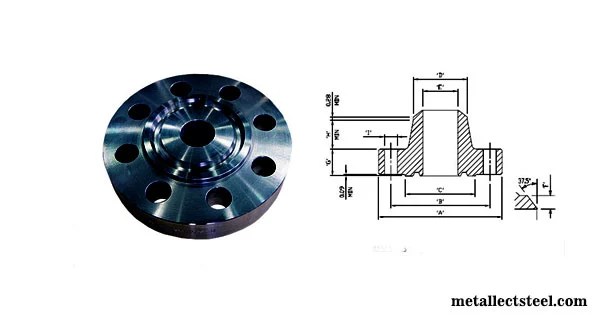
Final Installation Checklist and Quality Support from JS FITTINGS
Before Installation Checklist
Make sure everything is right before the first lift. Check the RTJ blind flange specification and the flange that goes with it, the number and availability of rings, the condition of the grooves, the suitability of the fasteners, the calibrated tools, the torque or tension values that are allowed, and the ways that the parts are lifted. It takes a long time to fix problems like a wrong ring number or a broken groove at the edge. This quick check finds those problems. In your area, builders and EPC contractors can give this list to the crew leader and get them to sign it before the work begins.
During and After Assembly Checklist
During assembly, check flange alignment, proper ring gasket positioning, hand-started bolts, progressive cross-pattern tightening, and the absence of unauthorized coatings or sealants on the sealing surfaces. After putting everything together, write down the final torque or tension, check where the bolts are and how well they fit, and do the allowed pressure or leak test. Check for any abnormal pressure loss or leakage during the approved test. Keep all of the records in the quality file for the project. When these records are kept for checks, tender compliance, and later repair, plant owners are less likely to have to deal with downtime.
Why Supplier Quality Control Supports Safe Installation
The quality of the installed components is critical to joint integrity and operational safety. One way to verify RTJ flange quality is to measure the groove's pitch diameter, width, depth, and other dimensions specified by the applicable standard. The 23° sidewall angle of the groove must be strictly verified using dedicated functional angle gages or CMM to ensure seamless sealing contact with the ring gasket.It also involves checking the hardness, being sure of the material, and making sure the surface is smooth and free of chatter and tool marks. At JS FITTINGS, seven management systems support this process, covering material sourcing, production control, quality inspection, packaging, inventory management, pre-shipment inspection, and after-sales service. Every month, we make 700 tons of flanges, and we can make up to 30,000 tons a year. This means we can also keep distributors and project buyers supplied.
Conclusion
To safely put in an RTJ blind flange, you need to check more than one thing at a time. The flange must comply with the applicable design standard and meet the required pressure class, material specifications, and mating flange dimensions. The ring gasket must match the flange groove type and generally have a lower hardness than the mating flange material. Before assembly, the piping system must be properly isolated and locked out/tagged out (LOTO), the correct tools must be prepared, and the flange groove must be clean and undamaged. Proper flange alignment and progressive tightening in an approved star pattern help ensure uniform joint closure and reliable gasket seating. Tests and inspections are written down and show the outcome. It's easy to avoid most of the things that go wrong, like reusing rings, mixing ring types, broken holes, and uneven bolting. There is less supply risk and longer service life when the RFQ is clear, materials can be tracked, and quality is checked at the plant.
FAQ
1. Can I reuse an RTJ ring gasket?
No. During installation, the soft metal ring undergoes plastic deformation as it forms a metal-to-metal seal against the flange groove. Reusing a previously deformed ring may compromise sealing performance and increase the risk of leakage.
2. How should I tighten the bolts?
Tighten the bolts in several progressive passes using the approved star-pattern sequence and target torque or bolt load specified in the engineering procedure. Monitor flange alignment and joint closure throughout the process to ensure uniform gasket seating.
3. How do I tell R, RX, and BX gaskets apart?
Check the project drawings, flange groove configuration, and ring identification number. R, RX, and BX gaskets are designed for specific flange configurations and must not be interchanged without engineering approval.
4. What details do I need for a custom or high-pressure order?
Tell us the number, the size, the pressure class, the material grade, the standard, the groove or ring type, the working conditions, and where you want the RTJ blind flange sent. The drawings and specs for the project are still the most important sources.
Request an RTJ Blind Flange Quote from JS FITTINGS
Don't know who to trust to make your RTJ blind flanges? JS FITTINGS has been making pipe fittings and flanges since 1983. They use an ISO9001 method and get back to all questions within an hour. Send an email to admin@jsfittings.com with your size, material, ring type, and pressure class. You can find out more as well. We also do small test sales, give away samples, and meet OEM needs.
References
1. ASME B16.5 Pipe Flanges and Flanged Fittings, 2020
2. ASME B16.47 Large Diameter Steel Flanges: NPS 26 Through NPS 60, 2020
3. ASME B16.20 Metallic Gaskets for Pipe Flanges, 2017
4. ASME PCC-1 Guidelines for Pressure Boundary Bolted Flange Joint Assembly, 2019
5. ASME B31.3 Process Piping, 2022
6. ISO 15156 (NACE MR0175) Petroleum and Natural Gas Industries: Materials for Use in H2S-Containing Environments in Oil and Gas Production, 2015
Send Inquiry
You may like
Related Industry Knowledge
- How Are Carbon Steel Welded Pipes Tested?
- API 5L SSAW Spiral Welded Carbon Steel Pipe for Water Transport
- How to Select the Right Plate Flange?
- What are the common problems with the industry carbon steel pipe?
- Blind Carbon Steel Forged Steel Flange for Pipeline Isolation
- Best Buttweld Tee Design for Refinery and Petrochemical Lines
- Benefits of Using A312 stainless steel pipe In Various Industries
- Key Considerations With ANSI Pipe Flanges
- What ANSI Pipe Flanges Are Commonly Applied Today?
- ASTM A105 Carbon Steel Forged Steel Flange Specifications