
Key Considerations With ANSI Pipe Flanges






2026-06-22 11:12:56
For successful acquisition, it is important to understand the details of American National Standards Institute standards when defining flange connections for industrial piping projects. ANSI pipe flanges are high-integrity mechanical joints that are made to strict size and material standards. These standards were first set by ANSI and are now mostly controlled by ASME B16.5 and B16.47. These forged parts solve important operating problems like keeping their shape under high-pressure cycling, compatibility among manufacturers worldwide, and simplifying maintenance without having to make destructive changes to the system. We've been making and providing forged flanges to energy infrastructure around the world for more than forty years, and we know that making the right choice has a big effect on project safety, budget control, and long-term operating reliability.
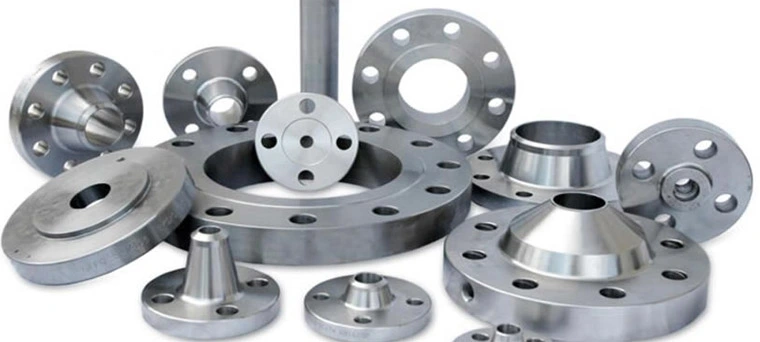
Understanding ANSI Pipe Flanges and Standards
When it comes to industrial pipe systems, connection parts need to work reliably in a wide range of operating conditions. The basis for standardisation set up by ANSI specs makes sure that all global supply chains are reliable and compatible.
What Defines ANSI Pipe Flanges?
These parts are a large group of American standard forged flanges that are used in energy and industry structures around the world. By setting regular size limits, bolt patterns, and material needs, standardisation makes sure that structures are reliable across a wide range of pipeline plans. ASME B16.5 sets the rules for sizes up to 24 inches, and ASME B16.47 sets the rules for sizes 26 to 60 inches in diameter. Pressure levels range from Class 150 to Class 2500, and based on the material used and the working temperature, they can handle pressures of more than 6,000 psi. There are three main types of facing: raised face, flat face, and ring-type joint. Each is best for a certain type of sealing and service conditions.
Core Standards Framework
ASME B16.5 sets the size requirements, pressure-temperature ratings, and material requirements for pipe flanges and flanged fittings. This standard sets the widths of the bolt circles, the thickness of the flanges, and the hub sizes that make sure everything fits perfectly, no matter where the parts came from. The temperature derating curves and the pressure class system are directly related, which gives engineers clear selection criteria based on practical factors. Specifications for materials are based on ASTM standards. The most popular types are A105 carbon steel, A182 F304/F316 stainless steel, and F11/F22 alloy steel. Surface finish standards require exact roughness values, usually 125 to 250 microinches for serrated finishes. This increases gasket friction and stops the seal from blowing out when the pressure changes.
Common Flange Types and Applications
Different types of connections need different flange setups that are best for the fitting method and the structure:
- Weld neck flanges have a long, curved hub that makes the structure stronger by distributing stress more evenly over time. The butt-weld link makes a smooth bore transfer, which lowers the risk of turbulence and pressure loss. When fatigue resistance is important, these flanges work great in high-pressure, high-temperature situations. This is especially true for marine platforms and industrial process units that have to deal with thermal cycles.
- Slip-on flanges are a cheap way to fix problems in low-pressure situations where alignment is more important than final structural strength. The pipe fits into the hub of the flange, and then it is fillet-welded on the inside and outside. These flanges are popular in low-pressure industrial settings and local water systems because they are easy to install and don't cost as much. However, they can't be used in harsh circumstances because they have a limited fatigue strength.
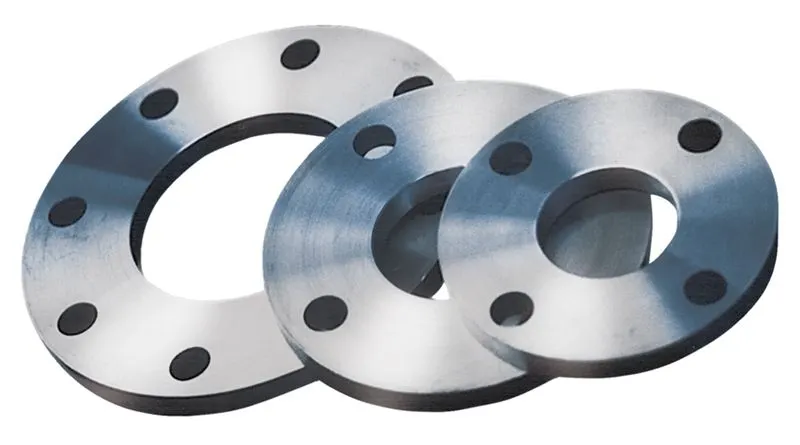
- Blind flanges make it possible for pipe ends or future extension points to be closed securely. By bolting these solid discs to companion flanges, pieces can be kept separate for testing or repair. In chemical processing and power generation plants, they are used to close off tank nozzles, the end of pipelines, and places where inspections can be done.
By knowing these basic differences, buying teams can choose parts that meet performance needs, stay within price, and follow project engineering standards.
Critical Technical Considerations for Forged Flanges
Accuracy in measuring and choosing materials has a direct effect on the safety and soundness of the system. To avoid early failure or expensive over-engineering, technical specs must match working conditions.
Dimensional Accuracy and Measurement
To ensure strict compliance with ANSI/ASME standards, critical dimensions such as the pipe's outside diameter, the bolt circle diameter (BCD), and the flange thickness must be precisely machined. These exact measurements are dictated by standard flange charts, corresponding directly to the nominal pipe size (NPS) and designated pressure class.To make sure the gasket is properly compressed and the load is spread out, the bolt circle width sets the number and spacing of holes. The width of the flange goes up with the pressure class. This gives the structure the rigidity it needs to fight bending moments caused by both internal pressure and external pipe loads. Even small differences in dimensions can make it impossible to properly bolt something together or cause stress clusters that weaken the joint.
Material Selection Impact
Forged carbon steel flanges made to ASTM A105 standards are a cheap option for general service uses that will be exposed to mild rust. Their yield strength and flexibility work well in oil and gas transportation, where temperatures range from low to high and cost-effective carbon steel is used in non-corrosive settings. Stainless steel types F304 and F316 are better at resisting corrosion in chemical processing, food and beverage uses, and marine environments where chloride contact could damage carbon steel. Alloy steel types like F11 and F22 have better creep strength for high-temperature use in petrochemical processing and power production. They keep their mechanical properties above 800°F, where carbon steel loses strength quickly.
ANSI Versus ASME Clarification
A standard name is often hard to understand because of the way words are used in industries. In 1988, ASME took over technical control of the B16.5 standards from ANSI. It is now the governing body. On the other hand, "ANSI pipe flanges" is still a popular term used in trade all over the world. The standards are still the same in terms of how they work, with ASME keeping and changing the technical requirements that were set up by ANSI. For technical accuracy, procurement papers should use either ASME B16.5 or B16.47, but all sellers agree that both names mean the same thing.
Pressure Class Rating System
The pressure class number tells you the highest pressure that can be used at certain levels. As the temperature goes up, the pressure rating decreases. In carbon steel, Class 150 flanges can handle about 285 psi of pressure at room temperature, while Class 600 flanges can handle about 1,440 psi of pressure at the same temperature. For Class 900 and up, the ring-type joint face is commonly specified because metal-to-metal sealing is better at preventing blowouts than soft gasket materials. To choose the right pressure class, you have to look at both the highest working pressure and the temperature at the same time. You can do this by using published tables that show how the strength of materials decreases at high temperatures.
Comparing Forged Flanges to Alternative Standards
Multiple flange standards are common in global projects, so buying teams need to know the limits of interchangeability and the benefits of each standard for a certain application. Comparative analysis keeps systems from making mistakes that cost a lot of money and damage over time.
ANSI Versus API Flange Distinctions
The petroleum and natural gas businesses use flanges that are made to meet API standards. API 6A covers wellhead and Christmas tree tools. API flanges are commonly supplied with ring-type joint facings that are best for high-pressure sour gas service and make fitting easier. Because of changes in size, they can't be directly interchanged with ANSI patterns. This means that when buying tools, specifications need to be carefully looked over. API flanges usually cost more because they have to be tested more carefully and are used in specific situations. On the other hand, ANSI pipe flanges are easier to find and less expensive for general industrial use.
Stainless Steel Versus Carbon Steel Analysis
The choice of material has a big effect on lifetime costs that go beyond the original purchase price. For businesses that don't work in toxic settings, carbon steel flanges and ANSI B16.5 forged flanges are cheaper and easier to get because the materials are widely available. Stainless steel alternatives don't rust in harsh chemical settings, so you don't have to pay for the upkeep of cleaning, coating replacement, and premature failure. The total cost of ownership study needs to look at the installation environment, the expected service life, and how easy it is to do upkeep. Stainless steel is usually a better option for offshore bases and chemical processing units because it lasts longer and needs less upkeep. On the other hand, carbon steel is usually a better choice for onshore hydrocarbon transport because it is cheaper.
Forged Versus Welded Manufacturing
Forging methods change the grain structure in a better way through mechanical deformation, which makes the structure stronger and more resistant to stress than welded construction. Forged flanges have consistent mechanical properties and few flaws on the inside, so they meet strict quality standards for important service uses. Furthermore, when premium forged blanks are CNC-machined, the dimensional accuracy and surface finish are exceptionally consistent across production batches. While plate-rolled welded flanges offer a cheaper alternative for very large diameters, the integrity of their weld seams requires significantly more rigorous non-destructive testing (NDT) to ensure safety.Forged construction is often used in offshore production, high-pressure processes, and power generation because it gets rid of failure modes related to welding.
Procurement Best Practices for Industrial Flanges
A good buying strategy strikes a mix between ensuring quality, lowering costs, and making sure deliveries are on time. Criteria for choosing a supplier have a direct effect on the success of a project and on its long-term operating performance.
Supplier Verification and Certification
Manufacturers with a good reputation keep full quality management systems that are approved to ISO 9001 standards. These systems keep records of how materials are traced, how products are made, and how they are inspected. International approvals, such as CE marking, GOST-R approval, and qualification by major energy companies, show that the product can handle tough situations. Material test records that list the chemical makeup and mechanical properties are necessary for keeping track of each heat lot. Third-party testing services check the accuracy of the dimensions and finish of the surface before shipping. This makes fitting easier and makes sure that the specifications are met.
Pricing Factors and Negotiation Strategy
The main thing that affects price is the choice of material type. Stainless steel costs a lot more than carbon steel options. The cost goes up or down based on the size and pressure class of the flange, the amount of material used, and how hard it is to machine. Volume commitments help makers plan their production schedules and buy materials more efficiently. They also make it possible to arrange discounts for big project amounts. Long-term supply deals keep prices stable and make sure that capacity is allocated evenly during times of high demand. By asking for quotes from makers with proven capacity, you can be sure that the delivery dates you are given are reasonable and not made up by brokers who don't have the production capacity to keep their claims.
Delivery Considerations and Lead Times
Standard stocking items in common sizes and pressure classes usually ship within days from well-known makers who keep strategic stock levels. For manufacturing lead times that range from weeks to months, based on production capacity and material supply, special materials, non-standard facings, or big diameters are needed. These deadlines must be taken into account when planning the project, especially for things that are on the critical path and can cause delays that affect other parts of the schedule. Manufacturers with specific material stockpiles and multiple production lines are more responsive than job shops that have to compete for limited forge capacity. We keep inventory systems that can handle more than 90 containers being shipped every month, and we deliver on time more than 95% of the time. We can also make 800 tons of flanges every month.
Identifying Qualified Manufacturers
Established manufacturers with decades of specialized experience in producing forged carbon steel ANSI B16.5 flanges demonstrate a level of process stability and deep technical know-how that market newcomers simply cannot match.When national oil companies like NIOC, ADNOC, and Petrobras certify someone, it means they can meet strict technical requirements and quality standards. When production capacity is more than 30,000 tonnes per year, it means that the company has invested in infrastructure and is financially stable, which supports long-term supply relationships. A lot of testing tools, like spectral analysers and acoustic flaw detectors, make sure that the materials are correct and the structure is solid.A customer complaint rate of under 0.5% and a repurchase rate exceeding 98% stand as concrete proof of consistent quality and absolute supply chain reliability.
Conclusion
To buy flanges successfully, you need to know a lot about technical specs, the qualities of the material, and what the seller can do. Forged flanges made to ASME B16.5 and B16.47 specs are reliable for industrial piping systems in energy infrastructure, chemical processing, and local services because they have standard sizes and a history of good performance. When choosing between carbon steel, stainless steel, and alloy types, you have to think about how resistant the material is to rust, how strong it needs to be, and how much it costs in each application. Verifying a supplier's certifications, figuring out their capacity, and looking at their performance history all lowers the risk of buying and makes sure that quality delivery is consistent throughout the project and the lifecycle of the facility.
FAQ
1. What distinguishes ANSI from ASME flange standards?
In real-world buying situations, these words can still be used interchangeably. In 1988, responsibility for the standard was transferred from ANSI to ASME. This meant that ASME B16.5 became the technically right specification reference. But "ANSI pipe flanges" are still commonly used in the business. Specifications stay the same no matter what the name is, and manufacturers generally recognise that the two names are interchangeable.
2. When should a ring-type joint facing be specified?
For pressure classes of Class 900 and higher, RTJ facing is commonly specified. For Class 600 uses, it is strongly suggested. Extreme pressure and temperature changes can cause soft gaskets to blow out, but the metal-to-metal seal stays in place better. For important service links, offshore production sites, and high-pressure processing units usually need RTJ facing.
3. Can forged flanges accommodate custom specifications?
Manufacturers who can do a lot of different kinds of machining can handle custom sizes, non-standard bolt patterns, and unique face needs that aren't covered in their catalogues. Custom output needs to be reviewed by engineers, takes longer, and usually costs more per unit. We can make custom specifications from DN15 to DN2000. To meet the unique needs of each project, we use flexible production methods and an experienced technical team.
Partner With JS FITTINGS for Reliable Flange Solutions
As a well-known flange manufacturer with 43 years of experience working on energy infrastructure and industry projects around the world, JS FITTINGS can offer proven knowledge. We make forged ANSI Pipe Flanges out of carbon steel, stainless steel, and alloy steel to meet ASME B16.5 and B16.47 standards. These flanges are available in pressure classes ranging from Class 150 to Class 2500. Our certifications include ISO 9001, CE, GOST-R, and approval by NIOC, ADNOC, and Petrobras. Our steady quality delivery is shown by the fact that we have fewer than 0.5 per percent customer complaints and more than 98 per cent repurchase rates. Email our technical team at admin@jsfittings.com to talk about the needs of your project and get specific quotes for flange supply that will help you meet your buying goals.
References
1. American Society of Mechanical Engineers. (2021). ASME B16.5: Pipe Flanges and Flanged Fittings NPS 1/2 Through NPS 24 Metric/Inch Standard. New York: ASME Press.
2. American Society of Mechanical Engineers. (2020). ASME B16.47: Large Diameter Steel Flanges NPS 26 Through NPS 60 Metric/Inch Standard. New York: ASME Press.
3. Davis, J.R. (2006). Corrosion of Weldments. Materials Park, Ohio: ASM International.
4. Becht, C. (2018). Process Piping: The Complete Guide to ASME B31.3. New York: ASME Press.
5. Nayyar, M.L. (2019). Piping Handbook, Eighth Edition. New York: McGraw-Hill Education.
6. Singh, A. & Kumar, R. (2017). Flange Joint Integrity: Essential Bolted Joint Engineering for Pressure Containment. Houston: Gulf Professional Publishing.
Send Inquiry
_1775029585391.webp "Buttweld Elbow")
Related Industry Knowledge
- How to Inspect Buttweld Elbow Quality Before Installation?
- Sourcing Custom Steel Flange: A Buyer’s Guide to Working with a Manufacturer
- What is the service life of an ASME B16.5 carbon steel flange?
- Carbon Steel Buttweld Reducer Material Standards Explained
- Long Radius Buttweld Elbow vs Short Radius Elbows: Which One to Use?
- Choosing the Right Size Long Radius Buttweld Elbow for Your Project
- Cold Drawn vs Hot Rolled ASTM A312 Seamless Pipe: Key Differences
- Understanding the API 5L Seamless Steel Line Pipe Specification
- FBE Coated Steel Pipe: The Ultimate Guide (Process & Specs)
- Carbon Steel Forged Steel Flange: Class 150 to 2500 Guide