
FBE Coated Steel Pipe: The Ultimate Guide (Process & Specs)






2026-06-15 10:55:36
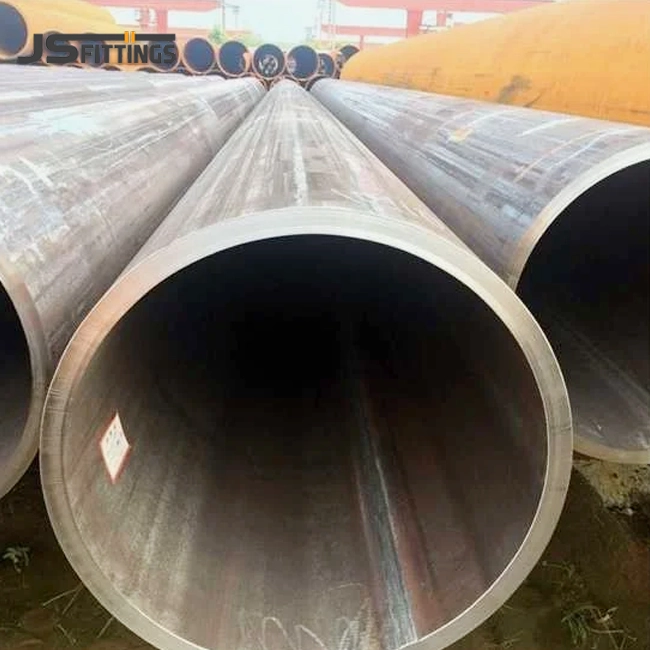
FBE-coated steel pipe is a big step forward in protecting pipelines from rust. This unique anti-corrosion solution uses hot steel surfaces to apply fusion-bonded epoxy powder electrostatically. This makes a shield that can't be broken through by water, chemicals, or soil rust. The FBE layer can significantly extend pipeline service life, with properly designed and maintained systems often achieving service lives of 30 to 50 years or more. It is also compatible with cathodic protection systems. It is made for underground and underwater infrastructure. This layer is recommended by engineers for oil transfer lines, public water systems, and sites in the ocean where failure is not a choice.
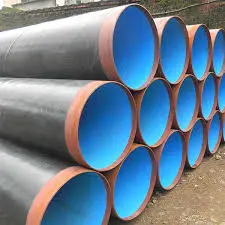
Understanding FBE Coating Technology: What Makes It Different?
Industries lose billions of dollars every year because of downtime, cleaning up the environment, and safety issues caused by pipeline breakdowns. Traditional liquid paints have solvents in them that evaporate, leaving tiny holes where rusting can start. Through a thermochemical joining process, FBE covering gets rid of this weakness completely.
Abrasive blast cleaning is performed on the steel surface to Sa 2.5 or Sa 3 cleanliness levels. This process creates a suitable surface profile, typically around 40 to 75 microns deep, to improve epoxy adhesion. This roughened surface gives the epoxy powder a way to stick to it. The pipe is heated to a temperature typically ranging from approximately 180°C to 250°C depending on the epoxy formulation and coating specification. Electrostatic spray equipment then applies charged epoxy powder onto the heated surface. When these particles come in touch with the hot steel, they melt, run together, and cross-link chemically in a way that can't be undone. This combination makes a picture that is seamless and doesn't have any weak spots.
The finished epoxy is much more chemically resistant to soil acids, alkaline environments, oils, and bacterial colonies than tape wraps or liquid coats. The cured epoxy coating provides high hardness and abrasion resistance while maintaining sufficient flexibility to withstand normal thermal expansion and installation stresses. This mix keeps both chemical attacks and mechanical damage from happening during installation.
The temperature limit is different for each mixture. Between -40°C and 80°C, standard grades work consistently. For hot product lines, high glass transition temperature versions raise this range above 110°C. The coating can withstand repeated freeze-thaw cycles when properly formulated and applied, making it suitable for many cold-region pipeline applications.
The Complete FBE Coating Application Process
Quality starts with surface preparation. Procurement managers should verify blast cleaning standards before coating application begins. Any mill scale, rust, or contamination prevents proper adhesion. Inspectors measure surface profile depth using replica tape to confirm specifications.
Steel preheating follows precise temperature controls. Too cold, and the powder won't melt properly. Too hot, and the epoxy degrades before full cross-linking occurs. Manufacturers maintain controlled heating zones according to the epoxy manufacturer's recommended application temperature range, with temperatures monitored using infrared pyrometers.
Powder application happens in controlled environments. Electrostatic spray guns charge the epoxy particles, which are attracted to the grounded steel pipe. The molten coating flows across the surface, filling microscopic peaks and valleys in the anchor profile. Coating thickness builds to specification—typically 300-600 microns for single-layer applications.
Cooling rates matter significantly. Rapid cooling can induce internal stresses that reduce adhesion. Controlled air cooling allows the cross-linking reaction to complete while gradually reducing temperature. Some facilities use water quenching for specific applications, but this requires careful validation.
Quality inspectors perform holiday detection on 100% of the coated surface. High-voltage DC holiday detection equipment, with voltage levels determined according to coating thickness and applicable standards, identifies pinhole defects. Detached holidays receive immediate repair through manual powder touch-up and localised heating.
Dual-layer FBE coated steel pipe applications add complexity but deliver superior protection. The primary layer focuses on corrosion resistance and adhesion. A secondary layer with different epoxy chemistry provides abrasion resistance during pipeline installation through rocky soil or during horizontal directional drilling operations.
3PE vs FBE: Choosing the Right Protection System
Specifying engineers face a critical decision: standalone FBE or three-layer polythene systems. Both meet stringent international standards, yet each excels in different scenarios.
FBE coating provides excellent adhesion and chemical resistance. Its thin profile (300-600 microns) makes it ideal for pipe threading, groove cutting, and field modifications. The coating maintains compatibility with cathodic protection currents—a non-shielding property that allows CP systems to protect exposed steel at coating holidays or damage points.
Three-layer polythene combines FBE primer, adhesive copolymer, and high-density polythene topcoat. This system delivers exceptional impact resistance and virtually impermeable moisture barriers. The polythene outer layer reaches 2.5-3.5 mm thickness, protecting against construction equipment damage and soil stress.
Installation conditions often determine the choice. Rocky terrain with sharp stones favours 3PE's thick outer layer. Subsea pipelines may benefit from FBE systems in applications where thin coating profiles and temperature resistance are important, although multilayer systems such as 3LPE or 3LPP are also widely used depending on installation conditions. Municipal water systems frequently specify FBE coatings that are certified to NSF/ANSI 61 requirements for potable water contact.
Budget considerations extend beyond initial coating costs. FBE-coated pipe weighs less than 3PE alternatives, reducing transportation expenses. However, 3PE systems may reduce cathodic protection current requirements over the pipeline's lifetime, lowering operational costs.
JS FITTINGS maintains production capabilities for both coating systems, allowing procurement teams to select optimal solutions for specific project requirements rather than accepting one-size-fits-all approaches.
Critical Specifications and Quality Standards
International standards govern every aspect of coated steel pipe production. AWWA C213 defines requirements for FBE coating for water pipelines. CSA Z245.20 establishes Canadian specifications. ISO 21809-1 provides international requirements for three-layer polyethylene and polypropylene pipeline coating systems. Separate standards and specifications are commonly referenced for fusion-bonded epoxy coatings.
Adhesion testing follows applicable coating standards and project specifications. Hot water immersion tests may be performed under specified temperatures and durations to evaluate coating adhesion performance. Coating adhesion is evaluated according to applicable standards, with acceptance criteria defined by the specific coating specification and testing method. Procurement specifications should mandate adhesion testing on production samples, not just qualification batches.
Cathodic disbondment testing reveals long-term performance under operational conditions. Technicians create artificial holidays in the coating, then immerse samples in electrolyte solution while applying cathodic protection current. After 24-48 hours (or 28 days for stringent specifications), inspectors measure how far the coating delaminated from the holiday. Lower disbondment radii indicate superior coating quality and proper surface preparation.
Flexibility testing ensures the coating survives field bending during installation. Specimens undergo bending tests according to the requirements of the applicable coating standard, with acceptance criteria based on coating flexibility and absence of cracking or disbondment.
Film thickness measurements are systematically taken at multiple locations along the pipe using precision magnetic gauges. Rigorous statistical analysis then confirms that the minimum, maximum, and average dry film thickness (DFT) values strictly meet project specifications. Insufficient thickness reduces corrosion protection lifespan. Excessive thickness can indicate poor powder flow or application problems.
Differential scanning calorimetry analyses the degree of cure in production samples. Properly cured FBE demonstrates complete cross-linking with minimal residual exothermic reaction during DSC heating. An incomplete cure reduces chemical resistance and mechanical properties.
Base pipe specifications matter equally. API 5L line pipe grades such as X42 through X70 are commonly used as base materials for FBE-coated transmission pipelines. ASTM A106 Grade B may be used for certain high-temperature piping applications but is not the primary standard for pipeline coating applications. API 5L grades X42 through X70 serve high-pressure transmission lines. Material certifications should accompany every shipment, verifying chemical composition and tensile properties.
Real-World Applications Across Industries
Oil and gas transmission pipelines represent the largest application segment. Transcontinental projects specify FBE-coated steel pipe for buried sections spanning thousands of kilometres. The coating withstands soil compaction forces, moisture exposure, and temperature fluctuations from desert heat to arctic cold. Compatibility with impressed-current cathodic protection systems provides redundant corrosion control.
Offshore platforms and subsea pipelines operate in the harshest environments. Dual-layer FBE configurations improve corrosion protection and abrasion resistance during installation, although additional mechanical protection systems may be required for severe offshore laying conditions. The coating can perform in splash-zone environments when properly specified, although additional UV-resistant protection may be required for long-term above-ground exposure. Marine growth doesn't adhere to the smooth epoxy surface as readily as bare steel.
Municipal water distribution networks increasingly specify FBE coating meeting NSF-61 standards. The coating prevents tuberculation—the rust nodules that restrict flow and harbour bacteria in uncoated iron pipes. Water utilities reduce pumping costs through lower friction losses. The smooth internal surface maintains flow capacity over decades of service.
Natural gas distribution systems supplying residential and commercial customers rely on FBE protection. The coating works synergistically with polythene jacket systems in some applications. Gas utilities prioritise long service life and safety, making proven corrosion protection essential.
Petrochemical facilities use FBE coated steel pipe for process lines, cooling water systems, and firewater networks. The coating resists chemical spills and process fluid exposure that might damage other protection systems. Plant engineers appreciate the ability to field-weld coated pipe, then apply repair coating at weld zones.
Government infrastructure projects specify FBE coating to ensure decades of maintenance-free service. Highway departments protect culverts and drainage systems. Military installations coat fuel distribution lines. These applications demand certified suppliers with documented quality systems and traceability.
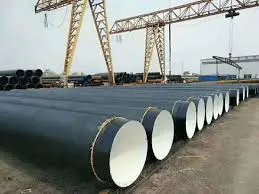
Procurement Best Practices: What Buyers Must Verify?
Successful project execution depends on thorough supplier qualification. EPC contractors face project penalties for material failures, making supplier selection critical. Request mill test certificates documenting base pipe chemistry and mechanical testing. Verify heat numbers match actual pipe shipments.
Coating certifications require equal scrutiny. Demand third-party inspection reports covering adhesion testing, holiday detection, thickness measurements, and cathodic disbondment results. Reputable suppliers provide these documents automatically rather than upon request.
Production capacity matters for project schedules. Can the supplier deliver the required quantities within your timeline? Monthly output capacity exceeding 1,500 tonnes suggests adequate resources. Verify the supplier maintains raw material inventory to avoid delays from powder shortages.
Quality management systems provide confidence in consistent production. ISO 9001 certification demonstrates documented procedures and continuous improvement processes. Suppliers qualified by national oil companies have survived stringent audits of their technical capabilities and quality controls.
Technical support capabilities separate commodity suppliers from true partners. Can the supplier's engineers recommend optimal coating specifications for your soil conditions? Do they understand cathodic protection system integration? Technical expertise prevents costly specification errors.
Properly specifying field-ready end preparation for your FBE coated steel pipes saves massive amounts of installation time and labor costs. Precise, standardized cut-backs leave the exact required length of the pipe ends uncoated, facilitating immediate, defect-free welding upon delivery. Verify cut-back dimensions match your welding procedures before production begins.
Transportation logistics impact total project costs. Suppliers shipping 90+ containers monthly have established freight forwarder relationships and customs clearance expertise. On-time delivery rates above 95% indicate reliable logistics management.
Conclusion
FBE coating technology delivers proven corrosion protection extending pipeline service life beyond 50 years in aggressive environments. The fusion bonding process creates superior adhesion compared to liquid coatings while maintaining compatibility with cathodic protection systems. Successful implementation requires careful attention to surface preparation standards, coating application parameters, and quality verification testing. Procurement decisions should evaluate supplier certifications, production capacity, technical support capabilities, and documented quality systems. Selecting experienced manufacturers with international project credentials minimises risk while ensuring compliance with stringent specifications. As technology continually evolves with advanced powder formulations and precision application techniques, FBE coating firmly secures its position as the absolute gold standard for long-term critical infrastructure protection.
Partner with JS FITTINGS for Certified FBE Coated Steel Pipe Supply
Bringing over four decades of manufacturing excellence, JS FITTINGS stands as your premier manufacturer and trusted supplier of premium FBE coated steel pipes for the most demanding global projects. Our 7,000-square-meter production facility maintains dual coating lines for both FBE and 3PE systems, supported by advanced testing laboratories equipped with spectral analysers and holiday detection systems. We hold active certifications from PETROBRAS, NIOC, and ADNOC—validation of our technical capabilities and quality consistency. With monthly shipments exceeding 90 containers and on-time delivery above 95%, we support EPC contractors, distributors, and industrial end-users who cannot accept project delays. Contact our engineering team at admin@jsfittings.com to discuss your corrosion protection requirements.
References
1. American Water Works Association. (2022). AWWA C213: Fusion-Bonded Epoxy Coating for the Interior and Exterior of Steel Water Pipelines. Denver: AWWA Standards Division.
2. Canadian Standards Association. (2021). CSA Z245.20: External Fusion Bond Epoxy Coating for Steel Pipe. Toronto: CSA Group Publications.
3. NACE International. (2020). NACE RP0394: Application, Performance, and Quality Control of Plant-Applied, Fusion-Bonded Epoxy External Pipe Coating. Houston: NACE Standards Publication.
4. International Organization for Standardization. (2019). ISO 21809-1: Petroleum and Natural Gas Industries — External Coatings for Buried or Submerged Pipelines Used in Pipeline Transportation Systems — Part 1: Polyolefin Coatings (3-Layer PE and 3-Layer PP). Geneva: ISO Standards.
5. American Petroleum Institute. (2021). API Specification 5L: Specification for Line Pipe. Washington D.C.: API Publishing Services.
6. Det Norske Veritas. (2023). Det Norske Veritas. (2010). DNV-RP-F102: Pipeline Field Joint Coating and Repair. Oslo: DNV Standards.
Send Inquiry
_1775030564781.webp "Blind Flange")
Related Industry Knowledge
- What is ASME B16.5: A Guide to ASME B16.5 carbon steel flange
- How to Order Custom Steel Flange
- Carbon Steel Buttweld Reducer Material Standards Explained
- FBE vs 3LPE vs CWC for Underground and Subsea Applications
- Choosing the Right Size Long Radius Buttweld Elbow for Your Project
- What is FBE Coated Steel Pipe?
- What is an API 5L Seamless Steel Line Pipe?
- CRA Clad Pipe vs Mechanically Lined Pipe: Key Differences Explained
- What is seamless carbon steel pipe used for?
- Best Buttweld Elbow Materials for Corrosive Industrial Pipelines