
What is ASME B16.5: A Guide to ASME B16.5 carbon steel flange






2026-07-14 11:17:32
ASME B16.5 carbon steel flanges are forged parts that connect different pieces of equipment or pipe in industrial systems. These flanges provide reliable leak-tight connections in pressurised environments and support process piping systems in refineries, chemical plants, and power plants. They are made from forged carbon steel grades like ASTM A105 and A350 LF2, and they have to meet strict material and size standards for sizes NPS 1/2 to NPS 24 and pressure classes from Class 150 to Class 2500. This makes sure that they work well in a wide range of situations.
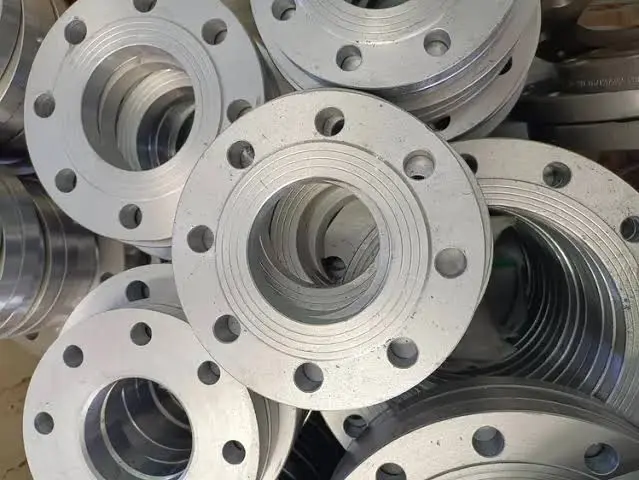
Understanding ASME B16.5 Carbon Steel Flanges
What Does the ASME B16.5 Standard Define?
The ASME B16.5 standard sets out all the rules that pipe flanges and flanged fittings must follow. It covers things like materials, sizes, tolerances, marking rules, and pressure-temperature ratings. This standard eliminates compatibility and connection issues that happen between global suppliers and lowers the risk of catastrophic leaks in high-pressure steam and hydrocarbon lines. ASME B16.5 clears up material compliance confusion and makes sure that products can work together across international markets by connecting pressure containment abilities to specific ASTM material grades and operating temperatures. This framework helps procurement managers choose flanges that meet the safety standards for the project and the needs of the operation.
Core Flange Types and Their Industrial Applications
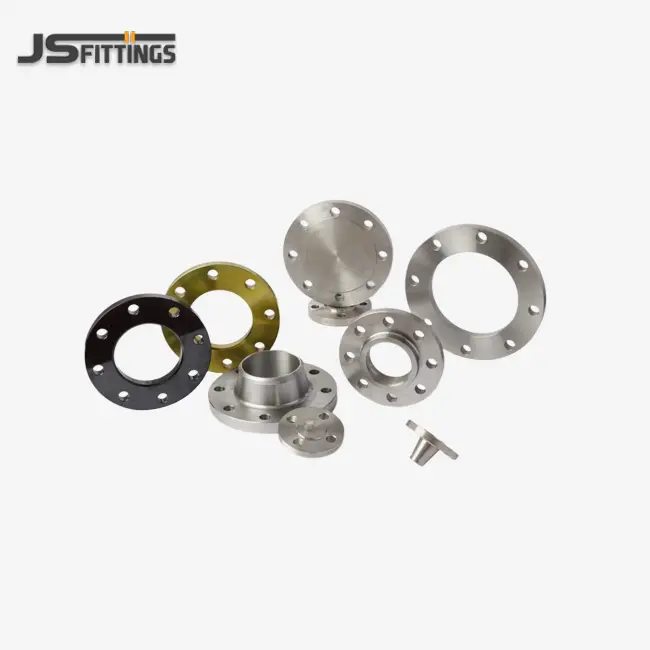
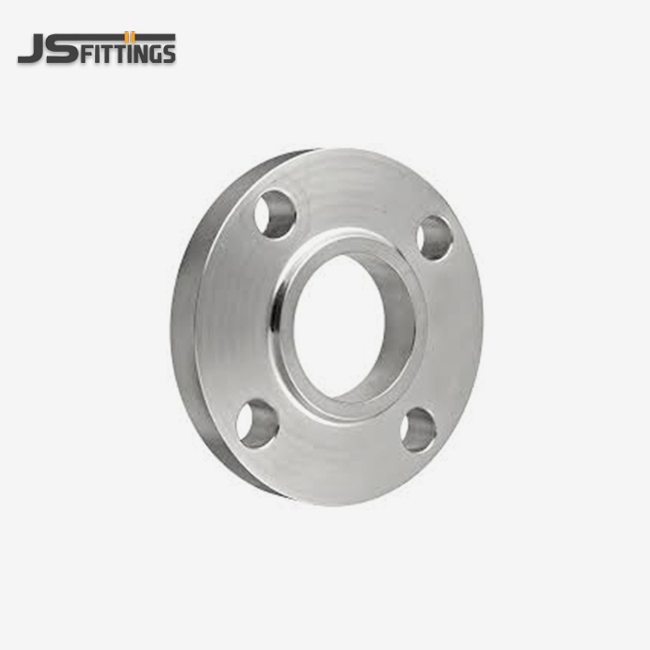
Different types of flanges are used for different kinds of connections. Weld neck flanges with a tapered hub are better at distributing stress in high-pressure situations, like Class 600 steam headers. Slip-on flanges make it easier to install low-pressure water lines, and blind flanges keep the ends of pipes sealed while they are being maintained or tested. Socket weld flanges work well with small-bore pipes in sensor circuits, and lap joint flanges make it easy to line up the parts as they are being put together. Threaded flanges let you link things without welding in places where hot work isn't allowed.
Knowing which style fits the needs of your project will help you avoid costly delays and safety problems. Weld neck types are most common in oil and gas piping systems because they don't break when mechanical vibrations or pressure surges happen. Blind flanges are necessary in petroleum units where the vessels need to be shut off so that they can be inspected or fixed. To choose the right configuration, you need to carefully look at the pressure, temperature, fluid properties, and installation limitations of the system.
Why Forged Construction Matters?
Forging processes eliminate internal voids that could weaken the seal. Forged flanges keep their shape and reduce the risk of micro-cracking that can cause leaks during thermal cycles, which happens a lot in steam systems and hydrocarbon handling. Forging improves mechanical strength compared to casting because the grain flow orientation makes it more resistant to stress and impact loads. CNC-drilled bolt holes and precisely machined faces make it easy to put together on-site quickly and perfectly line up with matching equipment, which cuts down on installation time and labour costs.
Key Dimensions and Material Specifications of ASME B16.5 Carbon Steel Flanges
Pressure Ratings and Temperature Limits
The highest working pressure at different temperatures is shown by pressure classifications like 150#, 300#, 600#, 900#, 1500#, and 2500#. Class 150 carbon steel flanges, such as ASTM A105, can handle up to about 285 psi at 100°F according to ASME B16.5 pressure-temperature ratings and are good for distributing water in general industry settings. Class 600 types can handle high-pressure applications, with pressure ratings depending on the material grade and operating temperature according to ASME B16.5 pressure-temperature tables. This makes them perfect for feedwater lines for thermal power plants. Class 2500 flanges are used for extreme offshore drilling conditions where keeping pressure in check is important for protecting people and the environment.
Each pressure class of ASME B16.5 carbon steel flange has a temperature derating graph that shows how the material's strength decreases at high temperatures. At elevated temperatures, carbon steel strength decreases, and creep considerations may become important depending on the service temperature and design requirements. When engineers are designing something, they need to look at pressure-temperature charts so they don't choose flanges that can't handle the working conditions. This prevents premature component failures and eliminates unplanned downtime.
Material Grades and Mechanical Properties
The most common specification for carbon steel is ASTM A105, which has a good balance of strength, weldability, and cost-effectiveness. The maximum amount of carbon in the chemical composition is 0.35%, and the manganese content is controlled between 0.60% and 1.05%. These limits are set to get the best tensile strength (at least 70,000 psi) and ductility requirements, including at least 30% reduction of area. Controlled hardness (up to 187 HBW) keeps brittle fractures from happening during cold weather startups.
For cryogenic uses like LNG ports and cooling plants, ASTM A350 LF2 gives better low-temperature toughness. Impact tests are performed on this grade at specified low temperatures, commonly including -50°F, depending on the class requirement, to make sure it won't break easily in cold places. The choice of material has a direct effect on the lifetime cost. For example, carbon steel is cheaper for non-corrosive uses with the right coatings and cathodic protection, while stainless steel exhibits superior corrosion resistance in sour gas environments.
Critical Dimensions and Tolerances
Bolt circle diameter, flange thickness, and hub dimensions must all be within very close limits to make sure that the gasket fits properly and the joint lines up correctly. A 6-inch Class 300 weld-neck flange has specified outside diameter, bolt-circle diameter, and thickness dimensions according to ASME B16.5 tables. Deviations beyond ASME B16.5 dimensional tolerances can lead to uneven bolt loading, which may reduce sealing effectiveness. The average arithmetic roughness height (AARH) of the face finish is between 125 and 250. This gives the best gasket sealing performance without damaging soft sealing materials.
Comparing and Choosing the Right ASME B16.5 Carbon Steel Flange
Carbon Steel Versus Stainless Steel Flanges
The choice of material has to take into account how resistant it is to corrosion, how strong it is mechanically, and the cost. Carbon steel flanges are much more cost-effective than stainless steel equivalents in systems that carry dry gases or fresh water and have little to no internal corrosion. On the other hand, grades of stainless steel like 316L can handle chloride-rich environments that are common in coastal desalination plants and offshore platforms. This stops pitting corrosion that can cause huge leaks.
A lifecycle study shows that in fairly corrosive conditions, carbon steel with the right finishes and cathodic protection often has a lower total cost of ownership than stainless steel. Because carbon steel is easier to machine, it takes less time to make custom configurations, which speeds up project schedules. Stainless steel is still the only choice for pharmaceutical and food-grade uses that need clean surfaces, though, because it has a passive oxide layer that stops germs from growing.
Forged Versus Welded Flange Manufacturing
Forged flanges go through compressive shaping, which improves the grain structure and gets rid of any gaps. This makes them more resistant to fatigue under repeated loads. This way of making things works well for important jobs like high-pressure hydrogen reactors and connecting pipelines under the sea, where failure would have very bad results. Fabricated plate flanges, cut from steel plates and welded, are more economical for large-diameter, low-pressure uses like cooling water systems and stormwater piping systems.
Different ways of making things have different inspection needs. Ultrasonic testing is usually done on forged flanges to find flaws below the surface, while radiographic examination of weld joints is needed for welded assemblies. It should be clear in the procurement specifications what kinds of manufacturing methods are allowed based on how important the service is and what the code says.
Facing Types and Sealing Requirements
Most industrial applications utilize Raised Face (RF) configurations, which feature a raised seating surface specified by ASME B16.5 according to flange size and class, which focuses the bolt load on the gasket area. Designs with a flat face (FF) work best for fragile materials like glass-lined equipment, where higher sides could cause cracks. For high temperatures and pressures, API 6A wellhead equipment and high-pressure steam turbines often use Ring Type Joint (RTJ) facings with metal-to-metal seals.
Gasket compatibility determines which facing to use. In hydrocarbon service, spiral wound gaskets work best with RF flanges. In chemical processes, on the other hand, PTFE-lined gaskets need smooth FF surfaces. RTJ flanges have metal rings that are oval or octagonal and bend when the bolt is tightened. This makes a seal that can withstand changes in temperature and pressure that would push regular gaskets out of place.
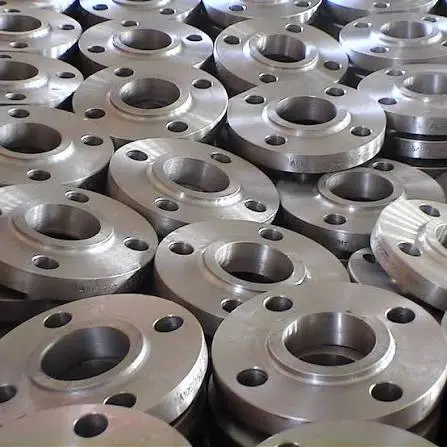
Inspection, Quality, and Certification of ASME B16.5 Carbon Steel Flanges
Non-Destructive Testing Protocols
Visual inspection makes sure that the surface is smooth, that the measurements are correct, and that there are no flaws on the surface like laps, seams, or quench cracks. Using calibrated gauges to check the dimensions ensures they are within the ASME B16.5 tolerance bands, which stops problems with assembly during field installation. Ultrasonic testing finds internal cracks that weaken the structure, especially in forged parts, where even material distribution is very important.
When used after cutting that might create stress concentrations, magnetic particle testing finds surface-breaking cracks in ferromagnetic materials. Pressure containment is verified by hydrostatic testing according to the requirements specified in ASME B16.5. This shows that the weld is solid and the material is strong. These rules keep buyers safe from low-quality goods that could lead to safety problems and project delays.
Essential Certifications for Procurement Transparency
ISO 9001 certification shows that a company is dedicated to quality management systems, which make sure that production methods are uniform and that products can be tracked. CE marking makes sure that European safety rules are followed, which is important for projects that want to sell their goods in the EU. Relevant API certifications or approvals demonstrate compliance with applicable American Petroleum Institute requirements for specific oil and gas applications.
Material Test Reports (MTRs) should be given by manufacturers for each output heat. These reports should list the chemical makeup and mechanical properties of each heat so that raw material sources can be tracked. Compliance with NACE MR0175 requirements demonstrates that materials are suitable for sour service environments, which is very important for sour gas service. Bureau Veritas and Lloyd's Register are two examples of third-party inspection agencies that offer independent checks that help buyers and sellers trust each other.
Documentation Requirements for Global Supply Chains
Having the right paperwork makes it easier to get through customs, follow the rules, and make guaranteed claims. Mill test certificates prove where the material came from and what its properties are, and dimensional inspection reports show that the product meets the requirements that were given. Coating inspection papers show how the surface of corrosion-protected flanges was prepared and how thick the coating is.
Pressure test results, non-destructive testing records, and material traceability documents for ASME B16.5 carbon steel flanges should be included in certificate packages. Heat treatment charts show the normalisation or stress-relieving steps that are taken to improve the material qualities. Having all the necessary paperwork lowers the risk of buying and protects you legally in case of performance issues.
Conclusion
To choose the right ASME B16.5 carbon steel flange, you need to weigh the technical specs, quality certifications, and supplier capabilities. Knowing the pressure levels, material grades, and facing types makes sure that the product meets system standards and follows all regulations. Safety performance and project plans are kept safe by strict inspection methods and detailed documentation. Partnering with qualified makers who have a history of reliable performance, quick response times, and low prices is the key to successful buying and long-term operating dependability.
FAQ
1. Which ASME B16.5 Flange Type is Most Commonly Used?
Weld neck flanges are most often used in critical applications where high structural strength is required, such as high-pressure steam and oil and gas manifold systems. Their tapered hub design does a great job of spreading stress when they are loaded and unloaded many times. Slip-on flanges are often used in low-pressure utility services where ease of installation is more important than structural concerns. In all fields, blind flanges are necessary for keeping things separate during testing and maintenance.
2. How Do I Determine the Correct Pressure Rating?
Look at the ASME B16.5 pressure-temperature charts that match the highest pressure and temperature that your system can handle. Use the safety factors required by the codes, which are usually 1.5x for hydraulic tests. Think about how changes to operations in the future could make the system more demanding. Make sure the grade of the material is compatible with the pressure class you've chosen. Some combinations have temperature derating requirements that must be met. An engineering study should ensure that the chosen ratings are higher than the worst possible working conditions, such as upset conditions.
3. Why Are Certifications Important in Flange Procurement?
Certifications are a factual way to show that materials meet standards, measurements are correct, and the quality of the manufacturing is good. ISO 9001 makes sure that production processes and systems for tracking are always the same. The CE mark proves that a product meets the safety standards for European markets. API certifications show that you follow the rules for the oil industry. Material test records list the chemical makeup and mechanical properties of an item. This lets you compare it to the requirements specified in the standard and protects you from being held responsible if performance problems happen during its service life.
Partner with JS FITTINGS for Certified ASME B16.5 Carbon Steel Flange Supply.
JS FITTINGS has been making high-quality products for over 40 years, and offers approved forged carbon steel flanges that meet the strict needs of global industry projects. Our monthly production of 700 tonnes of flanges and 90 or more container shipments shows that we have the ability to support your biggest building projects. With prequalification approvals from NIOC, ADNOC, and Petrobras, as well as ISO, CE, and GOST-R, we can give your buying team the certification transparency and quality guarantee they need.
Our wide range of products includes all ASME B16.5 configurations, from NPS 1/2 to NPS 24, in pressure classes of 150# to 2500#. They are made from ASTM A105 and A350 LF2 grades, and all of the materials can be traced back to their source. We've built trusting relationships with EPC contractors, distributors, and industrial end users in 30 countries, with a repurchase rate of over 98% and an on-time delivery rate of over 95%. Send an email to admin@jsfittings.com to get quotes, technical advice, and access to our certified ASME B16.5 carbon steel flange inventory that is ready to be shipped to your project site right away.
References
1. American Society of Mechanical Engineers. (2020). ASME B16.5-2020: Pipe Flanges and Flanged Fittings: NPS 1/2 through NPS 24 Metric/Inch Standard. New York: ASME Press.
2. ASTM International. (2019). ASTM A105/A105M-19: Standard Specification for Carbon Steel Forgings for Piping Applications. West Conshohocken: ASTM International.
3. Becht, C. (2018). Process Piping: The Complete Guide to ASME B31.3 (4th ed.). New York: ASME Press.
4. Nayyar, M.L. (2017). Piping Handbook (8th ed.). New York: McGraw-Hill Education.
5. Rao, K.R. (2016). Companion Guide to the ASME Boiler and Pressure Vessel Codes: Volume 1, Fourth Edition. New York: ASME Press.
6. Ellenberger, J.P. (2014). Piping and Pipeline Calculations Manual: Construction, Design Fabrication and Examination (2nd ed.). Oxford: Butterworth-Heinemann.
Send Inquiry
Related Industry Knowledge
- Types of ASTM A105 weld neck flange
- What Is The Difference Between Different Grades Of API 5L Seamless Steel Line Pipe In Performance?
- What is CRA clad pipe?
- How to Select a Buttweld Reducer for Process Piping?
- A105 Carbon Steel Forged Steel Flange for Refinery Piping
- What is a buttweld elbow?
- What is a blind flange used for?
- Carbon Steel Concentric Buttweld Reducer Buying Guide
- Do flanges with threaded holes take stud bolts?
- What is a plate flange used for?