
What Is The Difference Between Different Grades Of API 5L Seamless Steel Line Pipe In Performance?






2026-06-24 11:16:16
It is very important for people who want to buy API 5L seamless steel line pipe to understand how each type works. They have to keep safety, following the rules, budget, and job deadlines all in mind. Their mechanical strength, chemical make-up, and ability to withstand pressure are the major things that make them different. A yield strength of about 35,000 psi for Grade B makes it suitable for general-purpose low- to moderate-pressure applications. Higher yield strengths (42,000 psi to 70,000 psi) are found in grades X42 through X70. These grades are made for high-pressure, long-distance transmission lines. The carbon content control and alloying elements, such as manganese, chromium, and molybdenum, in higher grades are carefully controlled. You can make the steel tougher, weld it better, and make it less likely to crack in sour service environments where hydrogen is present. If you pick the right grade, the project is less likely to fail, rules are followed, and you get the best total cost of ownership over the life of the pipeline.
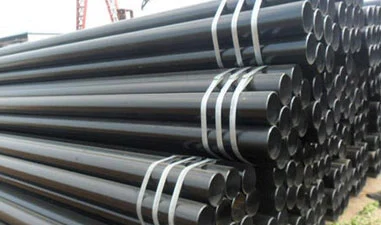
Overview of API 5L Seamless Steel Line Pipe Grades
The exact rules for line pipes used in systems that move oil, gas, and water are set by Specification 5L from the American Petroleum Institute. When this standard is used, API 5L Seamless Steel Line Pipe stands out because it is made by cutting and rolling solid steel billets without joining them along the length. This makes the frame more stable all around and better at handling stress.
The minimum yield strength of seamless pipes, given in pounds per square inch, is used by API 5L to split them into different kinds. Marks that are often seen are Grade B, X42, X46, X52, X60, X65, and X70. These groups show the limits for both the mechanical properties and the chemical make-up that are needed for each job.
Understanding Grade Designations
Grade B serves as the baseline grade. Technically, it specifies a minimum yield strength of 35,000 psi and a minimum tensile strength of 60,000 psi. This workhorse grade provides more than adequate mechanical performance for general-purpose, low-to-moderate pressure pipeline applications.
The "X" series grades, which go from X42 to X70 and even higher, are strong line pipes made for tough jobs. The lowest yield strength is shown by the number after the letter. It is given in pounds per square inch (psi). X52 has a strain strength of 52,000 psi and is commonly used in the transportation of natural gas. It is best to use X60 and X65 for trunk lines that go through rough terrain. With a yield strength of 70,000 psi, X70 can handle systems with very high pressures in cold and salty places.
Chemical Composition and Its Role
The success of each grade depends on how well the controlling parts are used. The amount of carbon in metal affects its strength, but it needs to be kept in check so that it can still be bonded. What you work with gets tougher when manganese is added. Corrosion resistance improves when they have silicon in them. By adding small amounts of chromium, molybdenum, and nickel, you can make it stronger and better at resisting rust.
There are ways to figure out how well a metal will weld using carbon equivalent (CEq) methods. It is less likely that cold cracking will happen during field welding when CEq values are low. This is important for the speed and safety of the joint installation. Sometimes, niobium or vanadium is added to higher-grade pipes to make them harder without adding too much carbon. This means that the pipes can still be welded even when they are very strong.
Procurement experts can make sure that the material specs match the needs of the project if they know about these differences. In this way, they can meet standards like ISO 9001 and get certificates like NACE MR0175 for bad service uses.
Performance Differences Among API 5L Seamless Steel Pipe Grades
The success measures for each grade are very different, which means that they don't work as well for all process uses. The yield and tensile powers of an API 5L seamless steel line pipe show that it can handle internal pressure without forever deforming or breaking. Charpy V-Notch (CVN) impact testing measures how tough something is and how unlikely it is to break easily, especially when it's cold or there's sour gas present. What kind of chemicals are used and how the surface is cleaned can change how long something will last in rough conditions.
Strength and Pressure Capacity
Grade B API 5L Seamless Steel Line Pipe can handle pressures that are good for gas distribution lines in towns and low-pressure crude oil gathering lines because it has a minimum yield strength of 35,000 psi. X42 and X46 give medium-pressure transmission networks small boosts in strength, which is helpful.
Many natural gas lines should be at X52 because it is the best place to be in terms of cost and efficiency. It is safe to use at pressures above 1,000 psi because its yield strength is 52,000 psi. This is often used in communication lines in the same area. With X60 and X65, this ability is increased, and pressures above 1,200 psi can be used to move fuels over long distances. The X70 is designed to work with very high pressures. It can handle 1,500 psi or more, which is important for linking offshore areas to compressor stations.
When pipes are seamless, there is no longitudinal weld seam, so they don't have the main point where they can break like welded pipes do. This means that higher working forces can be used at the same grade level. This means that the walls don't have to be as thick, and the project as a whole is lighter. If you have precise physical control over wall thickness and ovality, field fit-up can be done faster. This saves time and money on labor.
Toughness and Environmental Resistance
You have to be very tough to keep pipelines safe in rough places. CVN impact tests are done at certain temperatures, usually 0°C or -20°C, to see how well a material can take energy without breaking. Most of the time, higher-grade seamless pipes meet strict standards for impact. This means they can be trusted in places like the cold, at sea, and where earthquakes are common.
With hydrogen sulfide (H₂S), there are more problems in places that serve sour service environments. Pipes can become less safe when hydrogen (HIC) and sulfur stress (SSC) cause cracks. Steel types X60 and up are made to PSL2 and NACE MR0175 standards. To control the shape of the inclusions, clean steel methods like calcium treatment are used. With these steps, cracking is much harder to do, which keeps activities safe in unfriendly media.
The alloying elements also change how well something doesn't rust. When things are in an acidic or chloride-rich environment, improve corrosion resistance. Surface treatments, such as dark paints, three-layer polyethylene (3PE) coating, or fusion-bonded epoxy (FBE), guard against rust from the outside. This makes the product last longer and need less maintenance.
Welding and Fabrication Considerations
Field welding is used to connect separate pieces of pipe into a single communication network. It's not always possible to join each grade. It is easier to do preheating and post-weld heat treatment (PWHT) on better grades because they have lower carbon values. This speeds up the mounting process. Micro-alloyed steels are very strong because they don't have a lot of carbon. This makes them less likely to break in the heat-affected zone (HAZ).
The preparation of the pipe end, like rounding, beveling, and even width, has a direct impact on the quality of the girth weld. When pipes from approved manufacturers are put together, they have to meet strict physical standards. This makes sure that the pipes fit straight. Non-destructive testing (NDT) is less likely to fail, make mistakes, or need to be redone when this level of accuracy is used.
When procurement workers know about these differences in performance, they can pick the best grade by balancing the needs of the machine with how easy it is to make and how much it will cost over its lifetime.
Selecting the Right Grade for Your Pipeline Application
It's important to think about cost, time, government rules, and real pressures when choosing the right grade. The right material for an API 5L seamless steel line pipe project is chosen based on the needs of the purpose.
Matching Grades to Industry Applications
Crude oil transmission pipelines transporting hydrocarbons over hundreds of miles typically use grades X52 to X65. If you need to pump high-pressure water, these types are strong enough. They can also be welded together to build big fields. Most of the time, X60 or X65 pipes with coatings that make them tougher and less likely to rust are used for offshore and underground lines that are exposed to salty waters and changing loads.
Natural gas distribution networks in cities use Grade B or X42 because the distances are short and the pressures are modest. This is because at these stages, the strength standards are not as high. Gas delivery lines that work at high pressures, on the other hand, like X52 to X70, because they improve flow and shorten the time between compressor stations.
Petroleum product pipelines delivering oil products like gasoline, diesel, jet fuel, and LPG must not rust easily and be rigid. When X52 and X60 types are used with internal covers or inhibitors, the product doesn't break down or leak.
Field gathering and flow-lines connect wellheads to processing plants in oil areas. These pipes move multiphase fluids, which usually have sand, water, and dangerous gases in them. The X42 and X52 types were picked because they are strong and cheap, so they make up most of this area.
Compressor and pumping station pipelines link equipment that handles pressure. When temperatures and pressures change, good smooth lines (X65 to X70) keep things safe. This cuts down on downtime and repair costs.
Certifications and Compliance
It is necessary to follow the rules. The quality management system of a company is checked for ISO 9001 approval. This makes sure that all of their goods always perform consistently.Securing API 5L PSL2 certification—especially for demanding grades like X52—guarantees that the seamless line pipe strictly conforms to the highest industry requirements for rigorous testing methods, superior mechanical properties, and precise dimensional limits.
You need to follow NACE MR0175 or ISO 15156 for projects that use bad service. These standards tell you how to pick products and test them for H2S conditions. With the API 5L PSL2 title, there are stricter rules on the chemicals that can be used. These rules include CVN testing, better NDT coverage, and more trust for important uses.
For government and building projects, wholesalers often need to be pre-qualified. This means they have to show proof that they have licenses from ADNOC, PETROBRAS, and NIOC. If you buy from a company like JS FITTINGS, which is allowed by CE, ISO, GOST-R, and several national oil companies, it's easier to follow the rules and less likely that you will break them.
Cost-Benefit Analysis
Because they are made with tighter standards, use more modern metals, and go through more tests, higher-grade pipes cost more. Grade B costs the least at first, but walls may need to be heavier to meet pressure standards. This makes the materials heavy and raises the cost of installation. For the money, the X52 and X60 types are the best. They have strong walls that are easy to work with.
In the long run, it will be worth it to buy grades X65 or X70. When walls are smaller, they need less shipping and material. The number of fails goes down as toughness goes up, which means less emergency repairs and downtime. When something is more resistant to rust, it lasts longer and costs less over its lifetime, even if it costs more at first.
When pricing decisions are made, project due times are also taken into account. Better lines that are easier to join cut down on the time it takes to build something, which speeds up the process of finishing and making money.
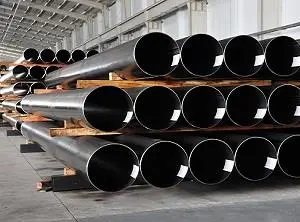
Comparing API 5L Seamless Steel Pipe Grades with Other Pipe Types
When electric resistance welding (ERW), longitudinal submerged arc welding (LSAW), or spiral submerged arc welding (SSAW) does not work, API 5L seamless steel line pipe can be used instead. Knowing the changes in construction, mechanics, and cost helps you make smart buying decisions.
Structural Advantages of Seamless Pipes
There are no horizontal weld joints in something that is smooth, which is what makes welding pipes weak. Because the structure is level, the stress is spread out evenly. This lets higher forces be used with the same thickness of wall. They can also be more oval and concentricity-controlled, which makes automatic welding easier and cuts down on the number of mistakes in the joints.
To make ERW pipes, flat coils are bent and joined together. These pipes are good for small to medium sizes, up to 24 inches. Even though the weld seam is cheap, the HAZ needs to be evened out with heat treatment after the joint is made. The plates that make up LSAW pipes are kept separate and fused together twice with an arc. They cost more, but they can handle big sizes and walls that are thick. Big SSAW pipes with spiral seams cost less, but I'm not sure how well the joints will hold together when the pressure is high.
Mechanical and Application-Specific Differences
Because seamless pipes are made of the same metal all the way through, they will always work the same way, even if they are heated up and physically stressed. Welded lines have small changes near the seam that need careful NDT and can sometimes limit the forces that can be used.
When lines are seamless, they are less likely to break in bad service or foreign settings. HIC can't start anywhere because there are no holes in the product. This makes it safer in H2S settings. It is important for offshore areas that are hit by waves and currents that the lines are seamless so they don't wear out as quickly.
Welded lines may be enough for low-pressure uses on land, which saves money without lowering safety.Nevertheless, high-quality seamless pipes are increasingly specified for critical infrastructure, high-pressure trunk lines, and compressor stations, as their unparalleled stability delivers a vastly superior Total Cost of Ownership (TCO) over time.
Conclusion
When picking the correct API 5L seamless steel line pipe type, you should carefully consider how it works, the weather, government rules, and the price. When the pressure is low, Grade B works well. When the pressure is high and the conditions are tough, grades X42 to X70 work better. The better grades are different because they are stronger, don't rust as easily, and are easier to weld. Their higher prices are worth it because they are safer and last longer. It is best to use smooth pipes for important, high-pressure tasks because they are stronger than soldered pipes. Working with licensed, experienced companies ensures high-quality goods, on-time delivery, and full support from experts. When people who work in buying know about these changes in performance, they can make decisions that lower project risk, ensure compliance, and get the best return on investment (ROI).
FAQ
1. Which API 5L Grade Is Best for High-Pressure Natural Gas Pipelines?
When moving gas under high pressure, types X60, X65, and X70 should be used. They can be used at pressures above 1,200 psi because their yield strengths are between 60,000 and 70,000 psi. Also, these meet strict toughness standards, which means they will work well in a lot of different temperatures and loads.
2. How Does Chemical Composition Affect Corrosion Resistance?
Chromium, molybdenum, nickel, and other alloying elements make the metal less reactive and keep salt and sulfur from attacking it. When the sulfur and phosphorus levels are low, hydrogen-caused cracks are less likely to happen. The controlled carbon content keeps their ability to be welded while keeping their strength. This strikes a mix between performance and ease of production.
3. Can API 5L Seamless Pipes Be Customized for Specific Projects?
Yes. You can choose from different wall thicknesses (SCH 10 to SCH 160), lengths (20 feet, 40 feet, or custom), end types (straight or bent), and surface treatments (3PE, FBE, finish). Well-known sellers let you do all of these things. Each project has its own unique needs, so tailored solutions are made to make sure they work together and follow the rules.
Partner with JS FITTINGS for Reliable API 5L Seamless Steel Line Pipe Supply
Work with JS FITTINGS to get API 5L Seamless Steel Line Pipe that you can trust. This company has been making good line pipes for more than 43 years. From Grade B to X70, they have pipes for you. We are always sure to meet quality and safety standards thanks to our ISO, CE, GOST-R, and approvals from PETROBRAS, NIOC, and ADNOC. Our extensive seamless pipe inventory ranges from 1/2" to 26" in outer diameter, with wall thicknesses covering Schedule 10 through Schedule 160 and XXS. Furthermore, we offer extensive customization options, tailoring precise pipe lengths and specialized anti-corrosion finishes to perfectly suit your project needs. We send more than 90 containers every month, deliver more than 95% of the time, and buy back more than 98% of the time to make sure you always have what you need and get expert help. Email our helpful staff at admin@jsfittings.com to get unique pipe solutions, low prices, and a smooth project finish.
References
1. American Petroleum Institute. (2018). Specification 5L: Specification for Line Pipe. Washington, D.C.: API Publishing Services.
2. NACE International. (2015). MR0175/ISO 15156: Petroleum and Natural Gas Industries—Materials for Use in H2S-Containing Environments in Oil and Gas Production. Houston, TX: NACE.
3. Bai, Y., & Bai, Q. (2014). Subsea Pipeline Design, Analysis, and Installation. Oxford: Gulf Professional Publishing.
4. Palmer, A. C., & King, R. A. (2008). Subsea Pipeline Engineering (2nd ed.). Tulsa, OK: PennWell Corporation.
5. Kiefner, J. F., & Trench, C. J. (2001). Oil Pipeline Characteristics and Risk Factors: Illustrations from the Decade of Construction. Washington, D.C.: American Petroleum Institute.
6. Zhang, L., & Wang, X. (2020). "Mechanical Property and Microstructure Analysis of API 5L X70 Pipeline Steel." Journal of Materials Engineering and Performance, 29(4), 2456-2465.
Send Inquiry
_1775029549981.webp "Buttweld Tee")
Related Industry Knowledge
- Long Radius Buttweld Elbow vs Short Radius Elbows: Which One to Use?
- Differences Between AWWA Flanges and ANSI Pipe Flanges
- What Is The Difference Between Different Grades Of API 5L Seamless Steel Line Pipe In Performance?
- What is A312 stainless steel pipe? Everything You Need to Know
- What Are the Types of Buttweld Elbows in ASME B16.9 Systems?
- How Does a Buttweld Elbow Reduce Pressure Loss in Pipelines?
- Industrial Buttweld Reducer Selection for Refinery Projects
- Why Is Long Radius Buttweld Elbow Preferred in Oil & Gas?
- Do flanges with threaded holes take stud bolts?
- What is a plate flange used for?