
What is A312 stainless steel pipe? Everything You Need to Know






2026-06-16 17:18:27
If you need lines that can handle strong acids, high temperatures, and years of use, you need to know about A312 stainless steel pipe. This type of high-alloy piping is the standard for stainless steel lines that are both seamless and bonded and can handle high temperatures and severe corrosion. It is used for chemical processing and desalination applications, and to build things in remote areas where carbon steel would rust fast. The ASTM A312 standard talks about austenitic stainless steel lines that can carry heat and fluids under pressure and maintain their mechanical integrity in harsh conditions.
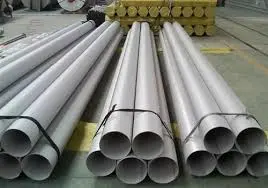
Understanding A312 Stainless Steel Pipe Specifications
To meet ASTM A312 standards, all austenitic A312 stainless steel pipes must follow strict rules. You should use these lines in places with a lot of rust and high temperatures. The pipes in this standard can be made in a number of ways, such as by cold-drawn seamless processing, hot-finished seamless extrusion, or electric-fusion welding or other qualified welded manufacturing processes. The numbers it gives for standard pipe size (NPS) are the same as those in ANSI/ASME B36.19. All the pipe systems in the world will be able to join and work together.
Standard Sizes and Schedule Options
The sets range in size from common sizes ranging from DN15 (NPS 1/2) to large-diameter custom pipe sizes, depending on manufacturing capability, which means they can be used for a wide range of industrial jobs, from small lab setups to large transmission pipelines. The 5s, 10s, 40s, and 80s are common names for schedules. Each one represents a different wall thickness designation that affects pressure capacity and weight, which tells you how well it can hold pressure. It's easier to work with low pressure on the 5s and 10s schedules because they are lighter. Schedule 40S and 80S walls, on the other hand, are better for high-pressure process lines and major safety projects. It's easier to buy things and put them together when you have these measures. That way, you don't have to worry about whether they will work together when the job is done.
Chemical Composition of Common Grades
If you know what chemicals make up each grade, you can pick the right things to use. 18–20% of TP304/304L types are made of chromium, and 8–10.5% are made of nickel. It doesn't cost much to keep them from rusting. Molybdenum is added to this base mix by 2% to 3% in the TP316/316L shapes. In places like chemical plants and the marine environments, chloride environments can cause pitting, crevice corrosion, and stress corrosion cracking. This makes it much less likely to happen. This type, TP321, is stable because it is made of titanium, which stops intergranular corrosion from happening when it is welded or heated up. It can be used to make steam power and process petrochemicals. Duplex stainless steel grades such as 2205 contain both austenitic and ferritic microstructures. This makes them stronger and more resistant to chloride stress corrosion cracking. These grades are typically covered by separate duplex stainless steel pipe specifications rather than ASTM A312. Because of this, it can be used in places other than the ocean and in plants that clean water.
At JS FITTINGS, we have both 304/304L and 316/316L steel in stock. These grades are structurally stronger than normal grades, but they are easier to weld than low-carbon grades. That is, you don't have to choose between business needs and technical traits.
Mechanical Properties and Performance Standards
Types like TP304 and TP316 must have a tensile strength of at least 75 ksi (515 MPa) and a yield strength of at least 30 ksi (205 MPa), according to ASTM A312. This makes sure the building can really hold weight. Even after being stretched at least 35–40%, these materials still have a lot of give to them. This means pipes won't break when the weather changes or when something sharp hits them. Because it is made of austenitic crystals, the metal is very tough, even when it is as cold as -196°C. More things can be done with it now, like building in cold places and moving hot gases. These lines are useful because they are strong, flexible, and can handle both hot and cold temperatures.
Key Performance Features of A312 Stainless Steel Pipe
These A312 stainless steel pipes are better than the old ones, so they directly lower running costs and make work safer. You can hire workers with these features if you want to cut down on downtime, make fixes last longer, and make sure they follow the rules.
Corrosion Resistance Capabilities
Ozone, acidic solutions, and chloride can damage the base metal of A312 pipes, but the chromium oxide layer on top of them shields it. The pipe will be safe as long as this film is being used because it will fix itself if it breaks. TP316L types don't rust or pit easily when used in saline or marine environments. These don't break like steel would after a few months. Business and purification plants near the sea need to make sure that the material doesn't crack or stress corrosion cracking when it's heated the right way. Because of this, it doesn't need protective coatings or cathodic protection devices. So it's easy to put in and needs to be fixed less often.
Heat Treatment and Enhanced Durability
All JS FITTINGS steel pipes are quickly cooled down after being heated to over 1040°C for a full solution annealing process. As part of this process, heat is used to turn carbide precipitates back into a solid state. This makes it less likely that the metal will rust, especially in welds that can be damaged by intergranular attack after being heated. Solution annealing stops sensitization, which is when chromium carbides form at the edges of grains when the metal is used at high temperatures or welded. This takes away the chromium that keeps things close from rusting. The heat method also improves the mechanical qualities by creating regular austenitic microstructures that are strong and flexible. When we heat treat pipes, we make sure they're ready to use right away and won't rust in the weld area before they're ready. This keeps your investment safe.
Quality Verification and Authenticity
You won't have to use cheap materials that could hurt the job or make it less safe if you make sure the pipes are real. On real A312 pipes, there are lasting marks that say who made them, the grade, the heat number, and the standard. Spectrographic analysis shows the chemical makeup; tensile strength and hardness tests show the mechanical properties; and the solution annealing heat treatment shows the process. Portable X-ray fluorescence scanners used for Positive Material Identification (PMI) check the elements' make-up in the field and look for efforts to change them. You should look at the finish on the surface to make sure it's even. A surface goes matte gray when you pickle or passivate it. A surface will be shiny after being brightly annealed. Because we are ISO 9001 approved and test all of our pipes with high-tech tools like spectrometers, we know that each one meets the standards and can be fully tracked back to its source.
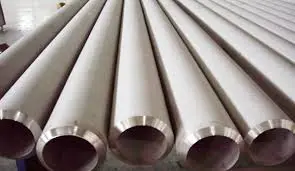
Comparing A312 Stainless Steel Pipe with Other Pipe Standards
Knowing how A312 stainless steel pipe fits in with other standards helps you decide what to use it for and keeps you from making mistakes that cost a lot of money. These variations help you pick the right stuff for the job.
A312 versus A213 and A269 Standards
ASTM A213 says that ferritic and austenitic alloy steel tubes should be used for heat exchangers, boilers, and superheaters. It talks about how important it is to have exact limits on the width and thickness of the walls so that heat can move through them. In the ASTM A269 standard, both seamless and welded austenitic stainless steel tubes are discussed. You can use it for general corrosive service, and the controls can be used in both mechanical and sensor settings. A312 talks about pipes that are meant to be used in high-pressure systems. The NPS or schedule says that they need to be a certain size and have boundaries that let them be threaded, cut, or welded together. When it comes to moving heat and making sure everything fits perfectly, tubes are better than pipes. Pipes are better at moving fluids under pressure and making sure everything fits perfectly. You might have trouble with fittings and links that don't stay stable if you try to use A213 tubing instead of A312 pipe.
Stainless Steel versus Carbon Steel Considerations
While carbon steel lines may seem cheaper at first, they need to be protected with a coating, given cathodic protection, and regularly checked for rust in order to last long enough in places where rusting is common. Costs like these keep going up, but lines made of stainless steel don't. They also last three to five times longer than coated carbon steel pipelines in locations like chemical plants and the ocean. Once you know how much something costs to own, you need to add up the costs of installation (steel is lighter, so it's easier to move), repairs, upkeep, replacements, and the time it takes to shut down for repairs.Regardless of the initial cost, stainless steel is absolutely mandatory for applications requiring strict hygiene, product purity, or food-grade certification—scenarios perfectly suited for products like bright annealed ASTM A312 TP304 welded pipes. For dry utilities like instrument air where corrosion is minimal, carbon steel remains the most economical choice. While stainless steel provides vastly superior durability and pressure containment compared to aluminum or plastics, its higher upfront cost makes it best reserved for truly demanding, corrosive environments.
Seamless versus Welded A312 Pipes
When rotary piercing and extrusion are used to make seamless pipes, there is no weld line that runs along the length of the pipe. It means that the pipe wall is smooth all the way through and there are no flaws in the welding. Weld joints that fail under a lot of stress or when that's not okay are good examples of this way of making things. Plain-rolled strip-welded pipes can handle light pressure because they are less expensive. With current electric-resistance welding, high-quality weld seams are produced that are inspected by radiographic or other nondestructive testing methods and heated in a solution that matches the properties of the base metal. ASTM A312 says that both types must stand up to the same technical tests and keep rust away. In other words, when properly manufactured and heat-treated, welded pipes perform exceptionally well in demanding applications. Top-tier manufacturers maintain extensive inventories of both seamless and welded configurations, ensuring the right solution is available for any project requirement and budget constraint.
Procurement Guide for Buying A312 Stainless Steel Pipe
To make sure projects don't get held up, smart buying plans for A312 stainless steel pipe should make sure orders are placed on time, and costs are kept under control. You can buy things faster if you know how to compare sellers and how much changes cost.
Pricing Factors and Cost Management
Nickel and molybdenum are major alloying elements that influence pricing, so their prices are used to figure out how much A312 lines cost. Because they have more molybdenum, TP316L types cost 15–25% more than TP304L types. Each bit of pipe costs a different amount. When pipe diameters and wall thicknesses increase, prices per foot go up by a huge amount. They do this because they need more materials, and make it harder to make things. Prices change based on how many order quantities there are. This is called "economies of scale." Discounts start at 10 tons, and they're really big for container-load amounts. Prices change due to things in the market, such as how full stainless steel businesses are and changes in demand in different places. That is, quotes should be changed all the time. Request as many quotes as possible from reputable sources to make sure prices are fair, and put together orders from various jobs to make the most of big discounts.
Supplier Qualification and Selection
Companies that want to keep their good reputation keep things like ISO 9001 quality management systems certifications, manufacturing methods that have been checked by a third party, and references from big energy companies. At JS FITTINGS, we have proof that we can meet high-quality and technology standards from PETROBRAS, NIOC (National Iranian Oil Company), and ADNOC (Abu Dhabi National Oil Company). You can check with a third party or visit the workshop to see if the seller can make what you need. Check to see if the seller has solution annealing heaters, chemical analysis laboratories, and tools for radiographic testing equipment. Firms that have been around for a while offer full mill test certificates, keep an eye on systems that connect things to production heat numbers, and give professional help on how to pick and use materials. Our sales have been over RMB 100 million for three years in a row. Since 1983, we've been making things. This is why the market trusts us.
Logistics and Delivery Considerations
When you buy something from another country, you need to keep track of how the package will be shipped, the customs paperwork, and when it will arrive. The least expensive way to ship is most of the time by container load. Twenty-foot containers come in a range of shapes and sizes, but they can all hold twenty to twenty-five tons of pipe. Lead times depend on how the order is put together.By partnering with an ISO 9001 certified manufacturer, standard grades in popular sizes can typically be shipped within 2 to 4 weeks directly from inventory.The skilled people on our foreign trade team get more than 90 containers through customs, move freight, and fill out forms every month. More than 95% of them get sent on time. During work hours, our helpful customer service team answers questions in an hour. This speeds up the process of getting quotes and taking care of orders. If you want to try products and find sources you can trust, you can place a small trial order. Most of the time, the smallest order is one ton.
Conclusion
A312 stainless steel pipe is the best choice if you want something that will last a long time and resist corrosion, high temperatures, and low temperatures. It is possible to save money on a project while still following safety and legal rules if you know what the specs are, how well they work, and what they can be used for. It costs more up front, but in the long run, it saves money because it lasts longer, doesn't need as much upkeep, and doesn't break down as often. You can keep your money and project plans safe if you choose qualified providers with a history of getting things done, full certifications, and on-time supplies.
FAQ
1. Which A312 grade suits high-temperature applications best?
Types TP321 and TP347 that are strengthened with titanium or niobium don't rust when exposed for long periods at temperatures between 425°C and 815°C. Because of this, they work great in process heaters and superheater lines in power plants. When these stable types are formed, carbides don't form, which would normally remove the chromium from the grain lines that keep them from rusting.
2. Can A312 pipes serve sanitary and food-grade applications?
A312 pipes with bright annealed ends can meet clean standards if they are made with the right valves and joints and in the right way. To make sure the product meets 3-A Sanitary Standards or EHEDG, buyers need to include specs for the surface finish, the maximum surface roughness requirements, and extra tests like a borescope check. They aren't needed because the standard doesn't say so.
3. How do I distinguish seamless from welded A312 pipes?
When you look at pipes, seamless pipes don't have a straight weld joint, but welded pipes do. A fusion line goes along the length of soldered pipes, but it might not be as clear when solution annealing is performed. Set pipe marks say "SMLS" for production that is smooth and "ERW" for production that is welded with electricity. The mill test certificate tells you how the item was made.
Partner with a Trusted A312 Stainless Steel Pipe Manufacturer
If you need A312 stainless steel pipe, we can help. JS FITTINGS has been making these parts for 43 years. There are many quality control systems, solution annealing steps, and dual-certified stock that work together to make sure that the goods your project gets meet the highest standards. The jobs we can do range from DN15 to DN2000. This is because we can make things to order, and full containers are cheap. We care about quality and scientific excellence because PETROBRAS, NIOC, and ADNOC trust us. You can email our team at admin@jsfittings.com to get all the information you need, as well as low prices and personalized technology help. With a long history of dependability and a wide range of certifications, we can help your project succeed.
References
1. American Society for Testing and Materials. (2023). ASTM A312/A312M Standard Specification for Seamless, Welded, and Heavily Cold Worked Austenitic Stainless Steel Pipes. West Conshohocken, PA: ASTM International.
2. Davis, J.R. (Ed.). (2006). Corrosion of Weldments. Materials Park, OH: ASM International.
3. Sedriks, A.J. (1996). Corrosion of Stainless Steels (2nd ed.). New York: John Wiley & Sons.
4. McGuire, M.F. (2008). Stainless Steels for Design Engineers. Materials Park, OH: ASM International.
5. Bhadeshia, H.K.D.H., & Honeycombe, R.W.K. (2017). Steels: Microstructure and Properties (4th ed.). Oxford: Butterworth-Heinemann.
6. American Society of Mechanical Engineers. (2021). ASME B31.3 Process Piping: ASME Code for Pressure Piping. New York: ASME.
Send Inquiry
_1775029549981.webp "Buttweld Tee")
_1775030068227.webp "ASTM A105 Weld Neck Flange")
Related Industry Knowledge
- Types of ASTM A105 weld neck flange
- What Is a Buttweld Bend? Types, Radius & Standards
- Getting to Know ASTM A53 ERW Pipe: Characteristics & Uses
- What is FBE Coated Steel Pipe?
- What Are Slip-On Flanges?
- Carbon Steel Forged Steel Flange Supply: China Factory Wholesale
- ASME B16.9 Buttweld Tee Dimensions and Weight Guide
- Best Buttweld Elbow Materials for Corrosive Industrial Pipelines
- What is seamless carbon steel pipe?
- How to weld carbon steel pipe?