
Types of ASTM A105 weld neck flange






2026-07-14 11:17:39
When looking at different types of forged carbon steel flanges for important pipe systems, the ASTM A105 weld neck flange offers specific performance benefits. Standard weld neck flanges have a tapered hub design that works best for most industrial uses. Long weld neck variants, on the other hand, offer better thermal resistance in places with high temperatures. There are high-hub setups for applications that need to handle pressures higher than Class 900 and threaded weld-neck choices for situations where welding isn't possible. Knowing about these different designs helps buying teams match the specs of parts to the needs of operations, keep project costs low, and make sure that ASME B16.5 standards are met.
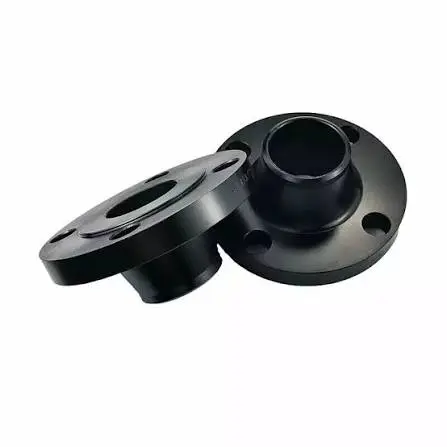
Understanding ASTM A105 Weld Neck Flanges
The engineering base of ASTM A105 weld neck flanges is their forged construction and high level of dimensional accuracy. ASTM A105 specifies killed carbon steel with a controlled chemical makeup. Manganese levels between 0.60% and 1.05% improve machinability, while phosphorus and sulfur levels below 0.035% and 0.040%, respectively, make the steel easier to weld and less susceptible to cracking. Mechanical properties require a minimum tensile strength of 70,000 psi and a minimum yield strength of 36,000 psi. This makes the material suitable for flange pressure classes ranging from 150# to 2500# when manufactured according to applicable ASME flange standards.
Material Properties and Metallurgical Characteristics
Forging creates directional grain flow that is aligned with the geometry of the flange. This makes the impact resistance much better than cast alternatives. Normalization (commonly identified as ASTM A105N in industry practice) improves the grain structure. The material is heated to the required temperature and then cooled in air, making the material tougher, which is especially useful in settings with frequent temperature changes. The maximum hardness limit of 187 HBW helps maintain suitable mechanical properties, machinability, and resistance to cracking risks. With this metallurgical profile, the material can be used in many standard services at temperatures around room temperature and moderately elevated temperatures, while low-temperature applications require appropriate impact testing and material selection, and at elevated temperatures approaching the upper allowable service range without worrying about graphitization.
Dimensional Standards and Pressure Classes
ASME B16.5 sets the rules for dimensions like bolt hole spacing, hub taper geometry, and facing profiles. Choosing the right pressure class depends on the thickness of the wall and the strength of the hub. Class 150 flanges are best for low-pressure distribution systems, while Class 600 and above are commonly used for high-pressure process equipment and demanding industrial piping systems. The flange bore diameter is precisely machined to meet pipe schedules (40, 80, 160, and XXS). This gets rid of internal diameter differences that cause erosion and turbulence at the joint contact.
Quality Assurance Through Forging and Inspection
Material test reports that record chemical analysis and mechanical testing are used to make sure that raw materials are safe before they are used in manufacturing. Before they are machined, ultrasonic testing finds internal flaws in forgings. Magnetic particle inspection checks beveled weld preparations for flaws on the surface. The geometry of the butt-welded joint makes radiographic examination easier compared with slip-on or threaded connections. This inspection feature meets the safety needs of industries that work with hydrocarbons and are regulated.
Types of ASTM A105 Weld Neck Flanges Explained
People who work in procurement can benefit from knowing how different design versions of the ASTM A105 weld neck flange solve specific business problems. Each configuration strikes a balance between mechanical performance, the difficulty of installation, and cost factors that affect project timelines and budgets.
Standard Weld Neck Flanges
The standard form of ASTM A105 weld neck flange has a hub that gradually tapers from the flange ring to fit the thickness of the pipe wall. This shape spreads the stress away from the flange face, which keeps systems from wearing out when there are vibrations or changes in pressure. The curved transition gives the section a high modulus, which makes it more resistant to twisting moments without adding too much weight. Standard setups cover sizes from 1/2" to 24" and have either raised face or ring-type joint facings, based on the gasket choice and sealing requirements.
Long Weld Neck Flanges
Longer hub lengths can be used for pipe systems that need heat protection or for connecting vessel nozzles when more standoff distance is needed. The long curve keeps the benefits of stress distribution while keeping the flange ring away from heat sources or structural limits. These variations are often used in furnace piping, reactor connections, and steam drum situations where high temperatures could damage gaskets or make it harder to load bolts. The longer shape costs more in materials, but it gets rid of the need for spacer rings or special production.
High Hub Weld Neck Flanges
In heavy-duty applications with Class 900, 1500, and 2500 pressure ratings, reinforced hub sections make them more resistant to moment loads. The deeper hub adds more material to the zone where stress levels are highest, so it can handle higher bolt loads and internal pressure without giving way. Power plants use these layouts in their main steam lines and feedwater systems, which are exposed to sudden changes in temperature when the plant starts up or the load changes. The strong construction allows for extended maintenance intervals while still keeping the leak-tight integrity.
Threaded Weld Neck Flanges
Some versions have internal threads in the hub that let it be attached mechanically without welding. This arrangement works for repair tasks that need to be taken apart from time to time, places where hot work isn't allowed because of explosives, or small-bore sensor links where the cost of welding is too high. Engaging the threads gives the structure strength, and the external hub keeps its stress-relieving properties. They may be used in specialized applications where mechanical attachment is preferred over welding, although they are less common than standard welded flange designs, where the ability to be flexible in use is more important than the lower pressure rating compared to welded joints.
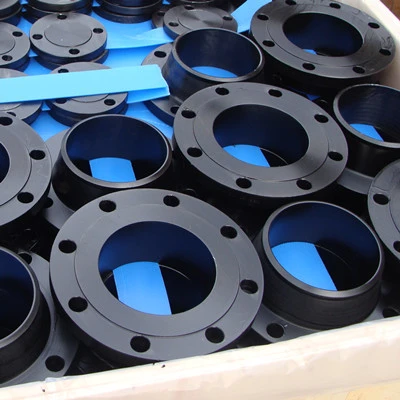
ASTM A105 Weld Neck Flange vs. Other Flange Types
When you compare different connection methods to the ASTM A105 weld neck flange, you can see what the total operating costs are and what the efficiency trade-offs are. Choosing the right materials, hiring people to install them, and doing upkeep throughout their useful life are all things that affect buying choices for long-term projects and running a facility.
Performance Comparison with Slip-On Flanges
Slip-on flanges fit over the ends of pipes and have fillet welds at both the base of the flange and the outside of the pipe. This makes two weld paths that can rust in the space between the flange hole and the outside of the pipe. Weld neck designs get rid of this gap with butt-welded joints, which lowers the risk of rust and lets x-rays be used to check the structure. In weld neck configurations, mechanical strength is better because stress paths are continuous and there are no fillet weld breaks. However, slip-on versions save money on materials and time during installation in low-pressure situations where the highest level of structural efficiency is not needed.
Material Grade Comparisons
Through controlled chemistry and impact testing, ASTM A350 LF2 covers carbon and low-alloy steel forgings intended for low-temperature pressure service with specified impact testing requirements. This prevents brittle fracture in industrial refrigeration systems and sub-zero pipeline environments. ASTM A182 stainless steel grades don't rust and can be used in chemical processing and food-grade situations where carbon steel isn't right. ASTM A105 carbon steel is most often used for processing hydrocarbons, making electricity, and general industry piping where temperatures are normal to slightly raised. The choice of material has a big effect on the cost of procurement—stainless alloys are usually three to five times as expensive as carbon steel alternatives. This is why specifications should be carefully matched to real service conditions instead of being too specific.
Installation Complexity and Cost Implications
Weld neck flanges (ASME B16.5 Class 150/300 A105) require qualified welding procedures that follow ASME B31.3 piping codes. These codes include how to prepare the beveled ends, how to preheat thicker sections, and how to heat treat the area after the welding is done. Depending on the pipe diameter and wall thickness, installation labor costs are about 20–30% higher than those of slip-on options. This investment gives better joint integrity and inspection capabilities, which lowers lifetime costs by lowering the number of times upkeep needs to be done and increasing durability. Weld neck connections are best for projects that want to prioritize safety and keep operating downtime to a minimum, even though they cost more to install at first.
How to Choose the Right ASTM A105 Weld Neck Flange for Your Project?
The strategic selection method for an ASTM A105 weld neck flange balances technical needs with the need to save money and time during the procurement process. Systematic evaluation stops design mistakes that cost a lot of money and delivery delays that throw off project plans.
Pressure and Temperature Considerations
Find the process conditions that give you the highest possible working pressure and temperature. Then, choose a pressure class that gives you enough safety buffer based on the ASME B31.3 allowable stress tables. When quoting, you should take into account pressure spikes that happen when the pump starts up, the valve closes, or the process changes. Temperature changes the properties of materials. ASTM A105 can be used for elevated-temperature services within the allowable limits defined by applicable design codes, but applications that are getting close to that temperature range would benefit from using ASTM A105N normalized material, which has better creep resistance. Make the design basis clear in the procurement specifications so that it's easier for suppliers to give quotes and for manufacturers to plan their schedules.
Compliance and Certification Requirements
A lot of the time, government infrastructure projects and international installations need certifications that go beyond standard mill test reports. GOST-R certification is needed for Russian markets, while CE marking follows rules in the European Union. A lot of big energy companies keep lists of approved vendors who have to go through pre-qualification audits and keep up with their quality system. JS FITTINGS has a number of certifications, such as ISO 9001, CE, GOST-R, and qualifications from NIOC, ADNOC, and PETROBRAS. These certifications make it easier to buy things for projects that need them. Check the certification needs early on in the planning process to avoid delivery delays caused by extra tests or paperwork.
Sourcing from Certified Suppliers
When compared to multi-tier distribution networks, direct factory buying from well-known makers lowers supply chain costs and makes it easier to track goods. Material approvals and dimensional proof can be done more quickly by manufacturers who do their own tests. Production capacity affects the reliability of delivery. For example, facilities that make 800 tonnes of pipe fittings and 700 tonnes of flanges every month keep a deep inventory that allows for quick fulfillment of standard sizes while also meeting custom needs without having to wait too long for delivery. Track records of suppliers are very important—delivery rates on time of more than 95% of the time and complaint rates below 0.5% show the level of operational discipline needed to stick to the project schedule.
Installation, Inspection, and Maintenance Best Practices
Installing an ASTM A105 weld neck flange correctly and keeping it in good shape can make it last longer and keep the system from shutting down without warning. Systematic approaches to joint assembly and regular inspections keep assets reliable in tough industrial settings.
Proper Installation Techniques
To make sure the pipe is flush internally, start by making sure that the flange bore matches the pipe schedule for ASTM A105 RTJ Weld Neck Flange for High-Pressure Pipelines. Before welding, bevelled pipe ends must be checked to make sure they are at the right angle (usually 37.5°) and are free of any flaws. The amount of preheating needed depends on the thickness of the material and the temperature of the environment. For parts wider than 1 inch, pre-heating to 200–400°F is often necessary to keep the heat-affected zone from cracking. Full-penetration butt welds should be done according to qualified welding procedures, with the right amount of heat and travel speed. For pressure vessels or thick-wall pipes, a post-weld heat treatment may be needed to release any remaining stresses. Let the joints cool down before installing the bolts to keep the flange faces from warping from the heat.
Inspection Methods and Quality Verification
A visual inspection shows that the weld profile meets the requirements for acceptance, with no undercuts, holes, or incomplete fusion. Radiographic testing checks the quality of the weld from the inside out. For critical pressure services, radiographic testing requirements are determined by the applicable design codes and project specifications. Ultrasonic testing is a different way to look at thicker parts that are hard for x-rays to penetrate. Before putting the system into service, pressure testing makes sure it works properly. Hydrostatic tests usually use 1.5 times the design pressure for a set amount of time. Keep track of all inspection results for regulatory compliance and maintenance purposes.
Maintenance Strategies for Extended Service Life
Periodic review of the flange face finds damaged gaskets, rust, or mechanical issues that need to be fixed. Monitoring the tightness of the bolts stops them from coming loose due to thermal cycling or shaking, which stops the gasket from losing its compression and letting leakage. In harsh settings, coating systems or cathodic protection can help protect flanges from rust on the outside. This makes them last longer. During turnaround maintenance windows, keep inspection points open and ready for non-destructive testing. Monitor service records to find parts that are getting close to the end of their useful life before they break. This way, they can be replaced during planned downtimes instead of needing emergency repairs.
Conclusion
When choosing the right ASTM A105 weld neck flange designs, you have to balance mechanical performance, ease of fitting, and cost-effectiveness. Standard designs work for most industrial piping needs, while specialized versions solve specific problems in harsh service conditions. When correctly defined, the material properties of ASTM A105 forged carbon steel ensure reliable performance from temperatures below zero to high process conditions. Safety and interchangeability around the world are ensured by dimensions that meet ASME B16.5 standards. Finding suitable makers with a history of success lowers project risks while keeping costs and schedules in check.
FAQ
1. What distinguishes ASTM A105 from A105N material specifications?
The "N" at the end of the name indicates an ASTM A105 weld neck flange that has undergone normalized heat treatment, which improves the structure of the grains by heating and cooling them slowly in air. Normalization makes the notch tougher and more resistant to impact. This is especially helpful in situations where the temperature changes or there is mechanical shock. ASTM A105N is required by many engineering specifications as standard practice to make sure that the mechanical properties of each production lot are the same. Material test records keep track of the past of heat treatment for compliance and traceability purposes.
2. Can these flanges serve in cryogenic applications?
Because of problems with the ductile-to-brittle crossover point, standard ASTM A105 material can't be used below -20°F. For cryogenic work, you need ASTM A350 LF2 material that is made and tested for performance at low temperatures. If you try to use ASTM A105 flanges in systems that handle liquefied gases or for refrigeration, they could break in a very bad way if they are stressed mechanically or thermally.
3. Why does schedule specification matter when ordering?
To keep flow lines smooth, the flange bore diameter must exactly match the pipe internal diameter according to a set plan. When schedules don't match up, internal steps form that cause roughness, wear, and stress to build up at the joint. When you add a Schedule 80 pipe to a Schedule 40 flange hole, you get a restrictive ledge that speeds up localized wear and could cause the pipe to fail. When you order weld-neck flanges, you should always include the pipe plan to make sure the hole is machined correctly.
Partner with JS FITTINGS for Reliable Weld Neck Flange Solutions
Since 1983, JS FITTINGS has been manufacturing precision-engineered ASTM A105 weld neck flanges, bringing over 40 years of industry experience. Our 7,000-square-meter factory makes more than 800 tonnes of pipe fittings and 700 tonnes of flanges every month. We ship more than 90 containers around the world every month, and more than 95% of them arrive on time. We have ISO, CE, and GOST-R certifications, and NIOC, ADNOC, and PETROBRAS have approved us as a supplier. Through spectral analysis and non-destructive testing, our quality management system makes sure that all of the materials can be tracked back to their source. It supports specifications from DN15 to DN2000 across ASME, DIN, JIS, and GOST standards. Our skilled international trade team answers all technical questions within an hour, whether you need standard Class 150 flanges or custom Class 2500 configurations. Get reasonable quotes from a reliable manufacturer and seller by emailing our experts at admin@jsfittings.com about your weld neck flange needs.
References
1. American Society of Mechanical Engineers. ASME B16.5: Pipe Flanges and Flanged Fittings NPS 1/2 Through NPS 24 Metric/Inch Standard. New York: ASME, 2020.
2. ASTM International. ASTM A105/A105M: Standard Specification for Carbon Steel Forgings for Piping Applications. West Conshohocken: ASTM International, 2021.
3. Becht IV, Charles. "Flange Joint Analysis and Design." Process Piping Design Handbook. Vol. 2. Houston: Gulf Publishing Company, 2018.
4. Nayyar, Mohinder L. Piping Handbook. 8th ed. New York: McGraw-Hill Education, 2019.
5. Singh, Keshavan. "Material Selection for High-Pressure Piping Systems." Journal of Pressure Vessel Technology, vol. 142, no. 3, 2020, pp. 031502-1–031502-9.
6. Woodward, Christopher. Industrial Piping and Equipment Estimation Manual. Cambridge: Butterworth-Heinemann, 2017.
Send Inquiry
_1775029549981.webp "Buttweld Tee")
Related Industry Knowledge
- How to Order Custom Steel Flange
- Long Radius Buttweld Elbow vs Short Radius Elbows: Which One to Use?
- ASTM A312 vs ASTM A213 Steel Pipe: What Are the Key Differences?
- What are Lap Joint Pipe Flanges & how do they work?
- Buttweld Bend vs Elbow: Key Differences Explained
- Sch 40 Buttweld Reducer vs Sch 80 Pressure Performance
- What is a blind flange used for?
- Where can I buy carbon steel pipe?
- What is a blind flange?
- Is a 90 or 45 degree elbow better for drain?