
Where can I buy carbon steel pipe?






2026-05-14 10:42:40
When searching for reliable sources to purchase Carbon Steel Pipe, industrial buyers have multiple procurement channels available, ranging from direct manufacturers to specialized distributors and online marketplaces. The key lies in identifying suppliers that offer certified products meeting international standards like ASTM A53, ASTM A106, and API 5L specifications. Leading manufacturers such as JS FITTINGS provide comprehensive solutions with over 40 years of manufacturing expertise, ensuring quality compliance and competitive pricing for industrial projects requiring seamless or welded carbon steel piping systems.
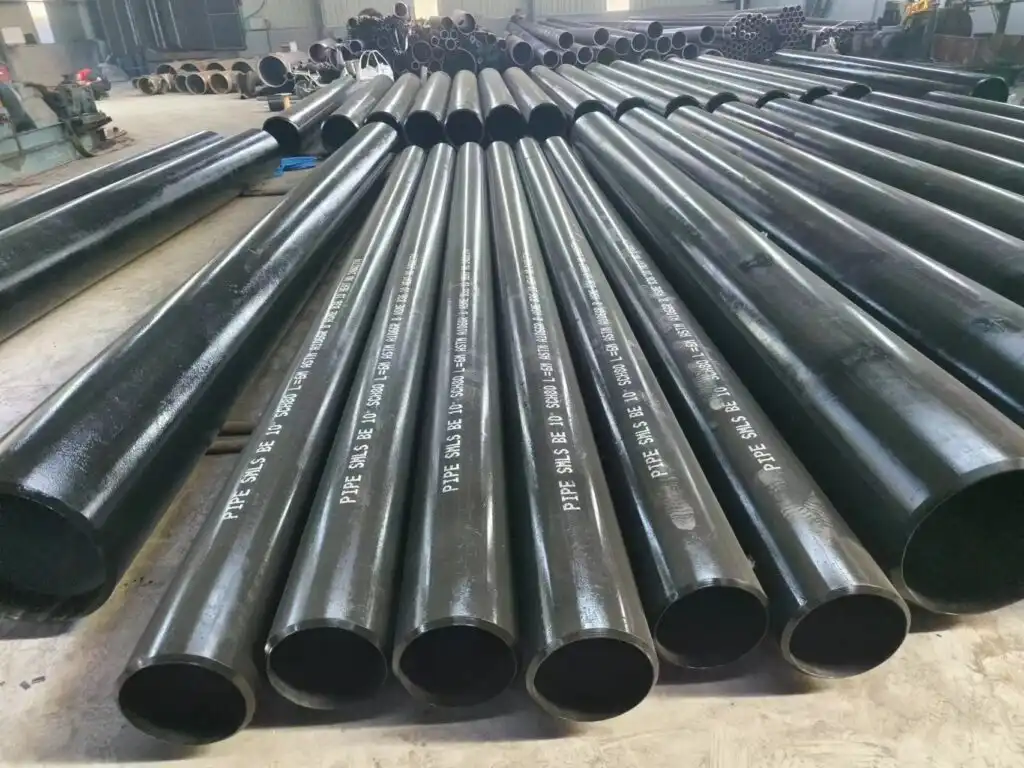
Understanding Carbon Steel Pipes: Properties, Types, and Uses
Carbon steel pipes are an important part of industrial infrastructure. They are mostly made up of iron and carbon, with the carbon amount usually being between 0.05% and 0.25% by weight. These pipes offer an excellent combination of structural strength and cost-effectiveness, which makes them essential for many commercial uses.
Key Mechanical Properties and Material Grades
Carbon steel pipes have very different mechanical qualities depending on their grade and how they were made. One common grade is ASTM A53 Grade B, which has a minimum tensile strength of 415 MPa (60 ksi) and good ductility, with elongation requirements depending on pipe size and wall thickness. ASTM A106 Grade B is commonly specified for high-temperature and high-pressure service applications. For better strength in oil delivery systems, API 5L types from X42 to X80 are recommended. The makeup of a material is a key factor in determining its performance qualities. Low carbon content makes the metal easy to weld and keeps it from breaking in the Heat Affected Zone (HAZ). Manganese content usually runs from 0.3% to 1.2%. It improves the hardness and hardenability of the material without significantly affecting manufacturability.
Seamless vs. Welded Construction Methods
The making process has a big effect on how well pipes work and what kinds of uses they are best suited for. Seamless pipes are manufactured by piercing solid steel billets through hot or cold working processes, resulting in uniform wall thickness, and the pipes are better at withstanding pressure. With this way of building, there are no weak spots like there are with welded seams. This makes seamless pipes ideal for high-pressure applications in power plants and oil refineries. Electric Resistance Welding (ERW), Longitudinally Submerged Arc Welding (LSAW), and Spirally Submerged Arc Welding (SSAW) are the three main types of welding used to join pipes together. Depending on the needs of the application, each way has its own benefits. For smaller diameters, ERW pipes are the most cost-effective option. On the other hand, SSAW pipes are the best value for large-diameter water transmission lines without losing structural stability.
Industrial Applications and Sector Usage
Carbon Steel Pipe is widely used across numerous industries. In the natural gas and oil businesses, these pipes make it easier to move things through pipelines that are under a lot of pressure and heat. Carbon steel pipes are used for structural purposes in construction projects, and they are also used for fluid movement and process systems in factories. This makes it suitable for a wide range of applications, including boiler systems, where resistance to high temperatures is very important. ASTM A333 grades are designed for low-temperature service because they maintain adequate notch toughness at reduced temperatures. Grades such as ASTM A252 are specified for heavy structural applications, most notably for steel pipe piling systems.
Comparing Carbon Steel Pipes with Alternative Materials
Contrasting Carbon Steel Pipe with Other Materials
Industrial buyers often compare carbon steel pipes to pipes made of other materials in order to get the best results for their projects while keeping costs low. Knowing these differences helps you make smart choices based on the needs of your product and the conditions of the surroundings.
Cost-Effectiveness Analysis
When it comes to cost, carbon steel pipes are always more cost-effective than stainless steel pipes, especially when used in large quantities. Even though stainless steel is better at resisting rust, it can cost 300–500% more to buy than carbon steel. Because of this price difference, carbon steel is the best choice for uses where coatings can protect against rust or where the climate doesn't warrant the higher costs of premium materials. Standard carbon steel pipes are about 20–30% cheaper than galvanized steel pipes, but they don't protect against rust as well. But the zinc coating process can't be used in places with high temperatures, and the extra cost might not be worth it in controlled settings where rust isn't a problem.
Performance Under Operating Conditions
Temperature flexibility is an important thing to look at when comparing things. Depending on the material grade and service conditions, carbon steel pipes can be used in temperatures ranging approximately from -29°C to 400°C. This performance range goes beyond what PVC can do and is still cheaper than options made of specialized alloys for mild temperature uses. Because of how well they handle pressure, carbon steel pipes are better than polymer options. Standard carbon steel pipes can handle working pressures exceeding 1000 PSI in many applications, while PVC pressure ratings are generally much lower and depend on pipe size, schedule, and temperature. Because it can handle this much pressure, carbon steel is an important part of both high-pressure shipping networks and industrial process systems.
Material Choices Based on Industry
Carbon steel is always preferred in oil and gas uses because it is compatible with petroleum products and can handle high piping pressures. These requirements are addressed by API 5L standards, which provide grades such as X42 through X80 and higher for different pressure and service requirements. Chemical processing plants check to see if materials are compatible with the fluids they use.While stainless steel offers superior universal chemical resistance, carbon steel pipes with appropriate coatings or linings can perform effectively in many applications at a significantly lower cost. The choice is usually based on the temperature, pressure, and unique chemical exposure risks associated with the process.
How to Choose the Right Carbon Steel Pipe Supplier
Choosing a skilled seller is probably the most important thing to do when buying carbon steel pipes. The choice has a direct effect on the success of the project, the pipe's long-term performance, and its total cost of ownership over its entire life.
Essential Certifications and Quality Standards
Suppliers with a good reputation keep a full range of certifications that show they meet foreign standards. ISO 9001 certification makes sure that quality control systems are always the same, and product certifications like ASTM, API, and DIN make sure that materials meet industry standards. Advanced providers like JS FITTINGS have several foreign certifications, such as CE and GOST-R, as well as special approvals from big oil companies like PETROBRAS, NIOC, and ADNOC. These approvals show that the products have been tested and proven to perform in demanding environments. In critical situations, being able to track materials becomes very important. Qualified providers offer full material certification, which includes tests for chemical makeup, mechanical properties, and production process documents. This makes it possible to follow the project's instructions and government rules, and it also makes quality checks easier.
Supplier Reliability and Delivery Performance
Delivery success has a big effect on project costs and plans. Leading sellers consistently deliver on time more than 95% of the time, and they have well-established logistics networks that can handle complicated foreign orders. For example, JS FITTINGS ships more than 90 crates every month and emphasizes quality control and customer service performance. Evaluating production capacity helps ensure that suppliers can meet the project requirements without sacrificing quality or delivery times. Established makers whose yearly production capacity is more than 30,000 tons can guarantee supplies for big projects while keeping quality standards high with tried-and-true production methods. How quickly a company responds to customer inquiries shows how committed they are to customer service. Professional providers answer technical questions within hours instead of days, showing that they can provide good technical help and care about their customers.
Geographic Considerations and Supply Chain Resilience
When it comes to shipping time, transportation prices, and supply chain resilience, regional manufacturing is a plus. Asian makers often offer lower prices while still meeting quality standards. This is especially true for large orders, since shipping costs are lower for container-load amounts. For the supply chain to be resilient, suppliers need to have a variety of material sources and established ties with steel mills. This variety guards against problems with supplies and keeps prices low by using smart sourcing relationships.
Where and How to Buy Carbon Steel Pipes: Market Channels and Best Practices
There are many ways to buy things in the global marketplace, and each has its own benefits and things that commercial buyers should think about. Understanding these options enables procurement teams to develop superior sourcing strategies for carbon steel pipes, perfectly tailored to specific project requirements, timelines, and acceptable risk levels.
Direct Manufacturer Engagement
When working on big projects or needing supplies on a regular basis, having direct ties with manufacturers can be very helpful. Manufacturers like JS FITTINGS offer full expert help, the ability to customize products, and low prices for large orders. Direct involvement gets rid of markups from distributors and gives customers access to all products and technical support. Because of relationships with manufacturers, goods can be changed to fit the needs of a particular project. For non-standard sizes, special coatings, or unique specs that normal dealer goods can't meet, this feature comes in handy. Custom production usually takes longer, but the end results are better options for certain uses. Manufacturers offer technical support that includes help choosing the right pipes, installing them, and fixing problems. This help is very useful while the project is being carried out, especially for complicated tasks that need a detailed understanding of how materials work and their features.
Distributor Networks and Regional Suppliers
Regional distributors are helpful because they keep supplies on hand and cut down on shipping times for standard specs. Distributors with a history of doing business keep popular sizes and grades in stock, which makes it easy to meet pressing needs or place small orders quickly. Distributor relationships make it easier to work on projects that need more than just carbon steel pipes. Full-service wholesalers offer flanges, fittings, and other related parts from a single source. This simplifies procurement and coordination, and by buying everything at once, it may also lower the overall cost of the job. Cutting, threading, and simple manufacturing services are available locally, which means less work needs to be done by people on-site. These services are especially helpful for smaller projects that might not be able to afford their own manufacturing centers.
Online Marketplaces and Digital Procurement Platforms
Digital platforms are becoming more and more useful for business buyers who want clear prices and easier purchasing processes. Established business-to-business (B2B) platforms offer buyer safety programs, seller verification, and standard ordering methods that make buying things easier. One of the best things about digital platforms is that they make prices clear, so buyers can compare products from different sellers at the same time. This openness makes bids more competitive and helps make sure that the best price is found for specific needs. But because of limited technical help and problems with quality control, internet platforms need to be used with care when choosing suppliers. For high-value orders, buyers should give priority to platforms that check the credentials of suppliers and offer enough consumer safety.
Ensuring Quality and Long-Term Performance of Carbon Steel Pipes
Quality assurance includes more than just choosing the right materials. It also includes thorough testing, the right way to put things together, and regular upkeep programs. The long-term success and cost-effectiveness of Carbon Steel Pipe systems depend on all of these factors working together.
Critical Testing and Inspection Protocols
Material certification is the basis for quality control because it shows what the chemicals are made of, their mechanical properties, and that the production process meets certain standards. Comprehensive certification includes mill test records, third-party proof, and traceability paperwork that lets you keep track of the whole history of the material. Non-destructive testing procedures make sure that a product is solid without damaging it. Ultrasonic testing detects internal defects in seamless pipes, and radiography testing checks the strength of welds in welded goods. Advanced manufacturers may perform radiographic or ultrasonic inspection on welded seams to verify weld integrity and detect internal defects. Dimensional checking makes sure that the outside diameter, wall thickness, and length standards are met within the allowed ranges. Precise control over dimensions makes it easier to put things correctly and makes sure that the walls of the Carbon Steel Pipe are thick enough to meet design pressure requirements.
Corrosion Protection and Surface Treatments
Strategies for protecting against corrosion have a big effect on how well something works and how often it needs to be maintained over time. Standard protection methods include metallic coatings (such as galvanizing), various organic coatings, and cathodic protection systems—all designed to extend service life in corrosive environments. When used on underground pipelines, three-layer polyethylene (3PE) films are very good at protecting the environment. A typical 3PE coating system consists of a fusion-bonded epoxy primer, an adhesive layer, and a polyethylene outer layer. The fusion-bonded epoxy (FBE) coats work better in high-temperature situations while still being cost-effective in mild corrosion settings. Hot-dip galvanizing methods that use zinc coatings offer sacrificial protection for uses that will be exposed to the air. The zinc coating acts as a sacrificial layer, protecting the underlying steel from corrosion and extending service life with reduced maintenance requirements.
Maintenance Practices and Lifecycle Management
Regular inspection programs help find problems early on, before they affect the safety or performance of the system. Inspection plans should look at both rust on the outside and wear and tear on the inside, depending on the working conditions and fluids being moved. Preventive maintenance schedules improve system performance and cut down on unplanned downtime. These plans should include touch-ups for the coating, care for the cathodic protection system, and regular pressure tests to make sure the system stays intact. Keeping records of maintenance tasks and changes to the system makes it easier to follow the rules and helps with insurance claims and warranty claims. Detailed records also help with plans for future growth and replacements based on actual performance data.
Conclusion
To buy carbon steel pipes successfully, you need to think carefully about the material requirements, the skills of the seller, and the long-term performance needs. Carbon Steel Pipe is still the best choice for industrial uses because it is strong, flexible, and cheap. The key is to work with reputable manufacturers who can consistently provide high-quality products, on-time delivery, and full expert support. Industrial buyers can get the best results for their projects and make sure that systems work well and reliably in the long term by following organized buying practices and keeping an eye on the total cost of ownership instead of just the initial price.
FAQ
1. What certifications should I look for when buying carbon steel pipes?
Essential certifications include ISO 9001 for quality control systems, ASTM or API certifications for material compliance, and industry-specific approvals such as PETROBRAS, NIOC, or ADNOC for oil and gas applications. These certificates make sure that the quality of the materials and the way they are made meet foreign standards.
2. How do I select the appropriate carbon steel grade for my application?
The choice of grade is based on the temperature, pressure, and weather variables that will be used. ASTM A53 Grade B is good for general uses, ASTM A106 Grade B is good for high-temperature service, and API 5L grades from X42 to X80 are good for pipeline systems that need to handle different pressure needs. Consult suppliers or engineers for application-specific recommendations.
3. What are typical lead times for bulk carbon steel pipe orders?
Lead times depend on the details, the amount, and the production needs. Standard grades usually take two to four weeks to make, while special specs can take six to eight weeks. Established sellers keep popular sizes in stock to cut down on delivery times for urgent needs.
4. How can I verify the quality of carbon steel pipes before delivery?
As part of quality control, mill test records are looked over, third-party inspection reports are requested, and received products are inspected for dimensional accuracy and surface condition. Reliable sellers give customers all the paperwork they need and are willing to let customers view their products.
5. What factors should I consider when comparing carbon steel pipe suppliers?
Some important things to look at when judging a company are its certifications and quality systems, its ability to produce and send goods, its technical help, its clear pricing, and customer references. The location and financial health of suppliers also have an effect on the reliability of the supply chain and the total cost of buying.
Partner with JS FITTINGS for Premium Carbon Steel Pipe Solutions
Partner with JS FITTINGS for Premium Carbon Steel Pipe Solutions
With over 40 years of manufacturing excellence, JS FITTINGS is your premier manufacturer and trusted global supplier of high-quality carbon steel pipes.Our wide range of products includes sizes from 1/2" to 60" and meets ASTM A53, ASTM A106, and API 5L standards. We also offer a full range of coating and protection options. We are reliable when your projects need it most, with more than 90 crates shipped every month, an on-time delivery rate of over 95%, and certifications from big energy companies like PETROBRAS and ADNOC. Get in touch with our expert team at admin@jsfittings.com to talk about your needs and experience JS FITTINGS' commitment to quality and service excellence.
References
1. American Society for Testing and Materials. "Standard Specification for Pipe, Steel, Black and Hot-Dipped, Zinc-Coated, Welded and Seamless." ASTM International Standards Handbook.
2. American Petroleum Institute. "Specification for Line Pipe: API Specification 5L." API Standards Documentation, Pipeline Transportation Systems Division.
3. International Organization for Standardization. "Quality Management Systems Requirements for Steel Pipe Manufacturing." ISO Technical Committee Documentation.
4. National Association of Corrosion Engineers. "Corrosion Control in Pipeline Systems: Best Practices for Carbon Steel Applications." NACE International Technical Publications.
5. American Society of Mechanical Engineers. "Process Piping Standards and Material Specifications for Industrial Applications." ASME Boiler and Pressure Vessel Code Documentation.
6. Steel Tube Institute. "Carbon Steel Pipe Manufacturing Processes and Quality Assurance Guidelines." Industrial Piping Technical Manual.
Send Inquiry
Related Industry Knowledge
- What is FBE Coated Steel Pipe?
- How thick is the FBE Coated Steel Pipe?
- CRA Clad Pipe vs Mechanically Lined Pipe: Key Differences Explained
- Slip-On Flanges: Types, Uses, and Installation Guide
- Carbon Steel Forged Steel Flange in Oil, Gas & Power Plants
- What is carbon steel pipe made of?
- What is seamless carbon steel pipe used for?
- Industrial Buttweld Reducer Selection for Refinery Projects
- How thick is standard wall pipe on carbon steel?
- What is a blind flange?