
How thick is the FBE Coated Steel Pipe?






2026-06-24 11:16:21
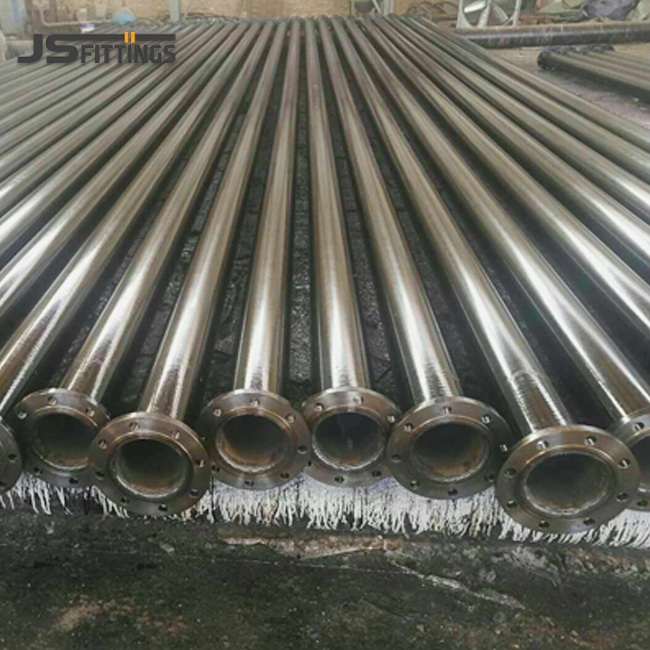
Understanding the thickness of the coating is very important when looking for anti-corrosion options for infrastructure that is underground or underwater. For single-layer applications, FBE coated steel pipe usually has a coating thickness of 250 to 500 microns. For dual-layer systems, the coating thickness can reach 600 to 1000 microns, but this depends on the project requirements and the harshness of the climate. When this thermosetting epoxy barrier is put on using electrostatic powder coating at high temperatures, it creates a chemically linked coating against soil rust, water ingress, and electrochemical degradation that can damage pipelines in water, gas, and oil transportation networks.
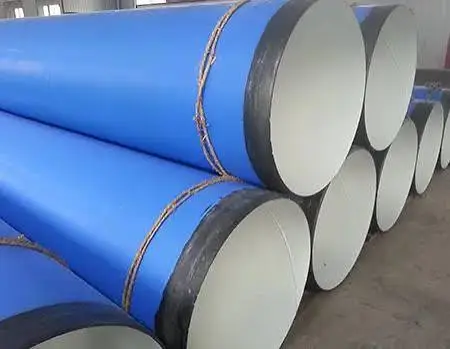
Understanding FBE Coating Thickness on Steel Pipes
The Science Behind Fusion Bonded Epoxy Protection
To withstand decades of being buried, external safety systems for buried or submerged pipes need to be carefully engineered. Fusion-bonded epoxy covering is a high-tech polymer-based layer of protection that changes from a powder to a permanent shield using a controlled heating process. When steel surfaces are heated to approximately 180°C–250°C (356°F–482°F), electrostatically applied epoxy particles join together to form a continuous, impermeable film. This happens because of chemical processes called cross-linking.
This change at the molecular level gets rid of the problems that liquid coats often have with fluid evaporation. It also makes an oxygen-blocking shield that directly addresses electrochemical rust, which is the main way that underground infrastructure fails. How well this shield works over decades of use depends on how thick the coating is.
Standard Thickness Ranges Across Industries
Based on the soil chemistry, the expected service life, and mechanical stress, different uses need different amounts of protection. Knowing these limits helps buying teams match requirements with what's possible in the real world:
Oil and Gas Transmission Networks: Single-layer epoxy covering of 300 to 400 microns is usually needed for long-distance pipes that carry fuels over rough terrain. This thickness can handle the forces that crush the dirt during backfilling operations while still being able to bend during the thermal expansion cycles that happen when the temperature of fluids being sent changes.
Municipal Water Infrastructure: For potable water mains, NSF/ANSI 61 certified epoxy formulations for potable water systems are used at similar thickness ranges. However, in cases where the soil is acidic, the requirements may rise to 400 to 500 microns. The smooth coating surface reduces friction loss, which lowers long-term pumping energy costs. This is a big benefit for planning city budgets over the lifespan.
Marine and Offshore Applications: Splash zones and underwater settings need better security, which is what dual-layer systems provide. At 300 to 400 microns, the main layer offers basic corrosion resistance. An abrasion-resistant overlay adds another 300 to 600 microns to protect against damage during directional drilling and laybarge installation operations.
Once procurement professionals understand how precise coating thickness affects long-term corrosion resistance, they can confidently specify FBE coated steel pipes that perfectly meet reliability requirements without over-engineering the protection, thereby avoiding unnecessary project cost inflation.
Key Specifications and Types of FBE Coatings for Steel Pipes
Single-Layer Versus Multi-Layer Coating Systems
The way epoxy coats are built directly affects both how thick they need to be and how well they protect. Single-layer methods use a single, continuous layer of epoxy that is designed to be resistant to rust in most conditions. These layers are usually 300 to 500 microns thick, and they work really well in stable soil where there isn't much chance of physical wear and tear.
Through layered protection, dual-layer designs add specific functions. The base layer focuses on binding strength and cathodic protection compatibility, sticking to steel surfaces that have been blast cleaned to specified surface preparation standards. The top layer is made of abrasion-resistant materials that are harder than the inner layer. This protects the main barrier during installation stress and operating movement.
This difference in architecture is very important for making decisions about buying. When working with rocky ground, directional boring, or high-flow uses, dual-layer systems are better because they are more durable, even though they cost more at first. Single-layer systems, on the other hand, are enough to protect normal buried pipes in stable soils.
International Standards Governing Coating Thickness
To check for compliance, you need to know the rules that say what kind of performance is allowed for coatings. Several widely accepted standards set the limits for thickness and the rules for testing them:
- The AWWA C213 standard controls fusion-bonded epoxy coats for water pipelines. It says that the minimum thickness must be between 250 and 400 microns, depending on the diameter of the pipe and the conditions of service. To make sure of the stability of the coating, the standard requires strict adhesion testing and holiday detection methods.
- NACE RP0394 talks about coatings on the outside of underground or submerged pipes in the petrochemical industry. It focuses on cathodic disbondment resistance, which is the most important test for figuring out if damage to the coating causes rust to spread. The thickness requirements are in line with the levels of climatic harshness.
- The CAN/CSA Z245.20 standard has strict rules for plant-applied external fusion bond epoxy coating systems. It includes methods for measuring thickness, standards for surface preparation, and acceptance factors that buying teams use to choose which suppliers to work with.
- DIN 30670 and API 5L talk about 3PE (three-layer polyethylene) systems. In these systems, fusion-bonded epoxy is used as the base layer, followed by adhesive and polyethylene topcoats. This makes a combined security system that is better at keeping water out.
Our strict quality control procedures at JS FITTINGS make sure that every covered pipe goes through spectral analysis, ultrasonic thickness verification, and cathodic disbondment testing before it can be shipped.
Advanced Coating Formulations for Harsh Environments
When epoxy chemicals are changed, they can be used in more situations than with normal formulas. High-glass-transition-temperature variants keep their structural integrity at temperatures above 110°C, which is useful for geothermal uses or pipes that carry hot fluids. To make up for the thermal stress that speeds up coating breakdown, these special coats often need to be thicker—450 to 600 microns is a common range.
Reinforced epoxy systems incorporate advanced ceramic or metallic particles into the polymer matrix. This significantly enhances the coating's abrasion resistance without unnecessarily increasing its weight or thickness.This new idea is useful for slurry transport pipes, where the suspended solids make the conditions erosive, which quickly wears away normal coats.
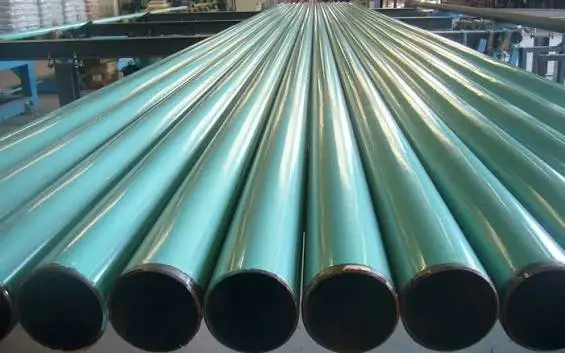
Comparing FBE Coated Steel Pipes with Other Coating Types
Thickness Profiles Across Protection Technologies
For smart purchasing, you need to compare the performance of fusion-bonded epoxy to other finishing methods. Each technology has different thickness properties that affect how long something lasts, how much it costs, and what kinds of uses it can be used for.
3PE three-layer polyethylene systems have a 100 to 200 micron epoxy base, a copolymer glue layer, and a polyethylene topcoat. Together, they make a system that is 2.5 to 3.5 millimeters thick. This hybrid structure creates moisture shields that are almost impenetrable, which increases its service life to 50 years in harsh soil chemicals. The epoxy layer ensures compatibility with cathodic protection systems by allowing current to reach exposed steel at coating defects, and the plastic layer on top stops water from getting through.
3PE uses are governed by standards like DIN 30670. This makes it the best choice for underground gas mains and offshore pipes where long-lasting performance supports higher material costs. JS FITTINGS provides 3PE-coated pipes that are ready for projects and come with standard cutbacks (uncoated ends) that make welding them in the field easy as soon as they arrive. This is a huge time-saving benefit for EPC contractors who are trying to meet tight building plans.
Hot-dip galvanization uses liquid metal to cover something with a zinc layer that is between 60 and 100 microns thick. Galvanized coatings offer basic safety through electrochemical action, but they don't have the dielectric qualities or chemical stability of organic coatings. When compared to fusion-bonded epoxy systems, zinc layers wear down quickly in alkaline soils, which shortens their useful life.
Polyurethane coatings are very resistant to chemicals when they are the same thickness as epoxy (300 to 500 microns), but they don't work as well at high temperatures and are harder to apply. The layer is sensitive to wetness while it cures, which makes quality control harder and raises the rate of rejection during inspection.
Tape Wrap Systems use polymer tapes with sticky backs that are stacked on top of each other to make a total width of about 1 to 2 millimeters. However, these systems create shielding effects that stop cathodic protection currents from reaching the steel substrate when the coating breaks. This lets localized corrosion happen without being noticed, which is why many specifications only allow fusion-bonded epoxy or 3PE systems.
This comparison shows that Dual Layer Fusion Bonded Epoxy (FBE)-Coated Pipe for Abrasion Resistance fusion-bonded epoxy might not be the thickest barrier, but its mix of chemical resistance, compatibility with cathodic protection, and mechanical flexibility makes it the best choice for most underground pipeline uses in terms of performance and cost.
Conclusion
Understanding FBE coating thickness through the lens of lifecycle performance and project costs changes it from a technical design detail into a strategic buying lever. For single-layer systems, the normal range is 250 to 500 microns. For improved dual-layer uses, it goes up to 1000 microns. This range covers most underground and submerged pipeline needs as long as it is properly matched to the environment and mechanical loading factors. The choice of thickness has a direct effect on how long the rust protection lasts, how often it needs to be maintained, and the total cost of ownership over many decades of service. This makes it an important decision that needs careful consideration during project planning. A good procurement process finds the right balance between protecting enough and staying within budget. This is done by carefully crafting specifications, making sure suppliers meet strict requirements, and ensuring that the quality of the coating is checked before it is installed and put into permanent service.
FAQ
1. What thickness of fusion-bonded epoxy coating do I need for buried gas pipelines?
Usually, buried natural gas transmission lines need 350 to 450 microns of single-layer epoxy coating. But if the soil is highly acidic (soil resistivity tests below 1000 ohm-cm or pH values outside the 5.5 to 8.5 range), the thickness should be raised to 500 microns. Fusion-bonded epoxy's non-shielding qualities help projects with cathodic protection systems because they let protective currents reach the steel base when the coating breaks.
2. How does coating thickness affect pipe delivery timelines?
Standard thickness specs (300 to 400 microns) use standard production factors that most coating facilities keep up with all the time. This means that moderate order amounts can be delivered within 4 to 6 weeks. Lead times may be longer by two to three weeks if you need a custom thickness. This is because makers have to test their processes and come up with application settings that consistently get the desired coating depth.
3. Can I specify different coating thicknesses for different pipeline sections?
It is still technically possible to use more than one coating standard on the same job, but it makes managing inventory and installing the coatings in the field more difficult. When the soil conditions along pipeline lines change a lot, segmented standards may be the most cost-effective option, even though they require more planning. Talking to coating suppliers during the planning stages can help you decide if changes in the environment warrant new specifications or if a single thickness that covers the worst conditions makes the project easier to carry out.
Partner with JS FITTINGS for Reliable Coated Pipe Solutions.
Infrastructure projects need covered pipe providers who are technically skilled, consistent in their production, and reliable in their logistics. JS FITTINGS offers complete fusion-bonded epoxy and 3PE coating solutions and has been making pipe fittings for over 40 years, working with EPC companies, local agencies, and industrial sites in more than 30 countries. Our quality control systems, which have been approved by major energy companies and carry ISO, CE, and GOST-R certifications, make sure that the coating thickness is correct and that the pipelines won't break apart during their planned service life.
When selecting standard protection for stable settings or creating enhanced coating systems for harsh exposure conditions, our expert team gives advice that is tailored to each application and makes sure that specifications are the best they can be in terms of performance and cost. Contact our experienced international engineering and trade specialists at admin@jsfittings.com to discuss your specific project needs. Discover why top procurement managers worldwide trust JS FITTINGS as their premier manufacturer and supplier of FBE coated steel pipes for critical infrastructure requiring uncompromising corrosion protection.
References
1. American Water Works Association. "AWWA C213-20: Fusion-Bonded Epoxy Coating for the Interior and Exterior of Steel Water Pipelines." Denver: AWWA, 2020.
2. NACE International. "RP0394-2019: Application, Performance, and Quality Control of Plant-Applied, Fusion-Bonded Epoxy External Pipe Coating." Houston: NACE, 2019.
3. Canadian Standards Association. "CAN/CSA-Z245.20-18: Plant-Applied External Fusion Bond Epoxy Coating for Steel Pipe." Toronto: CSA Group, 2018.
4. Deutsches Institut für Normung. "DIN 30670: Polyethylene Coatings on Steel Pipes and Fittings—Requirements and Testing." Berlin: DIN Standards, 2021.
5. American Petroleum Institute. "API Specification 5L: Specification for Line Pipe, 46th Edition." Washington: API Publishing Services, 2022.
6. Bredenkamp, S., and Van Rooyen, A. "Comparative Cathodic Disbondment Performance of FBE and Multi-Layer Coating Systems for Buried Pipelines." Journal of Pipeline Engineering, Vol. 18, No. 3, 2019, pp. 187-203.
Send Inquiry
Related Industry Knowledge
- What Facing Types Suit a Carbon Steel Forged Steel Flange?
- Buttweld Elbow Dimensions Guide for ASTM A234 WPB Fittings
- CRA Clad Pipe vs Mechanically Lined Pipe: Key Differences Explained
- FBE Coated Steel Pipe: The Ultimate Guide (Process & Specs)
- Lap Joint Pipe Flanges: How and When to Use Them
- Carbon Steel Buttweld Reducer for High-Pressure Pipelines
- ASME B16.9 Buttweld Tee Dimensions and Weight Guide
- What is a blind flange used for?
- What is a threaded flange?
- Where can I buy carbon steel pipe?