
What is a threaded flange?






2026-05-25 11:13:13
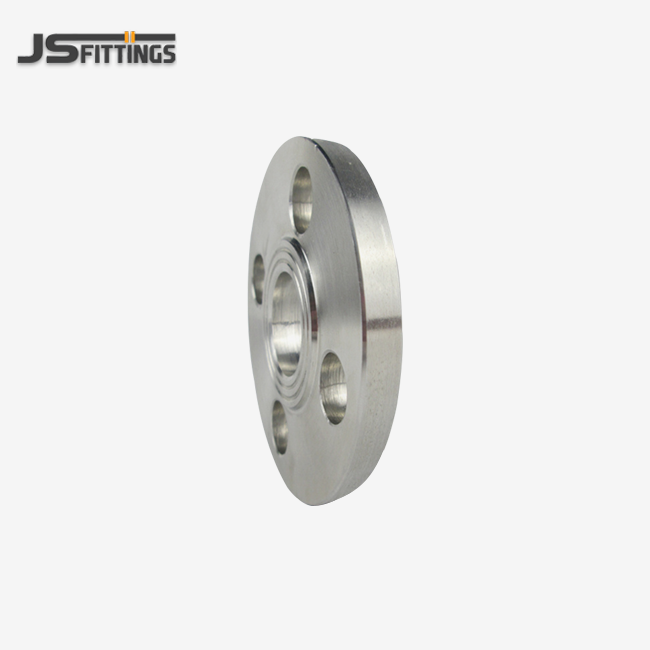
When working on a piping job in a dangerous place, like an active chemical processing plant or oil refinery, traditional welding is not only hard to do, but it's often not allowed. In that case, threaded flanges are the safest choice. A threaded flange, sometimes called a screwed flange, is a special part for pipes that has a tapered thread inside its opening. It doesn't need to be welded to the pipe; it can just be screwed onto a pipe with matching threads. Because of this, threaded flanges are the best choice for small-diameter pipe systems where welding isn't possible, would be risky, or would damage the protective coatings on the pipe. For more than 40 years, JS Fittings has been making these important parts for customers who need reliable, approved solutions that meet strict safety standards and lower project risk.
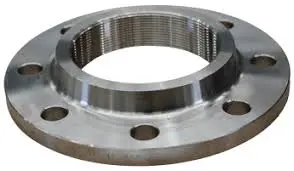
Understanding Threaded Flange Design and Construction
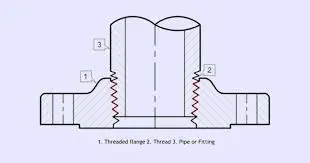
Threaded flanges represent a fundamentally different approach to pipe connection compared to their welded counterparts. The defining characteristic is the precisely machined internal thread that conforms to either NPT (National Pipe Thread) or BSPT (British Standard Pipe Taper) specifications. These tapered threads create a mechanical interference fit that tightens as you screw the flange onto the pipe, forming a pressure-tight seal without any heat application.
The body of the flange is usually forged from carbon steel A105, stainless steel grades (304, 316), or special alloys that are chosen based on the working conditions. Every aspect of manufacturing is regulated by standards. In North America, ASME B16.5 is still the most important guideline, while in Europe, DIN and EN 1092-1 standards are used in all installations. Pressure ratings go from Class 150 for low-pressure uses to Class 2500 for tough high-pressure uses. However, threaded configurations are most often used for systems with values between Class 150 and Class 600.
Sizes are typically used from 1/2 inch to 4 inches in nominal diameter in most applications. This practical limitation exists because larger threaded connections become difficult to assemble due to increased engagement length and installation torque, making them less economical and less reliable compared to welded alternatives. You can choose between three facings: Raised Face (RF), which is normal for most uses; Flat Face (FF), which is best for connecting cast iron or other brittle materials; and Ring Type Joint (RTJ), which is primarily used for high-pressure flanged connections requiring metal-to-metal sealing, though it is rarely applied with threaded flanges in practice.
Thread engagement depth has a direct effect on the quality of the seal in an ASME B16.5 NPT Threaded Flange. For a proper fitting, the pipe needs to thread into the flange bore until you can only see two or three threads. This keeps the mechanical strength just right and stops the threads from coming loose or the flange body from cracking if it is over-tightened. Because the threads are curved, the interference gets stronger as you tighten the connection. This creates a wedging action that helps seal the connection.
Critical Problems Solved by Threaded Flange Technology
Industrial facilities face numerous scenarios where welded connections create unacceptable risks or operational challenges. Threaded flanges directly address these pain points with proven effectiveness across multiple industries.
Elimination of Hot Work in Dangerous Areas: Refineries, petroleum plants, and offshore platforms often work in classified dangerous areas where there may be flammable vapours or explosive dust. OSHA rules and building safety rules make it very hard to weld in these areas. It needs expensive hot work permits, gas tracking, fire watch staff and often partial shutdowns. For a single welded link, it could take eight to twelve hours of safety planning and watching. Threaded flanges take away all of this trouble—all that's needed to install them are hand tools and thread sealant. This means that repair teams can make connections in minutes instead of hours, with no risk of sparks or flames.
Coating Preservation Requirements: Galvanised steel pipes are commonly used in fire safety systems, cooling water lines, and places where rusting is likely to happen because the zinc coating protects against rust for many years. When you weld, this coating is destroyed within a few inches of the weld zone. This makes quick places where corrosion can start. In the same way, pipes that are lined on the inside and used for corrosive liquid service can't handle welding heat. Threaded connections keep these defensive systems completely intact, so the pipes last as long as they were meant to without having to be fixed with expensive coatings after installation.
Accessibility Needs for Maintenance: Processing plants often need to be able to get inside pipes to examine, clean, or replace equipment. Pump suction strainers need to be cleaned every three months. Instrument links need to be re-calibrated or replaced every so often. When flanges are welded, they need to be cut, re-welded, and tested for every repair event. This process takes days and costs a lot of money in labour. When compared to welded options, threaded flanges can be unscrewed for access and reinstalled in minutes, cutting down on repair downtime by up to 90%.
Avoiding Post-Weld Heat Treatment: High-pressure chrome-moly alloy pipe often needs PWHT after welding to bring back the properties of the material that were lost in the heat-affected area. This process needs special tools, makes projects take days or weeks longer, and costs a lot more. Because threaded connections don't need to be heated, they can be used much faster on alloy steel jobs.
Key Advantages That Drive Specification Decisions
When engineers and project managers look at different ways to connect things, threaded flanges stand out because they have many benefits that affect both the cost and safety of the project. One technician can easily install a 2-inch threaded flange in fifteen minutes using only pipe wrenches, thread sealant, and a torque wrench for bolting it together. When you compare this to welded flanges, which need qualified welders, welding machines, power sources, consumables, and sometimes even scaffolding, the difference becomes clear. When there are a lot of small-bore connections to make, the difference in labour costs can reach tens of thousands of dollars. Also, jobs that used to be hard to do with welding equipment, because they are in hard-to-reach places or small areas, can be done easily with hand tools.
Enhanced Safety Profile: Beyond eliminating hot work hazards, threaded installations reduce the risk of welder injury from arc flash, fume exposure, and burns. Safety data from industry practice indicates that mechanical connections can significantly reduce injury risks compared to welded work due to the elimination of hot work hazards. This translates directly to lower insurance costs and improved safety performance metrics that increasingly influence contractor selection.
Installation Flexibility Across Conditions: Weather rarely affects threaded flange installation. Rain, wind, or cold that would halt welding operations present no barrier to mechanical connections. This weather independence maintains project schedules during unfavorable seasons and eliminates costly weather delays on outdoor construction.
Quality Consistency: Welding quality depends heavily on individual welder skill, joint preparation, consumable condition, and environmental factors. Even with qualified welders, reject rates from radiographic testing can occur depending on welding quality and site conditions, requiring rework and additional inspection. Threaded connections eliminate this variability—proper thread machining and torque application produce consistent, predictable results with rejection rates below 0.5%.
Reduced Inspection Requirements: Welded connections require non-destructive examination—radiography, ultrasonic testing, or dye penetrant inspection, depending on code requirements. These inspections add cost and schedule time. Threaded connections need only visual verification of proper engagement and hydrostatic pressure testing already required for the entire system, eliminating dedicated connection testing.
Design Considerations and Application Limitations
Even though threaded flanges can solve many problems, it's important to know their limits so they can be used correctly and problems don't happen in the field. Sensitivity to shaking: Threaded connections can come loose after a while of shaking if they are not properly secured. Extra precautions need to be taken in places where there is spinning equipment, reciprocating compressors, or high-velocity flow with a lot of pressure pulses. You can use thread locking compounds, tack welding (also called seal welding) after fitting, or lock nuts to fix the problem. Many standards say that threaded connections must be sealed welds when they are in vibration service. A seal weld is a small perimeter weld that stops spinning without adding strength to the structure.
Stress and Temperature Limits: Threaded flanges are defined in standards up to Class 2500; however, in practical engineering applications, they are rarely used above Class 600 due to limitations related to sealing reliability and mechanical performance. When the temperature is higher than 450°F or above Class 600, the difference in thermal expansion between the pipe and the flange can make it harder for the threads to connect. Most engineers say that threaded flanges should not be rated higher than Class 300 for general use. Higher ratings are only used for certain low-temperature or intermittent work situations. Fatigue Considerations: When subjected to cyclic pressure or thermal cycling, threaded links are less resistant to fatigue than butt-welded joints.
The roots of the threads cause stress concentration points where fatigue cracks can start to form. For applications subjected to frequent pressure or thermal cycling, fatigue analysis is required or welded alternatives should be considered.
Leak Potential Factors: It is very important to use the thread sealer correctly. Leak paths are made when there isn't enough sealant or the sealant's chemistry doesn't work with the service fluid. When flanges are made of brittle materials, over-tightening can cause them to break. The type of sealant used (PTFE tape, anaerobic compounds, or pipe dope) must be specified in the installation instructions based on the pressure, temperature, and stability of the fluids. Leaks happen much less often when construction staff are trained.
Threaded Flanges Compared to Welded Alternatives
Knowing your competitors' strengths and weaknesses helps you make smart design choices based on the needs of the project. Threaded vs. Weld Neck Flanges: Weld neck flanges are stronger because they have a tapered hub shape and a full-penetration butt weld. They work well in situations with high pressure, high temperature, or repetitive use for pipes bigger than 4 inches in diameter. Because it better spreads stress, the weld neck design is the best choice for important services. But this performance comes at a high cost, both in terms of material (because weld necks need more shaping material) and labour. Threaded flanges are faster to install, don't need any special equipment for welding, and don't have to pay for NDE. Threaded flanges are the best choice for small-bore, low-pressure services in dangerous places because they are easier to install and cost less.
Slip-On Flanges vs. Threaded Flanges: Slip-on flanges fit over the end of the pipe and need two fillet welds, one inside and one outside. They are cheaper than weld necks, but they still need to be welded, which comes with its own set of rules. Their pressure-temperature values are in the middle of what threaded and weld necks can do. Slip-on flanges are good for situations where modest pressure ratings are enough, but welding isn't allowed. They're popular in shops that make things that aren't dangerous and have welding equipment. Though they aren't as fast to put in the field, threaded flanges are still better for use in dangerous areas.
Threaded vs. Socket Weld Flanges: Socket weld flanges feature an internal recess accepting the pipe end, requiring a single fillet weld. They're popular in small-bore, high-pressure service, particularly in stainless steel systems. Socket welds provide better fatigue resistance than threaded connections and eliminate the potential for crevice corrosion in the thread roots. However, they share all welding-related limitations—hot work restrictions, coating damage, and installation complexity. Specification choice often depends on whether the hazardous area classification or coating preservation drives requirements more strongly than fatigue or corrosion concerns.
Target Applications and Ideal User Scenarios
Threaded flanges serve specific niches where their characteristics align perfectly with application demands. Downstream Oil and Gas Facilities: Refineries and petrochemical plants represent the largest consumption sector. Small-bore instrumentation lines, sample connections, utility services, and temporary test configurations use threaded flanges extensively. These facilities operate continuously with flammable hydrocarbon atmospheres, making hot work permits extremely burdensome. Maintenance accessibility is critical—instrument calibration and replacement cycles demand quick disconnection capability. EPC contractors managing these projects specify threaded flanges as standard for qualifying services specifically to minimize hot work and maintenance costs.
Fire Protection Systems: Commercial buildings, industrial warehouses, and institutional facilities use galvanized steel piping for sprinkler systems per NFPA 13 requirements. Threaded connections are virtually mandatory here—they preserve the galvanized coating while providing the mechanical strength needed for pressure ratings typically around 175 PSI. Fire protection contractors maintain extensive inventories of threaded flanges in standard sizes because every riser, cross-connection, and pump discharge requires them. The ease of field modification during construction when building layouts change, provides additional value.
Municipal Water and Wastewater Infrastructure: Treatment plants, pumping stations, and distribution systems utilize threaded flanges for valve connections, meter installations, and sampling points, particularly in smaller diameter services under 3 inches. The ability to replace failed components without draining entire systems and the compatibility with ductile iron, PVC, and cement-lined steel piping make them ideal. Government procurement officers appreciate the lower total cost of ownership from reduced maintenance expenses.
Chemical Processing Small-Bore Piping: Batch processing facilities, specialty chemical manufacturers, and pharmaceutical production use extensive small-bore transfer lines, sampling systems, and utility connections. These often involve corrosive or toxic materials requiring stainless steel or special alloy construction. Threaded flanges in 316 stainless steel or Hastelloy provide leak-tight service while enabling the frequent configuration changes common in batch operations. The ability to modify piping layouts between product campaigns without welding becomes a significant operational advantage.
Hydraulic and Pneumatic Control Systems: Industrial hydraulic power units and compressed air distribution networks serving manufacturing equipment operate at elevated pressures in small diameters—precisely where threaded flanges excel. The small bore contains total force on the threads despite high pressure per square inch. Installation in confined spaces around machinery where welding access is impossible makes mechanical connections the only viable option.
Conclusion
In industrial pipe systems, threaded flanges play a key role where safety, speed, and usefulness all come together. Their mechanical connection method gets rid of the dangers of welding in explosive environments, keeps protective coatings in place, and lets simple tools be used to quickly install the system. There are limits on the size, pressure, and shaking of applications that can use threaded flanges, but when used in the right way, they offer the best value for small-bore connections. Knowing the right ways to choose, install, and maintain this technology will help you get the most out of it, and it is still used in many businesses around the world.
FAQ
Q1: Can threaded flanges be reused after disassembly?
A: Yes, threaded flanges typically allow multiple reuse cycles if properly handled. The flange body itself experiences minimal wear during normal use. However, inspect threads carefully for damage, galling, or corrosion before reinstalling. Apply fresh thread sealant with each assembly. The gasket requires replacement every time—never reuse compressed gaskets as they won't maintain a proper seal. Bolt sets should be replaced or, at a minimum, inspected for thread damage and proper elongation. In corrosive services or after extended installation periods, thread damage may prevent reuse, but under normal conditions, three to five reuse cycles are common before replacement becomes necessary.
Q2: What thread sealant should I use for different services?
A: Sealant selection depends on pressure, temperature, and fluid compatibility. PTFE tape works well for water, air, and non-aggressive fluids up to 400°F and moderate pressures. Wrap tape clockwise (viewing the male thread end) using 3-4 wraps, keeping tape back from the first two threads to prevent contamination entering the system. Anaerobic thread sealants cure in the absence of air within the assembled joint, providing excellent sealing for oils, fuels, and gases up to 300 PSI and 300°F. Paste-type pipe dope with PTFE or other fillers suits higher pressures and temperatures to 500°F, handling most hydrocarbon services. Never use sealants containing graphite or metallic particles in oxygen service—they create explosion hazards. Oxygen service requires specialized oxygen-compatible sealants or silver-plated threads with no organic sealants whatsoever.
Q3: How do threaded flange pressure ratings compare to welded flanges?
A: Threaded and welded flanges carry identical pressure class ratings—Class 150, 300, 600, etc.—defined by ASME B16.5 based on pressure-temperature curves. A Class 300 threaded flange has the same 740 PSI rating at 100°F as a Class 300 weld neck. However, code limitations often restrict threaded flange applications more conservatively. ASME B31.3 Process Piping Code, widely adopted in chemical and petroleum facilities, prohibits threaded flanges above 400°F and generally limits them to non-critical services. This isn't because the flange itself fails, but because thermal cycling and vibration can loosen threaded joints more readily than welded connections. Many engineering standards internally limit threaded flanges to Class 300 regardless of the official rating, simply as conservative design practice.
Q4: Do threaded flanges require seal welding?
A: Requirements vary by code and service conditions. ASME B31.3 mandates seal welding of threaded joints in certain services—specifically those involving lethal service (highly toxic fluids) or where leakage could create serious hazards. Vibration-prone applications often require seal welding regardless of fluid. The seal weld is a small fillet around the thread engagement—it doesn't provide structural strength but prevents the connection from unscrewing. Many facility specifications require seal welding as standard practice even when codes don't mandate it, particularly in hydrocarbon service. When seal welding is applied, you obviously lose the "no welding required" advantage, but the amount of welding is minimal compared to attaching a weld neck flange, and the threaded connection still provides the primary seal and structural function.
Partner with a Trusted Threaded Flange Manufacturer
Selecting the right threaded flange supplier directly impacts your project success, schedule adherence, and long-term system reliability. JS Fittings brings over 40 years of manufacturing expertise, specifically in piping components, serving the most demanding industrial applications worldwide. Our threaded flanges meet all major international standards—ASME B16.5, DIN, and EN specifications—with full material traceability and third-party certification. We maintain substantial inventory across Class 150 through Class 600 ratings in carbon steel, stainless steel, and alloy materials, enabling shipment within days rather than weeks. With monthly production exceeding 700 tons of flanges and an on-time delivery record above 95%, we've earned qualified supplier status with national oil companies including NIOC and ADNOC. Contact our experienced team at admin@jsfittings.com to discuss your specific threaded flange requirements and receive responsive technical support.
References
1. American Society of Mechanical Engineers. (2020). ASME B16.5: Pipe Flanges and Flanged Fittings NPS 1/2 Through NPS 24 Metric/Inch Standard. New York: ASME Press.
2. Becht, C. (2018). Process Piping: The Complete Guide to ASME B31.3 (4th ed.). New York: ASME Press.
3. Nayyar, M. L. (2019). Piping Handbook (8th ed.). New York: McGraw-Hill Education.
4. Parisher, R. A., & Rhea, R. A. (2021). Pipe Drafting and Design (4th ed.). Houston: Gulf Professional Publishing.
5. Singh, J., & Kumar, S. (2017). Flanged Joints: Fundamentals, Design, Applications. Oxford: Butterworth-Heinemann Technical Books.
6. American Petroleum Institute. (2019). API 570: Piping Inspection Code - Inspection, Repair, Alteration, and Rerating of In-Service Piping Systems (4th ed.). Washington: API Publishing Services.
Send Inquiry
Related Industry Knowledge
- How to Order Custom Steel Flange
- What Facing Types Suit a Carbon Steel Forged Steel Flange?
- FBE vs 3LPE vs CWC for Underground and Subsea Applications
- Getting to Know ASTM A53 ERW Pipe: Characteristics & Uses
- ASTM A53 ERW vs Seamless Pipe: Strength and Usage Comparison
- Understanding the API 5L Seamless Steel Line Pipe Specification
- Why Is a Seamless Buttweld Tee Preferred in Critical Service?
- Carbon Steel vs Stainless Steel Buttweld Bend: Which to Use?
- What is a blind flange used for?
- Butt Weld Pipe Reducer Applications in Oil and Gas Systems