
Carbon Steel vs Stainless Steel Buttweld Bend: Which to Use?






2026-06-02 10:29:51
Whether you choose carbon steel or stainless steel buttweld bends depends on how the project will be used, your budget, and how long you need the parts to last. Carbon steel is cheap and has great mechanical strength in mild settings. This makes it perfect for projects that need to stay within a budget and have limited corrosion exposure. Stainless steel is better at resisting rust and lasts longer in tough chemical, marine, or high-purity environments. This makes up for its higher initial cost by saving money on repairs and replacements over time.
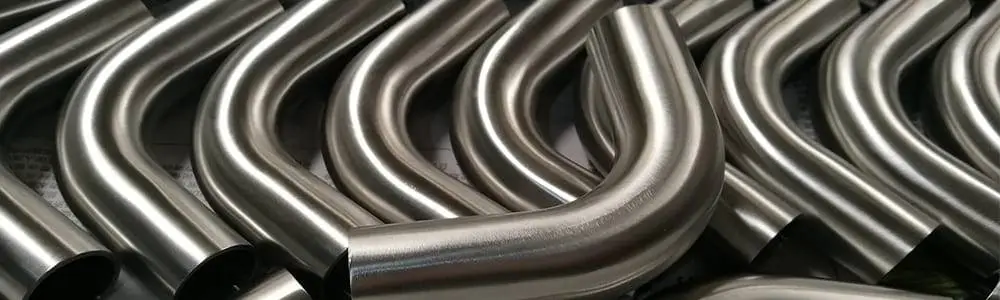
Understanding Buttweld Bends and Their Material Types
Learn about buttweld bends and the types of materials they are made of.
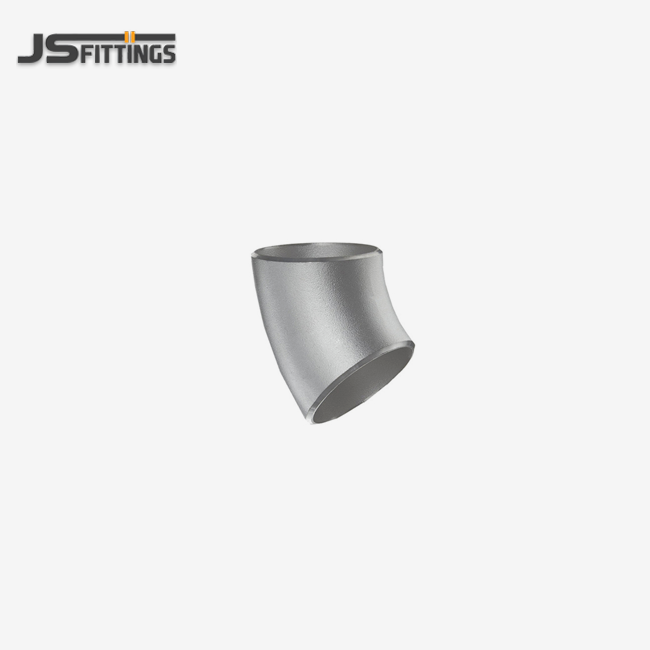
A buttweld bend is a special kind of pipe part that can be made by induction heating or cold forming. It changes the flow of fluid in pipelines at certain angles and curves. Standard elbows have set sizes, either a short radius (1D) or a long radius (1.5D). Pipe bends, on the other hand, have bending radii that are bigger than 2D of the pipe's diameter. 3D, 5D, 6D, and 8D bends are common designs that are made to handle complicated routing needs while reducing pressure drop and turbulence.
Why Does Material Selection Matter for Pipeline Integrity?
Choosing between carbon steel and stainless steel has a big effect on how well the system works, how safe it is, and how much it costs to own the whole thing. Carbon steel materials commonly manufactured to API 5L grades (B, X42, X52, X60, X65, and X70) and ASTM A234 WPB standards have good tensile strength and can be shaped easily, making them a good choice for industrial pipes in general. ASTM A403 WP304/304L and WP316/316L types of stainless steel are very resistant to oxidation, chemical attack, and stress-corrosion cracking. This is very important in petroleum plants, offshore platforms, and pharmaceutical facilities.
Industrial Applications Driving Material Decisions
For smart pigs to pass through oil and gas transmission lines that are hundreds of miles long, the turns must have radii of 5D or more. For power plants that work with superheated steam that is more than 600°C, the materials they use must stay strong and not grow or shift. Surfaces that don't split or crack when acidic fluids are moved through chemical processing units are needed. Understanding these practical settings helps buying teams match the properties of materials to the needs of each project, matching the cost of the materials at first with their dependability over time.
Performance Comparison: Carbon Steel vs. Stainless Steel Buttweld Bend
Mechanical Strength and Pressure Ratings
ASTM A234 WPB carbon steel fittings typically have a minimum yield strength of 240 MPa and a minimum tensile strength of 415 MPa. When properly designed with suitable wall thickness and material selection, they can be used in high-pressure systems designed to ASME pressure class requirements. Wall thicknesses range from SCH 10 to SCH 160 to meet different pressure needs. Heavier schedules make up for the extrados getting thinner during the bending process. Our induction bending methods keep the temperature under tight control, helping maintain wall thickness above the minimum design requirements specified by applicable piping codes and project specifications.
Stainless steel types have mechanical qualities that are the same as or better than those of other metals. For example, Type 316L has a minimum yield strength of 205 MPa and is very tough at temperatures as low as -196°C. The austenitic structure prevents brittle breakage, which means that stainless buttweld bends are widely used in LNG plants and low-temperature petrochemical units because of their excellent low-temperature toughness.
Corrosion Resistance and Environmental Durability
Carbon steel works well in dry, non-corrosive places or where protective layers like epoxy, 3PE, or FBE act as a buffer. Exposure to the air, on the other hand, causes surface corrosion that typically requires periodic repainting every 3 to 5 years. To keep soil-side rust from happening, buried pipelines need external coating systems and cathodic protection. This makes things more complicated and increases the costs of running the pipelines.
The chromium oxide passive layer in stainless steel keeps growing back when it comes in contact with air. This gives the metal natural corrosion protection that often eliminates the need for additional coatings in many industrial applications. Type 316L, with added molybdenum, offers improved resistance to chloride pitting in coastal environments and chemical processing applications. This self-protecting feature stops coating failures, lowers the number of inspections needed, and increases service intervals. These benefits are especially useful in hard-to-reach places like nuclear power plants or underwater pipes, where the cost of maintenance access is too high.
Standards Compliance and Installation Compatibility
Factory-made induction bends typically comply with ASME B16.49, while standard wrought buttwelding fittings generally comply with ASME B16.9. These standards ensure dimensional consistency and compatibility with connected piping systems during field installation. Beveled ends that meet ASME B16.25 standards make welding easier, whether you use SMAW for carbon steel or TIG/MIG for stainless steel. Our strict manufacturing commitment to API 5L PSL1 and PSL2 standards, which includes strict chemical composition tolerances and mechanical tests, makes sure that our products are compatible with major pipeline codes like ASME B31.3, B31.4, and B31.8.
Controlling ovality is very important during manufacturing and inspection. Because we keep out-of-roundness within a 3% margin, reducing expensive field fit-up and alignment work. Normalizing or tempering heat treatment after bending evens out the grain structure and stops hard spots that could cause cracks under cyclic loading conditions. Conformity is confirmed by hardness tests across the bend profile, which is needed for a third-party inspection and project approval.
How to Choose the Right Buttweld Bend Material for Your Pipeline Project?
Evaluating Operating Conditions and Fluid Characteristics
Material suitability is based on fluid chemistry. As long as the temperature stays below 450°C, carbon steel can easily handle chemical products, steam, and gases that don't corrode. When sulfur compounds, hydrogen sulfide (sour service according to NACE MR0175), or high chloride amounts are present, the system may require upgrading to corrosion-resistant alloys or stainless steel. Extreme temperatures make the choice even harder. For example, carbon steel needs to be tested for impact below -29°C, but austenitic stainless steel stays flexible at cold temperatures without any special treatment.
Erosion and rust risks are caused by pressure and flow speed. High-speed slurries or multiphase flows with grains entrained in them speed up the loss of material on the insides of turns. In many corrosive or multiphase flow environments, stainless steel can provide better combined corrosion and erosion resistance than carbon steel. Consequently, piping components—specifically stainless steel buttweld bends—exhibit significantly longer service lives in highly erosive environments, such as sand-filled oil wells or severe mine slurry transport systems.
Cost-Benefit Analysis Across Project Lifecycle
The initial cost of materials is only a small part of the total cost of ownership. For a 24-inch, 5D radius shape, carbon steel bends cost about 40–60% less than stainless steel parts of the same size. When you add in the cost of coating, cathodic protection, regular inspections, and replacement due to rust thinning, the economic math changes. A 20-year lifecycle study of a chemical plant often shows that stainless steel has a lower total cost, even though it costs more up front. This is especially true when unexpected shutdowns for leak fixes cost a lot of money in lost production.
Supplier Certification and Customization Capabilities
Verified seller qualifications guard against fake materials and production that isn't up to par. ISO 9001 certification proves that quality management systems are in place, and product-specific approvals like CE marking, GOST-R for Russian markets, and client-specific qualifications from companies like NIOC, ADNOC, or Petrobras show that strict buying standards are being met. It is possible to be sure that the material is real by asking for mill test records that include heat traceability, PMI proof, and mechanical test results.
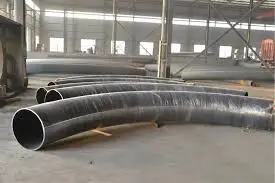
Customization options support different project configurations. Standard stock bends can handle most route needs, but for more complicated installs, you'll need custom solutions like compound angles, non-standard curves up to 20D, or transition pieces that fit different pipe schedules. The expert engineering team at JS FITTINGS can manufacture custom buttweld bends in sizes ranging from DN15 to DN1500, providing detailed shop drawings that perfectly align with your piping isometric layouts. Welded LSAW/HSAW bends up to 60 inches and seamless bends up to 24 inches cover all the different pipeline sizes that are used in industry projects.
Procurement Insights: Buying Carbon Steel and Stainless Steel Buttweld Bends
Bulk Purchasing vs. Project-Specific Orders
Consolidated buying methods are good for big projects. When you order full bend plans during the project planning phase, including all radii, angles, and sizes, you can get bulk price savings of about 15 to 20 percent compared to buying things one at a time. Just-in-time shipping is made possible by stocking deals with area distributors. This balances the costs of keeping inventory with the freedom of the plan. Our ability to support big EPC companies without supply interruptions is shown by the fact that we ship more than 90 containers on average every month.
Verifying Authenticity in Global Supply Chains
Material substitution and counterfeit products pose real risks, especially in markets for price-sensitive carbon steel, where lower types could be used instead. To protect quality, you can ask to check the plant, watch the heat treatment process, and have independent third-party testing done by companies like SGS or Bureau Veritas. Suppliers who are open about their manufacturing processes—our 7,000-square-meter plant has spectral analyzers and ultrasonic testing equipment, and we welcome client checks of it—build trust.
Reliable manufacturers can be identified by the completeness of their documentation. Full mill test reports according to EN 10204 Type 3.1, records of measurement inspections, heat treatment charts, and PMI analyses for every batch make it possible to track butt-weld bends. Our status as a certified provider to national oil companies shows that we follow strict documentation standards that meet the needs of government building projects.
Installation and Maintenance Considerations for Carbon Steel and Stainless Steel Buttweld Bends
Field Welding and Joint Integrity
Most of the time, SMAW (Shielded Metal Arc Welding) or FCAW (Flux-Cored Arc Welding) methods are commonly used to weld carbon steel bends, and the welding procedures must comply with applicable standards such as ASME Section IX or API 1104. The amount of preheating needed depends on the carbon equivalent and the temperature of the environment. For thicker walls, controlling the interpass temperature is necessary to keep hydrogen from cracking. For high-pressure or low-temperature uses, a post-weld heat treatment may be requested to ease stress in the area that was heated up.
Predictive Maintenance and Inspection Protocols
Ultrasonic thickness studies must be done on a regular basis on carbon steel systems at the bend extrados, where erosion and rust tend to gather. Holiday detectors are used to check the quality of coatings and find barrier breakdowns before underlying steel corrosion starts. Measurements of the cathodic protection potential show that the polarization levels are correct. If the results move out of the protective bands, corrective action is taken.
Cleaning the surface of stainless steel is an important part of care because iron bits from nearby carbon steel work can get inside and start crevice corrosion. Passivation treatments with citric or nitric acid liquids, done on a regular basis, repair the protective oxide layers. During turnarounds, stress corrosion cracking in chloride-exposed parts can be seen, and dye penetrant tests can prove the crack depth. Because of its inherent durability, stainless steel typically requires inspection only every 5 to 7 years, compared to the 2 to 3-year cycle required for coated carbon steel. This extended maintenance interval drastically cuts down on downtime and inspection costs for your buttweld bends.
Conclusion
When choosing between carbon steel and stainless steel buttweld bends, it's important to weigh short-term cost concerns with long-term performance needs. Carbon steel works great for projects that need to stay within a budget, have corrosion-prone areas that can be controlled, and have set upkeep plans. Stainless steel is worth the extra cost because it lasts longer, needs less upkeep, and is better for chemically aggressive or high-purity uses. Working with licensed companies that offer a wide range of products, strict quality control, and technical support will make sure that your pipeline infrastructure meets all of its safety, compliance, and working goals for as long as it is supposed to.
FAQ
1. Can carbon steel bends be used in moderately corrosive environments?
When carbon steel bends are covered by high-performance coatings like fusion-bonded epoxy or three-layer polyethylene systems, they work well in slightly corrosive conditions. Coatings will stick if the surface is properly prepared to meet SSPC-SP10 near-white blast standards. Cathodic protection is added to barrier protection, but it costs more for equipment and tracking. When the pH is less than 5, or the chloride content is more than 500 ppm, it is usually worth it to switch to corrosion-resistant metals, even though they cost more.
2. What certifications should I verify when purchasing stainless steel bends?
Ask for EN 10204 Type 3.1 mill test certificates that prove the materials' chemical make-up and their mechanical features. The manufacturer's quality control system is confirmed by ISO 9001 approval. Product-specific approvals, such as CE marking for European markets, GOST-R for CIS countries, or client qualifications from big oil companies like ADNOC and Petrobras, show that the product meets standards for the area and industry. Testing by an independent PMI makes sure that the grade is real, which stops material replacement scams.
3. How do I accurately specify the bend radius for my application?
The choice of bend radius has to do with balancing the need for room with the need for hydraulic efficiency and piggability. Pipeline screening tools usually need at least a 3D radius to be able to pass through safely. When the circles get smaller, the pressure drop and erosion possibilities on the intrados go up. Longer circles, like 5D or 8D, reduce flow disturbance but take up more room when installed. Check the applicable piping and project specifications, which define acceptable bend radii based on design conditions, pigging requirements, and stress limitations.
Partner with JS FITTINGS for Reliable Buttweld Bend Solutions
JS FITTINGS has been making high-quality buttweld bends out of carbon steel and stainless steel for over 40 years. They can make buttweld bends with sizes from DN15 to DN1500. Our ISO 9001-certified factory makes bends that meet ASME B16.49, API 5L, and ASTM standards. The bends can have curves from 2.5D to 20D and can be made at any angle you need based on your isometric plans. We are approved by NIOC, ADNOC, and Petrobras, and we ship more than 90 containers every month. We deliver 95% of them on time or earlier, and we have full mill paperwork and third-party inspection help to back this up. Partner with a premier buttweld bend manufacturer by emailing our expert engineering team at admin@jsfittings.com to discuss your specific project requirements. They offer reasonable prices, a quick response time of one hour, and technical knowledge to make sure your project meets safety, compliance, and schedule goals.
References
1. American Society of Mechanical Engineers. (2022). ASME B16.49: Factory-Made Wrought Steel Buttwelding Induction Bends for Transportation and Distribution Systems. New York: ASME Press.
2. American Petroleum Institute. (2021). API Specification 5L: Specification for Line Pipe (46th ed.). Washington, DC: API Publishing Services.
3. Davis, J.R. (Ed.). (2006). Corrosion of Weldments. Materials Park, OH: ASM International.
4. Mohitpour, M., Golshan, H., & Murray, A. (2007). Pipeline Design and Construction: A Practical Approach (3rd ed.). New York: ASME Press.
5. Bai, Y., & Bai, Q. (2014). Subsea Pipeline Design, Analysis, and Installation. Oxford: Gulf Professional Publishing.
6. Revie, R.W., & Uhlig, H.H. (2008). Corrosion and Corrosion Control: An Introduction to Corrosion Science and Engineering (4th ed.). Hoboken, NJ: John Wiley & Sons.
Send Inquiry
_1775030564781.webp "Blind Flange")
Related Industry Knowledge
- Differences Between AWWA Flanges and ANSI Pipe Flanges
- What is the material of A53 ERW Pipe?
- How thick is the FBE Coated Steel Pipe?
- FBE Coated Steel Pipe: The Ultimate Guide (Process & Specs)
- Internal Burr Removed ASTM A53 ERW Pipe for Precision Applications
- Buttweld Tee Manufacturing Guide: Seamless or Welded?
- What is the difference between seamless and welded pipe?
- Where can I buy carbon steel pipe?
- What is the temperature to weld carbon steel pipe?
- What is a plate flange used for?