
Carbon Steel Forged Steel Flange in Oil, Gas & Power Plants






2026-06-10 11:24:15
Every part is important when you're in charge of keeping important systems running. Carbon steel forged steel flanges are very important for connecting pipes, valves, pumps, and other equipment. They are the backbone of safe pipe systems in power plants, oil refineries, and gas processing plants. Unlike cast options, these forged parts go through high-pressure mechanical forming that refines their internal grain structure. This gives them better mechanical qualities that can withstand sudden changes in pressure and temperature without breaking.
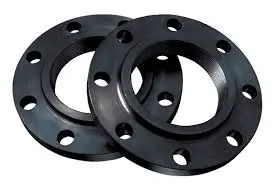
Understanding Carbon Steel Forged Steel Flanges in Industrial Applications
What Makes Forged Flanges Different from Cast Alternatives?
The main change is in the way the product is made. When liquid metal is put into moulds to make cast flanges, it often traps gas pockets and holes inside that reduce structural strength. When you forge carbon steel flanges, on the other hand, the steel remains in the solid state and is plastically deformed under high compressive forces. This process gets rid of empty spaces and aligns the grain flow with the geometry of the flange, making the whole flange face stronger. At JS Fittings, we make a full range of products, from standard weld neck configurations to custom blind flanges. All of them are designed to make sure that difficult industrial production lines don't leak and that the structure stays strong over time.
The improved internal grain structure makes the fatigue resistance higher, which means that carbon steel forged steel flanges can handle the repeated loads of tightening bolts and changes in internal pressure that happen in settings with continuous operation. This is especially important for systems that go through temperature cycles, because dimensional stability keeps the system from falling apart and the gaskets from failing.
Industry Standards That Ensure Safety and Consistency
Following established standards removes uncertainty from procurement decisions. You can find common pipe sizes in ASME/ANSI B16.5 from 1/2" to 24" and big diameter flanges in ASME B16.47 Series A and B from 26" to 60". For metric requirements, European projects usually use DIN/EN 1092-1. These standards spell out exact measurements, limits, and material needs that make sure products from different makers work together and cut down on problems during installation in the field.
Pressure ratings define suitable application ranges. The numbers 150, 300, 600, 900, 1500, and 2500 (or PN6, PN10, PN16, PN25, PN40, PN63, and higher pressure ratings depending on the applicable standard) show different pressure-temperature ratios. When engineers know these values, they can choose parts that meet safety margins without over-engineering. This keeps project costs low while keeping working reliability high.
Key Specifications That Impact Performance
The makeup of a material directly affects how long it will last in settings that are corrosive or hot. Low-carbon steel (containing 0.05% to 0.25% carbon) is very flexible and easy to weld, so it can be used in moderate-pressure situations where manufacturing time is important. Medium carbon steel (0.26% to 0.60% carbon) is often used in general industrial work because it has the best mix of strength and machinability.
High-carbon steels provide exceptional hardness; however, they are rarely specified for pressure-retaining flange applications due to significantly reduced weldability and lower impact toughness, which drastically increases the risk of brittle fracture under stress.
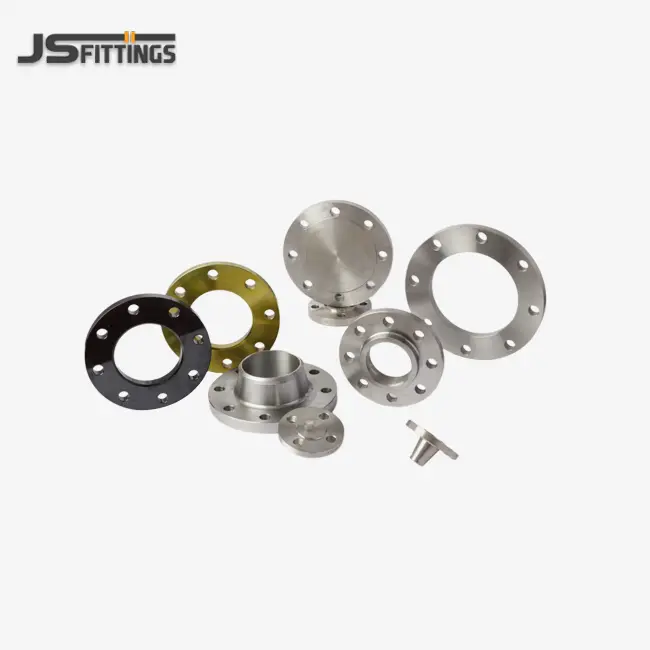
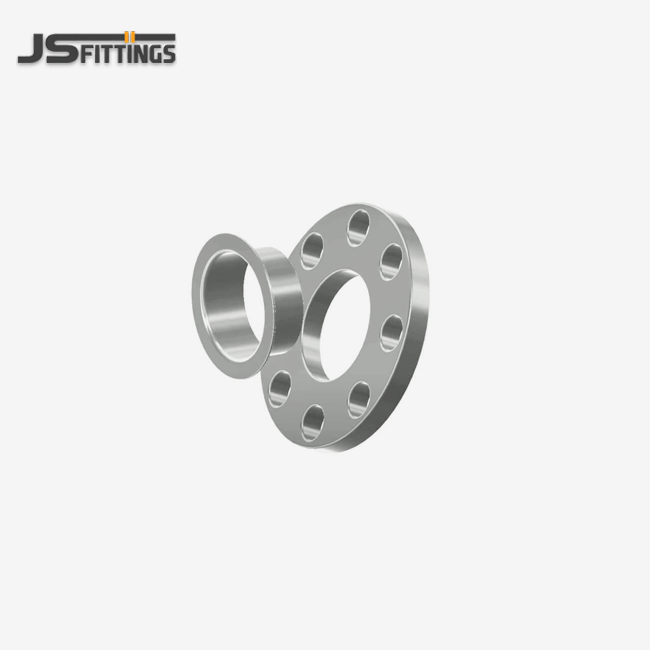
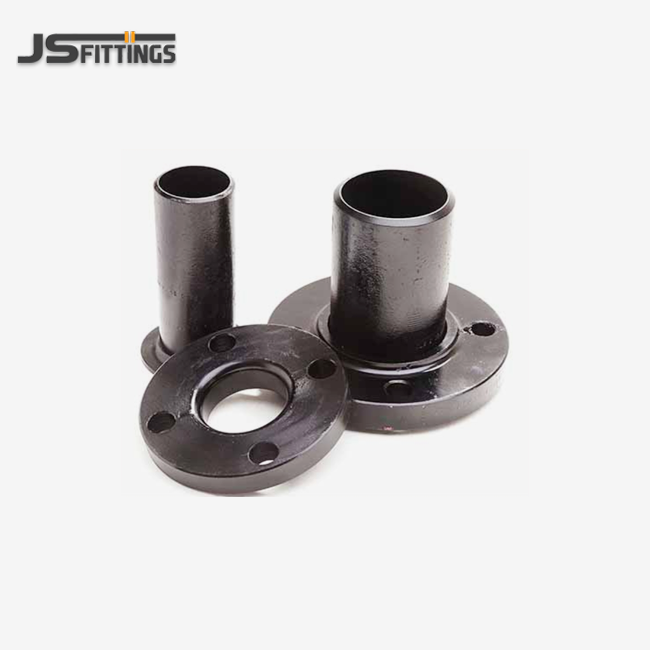
Different types of common flanges each solve a different fitting problem. Because their hubs are tapered and stress is spread out evenly, Weld Neck flanges are the strongest link for vital and high-pressure work. Slip-on flanges make it easier to line up the pipes during installation, and they work well for lines with less pressure. Blind flanges cover the ends of pipes or holes in vessels so that they can be maintained or expanded in the future. Socket weld and threaded configurations work well for high-pressure pipes with small diameters, where small pipe sizes and high-pressure service make socket weld connections practical. Lap joint flanges make it easier to take things apart and put them back together again when they need to be inspected or cleaned.
Comparison and Selection Criteria for Forged Steel Flanges
Material Toughness and Impact Resistance Differences
Material choice affects both the cost at the start and the cost over time. For normal commercial use in areas with mild corrosion, carbon steel forged steel flanges are a great value for the money because they are very strong. Stainless steel options are better at resisting corrosion in acidic situations or food-grade settings, but they are much more expensive. Some types of alloy steel use elements like chromium, molybdenum, or nickel to improve certain qualities, like resistance to creep at high temperatures or resistance to sulphide stress cracking in sour gas uses.
The method of shaping itself improves the performance of the material. Compression aligns grain flow and gets rid of internal discontinuities in forged parts, making them more resistant to impact than cast parts of the same size. This is very important in systems that have water hammer or pressure spikes because rapid stress builds up and can cause cracks in weak materials.
Understanding Carbon Steel Grades for Proper Application
ASTM A105 is the standard specification for carbon steel forged flanges used in a wide range of ambient and elevated-temperature services within applicable code limits for carbon steel forged flanges that are used in moderate-temperature work. ASTM A350 grades are used in low-temperature environments where impact toughness is important. They are often specified for cryogenic uses or installations in cold climates. Each grade goes through a different set of tests and heat treatments to make sure that its mechanical qualities meet the needs of the application.
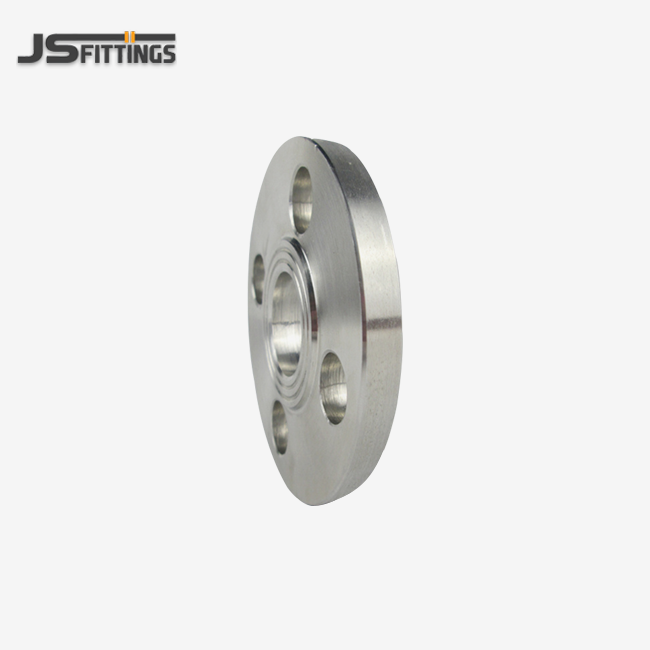
At JS Fittings, our CNC machining centres ensure that the flange faces meet the specified serration or surface-finish requirements. This makes sure that seals fit perfectly to stop leaks in high-vacuum or high-pressure situations. We keep very close tolerances on the alignment and width of bolt holes. This lets field teams use matched tools to do a perfect job, which cuts down on installation time and labour costs by a large amount.
Evaluating Material Options for Longevity
Surface cleaning makes things last longer in harsh settings. High-quality industrial black paint protects indoor setups cheaply while they are being moved and stored. A rust-preventive oil coating is commonly used for short-term corrosion protection when it is possible to remove the paint before fitting. Although hot-dip galvanising protects things for a long time in outdoor or marine settings, it raises the cost of the materials and needs to be considered when tolerances are important.
These safety measures make sure that parts get to job sites "ready to install", so they don't need to be prepared for installation beforehand, which slows down projects and costs more in work.
Procurement Insights for Carbon Steel Forged Steel Flanges
Verifying Supplier Reliability and Certification Compliance
Suppliers who are qualified keep certifications that show they manage quality consistently. With ISO 9001 approval, quality control is done in a planned way throughout the whole manufacturing process. Regulatory compliance is proven by industry-specific standards, such as CE marks for European markets or GOST-R for Russian users. When big energy companies like National Iranian Oil Company (NIOC), Abu Dhabi National Oil Company (ADNOC), or Petrobras approve a supplier, it's a third-party confirmation that the supplier can make the product and keep the quality high.
JS Fittings has all of these certifications and is an approved supplier for a number of national oil businesses. Our factory covers more than 7,000 square metres and has modern production rooms operated by dozens of skilled technicians. We've had yearly sales of more than RMB 100 million for three years in a row, and our average monthly orders are more than 50 containers. This shows that we can meet market needs and earn their trust.
Understanding Cost Drivers and Price Evaluation Strategies
The price of raw materials changes with the global steel market, and they usually make up 50 to 60 per cent of the cost of a finished carbon steel forged steel flange. Size and pressure class affect how hard it is to make. For example, bigger diameters and higher pressure grades need more material and more time to machine. Certification and testing cost money, but they provide important records for following rules and managing risk.
To establish clear and accurate pricing, procurement teams must thoroughly understand the manufacturer's Minimum Order Quantity (MOQ) policies and specific lead time requirements. Manufacturers keep stock of standard sizes and common materials, so they can offer lower MOQs and faster shipping windows. When you need special metals, non-standard sizes, or different types of facing, you usually need specialised production runs with longer lead times and higher MOQs to cover the set-up costs.
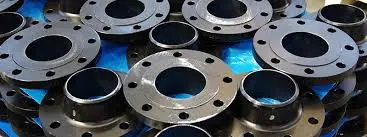
Managing Delivery Logistics and Supply Chain Risks
Logistics prices and schedules are affected by where production hubs are located. Chinese companies like JS Fittings can offer reasonable prices because their supply lines are well-established and they make a lot of products. However, you need to plan ahead for the time it takes to ship to North America or Europe. Regional wholesalers can send items more quickly, but they usually charge more because they have to keep more goods on hand.
Our method for managing supplies lets you set up different ways to place orders. We can meet standards from DN15 to DN2000, and our skilled engineering team can also handle special, custom products. With a monthly output capacity of 800 tonnes of pipe fittings and 700 tonnes of flanges, or up to 30,000 tonnes per year, we keep common configurations in stock and can also meet unique needs without charging too much for extra wait time.
Application-Focused Performance and Maintenance of Forged Carbon Steel Flanges
Typical Applications in Oil, Gas, and Power Generation
Pipeline trunk lines that connect wellheads to processing plants are always under pressure, with rare surges. Carbon steel forged steel flanges used in these situations need to be able to handle vibrations from turbulent flow and heat expansion from changes in temperature without leaking. Weld neck designs are the best way to spread stress in these tough situations.
When systems start up and shut down, the temperature changes a lot, which means that valve units need flanges that can handle this. The stable dimensions of forged parts keep the seal compressed even when the temperature changes. This stops fugitive leaks that cause safety and environmental problems.
Vibration and sometimes cavitation events that create shock loads make hookups to pumps difficult in their own way. The wear resistance built into the forged grain structure stops cracks from starting, which would damage the integrity of the seal over long periods of service.
Performance Under Extreme Conditions
When flanges are used in steam systems or thermal processing units at high temperatures, they can creep deform, which means they change size slowly over time while being loaded at high temperatures. The creep resistance depends on the material choice and the heat treatment. Adding molybdenum to a metal makes it work much better above 800°F.
Corrosive settings need materials that are carefully matched to the conditions of service. Standard carbon steel is commonly used in many sweet-service environments, subject to corrosion-rate evaluation and design requirements. with the right amount of rust margin. Sour service (H₂S-containing) needs materials that can prevent sulphur stress cracking, and this requires materials and hardness levels that comply with NACE MR0175 / ISO 15156 requirements.
Carbon steel forged steel flanges manufactured in accordance with ASME B16.5 are designed to meet the pressure-temperature ratings specified by that standard; this gives engineers the confidence to choose parts for important structures in the chemical and refinery industries. Our testing centres, which are equipped with spectral analysers and ultrasonic flaw detection tools, check the composition and internal integrity of materials before they are shipped.
Maintenance Practices That Extend Service Life
Protocols for regular inspections find possible problems before they break. Corrosion, mechanical damage, or gasket deterioration can be found by looking at it. Ultrasound measures of thickness can be used to estimate remaining service life. Verifying the bolt torque keeps the gasket compressed, which stops leaks from happening because of temperature cycles or creep relaxation.
Surface care depends on the surroundings and the way the surface is protected. Painted surfaces require touch-up where the paint has come off and shown the base metal. When zinc is added to galvanised parts, it forms a protective patina that doesn't need to be maintained until it runs out, which usually happens after a long time in normal settings.
Ultimately, the flange's service life is heavily dependent on selecting the correct sealing components and executing highly precise installation procedures.The material of the gasket has to match the type of flange face and the conditions of service. By following the manufacturer's instructions and the ASME PCC-1 suggestions for the right bolt tightening order and torque values, you can create uniform compression that stops leaks and keeps stress from building up too much.
Conclusion
The success of a project depends on choosing the right flange provider in terms of product quality, on-time delivery, and expert support. Carbon steel forged steel flanges from reputable companies have the strength, longevity, and precise measurements needed for safe, leak-free operation in tough oil, gas, and power uses. Procurement pros can easily define parts while keeping costs low if they know about material types, production methods, and industry standards. Strategic relationships with suppliers that focus on certification compliance, open communication, and flexible service offerings lower risks and support long-term operating success across key infrastructure projects.
FAQ
1. What pressure ratings are available for carbon steel forged-steel flanges?
Carbon steel forged steel flanges are made in ASME class ratings of 150, 300, 600, 900, 1500, and 2500. These ratings show the highest working pressures at different temperatures. PN6, PN10, PN16, PN25, PN40, and PN64 are some of the European standard PN names. The right rating is based on the working pressure, temperature, and safety margins needed by insurance companies and building rules.
2. How do I verify supplier quality certifications?
Ask for copies of ISO 9001 certificates and qualifications related to your business, such as CE, GOST-R, or NACE compliance documents. Check with well-known energy companies to see if they are approved suppliers. Ask for mill test records that list the materials used and their mechanical qualities for the most recent production batches. Reliable suppliers are happy to give you this paperwork and are open to site checks or visits by a third party.
3. What lead times should I expect for custom specifications?
Standard sizes in popular materials usually ship two to four weeks after the store is stocked. Custom standards that need dedicated production runs usually take between 6 and 10 weeks, based on the size, number, and testing needs. Lead times may go up to 12 to 14 weeks if the alloys are complicated or the sizes aren't common. Sharing project dates early on helps suppliers plan output better and avoid delays as much as possible.
Partner with JS Fittings for Your Carbon Steel and Forged Steel Flange Requirements
JS Fittings offers carbon steel and forged steel flange solutions that are reliable. They have been making high-quality products for over 40 years and have been tested to work in harsh industrial settings.As a premier manufacturer of certified forged flanges, holding ISO, CE, and GOST-R certifications along with approved vendor status for NIOC, ADNOC, and Petrobras, we intimately understand how critical premium piping components are to your project's success. We are committed to always meeting buyer standards, as shown by our 95% on-time delivery rate and 98% customer retention rate.
With our modern CNC machining centres and strict quality control systems, we can ship more than 90 containers every month and meet special requirements from DN15 to DN2000. Our professional team answers all of your questions within an hour and gives you personalised advice on material choice, pressure ratings, and application fit. Contact admin@jsfittings.com right away to talk about your project needs and find out how our complete flange solutions, low prices, and reliable service can help you reach your business goals in power, gas, and oil infrastructure.
References
1. American Society of Mechanical Engineers, "ASME B16.5: Pipe Flanges and Flanged Fittings NPS 1/2 Through NPS 24 Metric/Inch Standard," ASME International, 2020.
2. American Petroleum Institute, "API Standard 6A: Wellhead and Tree Equipment," 19th Edition, API Publishing Services, 2019.
3. Bhandari, S. and Kumar, R., "Comparative Analysis of Forged versus Cast Steel Flanges in High-Pressure Applications," Journal of Materials Engineering and Performance, Vol. 28, No. 6, 2019.
4. European Committee for Standardization, "EN 1092-1: Flanges and Their Joints - Circular Flanges for Pipes, Valves, Fittings and Accessories," CEN Brussels, 2018.
5. National Association of Corrosion Engineers, "NACE MR0175/ISO 15156: Petroleum and Natural Gas Industries - Materials for Use in H2S-Containing Environments," NACE International, 2021.
6. Smith, J.M. and Thompson, D.L., "Forging Processes and Grain Structure Effects on Mechanical Properties of Carbon Steel Components," Materials Science and Technology Conference Proceedings, 2020.
Send Inquiry
Related Industry Knowledge
- ASTM A105 Weld Neck Flange: Complete Guide
- What is the service life of an ASME B16.5 carbon steel flange?
- How Are Carbon Steel Forged Steel Flanges Heat Treated?
- What is an API 5L Seamless Steel Line Pipe?
- ASTM A53 ERW vs Seamless Pipe: Strength and Usage Comparison
- Key Considerations With ANSI Pipe Flanges
- How to Select a Buttweld Reducer for Process Piping?
- A105 Carbon Steel Forged Steel Flange for Refinery Piping
- Buttweld Elbow vs Socket Weld Elbow: Key Differences Explained
- What specification is the carbon steel black pipe?