
How to Select a Buttweld Reducer for Process Piping?






2026-06-11 09:58:10
To choose the correct buttweld reducer for process pipe, you must first understand how your system works. A reducer joins pipes of different sizes together with permanently welded joints that help maintain smooth flow transitions and minimize unnecessary pressure loss and turbulence. To make the right choice, you need to look at pressure levels, temperature ranges, fluid properties, and how well the materials work together. Whether to use a concentric or an eccentric design relies on the direction of flow and whether air trapping or draining is a problem. To ensure safety, stability, and long-term performance in tough industrial settings, it's important to match wall thickness schedules, make sure dimensions meet ASME B16.9 standards, and buy from certified makers.
Introduction
Industrial piping systems are made up of process pipe systems that move fluids with different temperatures and pressures. Reducers are very important in these complicated networks because they let pipes of different sizes connect to each other without affecting the flow or the structure. Picking the right reducer affects not only the cost of installation but also the safety of operations, the cost of upkeep, and the dependability of the system over time.
It is very important for sourcing managers, engineers, and dealers who work in B2B markets to understand the technical details and quality standards of these parts. Bad choices can cause things to break down early, cause unplanned downtime, and cost a lot of money. This guide gives you useful information about different types of reducers, materials to think about, selection criteria, and the best ways to buy things so that you can make smart choices that fit your project needs and your budget.
Understanding Buttweld Reducers: Types, Specifications, and Applications
By making a tapered link between two pipe sizes, reducers make it easier for pipe systems to go from one pipe size to another. This design keeps the flow from getting messed up and stops the turbulence that can lead to erosion, cavitation, and changes in pressure. Unlike threaded or flanged links, welded reducers make joints that are solid, leak-proof, and can handle high pressures and high temperatures.
Concentric vs. Eccentric Configurations
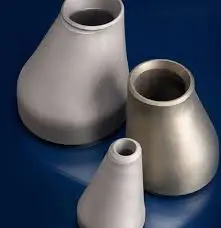
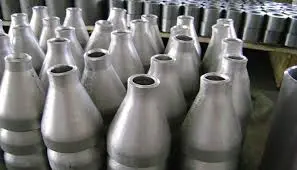
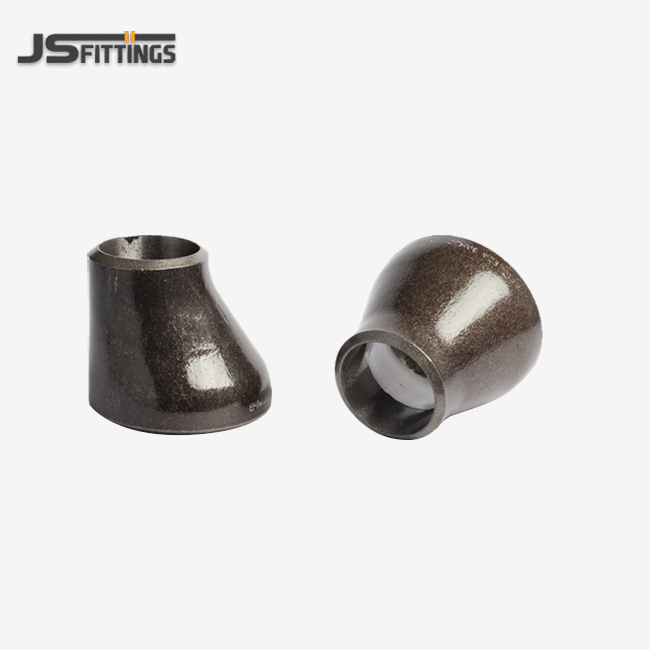
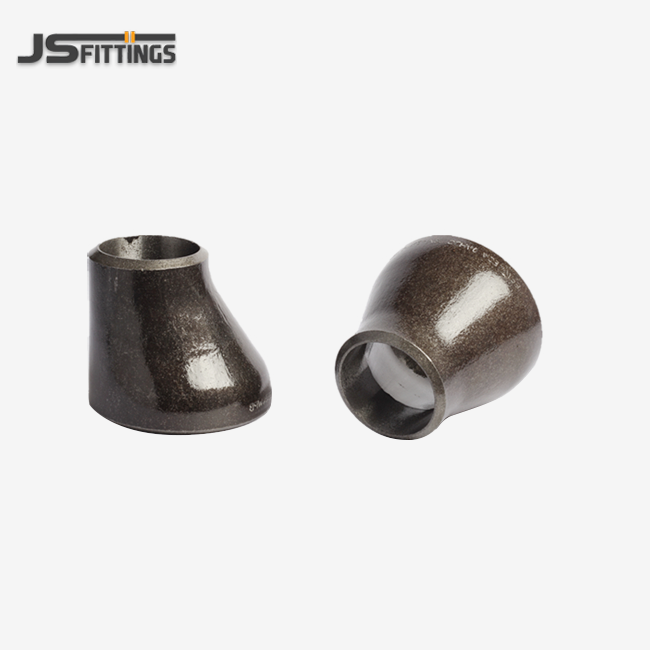
There are two main versions that meet different operating needs. Concentric reducers keep the centerlines of the bigger and smaller pipe ends aligned, making a conical form that is symmetrical. This design works well for vertical pipe runs and situations where keeping the flow symmetrical stops the speed spread from being uneven. By encouraging smooth flow patterns, concentric reducers also cut down on flow-induced noise.
One flat side of an eccentric reducer keeps the ends of either the top or bottom pipes straight. This design is very helpful for horizontal runs that need to drain liquid or control air flow. Putting the flat side down makes it easier for water to run away, which keeps water from building up and causing rust or freezing. On the other hand, putting the flat side up at the pump suction lines stops air pockets from forming, which would hurt the pump's performance and lead to cavitation.
Material Portfolio and Standards
The choice of material has a direct effect on how well it resists rust, how strong it is, and how long it lasts. Carbon steel reducers manufactured to ASTM A234 WPB specifications provide suitable strength for many pressure applications, have a high tensile strength, and don't break down easily. They are also very cheap. These work well with water, steam, and other fluids that don't corrode. But in wet or corrosive places, carbon steel needs protective coats like hot-dip galvanizing, epoxy, or black paint.
ASTM A403 types of stainless steel reducers, such as WP304, 304L, 316, and 316L, offer better corrosion protection for chemical processing, food and beverage, and pharmaceutical applications. The low-carbon 316L grade improves weldability and helps prevent sensitization in the heat-affected zone. Alloy steel reducers that meet the requirements of ASTM A234 WP11, WP22, and WP91 can be used in power plants and industrial plants where temperatures are higher than 400°C and still keep their strength and resistance to creep.
Size Ranges and Manufacturing Methods
Reducers are commonly manufactured in sizes ranging from small-bore dimensions up to large-diameter configurations, depending on the applicable standard and manufacturing capability, and are made from solid pipe or billet, so there are no longitudinal seams. For important high-pressure gas and steam services, seamless construction is the best choice because the walls are all the same width and the pressure values are higher. Welded reducers made from rolled plate with a longitudinal seam are a cost-effective way to meet bigger diameter needs up to 80" × 72". They keep their structural integrity when heated properly and examined.
You can choose wall thicknesses from Schedule 10S to XXS, and they are manufactured with wall thicknesses suitable for a wide range of pressure applications, depending on design conditions and applicable codes. Following the rules set by ASME B16.9, EN 10253, DIN 2616, and MSS-SP-75 guarantees that measurements will be the same and that materials can be tracked across foreign markets. Beveled ends that are cut to 37.5° ±2.5° in accordance with ASME B16.25 make full-penetration welding easier, which is important for making joins that are X-ray quality in code-required situations, such as with a buttweld reducer.
Industrial Applications
Chemical processing plants use corrosive acid and alkaline handling systems with stainless steel reducers. The material purity keeps pollution and environmental dangers at bay. High-strength alloy reducers are used in transfer lines for oil and gas pipes that work under very high temperatures and pressures. Power plants use special alloy reducers in the water and steam that feed the boilers. These reducers need to be able to handle temperature cycles and wear and tear. For local distribution networks, water treatment plants use coated and carbon steel reducers that are both cost-effective and last a long time.
Criteria for Selecting the Right Buttweld Reducer for Your Project
To choose the right reducer, you need to carefully look at a lot of technical and practical factors that affect both its performance right away and its costs over its entire life.
Pressure and Temperature Parameters
The minimum wall thickness and material grade are based on the operating pressure. Required wall thickness should be determined by pressure design calculations in accordance with the applicable piping code to keep safety gaps at a good level. Extreme temperatures affect the choice of material. Carbon steel is widely used within its allowable temperature limits as defined by applicable design codes, while alloy steels like WP11 and WP22 stay strong and don't rust up to 600°C. Low-temperature carbon steel types like ASTM A420 WPL6 that don't break easily are needed for cryogenic uses below -46°C.
Fluid Characteristics
Corrosion protection needs are set by the nature of the fluid. Fluids that are acidic (pH below 4) need stainless steel or special metals that contain molybdenum. For abrasive slurries with grains in them, hardened alloy steel or forms that are immune to erosion and have thicker walls where they wear are best. Both gas and liquid services typically require properly manufactured and inspected reducers appropriate for the design conditions as long as they are properly checked by NDT.
Dimensional Matching and Tolerances
Accurate measurement specifications keep welding problems and expensive changes in the field from happening. Both the standard pipe size and the schedule of the connected lines must be the same for the reducer to work. When combining pipes with different schedules, transition reducers with machined bores keep the inside surfaces clean, which stops erosion and turbulence. End-to-end length affects the amount of room needed for placement and needs to work with how pipes are already set up. Outside diameter tolerances according to ASME B16.9 make sure that the parts fit together correctly, and checking the wall thickness at both ends makes sure that there is enough material left over after the forming processes.
Design Code Compliance
Following established design codes meets government standards and makes it easier to get projects approved. Process piping in refineries and chemical plants is strictly governed by ASME B31.3, which meticulously outlines permissible material types, pressure-temperature ratings, and rigorous inspection standards for all critical components, including carbon steel buttweld reducers.ASME B31.1 covers power pipes in boilers and steam systems that need to meet stricter stress analysis standards. For European installations, international projects may need to follow EN 13480, and for Japanese installations, they may need to follow JIS B2311. The right certificates for materials, like EN 10204 3.1 mill test certificates that list the chemical makeup and mechanical properties, make it possible to track the materials, which is important for quality control and managing liability.
Comparing Buttweld Reducers with Alternative Solutions
By knowing the performance trade-offs between connection methods, you can make better design choices that balance cost, reliability, and the speed of installation.
Butt-Weld vs. Threaded Connections
Threaded reducers can be installed without tools in small-bore uses up to 2 inches in diameter. This saves money on work costs for services that aren't very important. Threaded connections, on the other hand, create stress concentration places that can fail from wear when pressure is cycled. Over time, heat expansion and shaking make the threads less engaged, which raises the risk of a leak. Welded reducers have a continuous metal structure that takes away these weaknesses. Butt-welded connections are commonly preferred for higher-pressure, higher-temperature, and critical-service applications. Dynamic loads, temperature stress, and vibrations can't break down the fixed joint.
Butt Weld vs. Socket Weld Alternatives
When it comes to small-bore equipment and extra pipes, socket weld fittings are easier to install than buttweld connections. The socket form makes fitting easier, which means that welders don't need to be as skilled. But socket welds leave cracks that corrosive fluids can get stuck in, which leads to localized rusting in chemical services. The failure life is shorter for fillet welds than for full-penetration butt welds because they focus stress. Buttweld reducers get rid of cracks inside the metal and spread stress evenly, which makes the extra work needed for fitting worth it in harsh settings and high-cycle uses.
Configuration Selection Considerations
Because the stress is spread out evenly, concentric reducers can handle higher pressures and work best in tall positions where draining is not a problem. Eccentric reducers stop pump cavitation in suction pipes and make it easier for liquid to drain completely in horizontal runs. This lowers the cost of upkeep and the need for freeze protection. However, eccentric configurations may require consideration of flow characteristics and piping layout during design. The difference in cost is still very small, so choosing a setup is mostly a scientific matter and not an economic one.
Lifecycle Value Analysis
Even though welded reducers cost more at first than threaded ones, they end up being much cheaper to own in the long run. Permanently welded parts get rid of the need to fix leaks over and over again, cut down on unexpected downtime, and contribute to long service life when properly designed, installed, and maintained. The higher costs of materials for types of stainless or alloy steel are balanced out by lower upkeep costs and better safety performance. Ultimately, the premium paid for superior dependability is easily justified in critical applications, where any failure could trigger catastrophic environmental damage and massive losses in halted production.
Conclusion
To choose the right reducer, you need to carefully look at the technical needs, working situations, and quality standards. Knowing the differences in configurations, the features of materials, and the sizes of things lets you make smart choices that balance performance needs with price limits. Working with certified manufacturers who give tested quality systems, thorough testing, and quick expert help lowers the risk of buying something and makes sure it meets international standards. The quality chain is completed by using the right installation methods and checking the work after installation to ensure long-lasting, reliable performance in tough process pipe applications. Buying better reducers will pay off in the long run by making things safer, requiring less upkeep, and lasting longer.
FAQ
1. What determines whether to use a concentric or eccentric reducer?
The choice of configuration varies depending on how the pipes are arranged and the needs of the process. When you need uniform flow distribution with little noise and turbulence, concentric reducers are the best choice for vertical runs. When horizontal pipes are used, eccentric reducers are very important because the flat side facing downwards makes draining easier and stops rust from fluid buildup. Putting the flat side up at the pump suction gets rid of the air pockets that cause cavitation and poor performance.
2. Can reducers accommodate different pipe schedules?
When used correctly, reducers connect lines with walls of different sizes. Transition reducers have polished interior bores that keep the profiles smooth so that flow doesn't get messed up. Reducer wall thickness should be selected according to the connected pipe schedules and design requirements. Internal transition geometry should comply with applicable engineering and code requirements. This makes sure that the shift is smooth and that stress is spread evenly.
3. How do seamless and welded reducers compare?
When manufactured without a longitudinal weld seam, seamless reducers don't have any longitudinal seams. They have higher pressure rates and consistent qualities, making them perfect for high-pressure gas services that need to be reliable. Welded reducers made from rolled plate can handle larger sizes up to 80 inches and are less expensive. They work well for most liquid services as long as they are properly heated and tested according to the rules.
4. What documentation should accompany reducer shipments?
Full paperwork includes EN 10204 3.1 mill test certificates that prove the chemical makeup and mechanical properties; dimensional inspection reports that prove compliance with ASME B16.9; heat treatment records (if needed); and material traceability that connects products to specific heat numbers. This paperwork helps with the long-term management of assets, making sure regulations are followed, and checking the quality of industry projects.
Partner with JS FITTINGS for Reliable Buttweld Reducer Solutions
JS FITTINGS has been making things for more than 43 years and works with EPC builders, distributors, and industry end-users all over the world and in the United States. As a qualified provider for big energy companies like Petrobras and ADNOC, we keep our ISO 9001 certification and full quality control systems in place to make sure that our products are always of the highest standard. We have a huge selection of pipes from DN15 to DN2000, both seamless and welded, and in a variety of materials, such as ASTM A234 WPB carbon steel, A403 stainless steel grades, and high-temperature alloy steels. Our precision CNC beveling, 100% ultrasonic wall thickness verification, and machined concentricity maintained within 1 mm yield ready-to-install components. These exacting standards drastically reduce field fit-up time and virtually guarantee high-quality, full-penetration welded joints.We can help with the supply chain for any size project because we ship more than 90 containers every month and have an on-time arrival rate of over 95%. Get in touch with our technical team at admin@jsfittings.com to talk about your unique needs and get personalized advice from a reliable buttweld reducer maker that cares about the success of your project.
References
1. American Society of Mechanical Engineers. "ASME B16.9 - Factory-Made Wrought Buttwelding Fittings." ASME International, 2018.
2. American Society of Mechanical Engineers. "ASME B31.3 - Process Piping: ASME Code for Pressure Piping, B31." ASME International, 2020.
3. ASTM International. "ASTM A234 Standard Specification for Piping Fittings of Wrought Carbon Steel and Alloy Steel for Moderate and High Temperature Service." ASTM International, 2019.
4. ASTM International. "ASTM A403 Standard Specification for Wrought Austenitic Stainless Steel Piping Fittings." ASTM International, 2021.
5. European Committee for Standardization. "EN 10253 Butt-Welding Pipe Fittings - Part 2: Non-Alloy and Ferritic Alloy Steels with Specific Inspection Requirements." CEN, 2017.
6. Manufacturers Standardization Society. "MSS SP-75 Specification for High Test, Wrought, Butt Welding Fittings." MSS, 2019.
Send Inquiry

Related Industry Knowledge
- What is ASME B16.5: A Guide to ASME B16.5 carbon steel flange
- Custom Heavy Duty Forged Steel Flanges for High-Pressure Systems
- Getting to Know ASTM A53 ERW Pipe: Characteristics & Uses
- ANSI Pipe Flanges Dimensions and Selection Guide for 2026
- CRA Clad Pipe vs Mechanically Lined Pipe: Key Differences Explained
- What is carbon steel pipe made of?
- What Are the Types of Buttweld Elbows in ASME B16.9 Systems?
- Carbon Steel vs Stainless Steel Buttweld Bend: Which to Use?
- Buttweld Bend vs Elbow: Key Differences Explained
- How are stainless steel butt weld fittings measured?