
What Are Slip-On Flanges?






2026-06-25 10:17:07
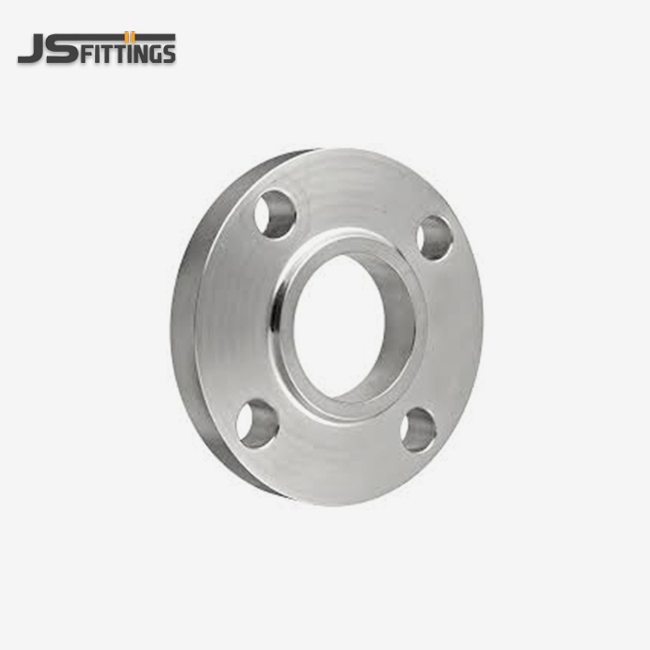
A steel slip-on flange is a special part for connecting pipes that is meant to slide over the outside diameter of the pipe and then be held in place with two fillet welds, one inside and one outside the flange body. It's different from other butt-weld options because the flange's internal bore is slightly bigger than the pipe's external diameter. This makes fitting easier without needing to be perfectly aligned. At JS FITTINGS, we design these flanges to provide reliable joints that won't leak for networks of low- to medium-pressure pipes. Our manufacturing skills include water treatment plants, industrial cooling circuits, and light hydrocarbon transmission lines that need to be put together in a way that doesn't take up too much space or needs to be fixed on a regular basis.
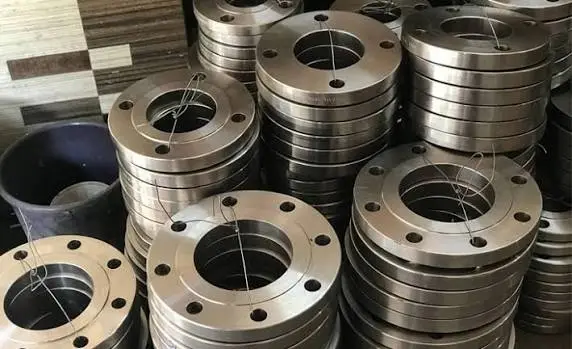
Understanding Steel Slip-On Flanges
Basic Definition and Design Principles
The basic structure of a slip-on flange is a sitting face that is either raised or flat, and the hub height is smaller than in weld-neck designs. Installers leave a controlled space of about 1.6 millimeters (1/16 inch) between the pipe end and the flange face when they put the pipe end into the flange hole. This distance keeps the gasket surface from getting damaged during welding processes inside the gasket. The double-fillet weld design makes a strong mechanical bond that works well in non-critical service settings. However, the high stress levels at the weld roots make it less useful in situations with cyclic loading.
Industrial Applications and Service Conditions
These flanges are used a lot in manufacturing plants in extra systems where pressure changes aren't important. They are put in place on dilution water lines in chemical processing plants and on secondary cooling loops in power plants. The small hub shape works well in offshore platforms with narrow pipe paths, and the option to rotate the hub before welding is very helpful for retrofit projects. They are commonly used by municipal infrastructure teams for potable water distribution networks operating at moderate pressures because they require less installation work than tapered hub options.
Standards Compliance and Material Specifications
Our production follows ASME B16.5 for nominal pipe sizes from 1/2 inch to 24 inches. For larger sizes up to 60 inches, ASME B16.47 Series A and B are used. For metric accuracy, European projects use EN 1092-1 and DIN norms. For work at room temperature, ASTM A105 carbon steel is available. For cryogenic uses, A350 LF2 is available, and different types of stainless steel, such as 304L and 316L, are available for areas that are corrosive. There are different working limits for each pressure class (150, 300, 600, 900, and 1500), but Classes 150 and 300 are the most common because they are the strongest and least expensive.
Dimensional Characteristics and Tolerances
With precision cutting, bore tolerances of +1.0/-0.0 millimetres are guaranteed, which means that normal schedule pipes will fit and weld gap variation is kept to a minimum. For effective gasket compression, raised-face finishes usually have a surface roughness of between 3.2 and 6.3 micrometres Ra. Bolt hole designs have to be very accurate about where they are, and their diameters have to be kept to within 0.8 millimetres so that they fit perfectly with other parts. Hub thickness changes based on pressure class. For example, Class 300 examples have a base thickness of about 11 millimetres to prevent bent moments when the bolt is tightened.
Comparing Slip-On Flanges with Other Flange Types
Structural Differences from Weld Neck Flanges
Weld neck designs have a gentle curve that goes from the pipe wall to the flange hub. This lets full-penetration butt welds happen, which spreads stress evenly across the joint. Because of this shape, they work better for uses that involve high-pressure steam lines and harsh thermal cycles. Slip-on flanges, on the other hand, have a rounded hub with fillet welds that are perpendicular to each other. This makes notches that focus stress. For proper joint preparation, weld necks need beveling tools and trained fitters. Slip-on versions, on the other hand, make fabrication easier by not requiring bevel cutting and allowing changes after placement. A comprehensive cost analysis typically reveals that slip-on flanges are 15% to 25% more cost-effective in initial procurement than equivalent weld-neck versions of the exact same size and material grade.
Comparison with Lap Joint and Threaded Alternatives
Lap joint flanges have a short end and a loose backing flange that make it easy to rotate the bolt holes and change the gaskets without having to touch the pipes. This two-piece system, on the other hand, raises the cost of materials and makes it possible for parts to not line up correctly. Threaded flanges don't need to be welded because they have NPT or BSPT tapered threads. This makes them good for making quick changes in low-vibration environments, but thread contact limits pressure capacity and creates leak paths when temperatures rise. Socket weld flanges offer better fatigue resistance than steel slip-on flanges and slip-on types because they don't have an internal weld. However, they don't allow for rotational adjustment, which makes fitting easier in the field.
Material Selection: Carbon Steel vs. Stainless Steel
Slip-on flanges made of carbon steel that are forged from A105 are commonly used for dry gas service and treated water systems where corrosion conditions are relatively mild, and they cost a lot less to make than stainless metals. Their ability to be machined cuts down on production time, and heat treatment choices like normalisation make them more resistant to impact in subzero temperatures. In chemical process businesses that work with acidic or chloride-rich fluids, stainless steel is better than ferritic steel because it doesn't pit or corrode in cracks. For long-term asset stability, grade 316L stainless steel flanges are worth the extra money because they offer good corrosion resistance in many marine environments and certain sulphuric acid services. When engineers choose between ferrous and austenitic materials, they have to weigh the original cost against the cost of upkeep over the product's lifetime.
Procurement Guide for Steel Slip-On Flanges
Key Pricing Drivers and Cost Optimisation
Choosing the right material grade has the biggest effect on unit prices. For example, flanges made of common carbon steel cost about a third as much as flanges made of duplex stainless steel that are the same size. The cost goes up in an unpredictable way as the size goes up. For example, doubling the size usually triples the price because the weight and complexity of the forge go up at an exponential rate. Getting third-party approval from companies like Lloyd's Register or Bureau Veritas raises the base price by 8 to 12 percent, but it's necessary for insurance and government regulations. Buying in bulk takes advantage of economies of scale, and orders for a container load of goods often get 15 to 20 percent off of small-lot orders. Strategic buyers make yearly deals that lock in volume promises to keep prices stable when raw material prices change.
Identifying Reputable Manufacturers and Suppliers
Credible manufacturers keep ISO 9001 certification, which shows that they have a system for controlling quality, and industry-specific certifications like API 6A or PED compliance show that they can handle tough uses. In order to figure out how much production capacity, monthly output tonnes and forge press specs there are, they must be looked at. Facilities with 4,000-tonne presses can make large-diameter forgings more cost-effectively than smaller shops that have to hire outside help. Checking with past customers shows that suppliers are reliable when it comes to shipping and expert help, with defect rates staying below 0.5 percent for long-term suppliers. Online platforms allow for preliminary screening, but site checks are still the best way to make sure that the heat treatment equipment, optical emission spectroscopy capabilities, and material traceability systems work before closing strategic relationships.
Custom Specification Requirements
For non-standard projects, the bore of a forged steel slip-on flange may need to be changed to fit lined pipes, the face may need to have a special finish for graphite seals, or the metal may need to be upgraded for hydrogen sulfide service. To communicate technically clearly, you need to list the minimum size, pressure class, face type, material grade with heat treatment requirements, and testing standards that apply. To be in line with NACE MR0175, materials must meet the applicable hardness limits specified by NACE MR0175 for the selected material grade and be tested for sulfur stress cracking. When connecting to existing buildings, drawings should show which way the bolt holes should face. Custom forgings usually have longer lead times than normal catalog items—8 to 12 weeks longer—so you need to start working with makers early on in the project planning stages.
Certification and Quality Documentation
Full material test results include records of the material's chemical make-up, as shown by optical emission spectroscopy, its mechanical qualities, as shown by tensile and Charpy impact testing, and its dimensions. Mill certificates that can be linked to heat numbers make it possible to track lots if problems happen in the field. Non-destructive examination records show the results of ultrasonic testing to see if the part is solid on the inside and magnetic particle inspection to see if the surface has any flaws. For important uses, third-party witness testing adds extra security, and inspector stamps confirm compliance before shipping. Digital document management systems make it easier to keep track of audit trails, which help with quality checks and guarantee claims throughout the lifecycle of a product.
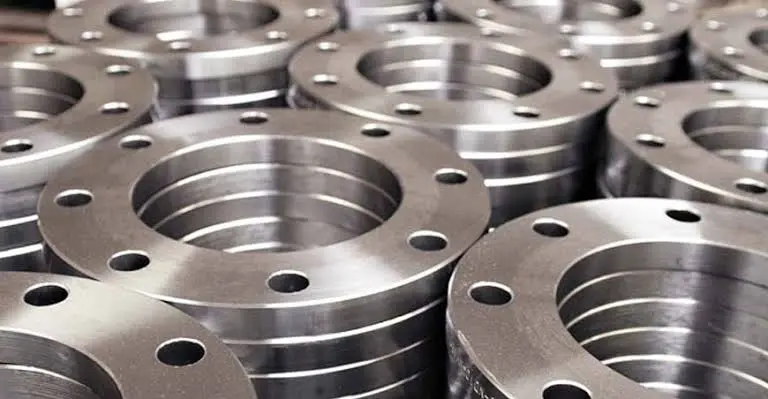
Advantages and Installation Overview of Steel Slip-On Flanges
Operational and Economic Benefits
Compared to weld neck flanges, the simpler alignment process cuts installation time by about 30 percent because fitters can spin the flange to match bolt holes after the first pipe is inserted. Less heavy materials are easier to move and less expensive to carry, especially on busy job sites where crane access is still limited. The dual-weld design makes the parts strong enough for steady-state pressure systems while also letting them be taken apart for inspection, which is very helpful in fields like food preparation that need a lot of upkeep. Reusability increases the value of an asset because flanges that aren't broken can be taken off, cleaned, and put back on with new gaskets during turnaround activities. The small hub shape takes up less room in pipe racks that are already packed tight, which lets you make tighter routing patterns.
These practical benefits directly lead to lower project costs. Purchasing teams save money on the initial cost of materials, and building managers benefit from shorter critical path times that allow for faster installation plans. Maintenance teams like that know regular checks can be done without cutting lines, which cuts down on the costs of planned outages that cause downtime.
Step-by-Step Installation Best Practices
Making sure the pipe's outside diameter matches the flange bore specifications and leaving approximately 1.6 millimetres of space is the first step in a proper fitting. Place the flange on the end of the pipe so that it leaves the gap from the face that was already stated. Tack weld the flange at three evenly spaced points to stop it from turning, then make sure the bolt holes line up with the other parts that fit before using qualified welding techniques to finish the external fillet weld. After the external weld is finished and has cooled, do the internal fillet weld to seal the joint between the hole and the pipe. Make sure to keep the heat input low to avoid bending. Magnetic particle or dye penetrant tests done after the weld finds surface discontinuities, and measurement checks make sure the flange face is flat. After cleaning the surface, the gasket is put on, and slow compression is applied in a star design to make sure that the seating stress is the same everywhere.
Pressure Rating and Performance Data
Class 150 flanges can handle pressures of up to 19.6 bar at room temperature and are good for low-pressure process lines and general utility services. Class 300 versions can handle up to 51 bar and are used in chemical applications and steam distribution systems that don't need to be very strong. Higher ratings, like Class 600 and 900, are used for specific tasks in high-pressure gas compression and hydrocarbon processing. However, engineers must take into account that ASME Section II Part D says less stress is acceptable at high temperatures. The choice of material affects performance limits; 316 stainless steel stays stronger at 400°C than carbon steel, which loses a lot of its strength above 350°C. Weight tables in measurement standards help structural engineers figure out how much weight to put on pipes that need to be supported. For example, a 6-inch carbon steel Class 300 flange from a steel slip-on flange manufacturer weighs about 15 kilograms.
Conclusion
When it comes to industrial pipe systems, slip-on flanges are a practical choice because they make fitting faster and cheaper. Their design makes them easier to put together than weld-neck options, and they still work well enough for low- to medium-pressure uses. The ability to work with different types of materials, like carbon steel, stainless alloys, and custom grades, makes it useful in many fields, from chemical processing to city water. To be successful at procurement, you need to know what the pressure rating standards are, check the certifications of the suppliers, and find a balance between the initial prices and the reliability over the lifecycle. When properly specified and put according to best practices in the industry, these flanges can provide decades of reliable service with appropriate inspection and maintenance. They will support the business uptime and safety goals that make industrial projects successful.
FAQ
1. Can slip-on flanges be radiographically tested after welding?
Radiographic testing is generally not the preferred inspection method for slip-on flange fillet welds because their geometry makes interpretation difficult. Instead, surface discontinuity spotting can be done effectively with magnetic particle inspection for ferromagnetic materials or dye penetrant tests for non-magnetic metals. These methods show cracks, partial fusion, and holes at the weld toes, which are places where stress builds up.
2. Why are some standards lower for slip-on flanges than for weld neck types?
The sudden change in shape at the fillet weld root causes stress concentration factors that shorten the fatigue life when the load is cycled. Even though the flange body meets the standards for its class rating, conservative engineering techniques use reduction factors for uses that involve changing temperatures or pressures. Weld neck flanges offer better fatigue resistance because the stress is spread out more slowly through their curved hubs.
3. What corrosion protection suits carbon steel flanges in outdoor service?
Black oxide or yellow anti-rust oil are common shop finishes that protect things temporarily while they are being stored or shipped. For projects that will last for a long time, you need hot-dip galvanising, epoxy finishes, or paint systems that are made for the environment. Marine environments and chemical plants often need zinc coatings that are approximately 250 micrometres thick. Indoor utilities may only accept shop primer, though.
Partner with a Trusted Steel Slip On Flange Manufacturer
JS FITTINGS leverages state-of-the-art quality control systems and over 40 years of manufacturing excellence to deliver premium components engineered for the harshest industrial environments. Our 7,000-square-meter facility produces over 800 tons of flanges monthly, proudly serving customers across 30 countries with a steadfast on-time delivery rate exceeding 95%. We manufacture top-tier steel slip-on flanges in sizes ranging from DN15 to DN2000, strictly complying with ASME, DIN, and EN standards and fully supported by comprehensive material traceability documentation.
Our dedication to quality is shown by our ISO recognition and approval from major energy companies. Our low prices and variable MOQs allow us to handle both large-scale projects and unique needs. Email our skilled staff at admin@jsfittings.com with your requirements to talk about how our wide range of products, technical know-how, and quick service can improve the performance of your supply chain.
References
1. American Society of Mechanical Engineers. ASME B16.5: Pipe Flanges and Flanged Fittings. ASME International, 2020.
2. Becht, Charles. "Stress Analysis of Slip-On Flanges." Journal of Pressure Vessel Technology, vol. 132, no. 4, 2010, pp. 041201-041208.
3. Smith, Peter R. Piping Materials Guide. Gulf Professional Publishing, 2018.
4. European Committee for Standardization. EN 1092-1: Flanges and Their Joints – Circular Flanges for Pipes. CEN, 2018.
5. Nayyar, Mohinder L. Piping Handbook. 8th ed., McGraw-Hill Education, 2019.
6. American Petroleum Institute. API Standard 6A: Wellhead and Tree Equipment. API Publishing Services, 2021.
Send Inquiry
Related Industry Knowledge
- How to Inspect Buttweld Elbow Quality Before Installation?
- Role of API 5L Seamless Steel Line Pipe in Marine Industries
- What is CRA clad pipe?
- Carbon Steel Forged Steel Flange in Oil, Gas & Power Plants
- What is a threaded flange?
- Seamless vs Welded Buttweld Tee: Which Performs Better?
- Why Is Long Radius Buttweld Elbow Preferred in Oil & Gas?
- Do flanges with threaded holes take stud bolts?
- Do blind flanges require hydrotesting?
- What is a plate flange used for?